
Jujutsu Kaisen Season 3 Finale: Redefining Battle Manga Genius
Jujutsu Kaisen's Season 3 finale, "Sendai Colony," brilliantly showcases the anime's revolutionary approach to battle manga. It makes fights the central narrative, using a "show, don't tell" philosophy and "design by subtraction" to build character depth and complex power systems. MAPPA's animation elevates the source, culminating in a stunning introduction for Yuta Okkotsu and a redefinition of the genre.
Jujutsu Kaisen Season 3 Finale: Redefining Battle Manga Genius
Jujutsu Kaisen has always been a series that hits different. On the surface, it's a high-octane spectacle of super-powered sorcerers clashing with monstrous curses and each other. Dig a little deeper, though, and you'll find… well, exactly that. But that's not a criticism. In fact, the recent Season 3 finale, "Sendai Colony," brilliantly showcases how this singular focus isn't just about flashy fights; it's the very foundation of Gege Akutami's revolutionary vision. This isn't just a battle shonen; it's a series where the battles are the story, stripping away the genre's typical trappings to reveal a gleaming, pure core.
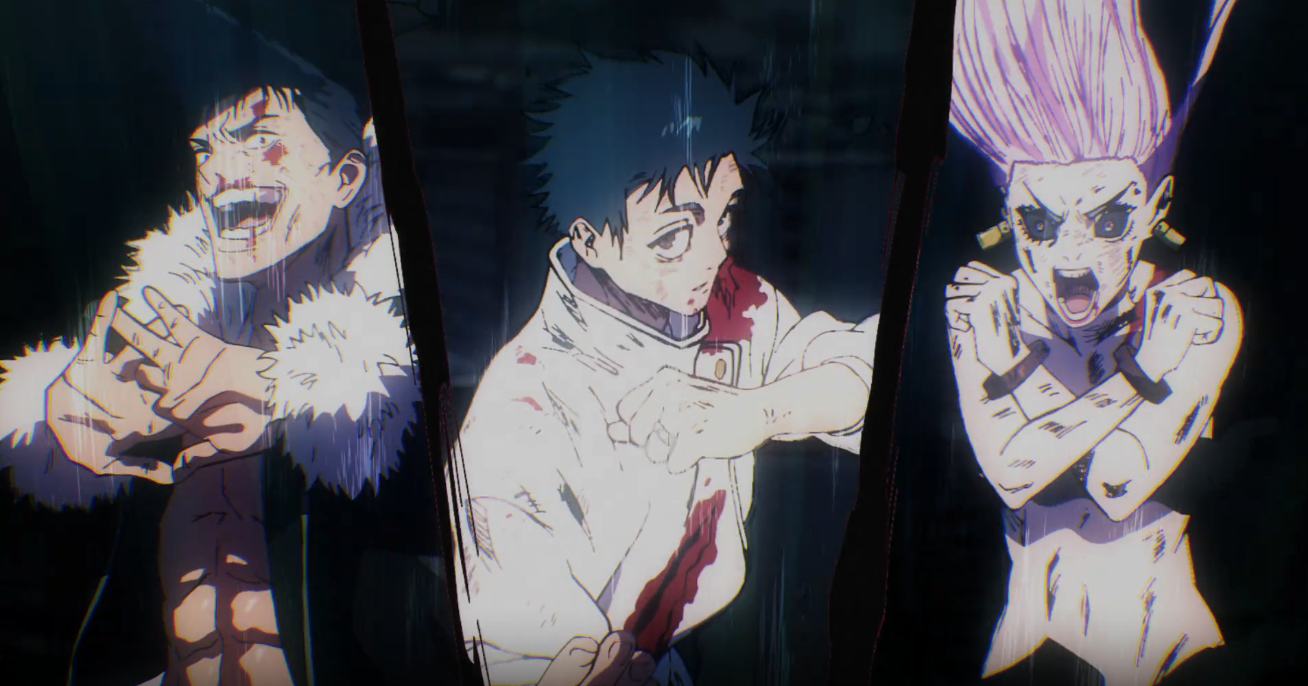
While some might point to its occasionally hurried plot or underdeveloped worldbuilding, there's an undeniable magic to Jujutsu Kaisen that's hard to articulate. The "Sendai Colony" episode, adapted from manga chapters 174-181, isn't just another breathtaking display of MAPPA's animation prowess; it’s a masterclass, demonstrating everything that makes this series a game-changer in under 30 minutes. If you haven't seen it, stop reading, fire up Crunchyroll, and witness the chaos of Yuta Okkotsu's arrival in the Culling Game as he breaks a four-way standoff between three incarnated sorcerers and a special-grade cursed spirit.
"Sendai Colony": Where Every Punch Tells a Story
For many classic shonen like Dragon Ball, Naruto, or Bleach, fights serve a clear purpose: to propel the narrative, test characters, and advance the plot. They're a means to an end. Jujutsu Kaisen flips this script entirely. Here, the fights are the story, the ultimate objective rather than a narrative tool. This isn't a sign of shallowness; quite the opposite, it's a profound commitment to the genre's very essence. The intensity, the strategy, the sheer will to overcome – it’s all laid bare in every clash, and it's what makes the series feel so fresh.
Beyond Text Walls: JJK's Visual Storytelling Power
When it comes to intricate power systems, Hunter x Hunter often comes to mind, with its creator Yoshihiro Togashi's almost game designer-like approach to Nen. Its battles often feature extensive internal monologues, detailing every strategic possibility. Jujutsu sorcery is similarly complex, with domains and cursed techniques creating a fascinating web of possibilities. However, Akutami prefers a different path. Instead of overwhelming the reader (or viewer) with exposition, Jujutsu Kaisen leans into a "show, don't tell" philosophy. While this might occasionally lead to accusations of being unclear, it ultimately results in a more dynamic, visually driven experience where the complexities of the sorcery unravel through the action itself.
The Art of Subtraction: Crafting Depth with "Ma"
One of Jujutsu Kaisen’s most ingenious storytelling techniques can be described by the Japanese concept of "ma," or "design by subtraction." Think of it as the meaningful silence between musical notes or the negative space in a painting. This minimalist approach extends to character development. In "Sendai Colony," despite knowing very little about Takako Uro and Ryu Ishigori beforehand, you find yourself surprisingly invested in them after their brutal encounter with Yuta. Uro's tragic past as an assassin betrayed by one of Okkotsu's ancestors is conveyed through fleeting thoughts and actions, creating an emotionally resonant backstory without a single flashback. Similarly, Ishigori, initially seeming like a typical "battle maniac," reveals a deeper longing for a "dessert" – a crowning challenge to satisfy a life lived with lingering discontent. His defeat at Yuta's hands becomes a satisfying conclusion to his personal quest, illustrating the "loneliness of the strong" with remarkable efficiency.
Okkotsu's Arrival and MAPPA's Unmatched Brilliance
"Sendai Colony" also serves as a proper introduction for Yuta Okkotsu to the main series' highest echelons. This entire battle acts as a powerful statement: Yuta has undeniably stepped into the realm of the strongest, alongside figures like Gojo and Sukuna. A massive part of this impact comes from MAPPA's absolutely stellar animation. The studio doesn't just adapt Akutami's manga; they enrich it, pulling out visual elements that were perhaps latent on the page and making them bloom on screen. The final clash between Okkotsu and Ishigori, with the season's opening theme suddenly kicking in as virtual "desserts" vanish from plates, is a truly triumphant moment that epitomizes this exquisite interplay between source material and adaptation.
The Genius That Isn't For Everyone
Ultimately, Jujutsu Kaisen is a series laser-focused on fighting. Akutami set out to innovate the battle shonen genre by returning to its roots and stripping away what he considered unnecessary elements. What remains is an incredibly potent, unadulterated core of pure combat and character moments forged within it. This audacious approach won't appeal to everyone, and that's okay. Those "unnecessary elements" – detailed worldbuilding, clear-cut character arcs, and answers to every question – can be incredibly enjoyable. Indeed, even with the manga having reached its finale in 2024, some fans are left with lingering questions about the world and its inhabitants. But whether you love it or find it frustrating, it's impossible to deny the sheer creative genius behind this unique, subversive vision.
FAQ
Q: What manga chapters does the "Sendai Colony" episode adapt?
A: The Jujutsu Kaisen Season 3 finale, "Sendai Colony," adapts chapters 174-181 of Gege Akutami's manga.
Q: What makes Jujutsu Kaisen's fights different from other shonen?
A: Unlike many shonen where fights are a means to advance the plot, Jujutsu Kaisen positions fights as the story's core purpose. It uses a "show, don't tell" approach and "design by subtraction" (ma) to develop characters and complex power systems within the action itself, rather than relying on extensive exposition or flashbacks.
Q: Does the episode introduce any new significant characters?
A: Yes, the episode serves as a major re-introduction for Yuta Okkotsu, solidifying his status as one of the series' strongest sorcerers within the main storyline.
Related articles
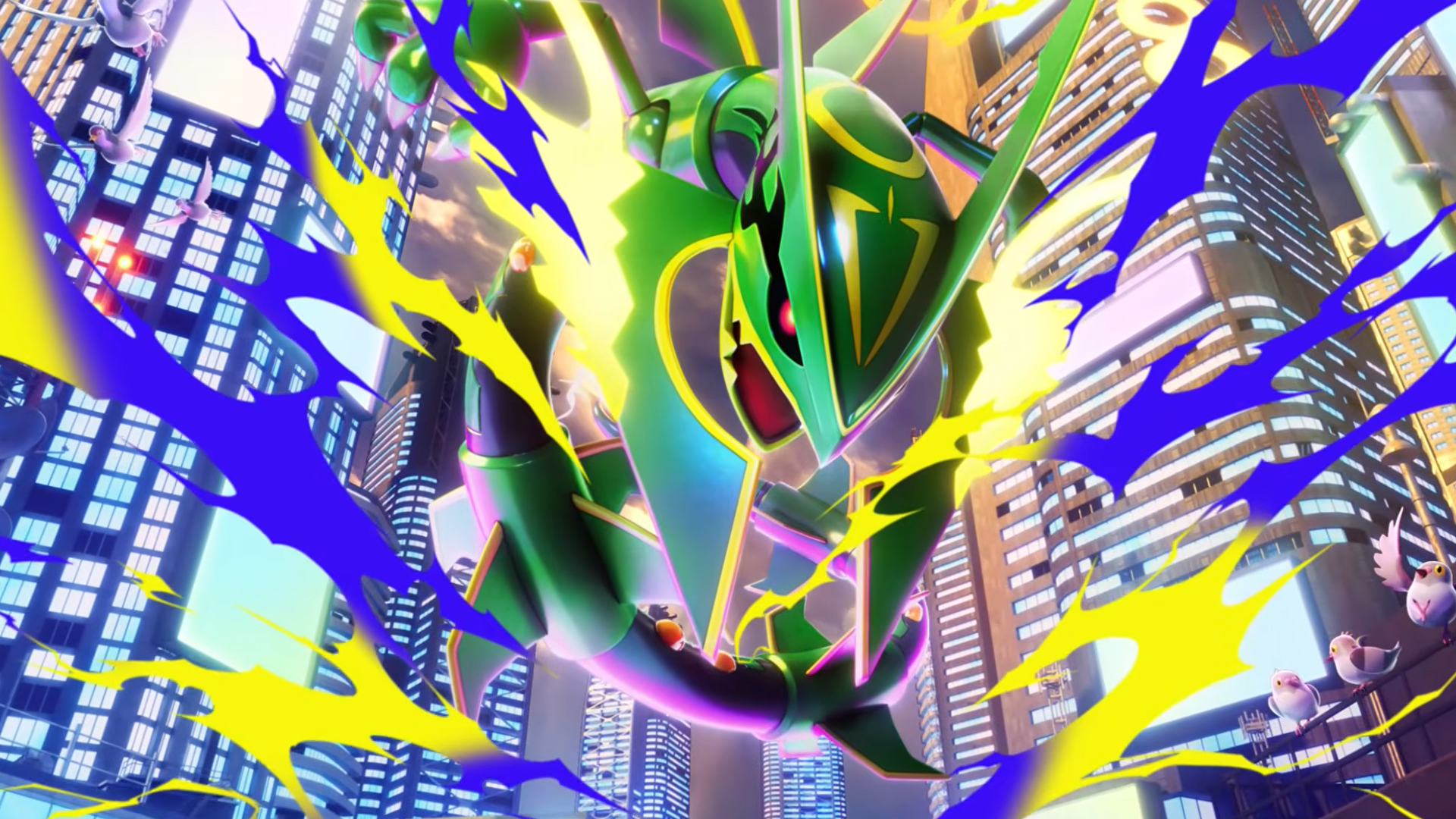
TCG Pocket Responds: A Much-Needed Pace Shift for Pokémon Fans
Pokémon TCG Pocket is rolling out a major update for its second anniversary, primarily addressing player concerns about overwhelming content releases by shifting to a six-week set schedule. This aims to curb player decline and improve overall engagement by giving trainers more time to collect and strategize. The update also adds new collection methods, improved deck-building features, and enhanced trading functionality.
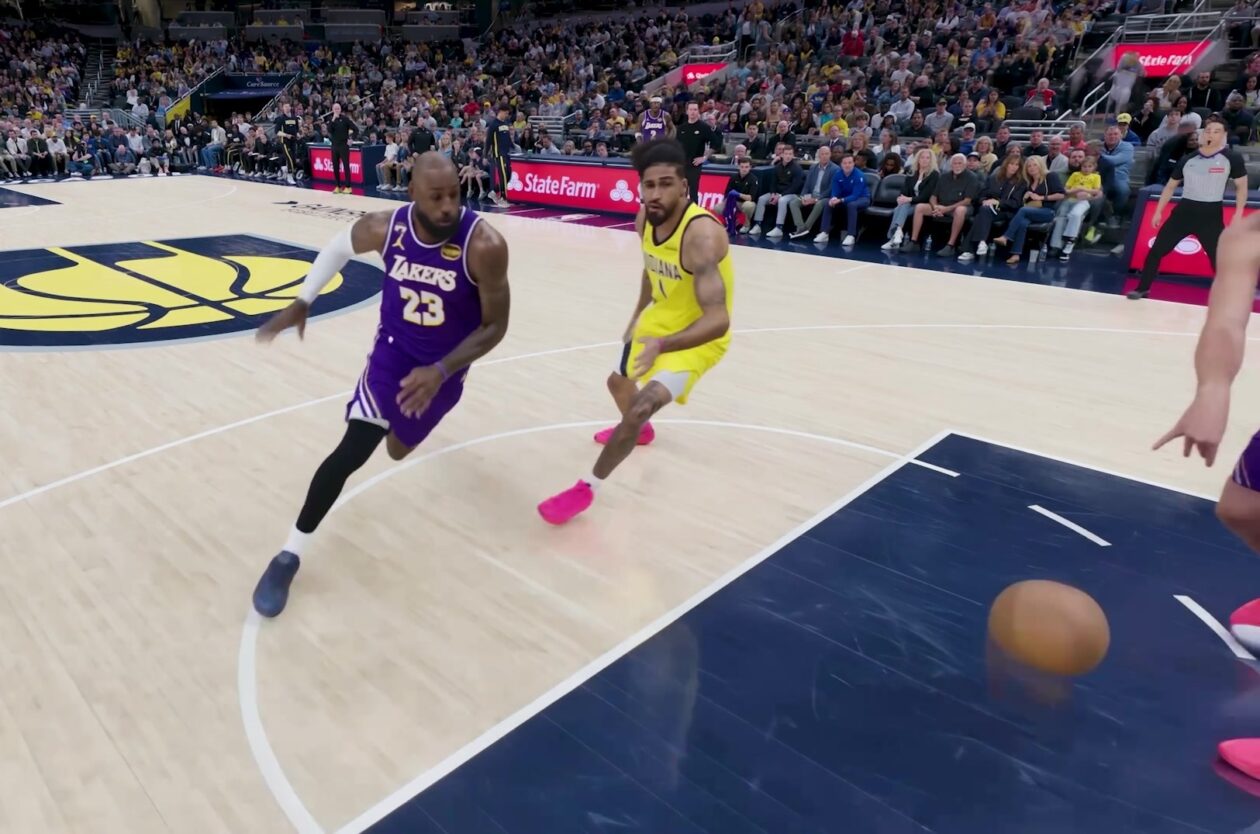
Amazon Prime Video Launches AI-Powered Prime 360 for NBA Coverage
Amazon Prime Video is elevating its NBA coverage with the introduction of Prime 360, an AI-powered replay system offering immersive, 'fly through' views of the action. Kicking off its second season, Prime Video also adds Yahoo fantasy integration and gains exclusive Eastern Conference Finals rights, expanding its tech-driven sports broadcast. The new features aim to deliver a unique and interactive viewing experience for basketball fans.
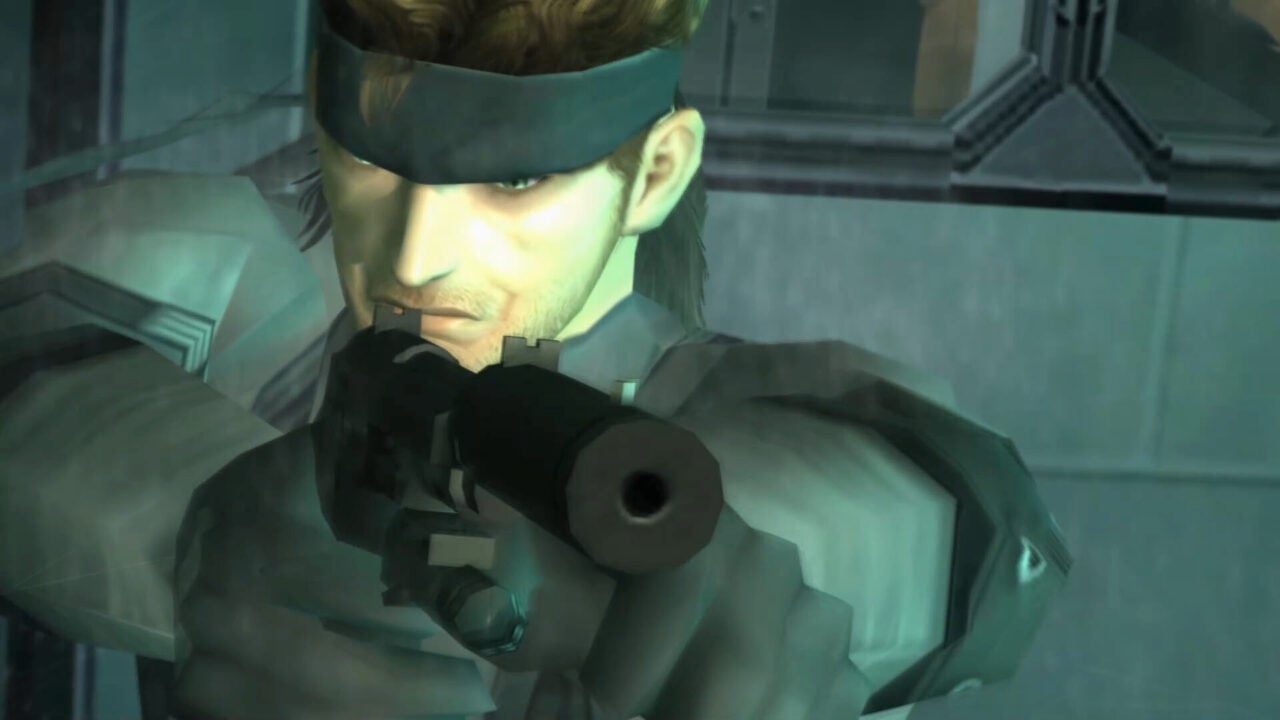
Kojima Compares Divisive New Film 'Digger' to MGS2's Prescient Vision
Gaming icon Hideo Kojima has praised the divisive 2026 film *Digger*, drawing intriguing parallels to his own prophetic game, *Metal Gear Solid 2*. Both works, he explains, uniquely explore the dangers of misinformation and a fragmented digital reality, anxieties he shares with *Digger*'s director, Alejandro González Iñárritu.

Enterprise AI Beyond Chatbots: A Vision for Actionable Intelligence
Quick Verdict: Redefining Enterprise AI's Potential TechRadar Pro's opinion piece, "What it takes to move enterprise AI beyond the chatbot," delivers a refreshingly honest and vital perspective on the current state and

Ubisoft Proposes German Studio Workforce Reduction Amidst
Ubisoft is planning a voluntary departure program for about 100 employees across its Düsseldorf, Berlin, and Mainz studios in Germany. This move is part of a larger, ongoing cost-reduction and restructuring effort by the publisher, aiming to better position its studios for future projects.

TGS 2026: These Forward-Looking Cosplays Are Already Living in the
Tokyo Game Show 2026 showcased incredible cosplay, with many fans embodying characters from unreleased games like *Blast Blade* and *Mononoke No Kuni*. This gallery highlights the community's foresight, alongside debut *Palworld* cosplay and refreshed takes on classics. It’s a testament to the passion that brings gaming's future to life.