
in-depth: NASA’s Curiosity Rover Got Its Drill Stuck on a Rock
NASA's Curiosity rover recently freed its drill after it became unprecedentedly stuck in a 28.6-pound Martian rock, 'Atacama.' The unique challenge took engineers nearly a week of remote maneuvers, showcasing their remarkable problem-solving and operational resilience.

NASA's venerable Curiosity rover, a veteran explorer of the Martian surface, recently faced an unprecedented challenge when its drill became firmly lodged within a rock formation nicknamed “Atacama.” The unusual incident, which saw the entire 28.6-pound rock lifted from the Martian soil attached to the drill’s sleeve, left engineers at the Jet Propulsion Laboratory grappling with a never-before-seen problem. After nearly a week of meticulous planning and remote maneuvers, the team successfully dislodged the rock on May 1, a testament to their ingenuity and the rover's resilience.
The sticky situation began on April 25 when Curiosity was performing a routine drilling operation to collect a geological sample. Upon retracting its robotic arm, the mission team observed an unexpected anomaly: the chosen rock, weighing a considerable 28.6 pounds, had detached from the Martian ground and remained stubbornly affixed to the sleeve encasing the drill's rotating tip. While previous drilling activities during the rover's nearly 14-year tenure have sometimes resulted in surface cracks or breaks, this was the first instance where a rock became completely stuck to the drill assembly itself.
The peculiar “accident” was promptly captured by the rover's onboard black-and-white obstacle-detection cameras. These crucial imaging devices, positioned on the front of Curiosity's chassis, provided a sequence of images that immediately alerted engineers to the problem. With a clear visual of the predicament, the ground team could begin devising a strategy to free the invaluable scientific instrument.
The Rescue Operation Begins
The initial attempts to dislodge the rock involved a series of robotic arm movements and drill vibrations, but these efforts proved unsuccessful. Despite repeated commands to shake the drill, the tenacious rock held its position. The engineers, undeterred, continued their methodical approach.
By April 29, the team had refined their strategy. They adjusted the position of the robotic arm and initiated another round of vibrations. This improved maneuver yielded a minor result, successfully knocking off some sand from the rock, but the main obstruction remained firmly attached. The delicate balance of applying enough force without causing further damage to the rover's instruments or the drill itself was paramount.
A Breakthrough on May 1
The breakthrough came on May 1. The engineering team decided on a more aggressive, multi-pronged approach. This involved significantly tilting the drill, simultaneously rotating and vibrating it, and finally spinning the drill bit. To their surprise and relief, the rock broke loose on the very first application of this combined strategy. It shattered into numerous pieces as it fell back onto the Martian soil, marking the end of the week-long ordeal.
Launched by the Jet Propulsion Laboratory, NASA’s Curiosity rover made its historic landing on Mars in August 2012. Its primary mission has been to investigate whether Mars ever harbored environmental conditions capable of supporting microbial life. Over the past decade and more, Curiosity has been instrumental in providing crucial data about the Red Planet's past habitability.
Curiosity's Enduring Mission
A notable achievement occurred in 2020 within the Glen Torridon region of Gale Crater. This area, known for its rich deposits of clay minerals, strongly suggests the past presence of water. Utilizing its sophisticated onboard instruments, including the Sample Analysis on Mars, Curiosity meticulously collected and analyzed samples, contributing significantly to our understanding of Mars’ geological and hydrological history.
The successful freeing of the drill underscores the remarkable problem-solving capabilities of NASA’s engineering teams. Operating a complex robotic explorer millions of miles away on another planet presents unique challenges, and this incident demonstrates the critical importance of adaptable and creative solutions. Each such setback and its resolution contributes invaluable experience for current and future deep-space missions.
With its drill once again fully operational, Curiosity is poised to continue its groundbreaking scientific investigations. The brief but intense episode serves as a powerful reminder of the intricate challenges and profound rewards inherent in exploring distant worlds, showcasing human ingenuity at the forefront of space exploration.
FAQ
Q: What made this incident with Curiosity's drill unique?
A: This was the first time in Curiosity's nearly 14-year mission that a rock, specifically one weighing 28.6 pounds, remained completely stuck to the drill's sleeve and was lifted from the Martian surface upon retraction. Previous drilling operations had only resulted in cracks or breaks.
Q: How did NASA engineers first become aware of the drill being stuck?
A: The rover's black-and-white obstacle-detection cameras, mounted on the front of its chassis, captured a sequence of images showing the rock stuck to the drill. This visual evidence allowed the engineering team to immediately begin working on a solution.
Q: What was the final technique used to free the drill?
A: After initial attempts failed to dislodge the rock, the team on May 1 successfully employed a multi-step maneuver. This involved tilting the drill more, simultaneously rotating and vibrating it, and spinning the drill bit. The rock broke free and shattered on the first try with this combined approach.
Related articles

Apple Unveils iPhone Duo: Pricey Foldable Sees Soaring Demand
Apple has officially entered the foldable smartphone arena with the long-anticipated launch of the iPhone Duo. Priced starting at a hefty $1,999, the device features a 5.4-inch outer display and a larger 7.6-inch inner

in-depth: Chicago-Area Cops Helped HSI Spy on Minnesota Anti-ICE
Chicago-area law enforcement, including local police and HSI agents, conducted undercover surveillance on Minnesota anti-ICE activists at an April 2, 2022, talk in Chicago. This operation was part of a federal conspiracy probe into 15 Minnesota activists facing felony charges related to immigration enforcement resistance. Civil liberties advocates have condemned the surveillance as a troubling intrusion into protected political activity.

Mark Wahlberg on using AI in film ‘the right way’ and being open to
Actor Mark Wahlberg believes AI has a place in filmmaking if used responsibly for enhancement, not script generation or actor replacement. At TechCrunch Disrupt, he expressed openness to an AI likeness carrying on his legacy, managed by his family, and emphasized storytelling.

Ars Technica's Rocket Report: Your Essential Space Industry Briefing
Quick Verdict Ars Technica's Rocket Report, presented by veteran space reporter Stephen Clark, offers an invaluable and meticulously organized weekly (or similar frequency, implied by "Edition 9.15") digest of the most
Tesla Unveils Thruster-Equipped Roadster, 2028 Production Targeted
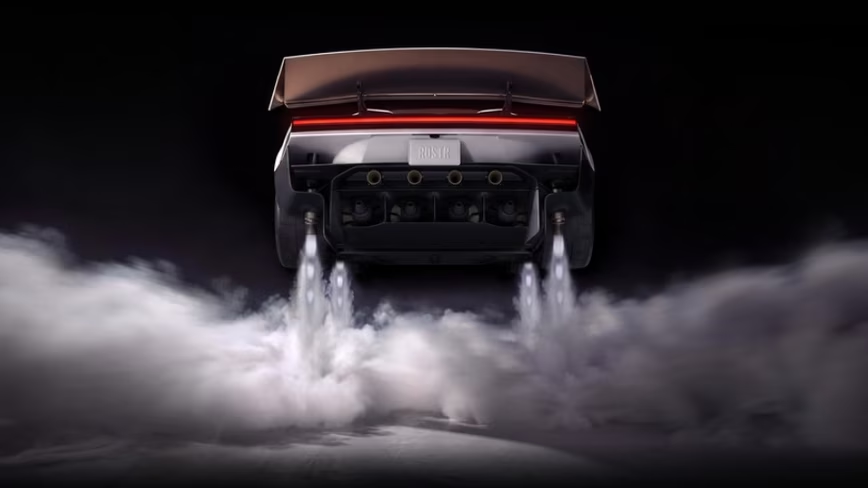
Tesla has unveiled its second-generation Roadster, featuring cold-gas thrusters co-developed with SpaceX, enabling it to jump and flip. The electric sports car demonstrated 0-60mph in an astonishing 0.81 seconds, with production targeted for 2028. This highly anticipated reveal also serves as a key recruitment tool for Tesla's ambitious AI and robotics initiatives.
Amazon Prime Video Launches AI-Powered Prime 360 for NBA Coverage
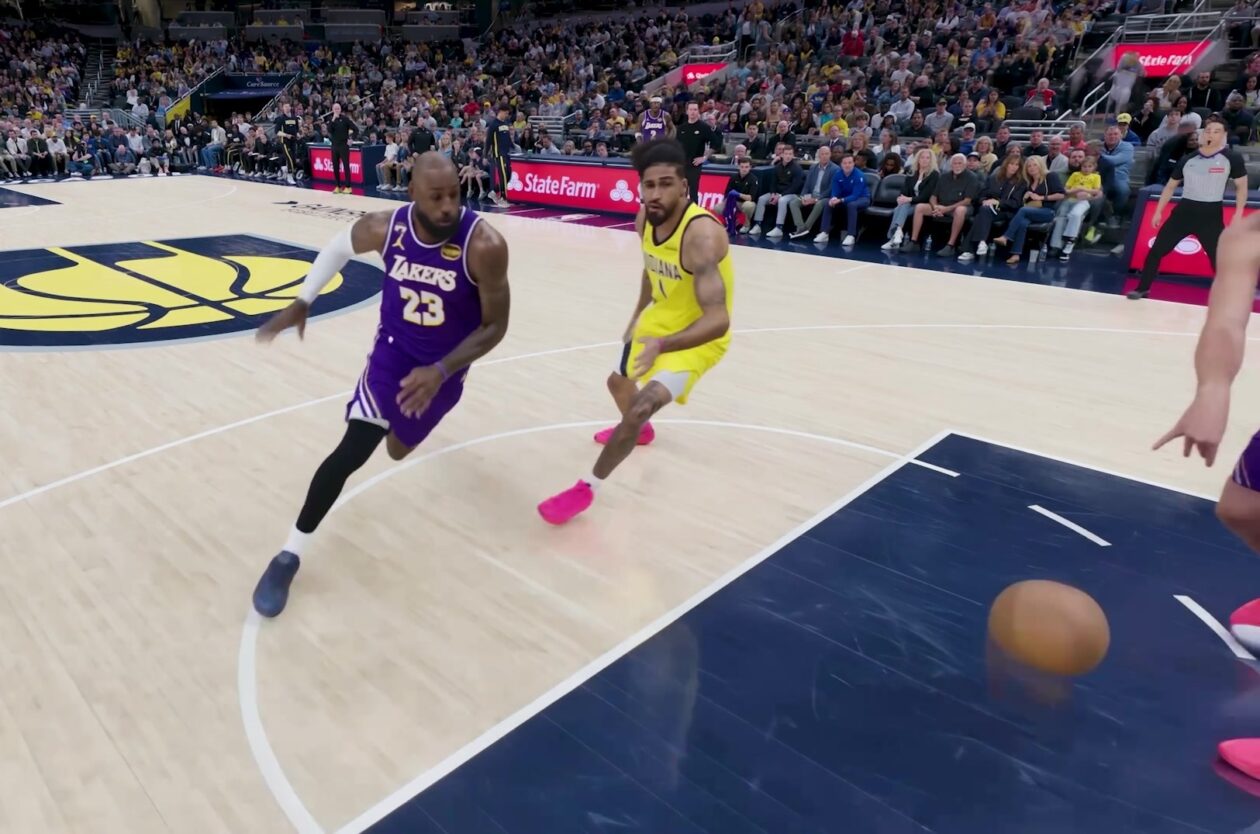
Amazon Prime Video is elevating its NBA coverage with the introduction of Prime 360, an AI-powered replay system offering immersive, 'fly through' views of the action. Kicking off its second season, Prime Video also adds Yahoo fantasy integration and gains exclusive Eastern Conference Finals rights, expanding its tech-driven sports broadcast. The new features aim to deliver a unique and interactive viewing experience for basketball fans.