
in-depth: My Blissful Week as a ‘Do Not Disturb’ Maximalist: Digital
A technology journalist embarked on a week-long experiment, embracing "Do Not Disturb" (DND) maximalism to silence all smartphone notifications. The experience, though challenging socially, revealed a path to greater focus and personal boundaries, highlighting a growing trend to reclaim attention in a constantly connected world.

A technology journalist recently embarked on a week-long experiment, silencing all smartphone notifications 24/7 by becoming a “Do Not Disturb” (DND) maximalist. The goal: to uncover the impact of disconnecting from constant digital pings on personal well-being and social interaction. This growing trend, celebrated on platforms like TikTok despite criticism, promises a new frontier in setting digital boundaries and reclaiming focus in an always-on world.
Embracing the Silence: The Rise of DND Maximalism
DND mode, available on both iOS and Android for over a decade, allows users to receive notifications without their phone buzzing, pinging, or blipping. While once an occasional setting, a new wave of “maximalists” now keeps their devices in this silent state continuously. Recent software updates have made the feature more accessible, fueling its adoption among those seeking respite from digital demands.
Why Users Embrace the Silence
The motivations behind this radical shift often center on a desire to establish clear boundaries around personal availability. While some users report a significant reduction in screen time, others simply engage with their phones on their own terms, free from immediate interruption. Research in "Computers in Human Behavior" indicates that social media notifications can cause cognitive processing “hiccups” lasting around seven seconds, highlighting the cumulative drain on attention.
For Claire Meczkowski, a customer service professional, DND became a permanent fixture after she repeatedly forgot to switch it off after pilates class. She found the continuous silence “really, really nice.” Oscar, another DND advocate, goes further by utilizing “Sleep mode” to dim his phone and eliminate vibrations, creating an “extremely invasive” smartphone experience for himself, though he made an exception for his mother’s messages.
Chace Verity, a queer romance author with ADHD, found DND essential after the pandemic lockdown made their life “only about what's happening on my phone,” leading to overwhelming feelings. By embracing notification blocking, Verity states, “I have reclaimed my time.” Similarly, environmental policy student Peter Rubin, who has always sought ways to silence his phone, views always-on notifications as “crazy” and believes everyone “should live like this.” He recently attempted to cut smartphone usage to 10 minutes a day, finding it a challenging yet fulfilling exercise in setting personal engagement terms.
Navigating Social Expectations
The journalist’s own week as a DND maximalist felt “transcendent” but also “a bit annoying for everyone trying to get in touch.” Initially, they observed a “taboo” associated with breaking the social contract of constant availability, akin to declaring oneself vegan in the 1990s. The perceived rudeness or “holier than thou” attitude often stems from others interpreting a personal choice as a critique of their own habits.
Preemptive communication proved crucial, as the journalist’s partner initially expressed frustration over ignored calls. Explaining the intent to regain focus and set boundaries helped foster acceptance, transforming intermittent availability into a manageable inconvenience. The experiment also revealed that delayed responses, even by a day, did not cause significant offense, challenging the notion of immediate response necessity. However, the author and interviewees acknowledge that this lifestyle might be less feasible for caregivers or parents with young children who require constant accessibility.
The Verdict: A Newfound Respect for Digital Boundaries
While the journalist ultimately reverted to allowing a minimal number of essential notifications, the week-long immersion fostered a profound respect for those who fully embrace DND maximalism. The experience underscored that technologically enforced silence, though radical, can lead to feeling more active and present in real-life interactions. It reframes DND not as an antisocial choice but as a conscious effort to prioritize well-being and attention in a digitally saturated world.
FAQ
Q: What exactly is Do Not Disturb maximalism?
A: Do Not Disturb maximalism involves keeping your smartphone in Do Not Disturb (DND) mode 24/7, meaning you still receive all notifications, but your phone doesn't buzz, ping, or blip to alert you to them. Users check their phones on their own schedule rather than being constantly interrupted.
Q: Why are people adopting this Do Not Disturb lifestyle?
A: Individuals embrace DND maximalism primarily to set boundaries around their availability, reduce constant digital distractions, and reclaim their attention. Many find it leads to a greater sense of peace and presence, reducing the cognitive strain caused by frequent notification interruptions.
Q: Are there social challenges to living in Do Not Disturb mode?
A: Yes, adopting a DND maximalist lifestyle can present social challenges. Friends and family, accustomed to immediate responses, may initially feel ignored or frustrated. Preemptive communication about your intentions can help manage these expectations and foster understanding among your contacts.
Related articles
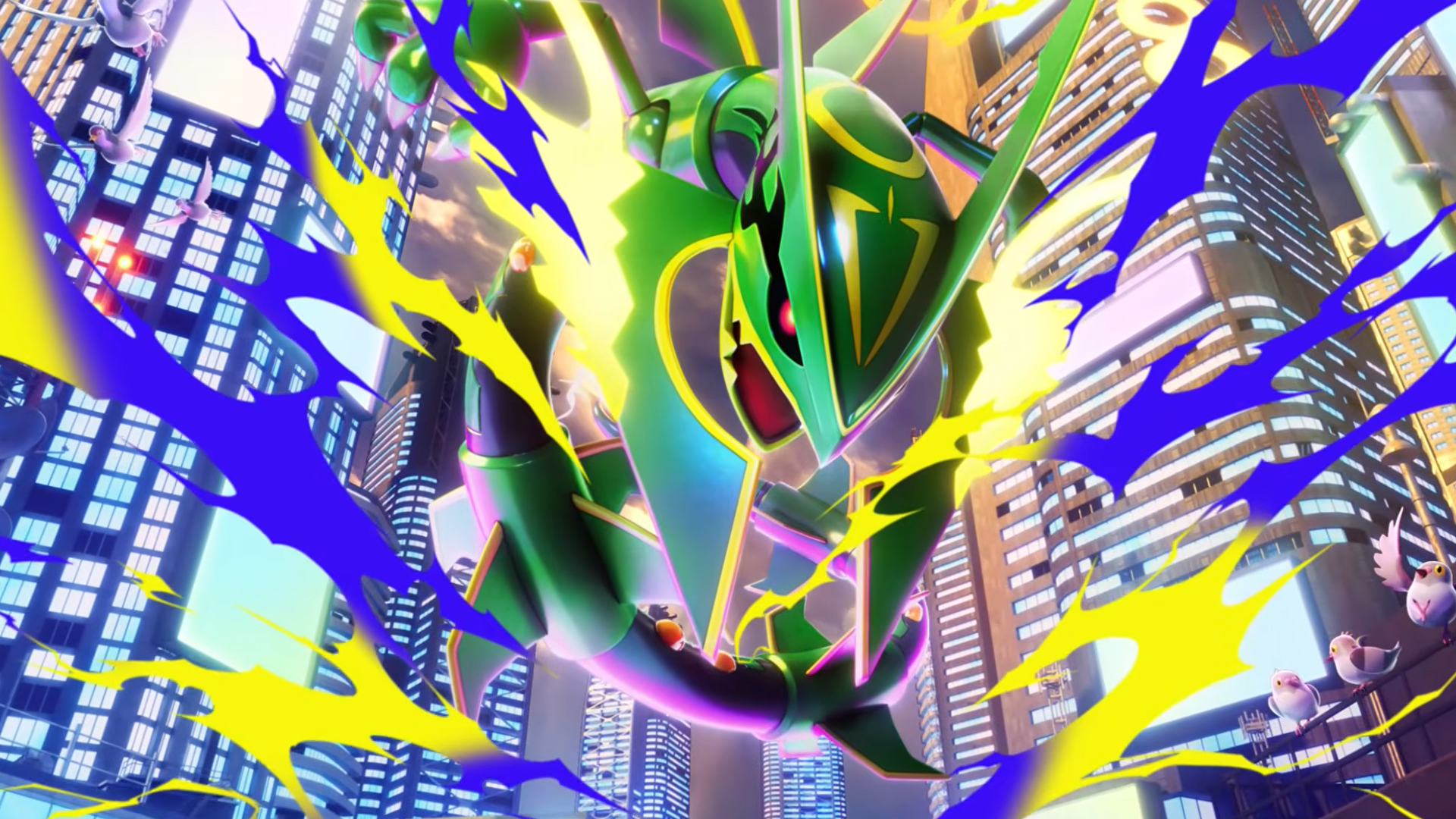
TCG Pocket Responds: A Much-Needed Pace Shift for Pokémon Fans
Pokémon TCG Pocket is rolling out a major update for its second anniversary, primarily addressing player concerns about overwhelming content releases by shifting to a six-week set schedule. This aims to curb player decline and improve overall engagement by giving trainers more time to collect and strategize. The update also adds new collection methods, improved deck-building features, and enhanced trading functionality.

Ars Technica's Rocket Report: Your Essential Space Industry Briefing
Quick Verdict Ars Technica's Rocket Report, presented by veteran space reporter Stephen Clark, offers an invaluable and meticulously organized weekly (or similar frequency, implied by "Edition 9.15") digest of the most

Tesla Unveils Thruster-Equipped Roadster, 2028 Production Targeted
Tesla has unveiled its second-generation Roadster, featuring cold-gas thrusters co-developed with SpaceX, enabling it to jump and flip. The electric sports car demonstrated 0-60mph in an astonishing 0.81 seconds, with production targeted for 2028. This highly anticipated reveal also serves as a key recruitment tool for Tesla's ambitious AI and robotics initiatives.
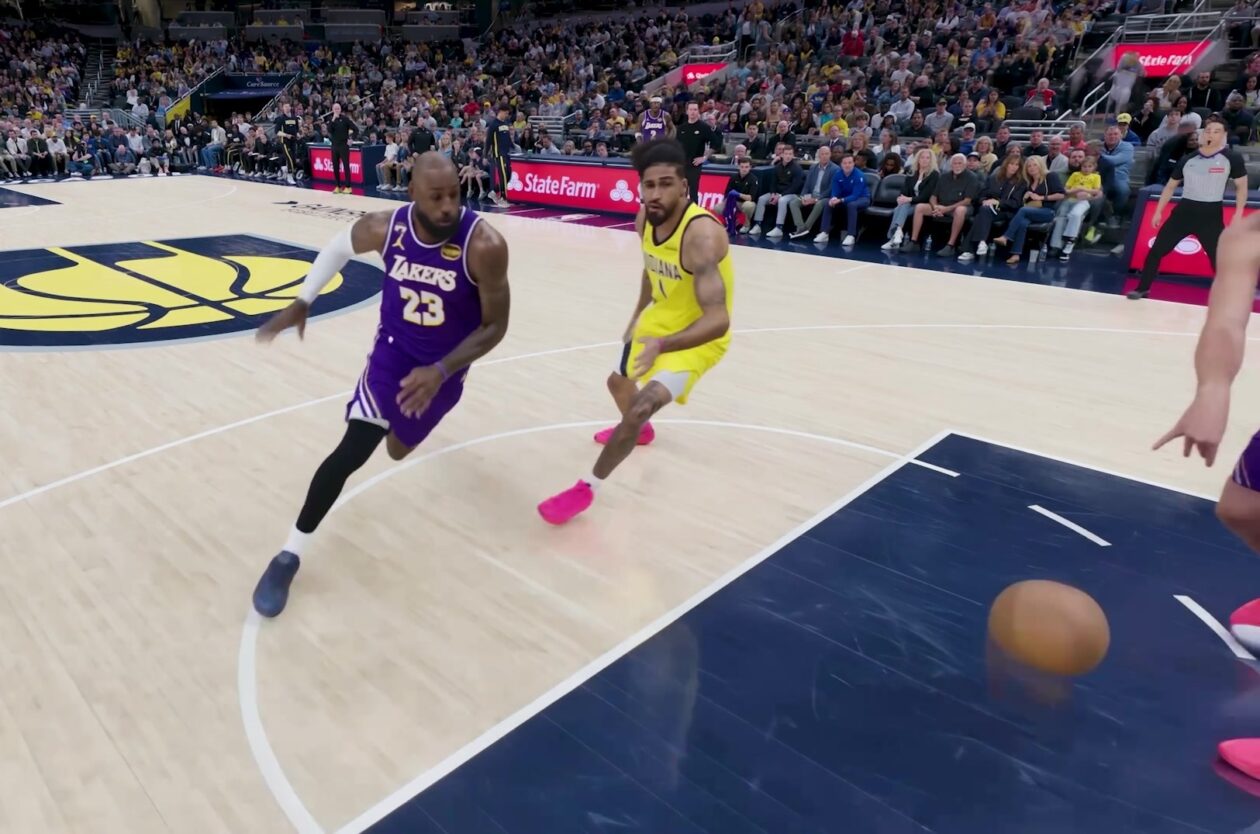
Amazon Prime Video Launches AI-Powered Prime 360 for NBA Coverage
Amazon Prime Video is elevating its NBA coverage with the introduction of Prime 360, an AI-powered replay system offering immersive, 'fly through' views of the action. Kicking off its second season, Prime Video also adds Yahoo fantasy integration and gains exclusive Eastern Conference Finals rights, expanding its tech-driven sports broadcast. The new features aim to deliver a unique and interactive viewing experience for basketball fans.
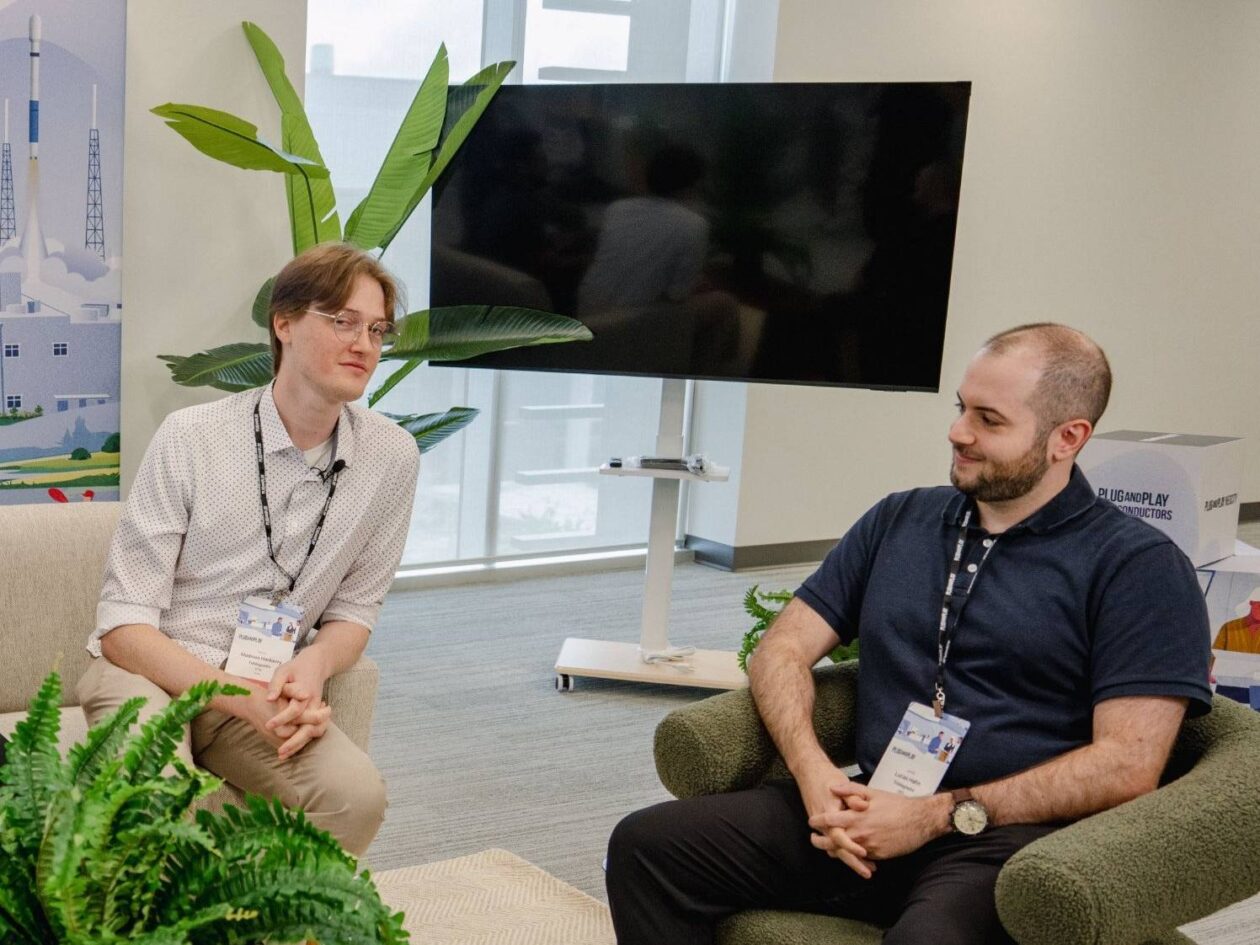
regional: A two-person Seattle startup lands $1M to reinvent
Seattle startup TriMagnetix has secured $1 million to develop semiconductor chips that consume 800 times less energy and are radiation-resistant. The two-person company, leveraging nanomagnetic technology, is targeting space applications and data centers. With new funding and key partnerships, TriMagnetix aims for commercial sales within a year.

Kojima Compares Divisive New Film 'Digger' to MGS2's Prescient Vision
Gaming icon Hideo Kojima has praised the divisive 2026 film *Digger*, drawing intriguing parallels to his own prophetic game, *Metal Gear Solid 2*. Both works, he explains, uniquely explore the dangers of misinformation and a fragmented digital reality, anxieties he shares with *Digger*'s director, Alejandro González Iñárritu.