
Hyrule Reimagined: Ocarina of Time's Bold New Look Revealed
The Legend of Zelda: Ocarina of Time remake embraces a hyper-realistic HD overhaul, sparking widespread debate among fans. While stunning new screenshots showcase a meticulously detailed Hyrule, changes to Link's appearance, Navi's sound, and potential mobile phone integration for quests have generated mixed reactions. Nintendo's ambitious vision aims to balance modern graphics with the essence of the N64 classic.
Hyrule Reimagined: Ocarina of Time's Bold New Look Revealed
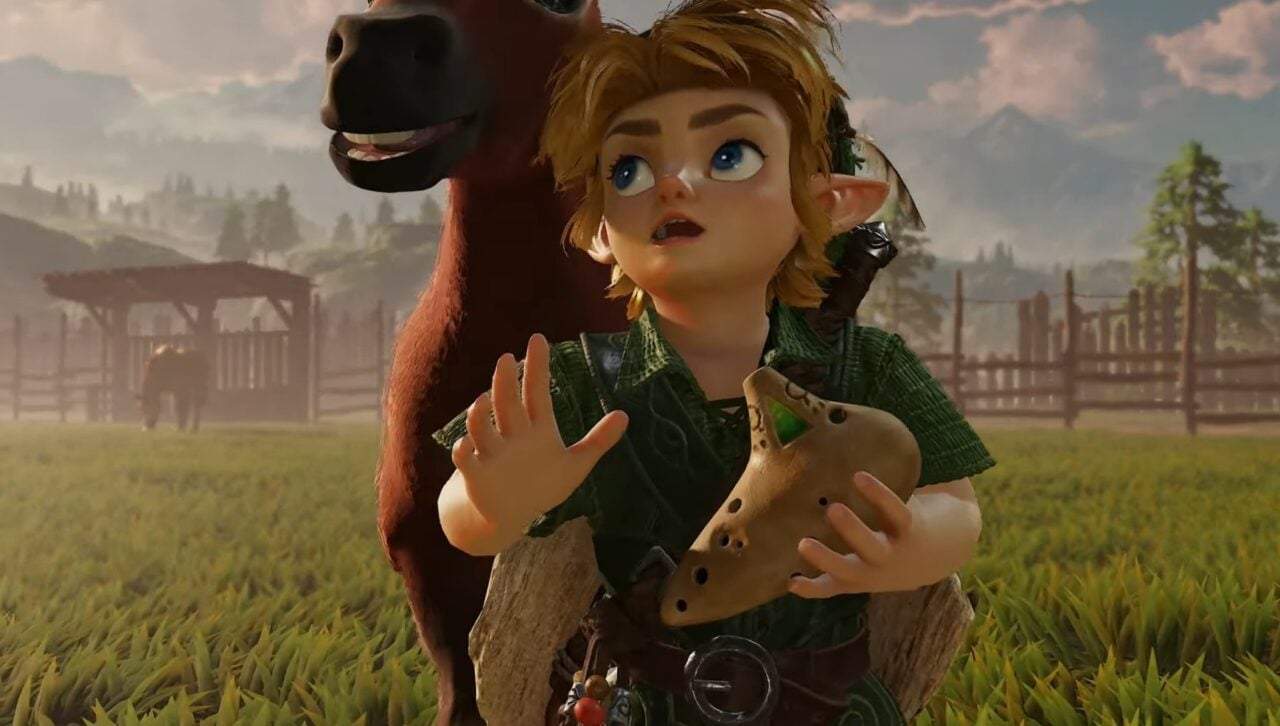
Nearly three decades after it first enchanted us on the Nintendo 64, The Legend of Zelda: Ocarina of Time is making a grand return, and it’s not quite how you remember it. Get ready to bid farewell to those iconic, blocky polygons, because Nintendo has unveiled an upcoming remake that’s embracing a dazzling, ultra-realistic HD overhaul. This isn't just a polish; it's a complete visual metamorphosis, promising a Hyrule that’s completely different-looking, pushing hyper-realism to the forefront.
The reveal has already sparked passionate discussions among fans, with opinions genuinely divided on this bold new direction for one of gaming’s most sacred texts. But today’s initial wave of high-quality screenshots, direct from Nintendo’s website, gives us our clearest look yet at what this ambitious reimagining entails. Whether you’re a long-time veteran who knows every corner of Hyrule or you only dabbled with the 3DS port, there’s a lot to unpack in these new visuals.
From Pixels to Photo-Realism: A Visual Revolution
The most striking aspect of the Ocarina of Time remake is undeniably its commitment to hyper-realistic graphics. Gone are the charming, low-poly aesthetics that defined the N64 era. In their place, we’re treated to a world absolutely drenched in detail, with an abundance of new visual effects and flourishes that breathe an entirely different kind of life into familiar scenes. This isn't just about higher resolution; it’s about a complete artistic reinterpretation.
The original game, with its more abstract visuals, often left a lot to the player’s imagination – a blank canvas for us to fill with our own mental imagery of Hyrule. This remake, however, seems intent on leaving no stone unturned, meticulously detailing everything from the blades of grass in Kokiri Forest to the intricate architecture of Hyrule Castle. It's a fascinating design choice that aims to fully realize a world that, for so long, existed in a more stylized form. The visual leap is profound, transforming the game into something that, at first glance, feels almost alien yet undeniably captivating. It asks us to reconsider what Hyrule means when rendered with such fidelity.
Exploring a Hyper-Detailed Hyrule
The 16 high-quality screenshots released by Nintendo offer an intriguing glimpse into this newly detailed world. We can see how iconic locations have been meticulously recreated, now boasting textures and lighting that were unimaginable nearly 30 years ago. Imagine wandering through a Kokiri Forest where every leaf is distinct, where sunlight filters through a canopy with breathtaking realism, or exploring the regal grandeur of Hyrule Castle Market with unprecedented visual fidelity. These environments are no longer just backdrops; they feel like living, breathing places, teeming with environmental storytelling that was previously only hinted at. The added depth and richness to these settings promise an immersive experience unlike any prior iteration of the game.
Every character, from the smallest Koko to the towering Gorons, benefits from this visual upgrade. The screenshots highlight how much care has gone into rendering the distinct personalities and forms of Hyrule's inhabitants. While we can’t yet speak to how they move or animate, the static images alone suggest a world brimming with graphical prowess, offering a fresh perspective on a beloved cast of characters.
The Uncanny Divide: Fan Reactions and Character Concerns
Naturally, such a radical departure from the original's art style hasn't been met with universal acclaim. Early reports indicate that fan opinions are indeed sharply divided. Some observers have compared the remake's look to something akin to an Unreal Engine fan project, suggesting it might tread into the "uncanny valley" rather than fully capture the essence of Zelda. A particular point of contention appears to be Link himself, with some expressing that his hyper-realistic rendition stands out, almost as if he’s been dropped in from an entirely different game engine or "isekai'd from Unreal Engine 5 Land," as one report put it. This stark realism for the hero, when juxtaposed with potentially more stylized elements (or simply the mental image of his original self), creates a visual friction that some fans find unsettling. It’s a bold gamble from Nintendo, pushing a beloved character into uncharted aesthetic territory.
More Than Just Graphics: Other Controversial Changes
The visual overhaul isn't the only aspect of this remake stirring up conversation. Early details and discussions around the announcement suggest that other significant changes are in store. Perhaps one of the most talked-about is the reported alteration to Navi’s iconic sound. For many, Navi’s persistent "Hey! Listen!" is as integral to the Ocarina of Time experience as the Master Sword itself. Changing such a fundamental and memorable sound is a risky move that could alienate purists, signaling a broader intent to modernize even the most ingrained elements of the game.
Adding to the list of potential controversies, there are concerns about how certain gameplay elements might be handled. Reports suggest that players might be required to use their mobile phones to fully engage with some of the game's side quests. This kind of integration, if true, could be a significant sticking point for an enthusiast audience that often prefers a self-contained gaming experience without external device dependencies. It’s an interesting, if potentially frustrating, modern twist on a classic formula.
Balancing Nostalgia with a Modern Vision
Despite the polarizing visual style and some eyebrow-raising changes, there’s an underlying current of excitement for what this remake represents. While some elements might feel jarring, other reports suggest that the game remains faithful enough to the N64 classic that fans can identify most of what they saw in the initial trailer. This implies that while the presentation is dramatically different, the core structure, iconic moments, and progression might remain largely intact. It’s a delicate balance Nintendo is attempting: honoring a legendary title while simultaneously pushing its boundaries into contemporary graphical standards and perhaps even new gameplay mechanics. The question remains whether this balance will ultimately satisfy the legions of fans who hold the original so dear.
A Classic's Next Chapter
The Legend of Zelda: Ocarina of Time is more than just a game; it's a foundational experience for an entire generation of gamers. This upcoming remake, nearly 30 years in the making, is shaping up to be one of the most ambitious and potentially divisive overhauls of a classic title we’ve seen. Its embrace of hyper-realistic HD visuals, while stunning in many ways, has ignited a fiery debate within the community. Coupled with intriguing changes to iconic sounds and modern gameplay integrations, this isn't just a simple graphical facelift. It’s a reimagining that seeks to redefine Hyrule for a new era. Whether you love or loathe its new look, one thing is certain: everyone will be talking about it.
FAQ
Q: What is the main visual change in The Legend of Zelda: Ocarina of Time remake?
A: The remake features an ultra-realistic HD overhaul, shedding the original N64's blocky polygons for a hyper-realistic art style with detailed visuals and new effects.
Q: Are there any other significant changes beyond the graphics?
A: Yes, reports suggest changes to iconic sounds, like Navi's voice, and a controversial requirement to use mobile phones for some side quests.
Q: How have fans reacted to the new look?
A: Fan opinions are divided. While some are excited by the updated visuals, others compare it to an "Unreal Engine fan game" and express concerns, particularly regarding Link's new hyper-realistic appearance.
Related articles
The Party's Back! Tales from '85 Unleashes Season 2 on Netflix
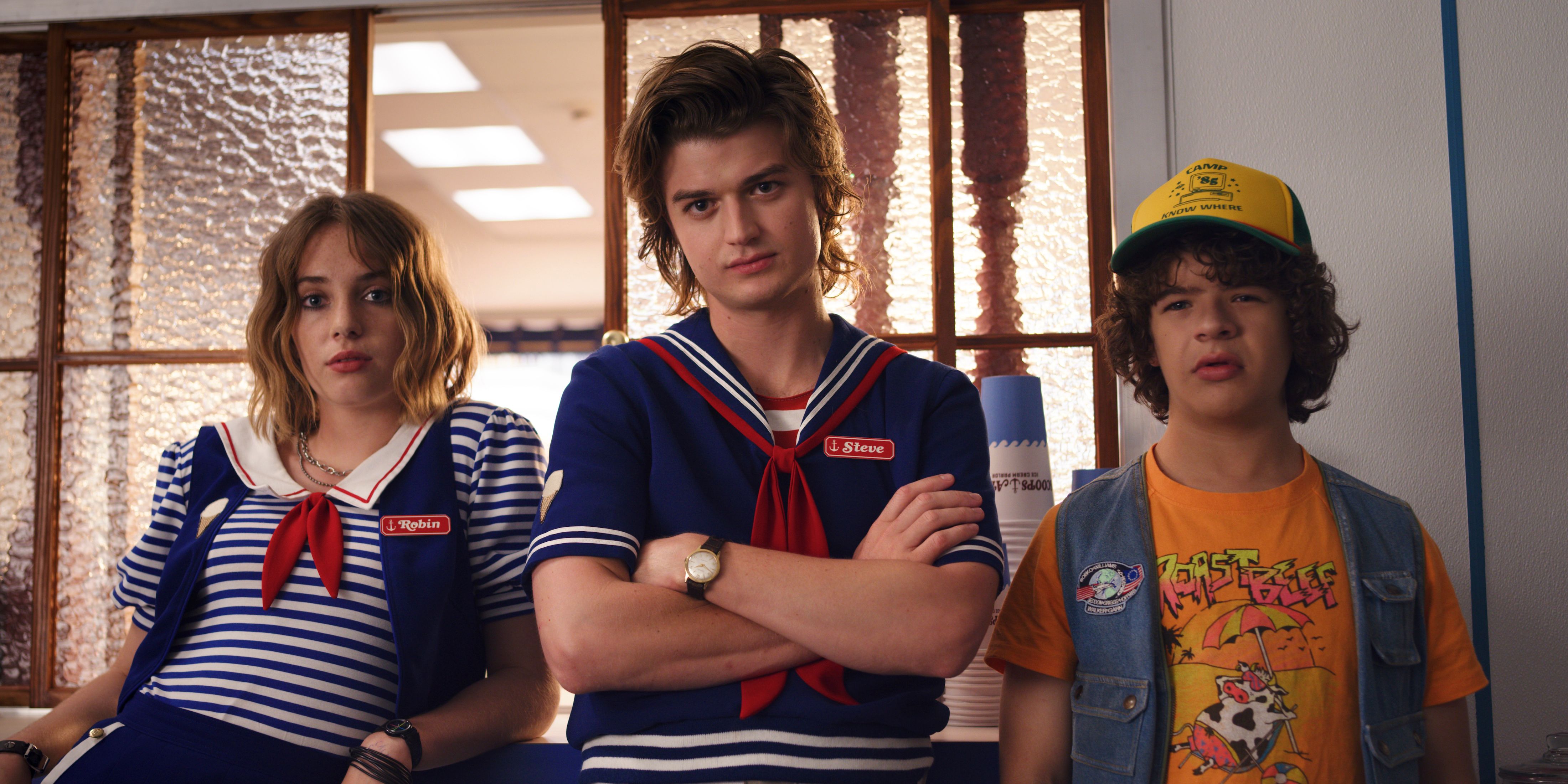
Stranger Things: Tales from '85, the animated spin-off, returns to Netflix on September 17th with 10 new episodes. Set between seasons 2 and 3 of the original live-action series, Season 2 sees The Party facing ghostly apparitions and strange creatures around Valentine's Day. While it received mixed reactions initially, it retains the 80s vibe and core characters.

Seattle Warned on Big Tech Reliance; Microsoft/OpenAI Sued; Apple's
A new City of Seattle study warns of the city's risky economic over-reliance on a few dominant tech companies. Simultaneously, the Seattle Times and Newsday are suing Microsoft and OpenAI for alleged AI training data theft, while Apple's new foldable iPhone Duo evokes memories of Microsoft's defunct Surface Duo.

Blood of The Dawnwalker’s True Foes Lurk in the Wilds
_Blood of The Dawnwalker_ from Rebel Wolves is an RPG that unexpectedly challenges players with fierce wildlife, drawing comparisons to _Dragon Age: Inquisition_'s early zones. Its unique directional combat system, while engaging, can lead to players being overwhelmed by animal ambushes. Despite the high difficulty, these encounters add a fun, dynamic layer to the game.

Unions Level Up: How Collective Power is Reshaping Game Dev
The gaming industry is seeing a massive shift as unionization rises globally, securing vital worker protections, better pay, and AI safeguards. This collective movement is empowering developers and fundamentally changing workplace dynamics. It's a win for workers, and ultimately, for the games we play.
Unofficial Sony Headphone PC Apps: Ditch Your Phone, Take Control
Tired of Sony's mobile app? These unofficial, open-source PC tools like Sony Device Center and SonyBridge offer desktop control over your Sony headphones' ANC, EQ, and more. A convenient, albeit unofficial, solution for Windows, Linux, and Mac users looking to ditch their phone for audio adjustments.
No More Robots Sails into New Territory with Cruise Control
After nine years of publishing success, indie studio No More Robots is launching its first self-developed IP, `Cruise Control`, a puzzle game born from a pivot away from a shelved online shooter. Founder Mike Rose reflects on the company's unconventional, lean approach, the accidental success of `Descenders`, and the massive potential of upcoming title `Another Door`, while also considering his own future in the demanding industry.