
HP: RAM Costs Accounted for 15-18% of PC Bill of Materials
HP disclosed that RAM accounted for 15 to 18 percent of its PC manufacturing costs in the last quarter. This figure, reported by Ars Technica, highlights the significant influence of memory components on the overall bill of materials for personal computers, impacting pricing strategies and profit margins for the company.
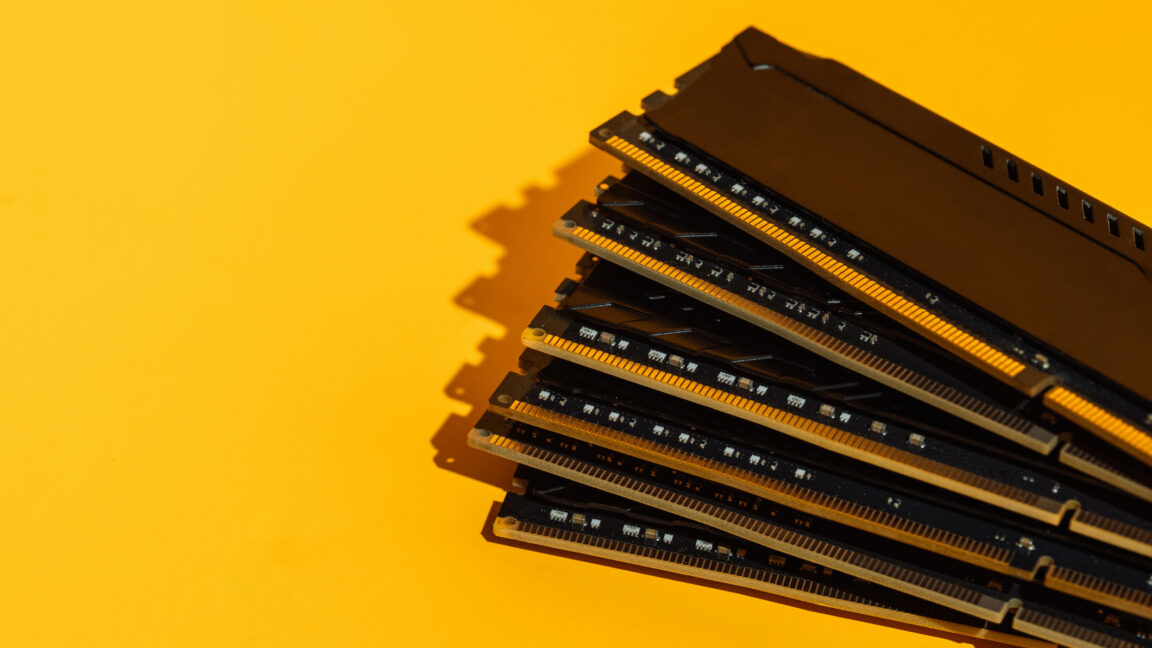
HP: RAM Costs Accounted for 15-18% of PC Bill of Materials
PC manufacturer HP has revealed that Random Access Memory (RAM) represented a notable portion of its personal computer manufacturing expenses during the last fiscal quarter. The company stated that RAM components comprised approximately 15 to 18 percent of the total PC costs for that period.
Key takeaways
- RAM accounted for 15 to 18 percent of HP's PC costs in the last quarter.
- This percentage highlights RAM's significant contribution to the overall bill of materials for PCs.
- The disclosure provides insight into a major component's impact on manufacturing expenses.
- Understanding such cost breakdowns is crucial for analyzing PC market dynamics and pricing strategies.
What happened
According to a statement made by HP, as reported by Ars Technica, the cost of RAM constituted between 15 and 18 percent of the total expenses associated with producing a personal computer in the previous quarter. This figure offers a direct insight from a leading PC vendor regarding the allocation of component costs within its product lines. The information was attributed directly to HP, indicating an official disclosure regarding its PC manufacturing economics.
Why it matters
The proportion of a key component like RAM within the overall bill of materials (BOM) for a PC is a critical metric for both manufacturers and industry observers. Component costs directly influence a company's profit margins, pricing strategies for end-users, and competitive positioning in the market. When a single component, such as RAM, accounts for a substantial percentage—as high as 18 percent—it signifies its significant leverage over the final product cost.
For HP, understanding and managing this cost is paramount for maintaining profitability and market share. Fluctuations in RAM pricing can profoundly impact a company's financial performance, leading to adjustments in product specifications, pricing, or supply chain management. This insight into HP's PC costs underscores the inherent complexities in hardware manufacturing and the constant balancing act required to deliver competitive products while managing component expenses effectively.
Key details / context
HP's statement specified that the 15 to 18 percent figure related to
Related articles

Netflix is laying off around 1,000 employees: Layoffs — Key Details
Netflix is laying off approximately 1,000 employees, or six percent of its global workforce, in its largest-ever job cut. This move targets product, tech, HR, and legal teams to reduce costs and re-prioritize investments despite recent financial growth.
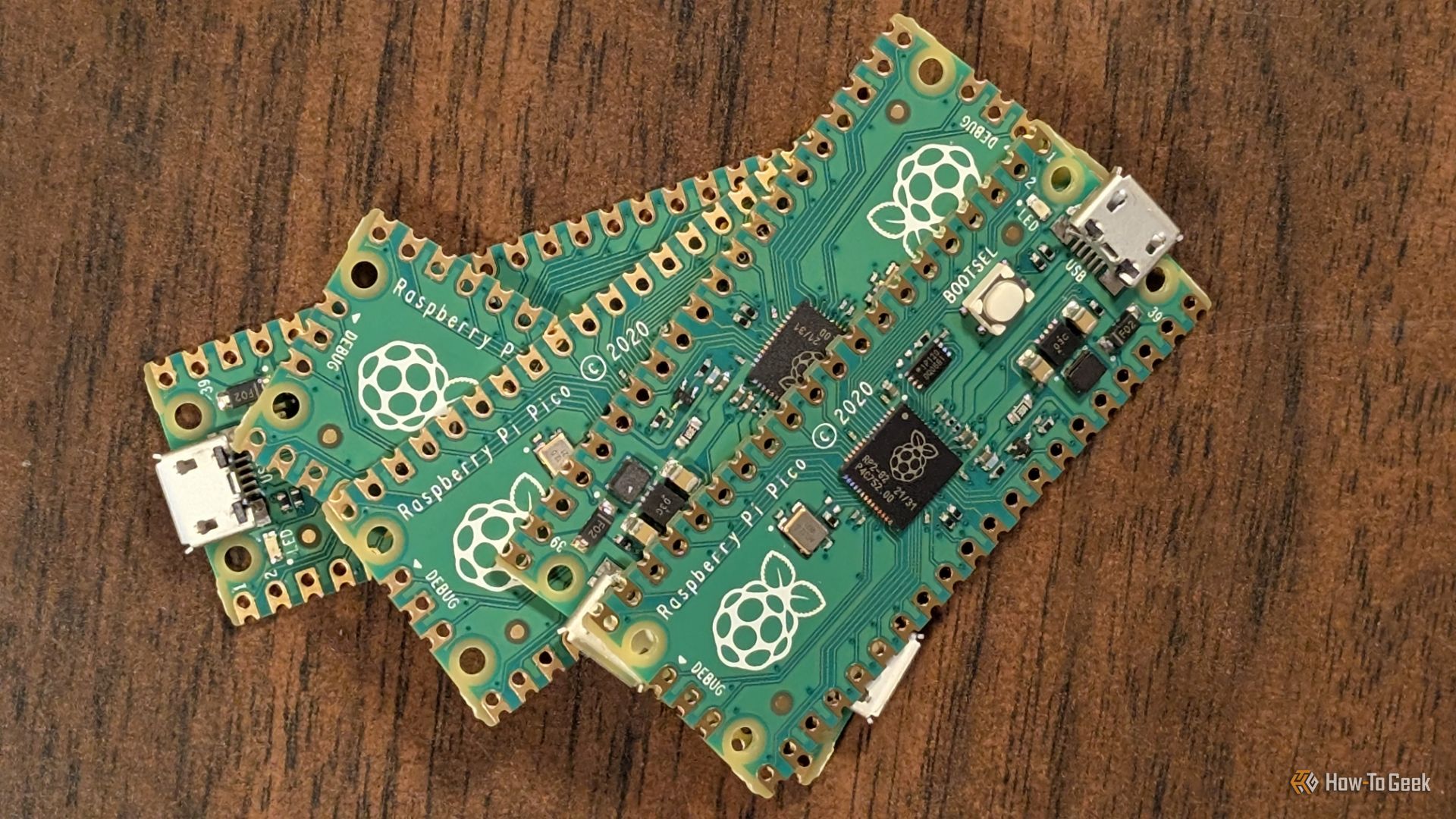
Cut Costs: Replace 3 Subscriptions with a $5 Pi Pico 2
Modern technology, while convenient, often comes with a hidden cost: recurring subscriptions. Features that feel like they should be standard or run locally now frequently demand a monthly fee. But what if you could
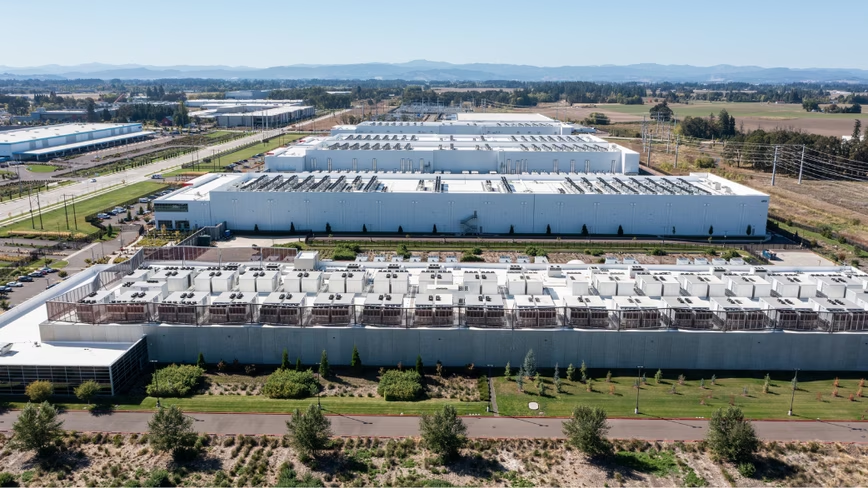
startups: Law firm Quinn Emanuel maps how AI data centre debt could
Litigation firm Quinn Emanuel warns of potential lawsuits stemming from the AI data center debt boom, citing rapid AI chip depreciation and interconnected financing risks. A client alert names Google, Meta, CoreWeave, and Oracle deals as flashpoints, highlighting concerns over off-balance-sheet debt.

The maker of non-text AI model Jev valued at $7.5B just weeks after
TypeSafe AI, the creator of the non-text AI model Jev, has achieved a $7.5 billion valuation following a massive $870 million funding round led by Andreessen Horowitz. Launched just weeks ago, Jev quickly went viral, attracting a third of Fortune 500 companies with its unique approach to automation that is faster and more efficient than traditional LLMs.

OpenAI's Revenue Projections Reportedly Drop by $20 Billion
OpenAI has reportedly told investors its annualized revenue is nearing $50 billion, a significant $20 billion less than previous projections. This update highlights pressures on the AI giant to justify massive investments and comes amidst a delayed IPO.

Pinterest’s AI now turns beauty Pins into action plans: Apps — Key
Pinterest has launched "Beauty Guides," an AI-powered feature that converts saved hair and nail Pins into actionable salon plans. Utilizing Pinterest Intelligence, it provides professional terminology, estimated costs, appointment times, and maintenance details, enhancing user-stylist communication and planning.