
How Keurig saved — and ruined — your coffee: K-Cups — Key Details
Keurig's single-cup brewers revolutionized convenience but created an environmental dilemma with K-Cups and potentially lowered coffee quality standards. A new *Version History* podcast episode unpacks this complex legacy, examining the trade-offs between innovation and its societal and ecological costs.

The Dual Legacy of Keurig: Convenience at a Cost
Keurig's single-cup brewing technology once promised a revolution in daily coffee consumption, delivering fresh, personalized cups with unprecedented convenience. However, a recent episode of The Verge's Version History podcast explores the complex legacy of the ubiquitous Keurig machine and its K-Cups, revealing how this innovation simultaneously rescued millions from subpar office coffee while inadvertently contributing to a host of environmental problems and shifting our understanding of coffee quality.
The Rise of Unmatched Convenience
Before Keurig became a household name, the typical office coffee experience was synonymous with mediocrity — often burned, stale, and inconsistently brewed. The advent of the single-cup brewer offered an "elegant solution" to this widespread problem, empowering individuals to prepare their preferred brew on demand, precisely when they needed it. This powerful combination of personalization and speed propelled Keurig machines and K-Cups into widespread adoption, first dominating American workplaces, then quickly permeating homes across the nation. This rapid ubiquity underscored a deep-seated desire for efficiency in daily routines.
The Environmental Backlash
Despite its initial appeal, Keurig's convenience came with a significant and increasingly apparent environmental cost. The core of its system, the plastic K-Cup, is designed for single use, leading to an enormous accumulation of non-biodegradable waste. This issue sparked widespread public outcry, including prominent campaigns like "Kill the K-Cup," which highlighted the pods' severe ecological footprint. The controversy escalated when Keurig faced charges from the SEC in 2024, settling claims related to "inaccurate" statements about the recyclability of its coffee pods, underscoring the deep challenges the company faced in addressing its waste problem.
Impact on Coffee Culture and Quality
Beyond the environmental debate, Keurig's dominance also subtly reshaped broader coffee culture. The emphasis on instantaneous gratification and ease of use, while appealing, often overshadowed the finer points of coffee preparation and appreciation. Critics argue that the ultra-convenient K-Cup system, despite its widespread adoption, may have inadvertently lowered consumer standards for taste and brewing quality. This nuanced perspective is explored in the Version History episode by Verge editor-at-large David Pierce, joined by Eater's Melissa McCart and champion barista Morgan Eckroth, who collectively dissect how K-Cups altered the collective relationship with coffee.
Keurig's Evolving Strategy
In light of these criticisms and shifting consumer values, Keurig has continuously sought to evolve its products and address its contentious legacy. The company has invested in efforts to improve the recyclability of its pods, although these efforts have met with mixed results and ongoing scrutiny. Furthermore, Keurig continues to innovate with new offerings like the K-Brew and Chill coffee maker, which caters to the growing demand for iced beverages, demonstrating its commitment to staying relevant in a dynamic market. This ongoing balancing act reflects Keurig's challenge to reconcile its pioneering role in coffee convenience with the increasing call for sustainability and gourmet quality.
The Version History Perspective
This in-depth exploration of Keurig's technological and cultural impact is featured as part of the fourth season of Version History, a podcast that delves into the hidden stories behind iconic smart home gadgets. Previous episodes this season have examined the history and influence of devices such as the Harmony remote, the Roomba vacuum, and the Nest thermostat. Listeners interested in understanding the full scope of Keurig's journey can find the full episode, and other smart home stories, across various podcast platforms and The Verge's digital channels.
FAQ
Q: How did Keurig initially "save" coffee? A: Keurig solved a common problem of consistently bad office coffee by introducing single-cup brewers. This allowed individuals to make a fresh, personalized cup on demand, bringing convenience and a better experience compared to traditional brewing methods.
Q: What are the primary criticisms against Keurig and K-Cups? A: The main criticisms revolve around the environmental impact of single-use plastic K-Cups, which contribute significantly to waste. Keurig has also faced accusations of making "inaccurate" recycling claims. Additionally, some argue that the focus on ultra-convenience may have led to a decline in overall coffee quality standards and a diluted coffee culture.
Q: Has Keurig attempted to address these issues? A: Yes, Keurig has made efforts to reckon with its environmental impact, though these attempts have faced scrutiny. The company also continues to innovate its product line, such as with the K-Brew and Chill coffee maker, to adapt to evolving consumer preferences and remain relevant in the broader coffee market.
Related articles

Apple Unveils iPhone Duo: Pricey Foldable Sees Soaring Demand
Apple has officially entered the foldable smartphone arena with the long-anticipated launch of the iPhone Duo. Priced starting at a hefty $1,999, the device features a 5.4-inch outer display and a larger 7.6-inch inner

in-depth: Chicago-Area Cops Helped HSI Spy on Minnesota Anti-ICE
Chicago-area law enforcement, including local police and HSI agents, conducted undercover surveillance on Minnesota anti-ICE activists at an April 2, 2022, talk in Chicago. This operation was part of a federal conspiracy probe into 15 Minnesota activists facing felony charges related to immigration enforcement resistance. Civil liberties advocates have condemned the surveillance as a troubling intrusion into protected political activity.
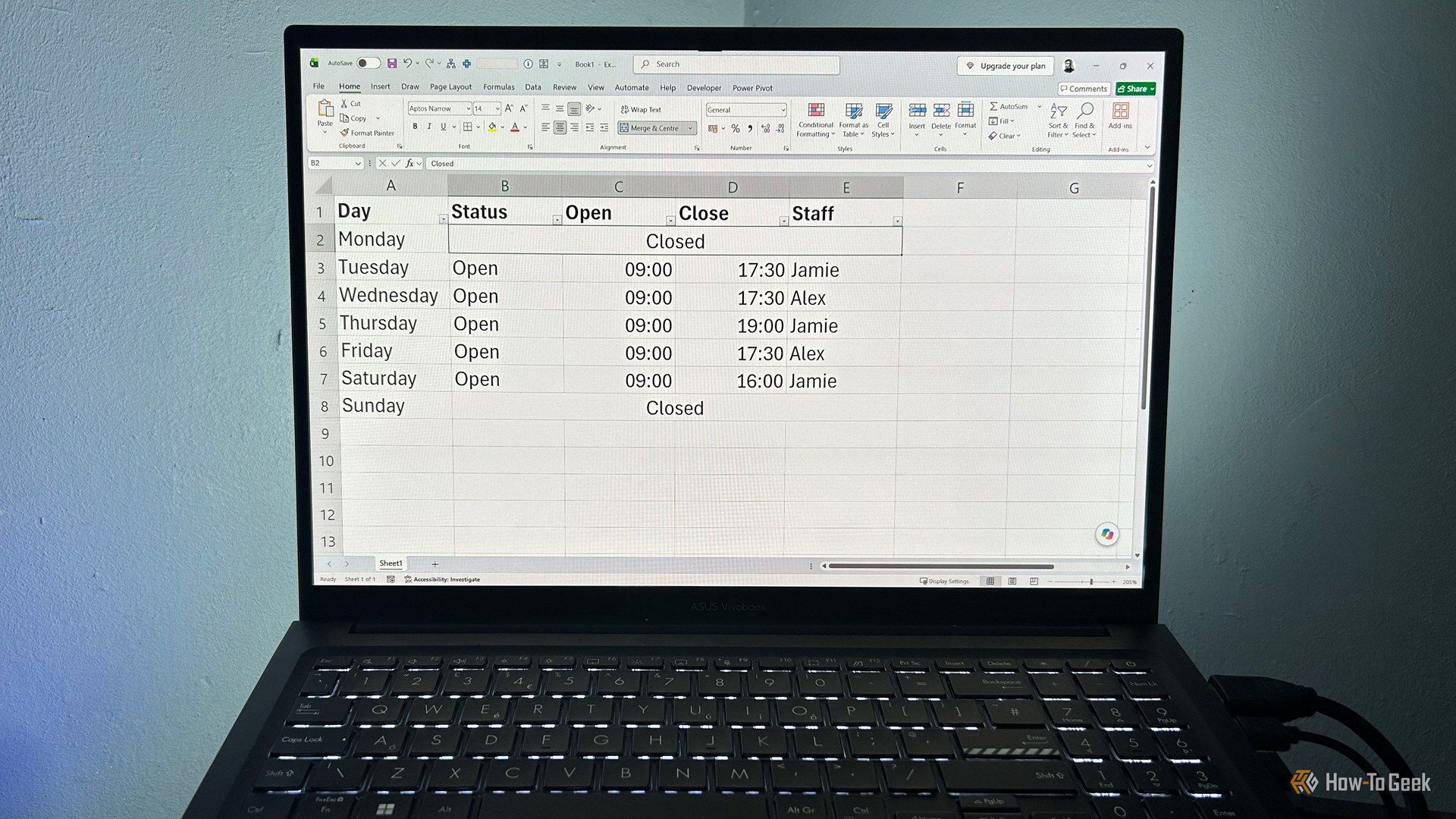
Ditch Merge & Center: The Better Way to Align Text in Excel
Learn to use Excel's "Center Across Selection" to align text across cells without merging, avoiding common data manipulation issues. This guide provides steps to utilize this newly accessible feature and add it to your Quick Access Toolbar.

Mark Wahlberg on using AI in film ‘the right way’ and being open to
Actor Mark Wahlberg believes AI has a place in filmmaking if used responsibly for enhancement, not script generation or actor replacement. At TechCrunch Disrupt, he expressed openness to an AI likeness carrying on his legacy, managed by his family, and emphasized storytelling.
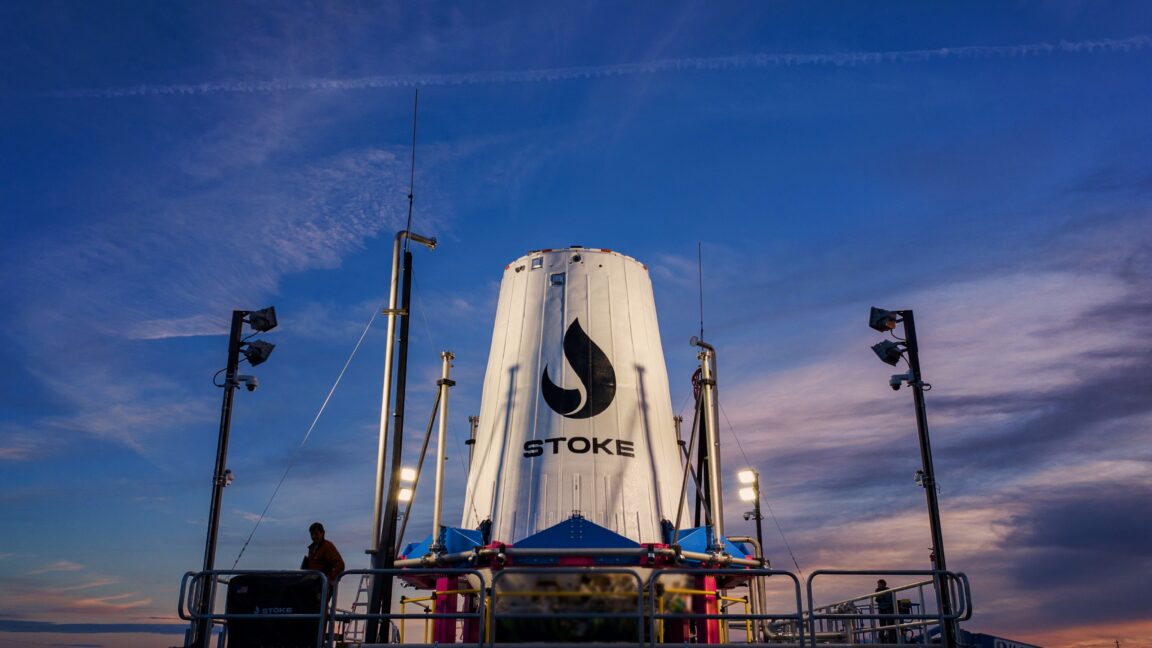
Ars Technica's Rocket Report: Your Essential Space Industry Briefing
Quick Verdict Ars Technica's Rocket Report, presented by veteran space reporter Stephen Clark, offers an invaluable and meticulously organized weekly (or similar frequency, implied by "Edition 9.15") digest of the most

Tesla Unveils Thruster-Equipped Roadster, 2028 Production Targeted
Tesla has unveiled its second-generation Roadster, featuring cold-gas thrusters co-developed with SpaceX, enabling it to jump and flip. The electric sports car demonstrated 0-60mph in an astonishing 0.81 seconds, with production targeted for 2028. This highly anticipated reveal also serves as a key recruitment tool for Tesla's ambitious AI and robotics initiatives.