
Hbada X7: AI-Driven Lumbar Support Redefines Ergonomics
The Hbada X7 Smart Ergonomic Chair offers an ambitious blend of AI-driven lumbar tracking and advanced therapeutic features. While its on-paper capabilities are impressive, many details regarding real-world performance, usability, and price remain to be seen.

For anyone spending long hours at a desk, the familiar ache of back and neck pain is a persistent companion. Many chairs claim ergonomic benefits, but Hbada asserts that static support isn't enough for the modern worker. Drawing on 16 years of expertise, the company introduces the Hbada X7 Smart Ergonomic Chair, positioning it as the world's first AI-powered lumbar tracking ergonomic chair. It promises not just comfort, but active intervention, dynamically adapting to your body's needs throughout the day. This review delves into the innovative features and what they mean for your workspace well-being.
The AI Difference: Dynamic Lumbar Support
At the heart of the Hbada X7's innovation is its AI-assisted lumbar tracking system. Unlike traditional ergonomic chairs that offer fixed adjustments, the X7 is designed to constantly adapt to your posture. Inspired by high-end robotics and automotive engineering, it incorporates an auto-grade computing chip and microsecond Hall magnetic sensors. These components work together, sampling posture and pressure distribution a thousand times per second. Whether you're leaning forward for focused work or reclining for a moment of relaxation, built-in high-precision linear motors respond instantly. These motors provide 50mm of electric depth extension and 10 degrees of adaptive deflection, ensuring your lumbar region receives consistent, targeted support. The goal is for the chair to act as a "bionic extension" of your back, maintaining even pressure distribution as you move, a significant departure from static lumbar pillows or manual adjustments.
Beyond Support: Therapeutic Features
The Hbada X7 goes beyond mere support, integrating a comprehensive "full-spectrum physiotherapy system." This includes an 8D Bionic Massage system featuring dual-core massage nodes that are designed to mimic a physiotherapist's hands, extending automatically for deep kneading and retracting when not in use. To further aid recovery and reduce muscle tension, especially in the lower back, the chair incorporates a Thermotherapy system. This system maintains a controlled heat output between 45-54°C, aiming to improve blood circulation. Recognizing that heat isn't always desirable, the X7 also features a dual-fan cloud ventilation system. With 3,000 RPM fans capable of moving 810,000 cubic centimeters of air per minute, it actively cools the seat, preventing the "hot-seat effect" and allowing users to remain focused without discomfort, even during extended sessions.
Thoughtful Design & User Experience
Beyond its core intelligent functions, the Hbada X7 incorporates several thoughtful design elements to enhance the user experience. The armrests, for example, offer a 720-degree omnidirectional rotation and 55 millimeters of depth adjustment, providing ample flexibility for various tasks, from intensive typing to casual phone scrolling. For those prone to prolonged static sitting, a Smart Alert system provides gentle nudges when it detects long spells of sedentary posturing, promoting healthier movement habits. When it's time for a proper break, the chair offers a substantial 140-degree recline adjustment. Its auto gravity-sensing chassis ensures stability and safety even in a fully reclined position, dynamically balancing weight distribution to prevent tipping or sliding. This feature is intended to facilitate deep rest and mental recovery, directly contributing to sustained productivity.
Build Quality & Certifications
Durability and safety are also central to the Hbada X7's proposition. The chair adheres to UL laboratory fire safety standards and has received FCC electromagnetic interference certification. Furthermore, it has passed stringent quality and durability assessments, earning the BIFMA X5.1 certification. This certification is a strong indicator of the chair's robust construction and is stated to promise a hassle-free operational life of up to 10 years. These certifications suggest a commitment to high manufacturing standards, offering peace of mind regarding the product's longevity and reliability.
The Unseen Aspects: A Balanced Look
While the specifications and features of the Hbada X7 are undoubtedly impressive on paper, presenting a vision of the future of office ergonomics, a truly comprehensive assessment requires more information that isn't provided in the source material. Crucially, the price point remains undisclosed. Given the advanced AI, specialized motors, and medical-grade therapeutic systems, it's reasonable to expect this chair will occupy a premium segment of the market. Without this detail, it's challenging for a consumer to weigh its value against its cost.
Furthermore, the actual user experience in day-to-day scenarios is not described. How seamlessly does the AI adapt? Is the massage relaxing or intrusive? How effective is the cooling system in practice? Such nuanced details are critical for understanding how these sophisticated features translate into real-world comfort and support.
Other practical considerations, like power requirements (is it battery-powered or wall-powered?), potential noise levels from the motors and fans, or whether there's a companion app for fine-tuning settings, are also absent. The source highlights the engineering triumphs and intended benefits but leaves out the sensory and practical details that would inform a buyer's decision. Therefore, while the Hbada X7 appears to be an investment in advanced well-being and productivity, a hands-on review would be necessary to fully evaluate its claims and understand its everyday practicality.
Buying Recommendation
The Hbada X7 Smart Ergonomic Chair represents a bold leap in office ergonomics, moving from static support to dynamic, AI-driven adaptation. For creative professionals, IT specialists, academics, or anyone logging extensive hours at a desk and suffering from or seeking to prevent ergonomic discomfort, the X7's blend of adaptive lumbar support, bionic massage, thermotherapy, and active cooling offers a compelling proposition. Its robust certifications and scientific backing further bolster its appeal as a long-term investment in health and productivity.
However, prospective buyers should acknowledge that this analysis is based on product claims and technical specifications. The true test of its innovation will be in its real-world performance, comfort, and the undisclosed price. If you prioritize cutting-edge technology, dynamic adaptive support, and integrated therapeutic features, and are prepared for what is likely a premium investment, the Hbada X7 could be a transformative upgrade for your workspace. For those seeking a more conventional, proven ergonomic solution or working with a strict budget, waiting for more details and independent reviews might be a more prudent approach.
FAQ
Q: What makes the Hbada X7's lumbar support system unique?
A: The Hbada X7 features an AI-assisted lumbar tracking system that uses an auto-grade computing chip and microsecond Hall magnetic sensors. It samples your posture and pressure distribution hundreds of times per second, dynamically adjusting the lumbar support with 50mm of electric depth extension and 10 degrees of adaptive deflection. This ensures constant, real-time support as you move, unlike static ergonomic chairs.
Q: Does the Hbada X7 offer any therapeutic features?
A: Yes, it includes a full-spectrum physiotherapy system. This comprises an 8D Bionic Massage with dual-core nodes that mimic a physiotherapist's hands, a Thermotherapy system maintaining 45-54°C for blood circulation, and a dual-fan cloud ventilation system for cooling, preventing the "hot-seat effect" during long sessions.
Q: How durable and safe is the Hbada X7 chair?
A: The Hbada X7 is built with durability and safety in mind, adhering to UL laboratory fire safety standards and holding an FCC electromagnetic interference certification. It has also passed rigorous quality and durability tests, earning the BIFMA X5.1 certification, which indicates a projected operational life of 10 years.
Related articles
Android 17 QPR2 Beta 7.1: The Performance Relief You've Been Waiting
Android 17 QPR2 Beta 7.1: Finally Fixing the QPR1 Performance Woes Verdict: Android 17 QPR2 Beta 7.1 is a crucial and highly anticipated software update for Google Pixel users, specifically targeting and resolving the

DJI Solo Video Setups: Smart Choices for Lone Creators
This review delves into DJI's recommended solo video setups, highlighting the Osmo Pocket 3 Creator Combo as a top pick for its integrated camera, gimbal, and mic. It also covers stabilizers like the Osmo Mobile 8 and RS 4, and the DJI Mic Mini series for enhanced audio, providing honest pros, cons, and clear buying advice.

Ars Technica's Rocket Report: Your Essential Space Industry Briefing
Quick Verdict Ars Technica's Rocket Report, presented by veteran space reporter Stephen Clark, offers an invaluable and meticulously organized weekly (or similar frequency, implied by "Edition 9.15") digest of the most
Apple iPhone Duo: A Daring Debut with Notable Compromises
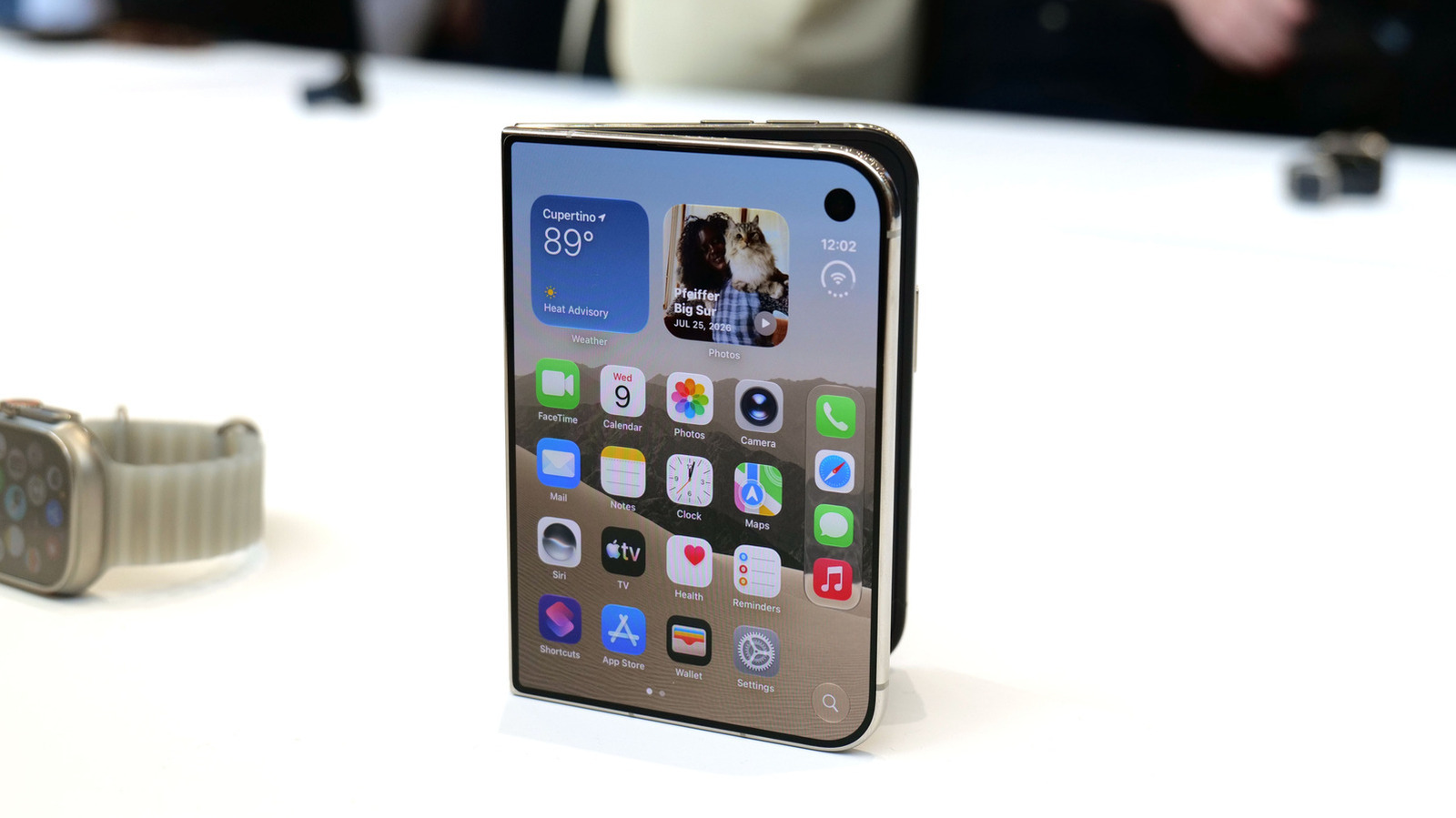
Apple's highly anticipated iPhone Duo, priced at $2,000, has gone on pre-order. While hailed as "Apple's most exciting device in a decade" for its innovative foldable design and immersive display, it comes with significant drawbacks like the absence of FaceID and a premium camera.

AI's Confidence vs. Formal Methods' Rigor: Design Flaws & Verification
While AI accelerates code generation, formal methods remain critical for ensuring system correctness. Languages like TLA+ and tools like Quint enable developers to model and verify system designs before coding, catching subtle flaws. Quint makes formal methods more accessible with developer-friendly syntax and executability. This approach is vital for verifying AI-generated code through trace validation and model-based testing, ensuring reliability against real-world data.
Amazon Prime Video Launches AI-Powered Prime 360 for NBA Coverage
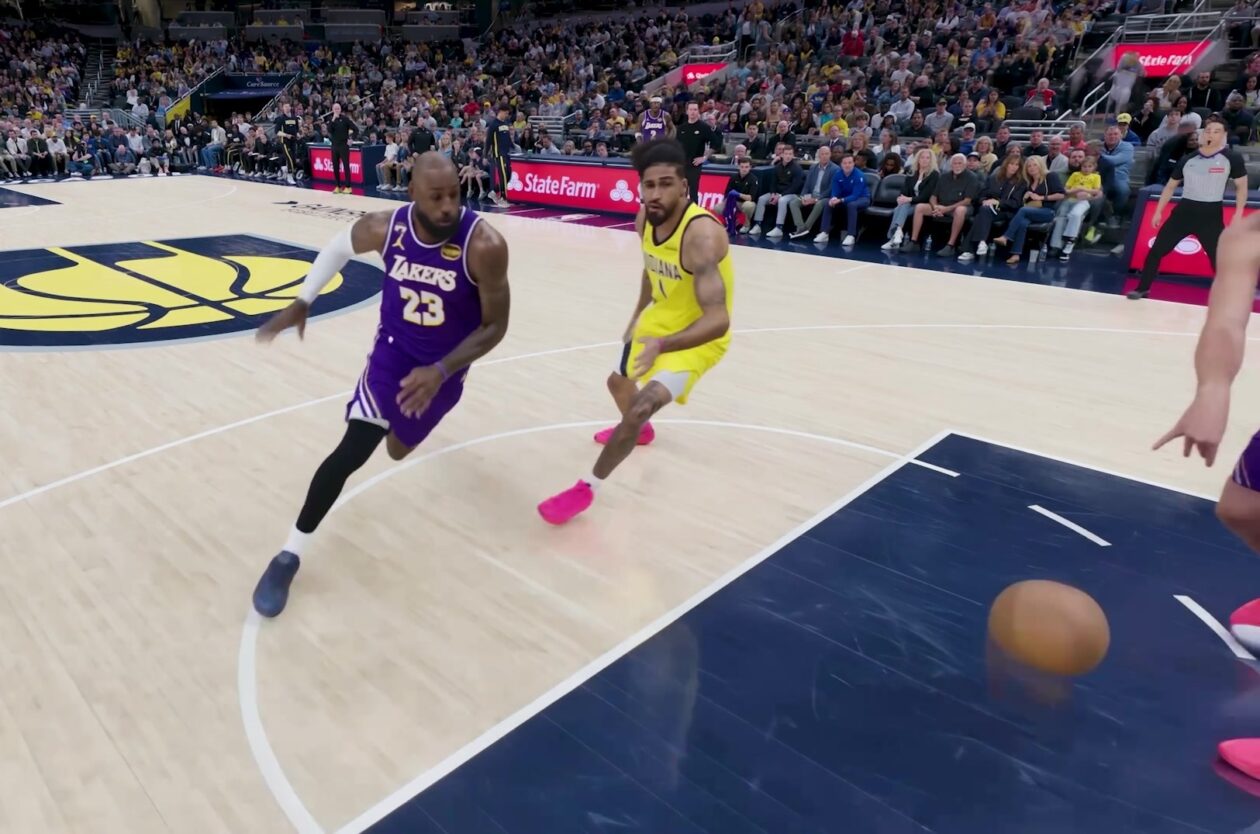
Amazon Prime Video is elevating its NBA coverage with the introduction of Prime 360, an AI-powered replay system offering immersive, 'fly through' views of the action. Kicking off its second season, Prime Video also adds Yahoo fantasy integration and gains exclusive Eastern Conference Finals rights, expanding its tech-driven sports broadcast. The new features aim to deliver a unique and interactive viewing experience for basketball fans.