
Hasbro CEO Swears Off AI for Magic & D&D – Fans Rejoice
Hasbro CEO Chris Cocks has emphatically stated that AI tools will never be used for Dungeons & Dragons or Magic: The Gathering, offering significant relief to concerned fans. While AI is crucial for other Hasbro brands to accelerate product development, Cocks affirms the human element remains paramount for WotC's flagship IPs, acknowledging community preference.
In a world increasingly dominated by artificial intelligence, from image generators to creative writing assistants, the question of AI's role in our beloved games has been a hot-button topic. For fans of Dungeons & Dragons and Magic: The Gathering, the very idea of an algorithm crafting their next spell or shaping the lore of their favorite planes has been met with a healthy dose of skepticism, if not outright concern. So, when Hasbro CEO Chris Cocks sat down for an interview on The Verge’s Decoder podcast, his comments on AI's future with Wizards of the Coast’s flagship brands sent a collective wave of relief through the tabletop gaming community.
Cocks, who took the helm as CEO in February 2022, was unequivocal: AI tools will never be used for Dungeons & Dragons and Magic: The Gathering. This isn't just a casual promise; it’s a declared policy that explicitly keeps AI out of the design pipelines for these cherished IPs, including their associated video games. Coming from the head of the company, it’s about as solid an assurance as you can get, and it’s music to the ears of countless players and Dungeon Masters.
A Collective Sigh of Relief for the Coast
Let’s be honest, the whispers and worries have been growing louder. Especially with recent Universes Beyond Magic sets, where some players have speculated about art quality, the fear of AI-generated art creeping into our card frames and rulebooks has been a real one. Cocks' statement directly addresses these anxieties. He explicitly stated, “There are some brands that the audience, the creators, just don’t want it, so we don’t even have it in our pipelines for our video games or for Magic: The Gathering, or D&D.”
This isn’t just about avoiding a controversy; it’s about understanding the core relationship between these games and their communities. D&D and Magic thrive on creativity, narrative depth, and the human touch that brings worlds to life. Players invest countless hours and emotional energy into these universes, and the authenticity of their creation is paramount. To hear the CEO acknowledge that the audience and creators simply don’t want AI involved speaks volumes about Hasbro’s (or at least Cocks’s) understanding of what makes these brands special. It’s a powerful affirmation of the human element at the heart of our hobby.
Beyond the Tabletop: Hasbro's Broader AI Ambitions
While Magic and D&D are off-limits, it's crucial to understand that AI isn't being ignored by Hasbro altogether. Far from it. Cocks highlighted just how "crucial" AI tools have become to the wider company's workflow, especially in speeding up product development. He shared an incredible example: when the KPop Demon Hunters sensation exploded in June 2025, Hasbro was caught off guard, with little merchandise ready for the holiday season. Thanks to AI-enabled design tools, what would have taken two or three months to pitch full-featured products to Netflix was compressed into a mere two or three weeks, sometimes even days!
Hasbro designers have trained AI models with their in-house IP, even going so far as to program specific characters to act as "co-designers." Picture this: Peppa Pig herself helps design new Peppa Pig products. Optimus Prime weighs in on Transformers merchandise. Cocks even shared a fun anecdote about Optimus Prime and Megatron acting as DJs in the Hasbro office, with Optimus delivering soulful reasons for songs and Megatron mocking you for not picking thrash rock! It's a vivid picture of how deeply integrated AI has become in other parts of Hasbro's creative process, dramatically accelerating concept-to-product timelines.
The Human Touch Remains Paramount (Even with AI Everywhere Else)
Despite this widespread adoption of AI tools within the company, Cocks was quick to temper expectations about AI’s inherent creativity. He referred to the AI-driven creative process as "a bit of garbage in, garbage out," acknowledging that out of a thousand AI-generated ideas, perhaps only one might truly be "magical." This critical perspective is important. It underscores that while AI can generate volume and speed, it's still the human designers who inspire the truly good ideas, filter the noise, and ultimately follow through on the vision. The AI is a powerful assistant, not a replacement for genuine human ingenuity and artistic direction.
A DM's Personal AI Toolkit (But Not for Official D&D!)
Perhaps one of the most intriguing insights came when Cocks discussed his personal AI usage. As a self-proclaimed D&D enthusiast who DMs three or four groups, Cocks admitted he uses AI frequently for his personal passion projects. “There is so much AI-based animation, images, text, sound effects, and voice cloning on my PC, it would floor you,” he shared. This reveals a nuanced view: AI can be an incredibly powerful tool for individual creators and Dungeon Masters looking to enhance their home games or personal projects.
However, he drew a crystal-clear line, emphasizing, “I don’t do that for our products.” This distinction is vital. It shows that Cocks understands the utility and potential of AI as a creative aid, but also respects the boundaries and expectations of the D&D and Magic communities when it comes to official, published content. It reinforces the commitment that what he uses to spice up his personal campaign isn't what's going into your next Magic booster pack or D&D adventure module.
Why This Promise Matters to Enthusiasts
For an enthusiast audience, this pledge isn't just about technology; it's about trust, legacy, and the very soul of these games. Magic: The Gathering and Dungeons & Dragons are built on rich lore, evocative art, and meticulous game design – elements that players feel are best cultivated through human imagination and skill. The concern isn't just about a "bad" AI image; it's about the potential erosion of authenticity, the feeling that the heart might be taken out of the creation process. By explicitly stating AI won't be used, Hasbro is signaling that they understand and value these deep-seated sentiments. It reaffirms the human artistry and craftsmanship that have defined these games for decades, giving players confidence that their cherished hobbies will continue to be shaped by passionate people, not algorithms.
Verdict: A Win for the Players
In an age where AI is rapidly changing creative industries, Hasbro's firm stance on D&D and Magic: The Gathering is a significant victory for the enthusiast community. CEO Chris Cocks' promise provides clarity and reassurance, quashing speculation and upholding the artistic integrity that fans demand. While AI will undoubtedly continue to be a transformative force elsewhere within Hasbro, knowing that the sacred halls of Wizards of the Coast's premier IPs will remain untouched by generative AI for creative work offers a deep sense of relief. It’s a testament to listening to the community and prioritizing the unique human element that makes D&D and Magic truly magical. For now, we can all breathe a little easier, knowing our dragons will be drawn by human hands and our spells conjured by human minds.
FAQ
Q: Has Hasbro never used AI for Magic or D&D?
A: According to CEO Chris Cocks, "neither Magic nor D&D have ever used AI," and he intends to keep it that way for official products, including their video games.
Q: Where does Hasbro use AI, then?
A: Hasbro extensively uses AI for faster product development in other brands like Peppa Pig, Optimus Prime, and quick-turnaround merchandise for new IPs like KPop Demon Hunters. It helps designers rapidly prototype ideas and accelerate concept-to-product timelines.
Q: Is Hasbro's CEO anti-AI in general?
A: Not at all! Chris Cocks uses AI frequently for his personal D&D campaigns, leveraging AI-based animation, images, text, sound effects, and voice cloning to enhance his DMing experience. However, he draws a clear line between personal use and official product development for Wizards of the Coast IPs.
Related articles
The One Zero Company Achievement That Got Away From Me
Star Wars Zero Company is a stellar turn-based tactics game, but the author is playfully irked by one missing achievement: a reward for completing the game without losing any squad members to its brutal permadeath system. Despite this minor gripe, the game is lauded as one of the year's best, showcasing deep strategic gameplay.

Ace Combat 8 Takes Flight with Star-Studded Prequel Series
Ace Combat 8: Wings of Theve is launching soon, but not before a live-action prequel miniseries, Hour Zero, drops exclusively on IGN. Starring Josh Holloway, Brandon Routh, and Tamlyn Tomita, this four-part show will build narrative context for the game's campaign, starting September 15. Holloway shared his renewed love for gaming and a desire to adapt games into movies.

Onimusha: Way of the Sword Prequel Webtoon Unleashes Genma Lore
Onimusha: Way of the Sword, a 10/10 masterpiece, has an official prequel webtoon, "Fated Rivalry," now available for free on Webtoon. This canonical story follows Sasaki Ganryu's quest for vengeance and the discovery of an Oni Gauntlet, directly leading into the game's events.
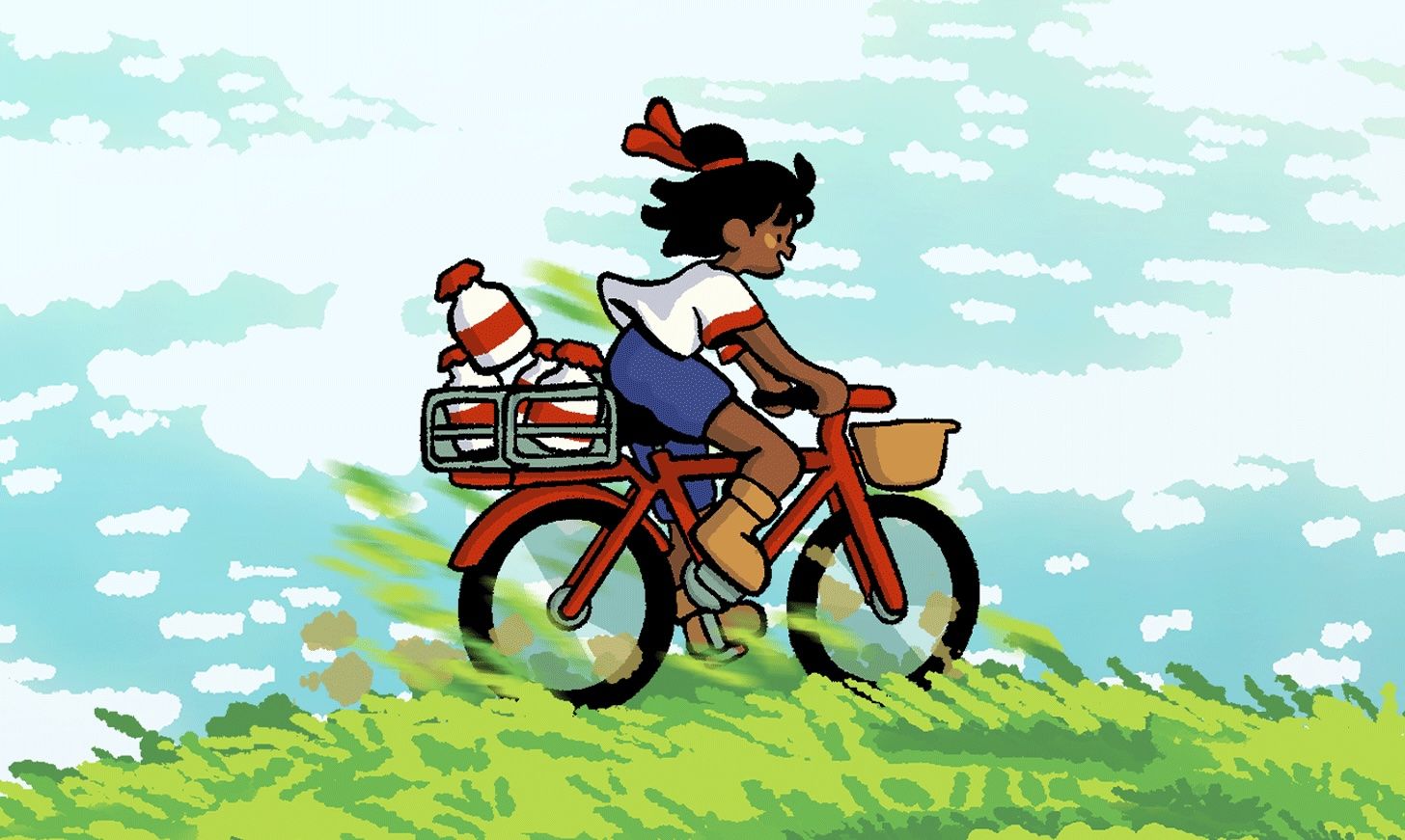
Milki Delivery: Ghibli Charm Hides a Surprisingly Dark Secret
Milki Delivery is a charming, Ghibli-inspired cozy game about a girl delivering milk with her pet cow. Beneath its wholesome exterior, a subtle mystery unfolds around the disappearance of other cows and the rebuilding of community bonds.

Who's This Mysterious New Face Crashing Danganronpa 2x2's Party
Danganronpa 2x2 is bringing an enhanced remake of Goodbye Despair with a new "Slayhem" route. The latest trailer for the January 14 release revealed a mysterious new character, affectionately dubbed "John Danganronpa" by fans. His identity and role are unknown, with speculation ranging from a new protagonist to a fresh antagonist, adding more chaos to Monokuma's twisted game.
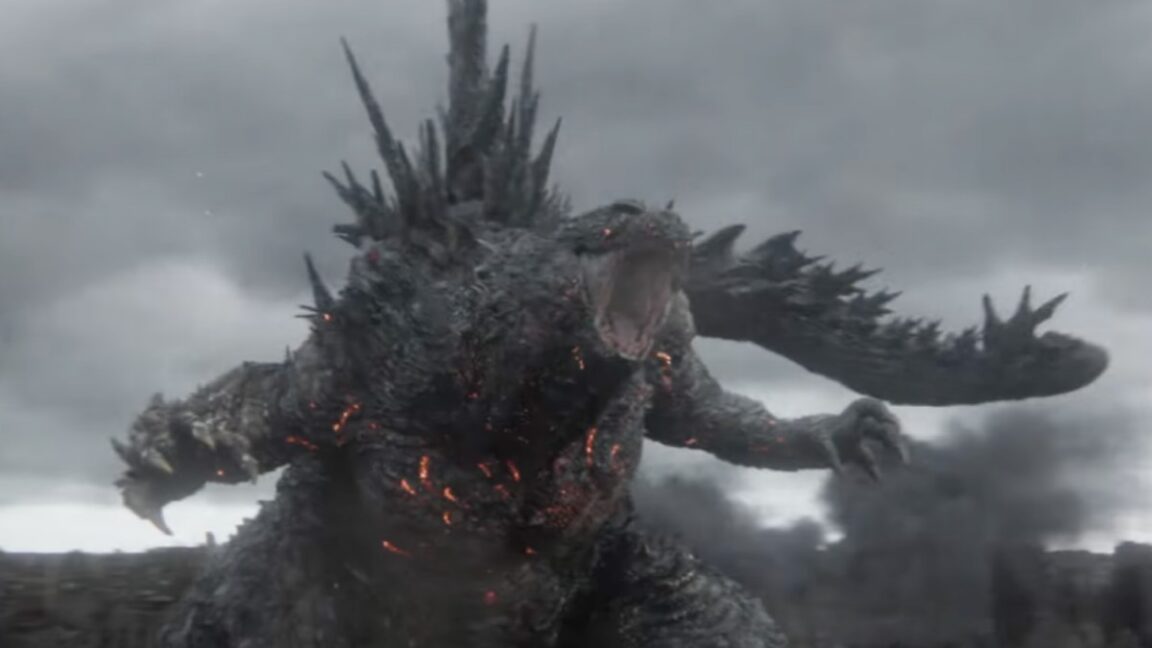
Godzilla Minus Zero IMAX Trailer: A Roaring Success for Kaiju Fans
Verdict: A Monumental Return with a Legendary Tease The IMAX trailer for Toho’s highly anticipated sequel, Godzilla Minus Zero, delivers a powerful punch, confirming the return of director Takashi Yamazaki and teasing