
Google Wallet Autofill: Seamless Form Filling for Mobile
Verdict: A Small Update with Major Impact Mobile form filling is a universally loathed chore, often involving a frustrating dance between tiny keyboards and multiple apps. Google's latest upgrade to Chrome's Autofill,

Verdict: A Small Update with Major Impact
Mobile form filling is a universally loathed chore, often involving a frustrating dance between tiny keyboards and multiple apps. Google's latest upgrade to Chrome's Autofill, integrating directly with Google Wallet on both Android and iOS, is precisely the kind of practical innovation we need. It’s not flashy, it won’t make headlines like the latest AI breakthrough, but by allowing users to effortlessly pull passport numbers, driver's licenses, loyalty card details, and even vehicle information from their digital wallet, it promises to save significant time and reduce considerable friction. This is a genuinely helpful feature that transforms tedious tasks into quick taps, enhancing the overall mobile experience in a meaningful way.
Key Details: What the Wallet Integration Offers
Google Wallet, traditionally seen as a hub for payment cards, is rapidly evolving into a comprehensive digital identity and credential platform. This new Autofill capability leverages that expanded role, making a wide array of personal and travel-related data readily accessible. Users can now expect Chrome on their mobile devices — both Android and, notably, iOS — to intelligently suggest and populate form fields with information stored within Google Wallet.
Specifically, the update brings support for automatically filling in travel essentials like passport numbers and Known Traveler Numbers, crucial for flight check-ins and travel applications. For those on the go, it extends to vehicle identification numbers (VINs) and license plate details, simplifying car rentals or parking reservations. Beyond these, general loyalty card information and driver's license details are also part of the expanded autofill roster. The beauty here is in the consolidation: instead of rummaging through emails, old photos, or various standalone apps, all this sensitive, often-repeated information lives securely within your Wallet, ready to be deployed with minimal fuss.
This isn’t an entirely new concept; Chrome has been incrementally enhancing its Autofill over the past year to include some of these data types. However, the tighter integration with Google Wallet elevates its utility significantly, particularly on mobile where screen real estate and input methods make manual entry a particular pain point. The promise is a unified, consistent experience, regardless of whether you're an Android aficionado or an iPhone loyalist.
User Experience: The Silent Productivity Booster
In the world of tech, sometimes the most impactful features are the ones that quietly blend into the background, making life easier without demanding attention. Google Wallet's enhanced Autofill falls squarely into this category. The user experience is designed to be seamless: when you encounter a form field requiring information that resides in your Google Wallet – be it a passport number for an international flight or a loyalty ID for an online purchase – Chrome will present a suggestion. A simple tap on the relevant Wallet entry is all it takes, and the field is populated. This eliminates the arduous task of typing long, alphanumeric strings on a small touchscreen, a process prone to errors and frustration.
The real genius lies in its ability to tackle “complex info.” We’ve all been there, squinting at a driver’s license or a flight confirmation email, trying to accurately transcribe details into a mobile web form. This feature is a direct answer to that common annoyance. It’s not just about speed; it’s about reducing cognitive load and the potential for mistakes, thereby improving accuracy in critical transactions like flight bookings or official registrations.
What’s particularly commendable is Google’s commitment to platform consistency. By bringing this advanced functionality to both Android and iOS users running Chrome, they ensure that a broad swath of smartphone owners can benefit from the same streamlined experience. This cross-platform consistency is vital for a feature designed for ubiquitous web interaction.
Frankly, and as the original source astutely points out, this update often feels more immediately useful than many of the grander, more abstract AI features currently dominating tech conversations. While AI has its place, the tangible, everyday utility of a system that “simply works” to remove a common digital pain point is incredibly valuable. It’s the kind of feature that, once adopted, users will quickly forget they ever lived without, marking it as a sign of truly thoughtful mobile software development.
Pros and Cons: Weighing the Convenience
Pros:
- Significant Time Savings: Drastically cuts down on the time and effort required to fill out lengthy or complex forms on mobile devices.
- Reduced Frustration: Eliminates the annoyance of typing sensitive, often alphanumeric data on small smartphone screens.
- Enhanced Accuracy: Minimizes the potential for errors that can occur during manual data entry, especially with long identification numbers.
- Consolidated Data Access: Leverages Google Wallet as a central hub for various credentials beyond payment cards, making information management more efficient.
- Cross-Platform Consistency: Available on Chrome for both Android and iOS, ensuring a unified and accessible experience for a wide user base.
- Practical Utility: A "boring but brilliant" feature that delivers clear, everyday value, arguably surpassing the immediate usefulness of many abstract AI functions.
Cons:
- Reliance on User Adoption: Requires users to actively store sensitive personal and travel information within Google Wallet, which some may be hesitant to do.
- Form Compatibility: The effectiveness of Autofill can still depend on how well a website's form fields are coded and recognized by Chrome.
- Security Perceptions: While Google emphasizes secure storage, some users may have inherent privacy or security concerns about consolidating such a wide range of personal data in one digital wallet.
- Browser Specificity: This advanced autofill is specific to Chrome, meaning users of other mobile browsers won't benefit from this particular integration.
Buying Recommendation: A Must-Use Feature for Chrome Users
For anyone who regularly uses Google Chrome on their Android or iOS device and frequently encounters online forms requiring personal details, travel documents, or vehicle information, enabling and utilizing this Google Wallet Autofill upgrade is a no-brainer. It's a free enhancement to an already widely used browser and digital wallet service, offering a substantial boost to mobile productivity and convenience. While it does require a degree of trust in Google's security protocols for storing sensitive data, the benefits in terms of time saved and frustration avoided are considerable.
This isn't a product to buy, but a feature to adopt. If you value a smoother mobile experience and want to minimize the digital busywork of form filling, this integration is highly recommended. It represents Google's continued push to make its ecosystem more cohesive and user-friendly, turning Google Wallet into an indispensable tool for more than just payments.
FAQ
Q: What types of information can Google Wallet Autofill now handle?
A: The upgraded Autofill can now pull a wider range of information directly from Google Wallet, including passport numbers, driver's licenses, Known Traveler Numbers, vehicle identification numbers (VINs), license plate details, and loyalty card information. This makes tasks like flight check-ins, car rentals, and various online registrations much easier.
Q: Is this feature available for all mobile browsers?
A: No, this specific enhanced Autofill capability, which integrates directly with Google Wallet, is available for Google Chrome users on both Android and iOS devices. Users of other mobile browsers will not benefit from this particular integration.
Q: How secure is storing sensitive personal information in Google Wallet for Autofill?
A: Google emphasizes the secure nature of Google Wallet, designed to protect sensitive credentials. The feature is built on Chrome's Enhanced Autofill system, which controls when and how this data is accessed. Users maintain control over what information is stored and used, with the intention being to provide convenience without compromising security. However, as with any digital storage of personal data, users should always ensure their devices are secured with strong passwords and biometric authentication. Managers for privacy options are also available.
Related articles
Android 17 QPR2 Beta 7.1: The Performance Relief You've Been Waiting
Android 17 QPR2 Beta 7.1: Finally Fixing the QPR1 Performance Woes Verdict: Android 17 QPR2 Beta 7.1 is a crucial and highly anticipated software update for Google Pixel users, specifically targeting and resolving the

DJI Solo Video Setups: Smart Choices for Lone Creators
This review delves into DJI's recommended solo video setups, highlighting the Osmo Pocket 3 Creator Combo as a top pick for its integrated camera, gimbal, and mic. It also covers stabilizers like the Osmo Mobile 8 and RS 4, and the DJI Mic Mini series for enhanced audio, providing honest pros, cons, and clear buying advice.

Ars Technica's Rocket Report: Your Essential Space Industry Briefing
Quick Verdict Ars Technica's Rocket Report, presented by veteran space reporter Stephen Clark, offers an invaluable and meticulously organized weekly (or similar frequency, implied by "Edition 9.15") digest of the most

Apple iPhone Duo: A Daring Debut with Notable Compromises
Apple's highly anticipated iPhone Duo, priced at $2,000, has gone on pre-order. While hailed as "Apple's most exciting device in a decade" for its innovative foldable design and immersive display, it comes with significant drawbacks like the absence of FaceID and a premium camera.

AI's Confidence vs. Formal Methods' Rigor: Design Flaws & Verification
While AI accelerates code generation, formal methods remain critical for ensuring system correctness. Languages like TLA+ and tools like Quint enable developers to model and verify system designs before coding, catching subtle flaws. Quint makes formal methods more accessible with developer-friendly syntax and executability. This approach is vital for verifying AI-generated code through trace validation and model-based testing, ensuring reliability against real-world data.
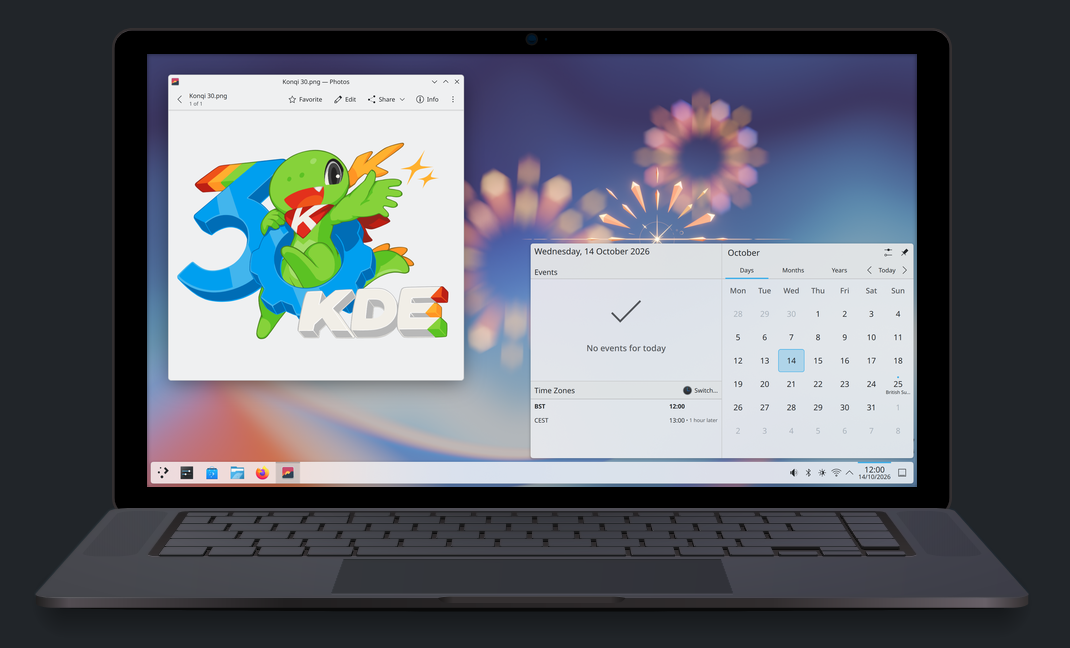
KDE Plasma 6.8: A Future-Focused 30th Anniversary Update
Quick Verdict KDE Plasma 6.8, arriving as the "30th Anniversary Edition," is a pivotal release that decisively pushes the desktop environment into the future. With a definitive farewell to native X11 sessions and a