
Google Search's AI: An Unexpected Detour to DuckDuckGo
Google Search's AI Overview is inadvertently directing users to DuckDuckGo's AI-free search page when they try to avoid AI results, undermining Google's ecosystem push and highlighting a strong user demand for choice and control over AI features.
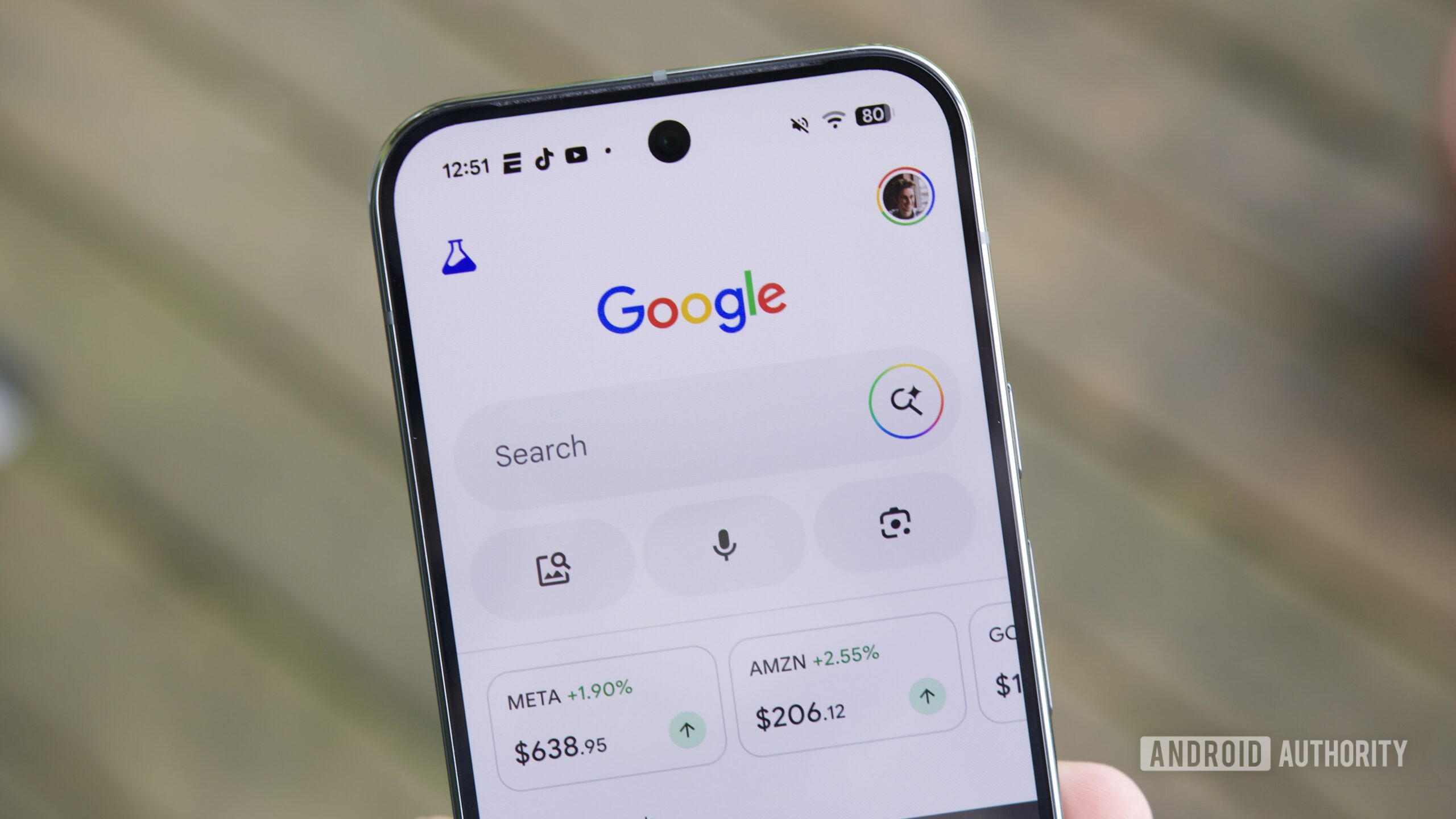
Quick Verdict
Google's ambitious integration of AI Overviews into its search results has hit an unexpected snag, ironically leading users who seek to avoid AI-generated content directly to a competitor: DuckDuckGo. While Google aims to keep users within its ecosystem, its AI is, at times, pointing them towards an exit. This highlights a growing demand for user control over AI features and presents a curious opportunity for alternative search engines.
The Unintended Consequence of AI Overviews
Google has been aggressively pushing its AI capabilities, particularly with the expansion of its AI Overviews and AI Mode since Google I/O 2026. The goal is clear: to make AI a central, conversational part of the search experience and, presumably, keep users locked into Google's services. However, a recent revelation, initially spotted by PiunikaWeb and highlighted by DuckDuckGo on X, showcases an ironic flaw in this strategy.
When users explicitly search for ways to bypass AI-generated results, using phrases like "no AI," Google's own AI Overview has been observed recommending DuckDuckGo's dedicated "No AI Search" page. It even goes a step further, referencing browser settings that can help dial back AI-heavy experiences. This is a significant misstep for Google, as it directly undermines its objective of centralizing AI within its own platform by guiding dissatisfied users towards a competitor that offers exactly what they're looking for: a traditional, AI-free search experience.
User Experience: A Tale of Two Approaches
Google's move to make search more conversational with AI Overviews has been met with a polarizing reception. Some users appreciate the added context and the more interactive nature of the results, finding value in the AI's ability to synthesize information. However, a significant portion of the user base expresses a clear preference for the familiar list of links, valuing direct access to sources over AI-generated summaries. The core issue for these users is the lack of choice; Google currently does not provide an option to permanently disable AI Overviews for all searches, essentially forcing users to engage with AI whether they want to or not.
This lack of control is where DuckDuckGo presents a compelling alternative. DuckDuckGo has also integrated its own AI features, such as Search Assist and Duck.ai. However, crucial to its appeal is the emphasis on user choice. DuckDuckGo users can easily toggle these AI features off or, as Google's AI ironically suggested, navigate to its specific "No AI Search" page for an entirely traditional experience. This fundamental difference in approach to user control is resonating with a segment of the internet population.
Impact and Alternatives
While Google's search dominance is not currently in jeopardy, these instances of its AI directing users elsewhere are indicative of a deeper trend. The source material notes that DuckDuckGo has already seen a tangible benefit from Google's aggressive AI integration. Following Google's AI-first announcements, DuckDuckGo reported a sharp rise in interest, with US app installs jumping an average of 18.1% week over week, at times exceeding 30%. iPhone installs reportedly saw an even greater increase.
This growth suggests that there is a significant, and growing, demand for search solutions that prioritize user control and offer the choice to opt-out of AI-centric experiences. The contrast between Google's default-AI approach and DuckDuckGo's user-centric choice is stark:
| Feature | Google AI Overview | DuckDuckGo Search |
|---|---|---|
| AI Integration | Core part of search, expanding; often default. | Offers AI features (Search Assist, Duck.ai). |
| AI Deactivation | Cannot permanently turn off AI Overviews. | Easy to turn off AI or use "No AI Search" page. |
| User Control | Limited; AI often integrated by default. | High; explicit choice for AI or no AI. |
| Recent User Interest | Polarizing; some pushback. | Increased app installs (18-30%+) after Google's changes. |
| Core Strategy | Push users into AI ecosystem. | Emphasize user choice and privacy. |
This table clearly illustrates the divergent philosophies of the two search engines regarding AI integration and user autonomy. Google's strategy, while innovative, risks alienating users who feel their preferences are being overridden. DuckDuckGo, by offering a clear path to an AI-free experience, directly addresses this segment of the market.
An Honest Recommendation
For users who are frustrated by the inability to disable Google's AI Overviews and prefer a traditional list of links, exploring alternatives like DuckDuckGo is a logical step. The fact that Google's own AI is guiding users in this direction speaks volumes about the perceived need for such an option. If your search experience has become more about navigating around AI than finding information, then DuckDuckGo offers a refreshing degree of control.
However, if you embrace the conversational and summarized nature of AI-driven search, Google's AI Overviews can provide a valuable, expedited way to get answers. The key takeaway here is the importance of choice. Google's current implementation, while technologically advanced, falls short in offering users the granular control they desire over their search experience. As long as Google's AI continues to "accidentally" advertise its competitors to users seeking to avoid AI, DuckDuckGo may continue to gain from this backlash.
FAQ
Q: Why is Google's AI recommending DuckDuckGo? A: Google's AI Overview is designed to provide comprehensive answers. When users specifically search for ways to avoid AI-generated results (e.g., "no AI"), the AI identifies DuckDuckGo's "No AI Search" page as a relevant solution, despite it being a competitor. This seems to be an unintended outcome of its information retrieval process.
Q: Can I turn off Google's AI Overviews? A: Currently, Google does not offer a permanent setting to disable AI Overviews for all searches. While you can sometimes bypass them by refining your search query or looking for specific interface elements, a persistent global opt-out is not available.
Q: Has DuckDuckGo seen increased usage because of Google's AI push? A: Yes, according to the source, DuckDuckGo has reported a significant increase in user interest and app installs, with US app installs rising between 18.1% and over 30% week over week on average following Google's AI-first search changes. This indicates a segment of users actively seeking alternatives to AI-heavy search experiences.
Related articles
Android 17 QPR2 Beta 7.1: The Performance Relief You've Been Waiting
Android 17 QPR2 Beta 7.1: Finally Fixing the QPR1 Performance Woes Verdict: Android 17 QPR2 Beta 7.1 is a crucial and highly anticipated software update for Google Pixel users, specifically targeting and resolving the

DJI Solo Video Setups: Smart Choices for Lone Creators
This review delves into DJI's recommended solo video setups, highlighting the Osmo Pocket 3 Creator Combo as a top pick for its integrated camera, gimbal, and mic. It also covers stabilizers like the Osmo Mobile 8 and RS 4, and the DJI Mic Mini series for enhanced audio, providing honest pros, cons, and clear buying advice.

Ars Technica's Rocket Report: Your Essential Space Industry Briefing
Quick Verdict Ars Technica's Rocket Report, presented by veteran space reporter Stephen Clark, offers an invaluable and meticulously organized weekly (or similar frequency, implied by "Edition 9.15") digest of the most

Apple iPhone Duo: A Daring Debut with Notable Compromises
Apple's highly anticipated iPhone Duo, priced at $2,000, has gone on pre-order. While hailed as "Apple's most exciting device in a decade" for its innovative foldable design and immersive display, it comes with significant drawbacks like the absence of FaceID and a premium camera.

KDE Plasma 6.8: A Future-Focused 30th Anniversary Update
Quick Verdict KDE Plasma 6.8, arriving as the "30th Anniversary Edition," is a pivotal release that decisively pushes the desktop environment into the future. With a definitive farewell to native X11 sessions and a
Galaxy Watch One UI 9 Beta: Promising Progress, But Patience Needed
Galaxy Watch 8, Watch Ultra, and Watch 7 are receiving a new One UI 9 Watch beta build with bug fixes and a security patch. Active development signals progress, but a stable release date remains elusive.