
Google Rolls Out Native Gemini AI App for Mac
Google has launched a native Gemini AI app for Mac, providing instant, context-aware assistance through a quick shortcut. The app allows users to share screen content and local files for analysis, and supports multimedia generation. This move brings Google into direct competition with other AI providers on the macOS platform.

Google officially launched a native Gemini artificial intelligence application for macOS on Wednesday, April 15, 2026. This significant rollout makes Google’s advanced AI assistant directly accessible on Mac desktops, allowing users to leverage Gemini’s capabilities instantly across their workflows. The move positions Google to directly challenge competitors like OpenAI and Anthropic, which have offered native AI applications for Mac users for some time.
Available globally for macOS versions 15 and up, the new Gemini app is designed for seamless integration into the Mac experience. Users can invoke Gemini from any application with a simple keyboard shortcut, Option + Space, eliminating the need to switch between tabs or browser windows. This direct access aims to significantly streamline productivity, enabling users to get immediate assistance without disrupting their current tasks.
According to Google’s announcement, the app is engineered to provide context-aware help. Users can effortlessly share anything visible on their screen with Gemini, including local files, to receive real-time assistance based on the displayed content. For instance, a user analyzing a complex data chart could ask Gemini to identify the three most critical takeaways and receive a concise summary directly within their workflow.
This capability extends beyond simple text analysis. The native Gemini app also supports advanced multimodal functionalities, integrating tools like Nano Banana for image generation and Veo for video creation. This broadens the scope of tasks Gemini can assist with, from creative content generation to complex data interpretation, all from the convenience of the macOS environment.
Google has made the new native application available for download immediately at gemini.google/mac. The launch underscores Google’s accelerating push into the AI landscape, aiming to embed its AI offerings deeply into daily user operations across various platforms.
The introduction of a dedicated Mac application for Gemini is a strategic step for Google in the competitive AI market. While Google has been enhancing its AI integration in other areas, such as adding AI Skills to Chrome and expanding Gemini’s personal intelligence features to regions like India, a native desktop presence for its flagship AI on Apple’s ecosystem marks a crucial advancement. It indicates Google’s commitment to making Gemini an indispensable tool for a broad user base, from casual users to professionals engaged in data analysis, content creation, and intricate report drafting.
By offering a deeply integrated desktop experience, Google seeks to capture a larger share of the growing AI user base that prioritizes efficiency and native system performance. This development ensures that Mac users, who often demand seamless and powerful software, have a direct and optimized way to interact with Gemini, thereby strengthening Google’s position in the evolving AI arms race against well-established rivals in the desktop AI application space.
FAQ
Q: What is the main benefit of the native Gemini app for Mac users?
A: The primary benefit is instant, contextual AI assistance accessible from anywhere on the Mac via a quick shortcut. Users can share screen content and local files for immediate help with tasks like summarizing documents, verifying information, or generating content without switching applications.
Q: Which macOS versions support the new Gemini app?
A: The native Gemini app is available for all users running macOS versions 15 and newer, globally, starting from its launch date.
Q: How does this app compare to rivals in the AI space?
A: With this launch, Google is directly catching up to competitors such as OpenAI and Anthropic, which have already provided native AI applications for Mac users. This move intensifies the competition in the desktop AI market, offering Mac users another powerful, deeply integrated AI assistant option.
Related articles

TCG Pocket Responds: A Much-Needed Pace Shift for Pokémon Fans
Pokémon TCG Pocket is rolling out a major update for its second anniversary, primarily addressing player concerns about overwhelming content releases by shifting to a six-week set schedule. This aims to curb player decline and improve overall engagement by giving trainers more time to collect and strategize. The update also adds new collection methods, improved deck-building features, and enhanced trading functionality.

Apple iPhone Duo: A Daring Debut with Notable Compromises
Apple's highly anticipated iPhone Duo, priced at $2,000, has gone on pre-order. While hailed as "Apple's most exciting device in a decade" for its innovative foldable design and immersive display, it comes with significant drawbacks like the absence of FaceID and a premium camera.

Tesla Unveils Thruster-Equipped Roadster, 2028 Production Targeted
Tesla has unveiled its second-generation Roadster, featuring cold-gas thrusters co-developed with SpaceX, enabling it to jump and flip. The electric sports car demonstrated 0-60mph in an astonishing 0.81 seconds, with production targeted for 2028. This highly anticipated reveal also serves as a key recruitment tool for Tesla's ambitious AI and robotics initiatives.

AI's Confidence vs. Formal Methods' Rigor: Design Flaws & Verification
While AI accelerates code generation, formal methods remain critical for ensuring system correctness. Languages like TLA+ and tools like Quint enable developers to model and verify system designs before coding, catching subtle flaws. Quint makes formal methods more accessible with developer-friendly syntax and executability. This approach is vital for verifying AI-generated code through trace validation and model-based testing, ensuring reliability against real-world data.

Amazon Prime Video Launches AI-Powered Prime 360 for NBA Coverage
Amazon Prime Video is elevating its NBA coverage with the introduction of Prime 360, an AI-powered replay system offering immersive, 'fly through' views of the action. Kicking off its second season, Prime Video also adds Yahoo fantasy integration and gains exclusive Eastern Conference Finals rights, expanding its tech-driven sports broadcast. The new features aim to deliver a unique and interactive viewing experience for basketball fans.
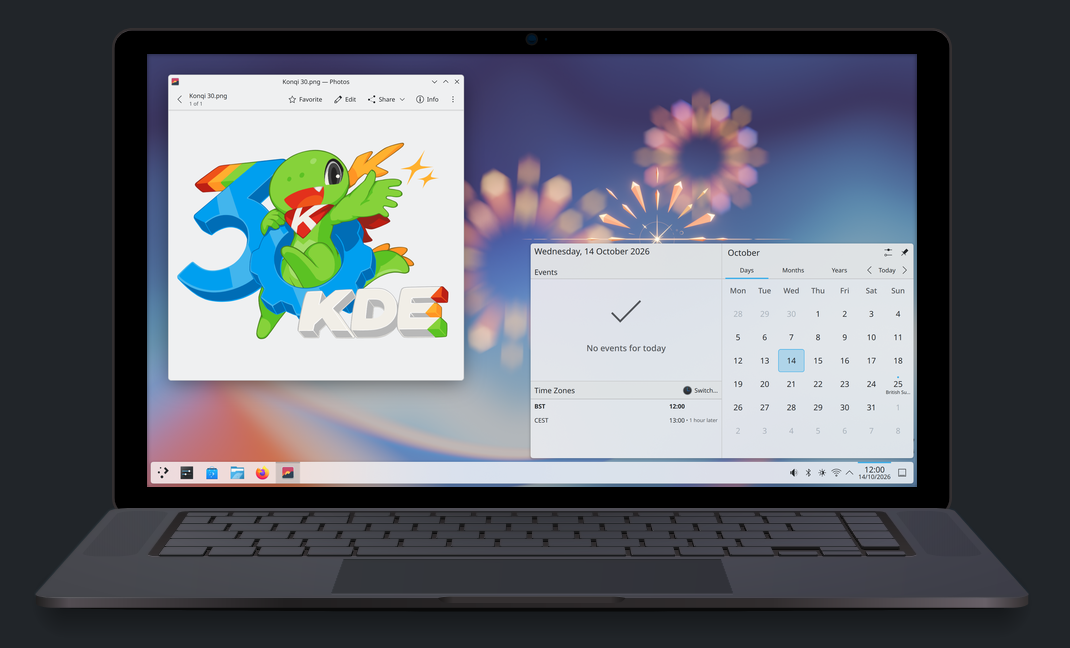
KDE Plasma 6.8: A Future-Focused 30th Anniversary Update
Quick Verdict KDE Plasma 6.8, arriving as the "30th Anniversary Edition," is a pivotal release that decisively pushes the desktop environment into the future. With a definitive farewell to native X11 sessions and a