
Google Messages RCS Bug: Annoying Problem, Weird VPN Fix
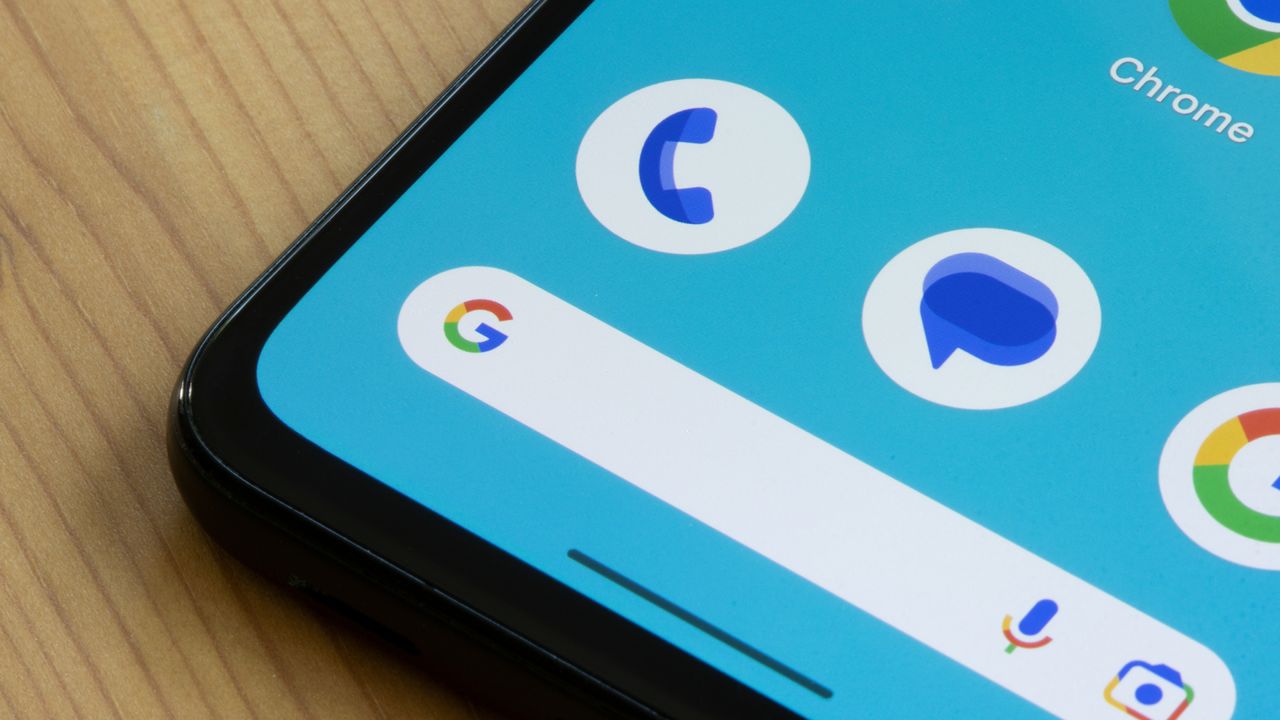
Google Messages' advanced RCS features are failing for some Android users, primarily on new Samsung phones, but a surprisingly effective VPN trick offers a temporary workaround, making it the most recommended fix for this frustrating bug.
Quick Verdict
Google Messages' advanced RCS features, a significant upgrade from standard SMS, are currently experiencing frustrating connectivity issues for a segment of Android users, particularly those with newly set up Samsung Galaxy devices. While the problem diminishes the expected modern messaging experience, a surprisingly simple yet peculiar VPN trick has emerged as the most reliable, albeit unofficial, workaround. This bug highlights ongoing stability challenges for Google's messaging ambitions, but thankfully, a solution exists, even if it feels like black magic.
The Promise of RCS: Rich Communication Services
Rich Communication Services (RCS) represents Google's push to modernize text messaging on Android, offering a suite of features that standard SMS simply can't match. For users, this translates to a much-improved experience, including end-to-end encryption for enhanced privacy, real-time read receipts so you know when your message has been seen, and the ability to send and receive higher-quality media like photos and videos without compression. These features elevate text conversations to a level closer to dedicated chat apps, bridging the gap between traditional SMS and platforms like Apple's iMessage.
Critically, RCS is integrated directly into Google Messages, making it the default, enhanced texting experience for many Android users. When it works as intended, it’s a seamless and powerful upgrade, making conversations more interactive and secure. The widespread adoption of RCS is a key goal for Google, aiming to provide a unified, modern messaging standard across the Android ecosystem.
The Unfortunate Reality: RCS Connectivity Issues
Despite its advantages, RCS isn't living up to its potential for everyone right now. Numerous reports, primarily from Reddit users, indicate that Google Messages' RCS functionality has stopped working for a noticeable number of individuals. The core of the problem appears to be a failure to connect, sometimes accompanied by a specific '3100 error code.'
This issue isn't universally affecting all Android users; instead, it seems to be concentrated among those with recent Samsung phones. Devices like the Samsung Galaxy Z Fold 8, Samsung Galaxy S26 Ultra, and Samsung Galaxy S26 are specifically mentioned as being impacted. Moreover, the problem most frequently arises when users transition to a new device. This suggests a potential hiccup in the initial setup or activation process of RCS on these newer Samsung models, rather than a gradual degradation of service on long-used phones.
For affected users, this means a regression to basic SMS capabilities, losing out on encryption, read receipts, and better media sharing. It's a significant downgrade in user experience, especially given the expectations of modern smartphone capabilities.
The Fixes: From Bizarre to Bureaucratic
Fortunately, for those encountering the frustrating RCS connection problem, several potential solutions are circulating. They range from the surprisingly effective to the painstakingly complex.
The "Weird VPN Trick"
Top of the list, largely due to anecdotal success and simplicity, is what users have dubbed the "weird VPN trick." The steps are straightforward:
- Turn off RCS in Google Messages settings.
- Connect to a VPN service. While one Reddit thread specifically mentioned connecting to a server in Paris, France, other users have reported success with various VPN regions, suggesting the specific location might not be crucial.
- Turn RCS back on in Google Messages settings.
- Once RCS reactivates and connects, you can safely disconnect from the VPN.
This method has garnered widespread positive feedback on Reddit, with many users expressing disbelief that such an unconventional approach actually works. Its success is particularly notable because it has a history; similar issues were reportedly resolved using this trick two years ago.
Google's Official Suggestion
For those who prefer a more official route or find the VPN trick unsuccessful, Google's support team has provided an alternative. This process is a bit more involved:
- Update Google Messages to its latest version.
- Turn off RCS in the app's settings.
- Clear data for Carrier Services (a system app). This can typically be done through your phone's app settings.
- Restart your phone.
- Finally, turn RCS back on.
While coming from the source, this method doesn't boast the same high success rate as the VPN trick according to user reports.
The "Nuclear Option"
A third, and significantly more drastic, solution has been proposed by some users. This multi-step process involves deep system alterations and is generally considered a last resort due to its complexity and potential disruption:
- Stop the Google Messages app.
- Remove your phone number from your Google account.
- Turn off two-step verification for your Google account.
- Turn off recovery phone settings for your Google account.
- Remove Google Play Services updates.
- Turn Google Messages back on.
If RCS connects after these steps, you are then advised to re-enable and update all the previously disabled or removed features. This method is the least favored due to its invasiveness and has shown mixed results among those who have attempted it.
Pros and Cons of the Situation
Pros:
- RCS Features are Valuable: When working, RCS offers significant improvements over SMS, including encryption, read receipts, and enhanced media sharing.
- A Reliable Workaround Exists: The VPN trick, while unconventional, appears to be a highly effective and relatively simple solution for many users.
- Multiple Fixes Available: Users have a few options to try, increasing the chances of finding a solution that works for them.
Cons:
- Core Feature Failure: A fundamental messaging feature, designed for modern communication, is failing for a noticeable user base.
- Unconventional Primary Fix: Relying on a "weird VPN trick" for a basic messaging function points to underlying issues with Google's or carriers' RCS infrastructure.
- Complexity of Other Solutions: Google's official suggestion and the "nuclear option" are more involved and carry a higher risk of user error or frustration.
- Unknown Root Cause: The recurring nature of this bug (it emerged two years ago as well) indicates that Google hasn't fully addressed the underlying problem.
- Specific Device Impact: The issue disproportionately affecting new Samsung devices can sour the out-of-box experience for new phone owners.
Buying Recommendation
For those currently experiencing Google Messages RCS connectivity issues, particularly on a new Samsung Galaxy device, our clear recommendation is to start with the "weird VPN trick." Its high success rate and relative simplicity make it the least disruptive first step. If that doesn't yield results, proceed to Google's official suggestion of updating the app, clearing Carrier Services data, and restarting. The "nuclear option" should genuinely be a last resort, given its complexity and the extent of account alterations required.
While it's frustrating that such a core feature requires these workarounds, the good news is that solutions exist. Google needs to stabilize RCS activation to ensure a seamless experience for all Android users, especially as they push for broader adoption and compete with rival messaging platforms.
FAQ
Q: Is the RCS connectivity issue only affecting Samsung phones?
A: According to reports, the issue primarily seems to be affecting newly set up Samsung Galaxy phones, including models like the Z Fold 8, S26 Ultra, and S26. It's less common on older devices or other Android brands, though not explicitly ruled out.
Q: Do I need a specific VPN to fix the RCS problem?
A: While one Reddit post mentioned connecting to a VPN server in Paris, France, other users have found success with various VPN regions. It's unlikely that a specific location is mandatory; the act of routing traffic through a VPN appears to be the key factor.
Q: If the VPN trick works, do I need to keep the VPN on?
A: No, once RCS successfully reactivates and connects using the VPN trick, you can safely turn off your VPN. The connection should remain stable afterward, according to user reports.
Related articles
Android 17 QPR2 Beta 7.1: The Performance Relief You've Been Waiting
Android 17 QPR2 Beta 7.1: Finally Fixing the QPR1 Performance Woes Verdict: Android 17 QPR2 Beta 7.1 is a crucial and highly anticipated software update for Google Pixel users, specifically targeting and resolving the

DJI Solo Video Setups: Smart Choices for Lone Creators
This review delves into DJI's recommended solo video setups, highlighting the Osmo Pocket 3 Creator Combo as a top pick for its integrated camera, gimbal, and mic. It also covers stabilizers like the Osmo Mobile 8 and RS 4, and the DJI Mic Mini series for enhanced audio, providing honest pros, cons, and clear buying advice.

Ars Technica's Rocket Report: Your Essential Space Industry Briefing
Quick Verdict Ars Technica's Rocket Report, presented by veteran space reporter Stephen Clark, offers an invaluable and meticulously organized weekly (or similar frequency, implied by "Edition 9.15") digest of the most

Apple iPhone Duo: A Daring Debut with Notable Compromises
Apple's highly anticipated iPhone Duo, priced at $2,000, has gone on pre-order. While hailed as "Apple's most exciting device in a decade" for its innovative foldable design and immersive display, it comes with significant drawbacks like the absence of FaceID and a premium camera.
KDE Plasma 6.8: A Future-Focused 30th Anniversary Update
Quick Verdict KDE Plasma 6.8, arriving as the "30th Anniversary Edition," is a pivotal release that decisively pushes the desktop environment into the future. With a definitive farewell to native X11 sessions and a
Galaxy Watch One UI 9 Beta: Promising Progress, But Patience Needed
Galaxy Watch 8, Watch Ultra, and Watch 7 are receiving a new One UI 9 Watch beta build with bug fixes and a security patch. Active development signals progress, but a stable release date remains elusive.