
Gmail Address Change: Finally, Data-Safe Flexibility
Gmail users can now change their email address without losing data, a long-awaited feature. This review covers the seamless process, significant benefits like data preservation, and important limitations such as annual and total change caps, providing a clear recommendation for this essential account management update.

For years, a regrettable Gmail address has been a digital albatross around many necks. Whether it was a relic from a less discerning youth or simply a name that no longer fits your professional persona, the inability to change your primary Google Account email without starting from scratch was a significant headache. Well, the wait is finally over. Google has quietly, yet significantly, rolled out the ability to alter your Gmail username – the part before '@gmail.com' – while preserving every single byte of your precious data. This isn't just a minor tweak; it's a fundamental shift in how Google Account management functions, offering a much-needed dose of flexibility and relief for millions.
Quick Verdict: This new Gmail address change feature is a game-changer for anyone stuck with an outdated or undesirable email handle. It offers unprecedented flexibility, preserving all your data and ensuring continuity, making it an essential and highly recommended update for personal account management.
Key Details and What's New
At its core, this new functionality addresses a long-standing user request: the power to refresh your digital identity without sacrificing your digital life. Previously, if you wanted a different Gmail address, your only recourse was to create an entirely new Google Account, meticulously transfer data, and then inform every single contact and service about your new email. It was a daunting, often insurmountable task. Now, Google has streamlined this process dramatically.
The key takeaway is simple: your primary Gmail address can be updated. This isn't just a cosmetic change; it's a deep integration that reassigns your main email identifier. Importantly, your old Gmail address doesn't vanish into the ether. Instead, it transitions into an 'alternate' address linked to your account. This means messages sent to both your new and old addresses will still arrive in your unified inbox. Furthermore, you even retain the option to send emails from your old address if situations demand it. This level of continuity is crucial, as it minimizes disruption and the arduous task of updating every single online service.
However, there are important limitations to be aware of. Gmail allows you to make one such primary address change per year. While Google states you can switch back to an alternate Gmail address at any time, it also notes that you can only change your primary address three times total, resulting in a maximum of four different addresses tied to the same account over its lifetime. This implies careful consideration is needed before making the switch, ensuring your chosen new name is one you intend to keep for the long haul.
User Experience: The Process
One of the most appealing aspects of this feature is its straightforward implementation. Google has ensured the process is uniform and accessible, whether you're managing your account from a desktop browser, an Android smartphone, or an iOS device. There’s no complex setup or platform-specific hurdles to navigate, making it accessible even for less tech-savvy individuals.
Here's how to change your Gmail handle:
- Navigate your web browser to myaccount.google.com/google-account-email and sign in with your current credentials.
- Once on your Google Account page, locate and click on the "Personal info" section.
- Within "Personal info," you'll find an option labeled "Change Google Account email." Select this.
- You will then be prompted to choose your desired new username. As you type, the system provides real-time feedback on its availability, eliminating guesswork.
This streamlined approach ensures that users can confidently update their email address without fear of data loss or complicated configurations.
Pros and Cons
No feature is without its trade-offs. Here's an honest look at the benefits and limitations of this new Gmail capability:
Pros:
- Complete Data Preservation: All your existing emails, Google Photos, Drive files, Calendar entries, and app data remain fully intact and seamlessly linked to your new address. This eliminates the biggest headache associated with changing email addresses.
- Seamless Email Transition: Your old address automatically becomes an alternate address for your account, ensuring you won't miss any messages sent to it. This vastly reduces the immediate burden of notifying every contact and service.
- Flexible Sending Options: The ability to send emails from your old address provides a convenient safety net and allows for a gradual transition period with contacts.
- Unified Inbox: All incoming messages, regardless of whether they were originally sent to your new or old address, are consolidated into your single, main inbox, maintaining organizational clarity.
- Identity Refresh: Finally allows users to shed embarrassing, outdated, or unprofessional usernames for a more suitable and current digital identity.
- Cross-Platform Consistency: The entire change process is identical and simple across desktop browsers, Android, and iOS devices.
Cons:
- Annual Change Limit: You are restricted to initiating a primary address change only once per year, which requires careful planning and certainty in your choice.
- Total Lifetime Limit: While you can change it annually, there's a lifetime cap of three total changes for a given Google Account (resulting in a maximum of four different addresses tied to the same account). This means it's not a feature for frequent experimentation.
- Potential for Initial Confusion: Despite incoming emails being consolidated, some contacts might initially be confused if they suddenly start receiving emails from a new address they don't immediately recognize.
- Subscription Updates Still Recommended: Although not strictly necessary due to the alternate address functionality, it's still prudent and good practice to gradually update important subscriptions and online accounts to reflect your new primary address over time, reducing potential future issues.
Comparison to Alternatives (The Old Way)
Before this crucial update, the 'alternative' to living with a regrettable Gmail address was a digital nightmare: creating an entirely new Google Account. This wasn't merely inconvenient; it was a wholesale migration project fraught with potential data loss and significant disruption.
When you made a new account, you were faced with:
- Total Data Loss (or Manual Transfer): All your existing emails, Google Photos memories, Drive documents, and app data were fundamentally tied to the old account. Moving them required laborious manual downloads, uploads, and often, incomplete transfers or outright loss of data.
- Complete Disruption and Notification Burden: You would have to manually update every single service – from banking and utilities to social media, subscriptions, work contacts, and personal friends – with your new email address. Any missed update meant lost communication, potential account lockouts, or missed critical information.
- Splintered Digital Life: You'd essentially operate two separate Google Accounts, each with its own set of data, services, and logins, leading to ongoing confusion, login fatigue, and inefficiency.
- Lost History and Continuity: Many online services tie your history, activity, and preferences to your email address. Changing it completely often meant losing that valuable historical context or needing to start afresh with many services.
The new feature renders this archaic method largely obsolete for most users. It transforms a disruptive, data-risking ordeal into a seamless, data-preserving adjustment. The comparison isn't about choosing between two equally viable options; it's about Google finally providing a modern, user-centric solution to a long-standing problem that previously had only cumbersome, less effective workarounds. This update fundamentally improves the user experience for anyone needing a fresh digital start without the associated digital sacrifice.
Recommendation
If you are among the vast number of users who have yearned for a change to their Gmail address, this update is an unequivocal green light. The benefits of comprehensive data preservation, seamless continuity with your old address, and the long-awaited refresh of your digital identity far outweigh the minor limitations.
However, proceed with thoughtful consideration. Given the one-change-per-year and total-change limits, ensure the new username you choose is truly the one you want to commit to. This isn't a feature designed for frequent experimentation but rather for a definitive upgrade of your digital persona. For anyone looking to professionalize, simplify, or simply update their email without the headache of data migration, this new Gmail address change capability is a highly recommended and long-overdue addition to Google's account management toolkit.
FAQ
Q: Will I lose access to emails sent to my old Gmail address after I change it?
A: No, absolutely not. Google ensures that your old Gmail address becomes an alternate address for your account. Messages sent to either your new or old address will continue to arrive in your unified inbox. You can even choose to send emails from your old address if needed.
Q: Are there any limits to how many times I can change my Gmail address?
A: Yes, there are limits. You can change your primary Gmail address once per year. Additionally, Google limits the total number of times you can change it to three, meaning your account can be associated with a maximum of four different addresses over its lifetime.
Q: Do I need to update all my online subscriptions and accounts with my new Gmail address immediately?
A: While it's not immediately critical, thanks to the old address becoming an alternate, it is highly recommended to gradually update important subscriptions and accounts. This ensures that your primary digital identity aligns across all your services and can prevent potential future confusion or issues, especially with services that might not fully recognize the alternate address system.
Related articles
Android 17 QPR2 Beta 7.1: The Performance Relief You've Been Waiting
Android 17 QPR2 Beta 7.1: Finally Fixing the QPR1 Performance Woes Verdict: Android 17 QPR2 Beta 7.1 is a crucial and highly anticipated software update for Google Pixel users, specifically targeting and resolving the

DJI Solo Video Setups: Smart Choices for Lone Creators
This review delves into DJI's recommended solo video setups, highlighting the Osmo Pocket 3 Creator Combo as a top pick for its integrated camera, gimbal, and mic. It also covers stabilizers like the Osmo Mobile 8 and RS 4, and the DJI Mic Mini series for enhanced audio, providing honest pros, cons, and clear buying advice.

TCG Pocket Responds: A Much-Needed Pace Shift for Pokémon Fans
Pokémon TCG Pocket is rolling out a major update for its second anniversary, primarily addressing player concerns about overwhelming content releases by shifting to a six-week set schedule. This aims to curb player decline and improve overall engagement by giving trainers more time to collect and strategize. The update also adds new collection methods, improved deck-building features, and enhanced trading functionality.

Ars Technica's Rocket Report: Your Essential Space Industry Briefing
Quick Verdict Ars Technica's Rocket Report, presented by veteran space reporter Stephen Clark, offers an invaluable and meticulously organized weekly (or similar frequency, implied by "Edition 9.15") digest of the most

Apple iPhone Duo: A Daring Debut with Notable Compromises
Apple's highly anticipated iPhone Duo, priced at $2,000, has gone on pre-order. While hailed as "Apple's most exciting device in a decade" for its innovative foldable design and immersive display, it comes with significant drawbacks like the absence of FaceID and a premium camera.
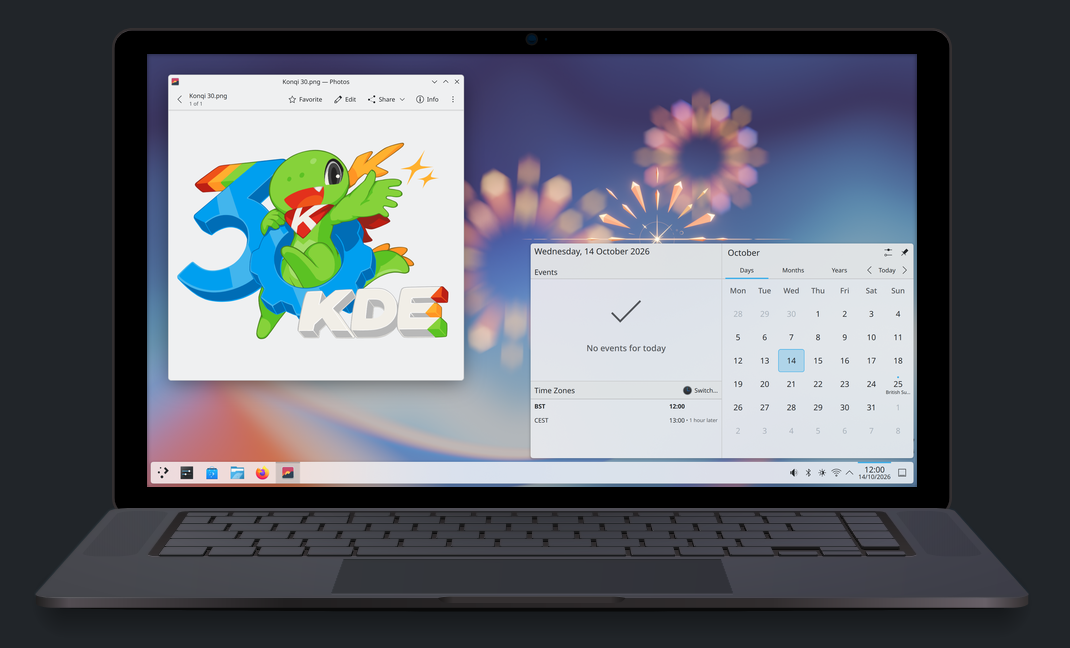
KDE Plasma 6.8: A Future-Focused 30th Anniversary Update
Quick Verdict KDE Plasma 6.8, arriving as the "30th Anniversary Edition," is a pivotal release that decisively pushes the desktop environment into the future. With a definitive farewell to native X11 sessions and a