
Gemini Avatar Sharing: A Glimpse into Collaborative AI Creations
Quick Verdict Google's Gemini platform, already pushing boundaries with its AI-generated avatar capabilities, appears to be on the cusp of an even more intriguing development: the ability to share these virtual

Quick Verdict
Google's Gemini platform, already pushing boundaries with its AI-generated avatar capabilities, appears to be on the cusp of an even more intriguing development: the ability to share these virtual likenesses with friends. While still in the speculative phase, uncovered code strings hint at a future where users can collaborate, placing each other's AI avatars into imaginative video scenarios using Gemini Omni. This potential feature holds immense promise for creative expression and social interaction, but it also raises significant questions regarding privacy, consent, and how Google plans to safeguard users' digital identities.
What We're Seeing: A Future of Shared Digital Likenesses
Roughly a month ago, Google began rolling out the ability for Gemini users to create personal virtual avatars. These AI-generated representations allow individuals to star in bespoke videos crafted by Gemini Omni, offering a novel way to engage with artificial intelligence. However, the current iteration restricts use to one's own avatar – a self-contained creative sandbox.
Recent digging into version 17.38.5.sa.arm64 of the Google app for Android has unveiled intriguing new text strings that paint a picture of a more collaborative future. The specific lines of code, found within the app, include:
<string name="assistant_robin_wasabi_no_shared_avatars_description">When someone shares their ginger with you, it will appear here.</string> <string name="assistant_robin_wasabi_no_shared_avatars">No other gingers</string>
These peculiar references to "ginger" initially seem nonsensical. However, given Google's known internal codenames (like "robin" for its AI) and the context of avatar features, the interpretation leans heavily towards "ginger" being a playful, placeholder term for "avatar." If one substitutes "avatar" for "ginger," the strings suddenly make perfect sense: "When someone shares their avatar with you, it will appear here," and "No other avatars."
This discovery, part of an Authority Insights APK teardown, strongly suggests that Google is working on a system that will enable Gemini users to share their created avatars with others. Presuming this functionality integrates with Gemini Omni, it would unlock a new dimension of video creation, allowing users to feature friends, family, or even public figures (with consent, one hopes) in their AI-generated content.
The Potential User Experience: Creativity Unleashed (and Concerns Raised)
Should this avatar sharing feature come to fruition, the potential impact on user experience is multifaceted:
Pros:
- Enhanced Creativity and Collaboration: Imagine creating an AI-powered skit featuring your entire friend group, or generating a personalized birthday message with a virtual version of a loved one. The ability to incorporate multiple avatars opens up countless collaborative storytelling and creative possibilities that are simply not possible with a single-user system.
- Social Engagement: This feature could transform how users interact with AI. Instead of a solitary experience, it could become a shared activity, fostering new forms of digital social interaction and personalized content creation among friends.
- Novelty and Fun: The sheer novelty of being able to place friends' digital likenesses into humorous or fantastical AI-generated scenarios is bound to be a significant draw, adding a layer of entertainment to the Gemini platform.
- Personalized Content: Users could craft deeply personal videos for various occasions, featuring the AI avatars of recipients, making digital greetings and stories more engaging and unique.
Cons and Critical Considerations:
- Privacy and Consent are Paramount: This is arguably the biggest hurdle and concern. Sharing an AI avatar, which is a digital representation of a person's likeness, carries significant privacy implications. Google will need to implement extremely robust consent mechanisms. Users must have clear control over who can use their avatar, for what purpose, and with the ability to revoke access at any time. Without explicit, granular control, this feature could become a privacy nightmare.
- Potential for Misuse: The line between playful fun and malicious intent can be thin with AI-generated content. The potential for deepfakes, non-consensual content, or even defamation using shared avatars is a serious risk. Google will need stringent content policies and advanced moderation tools to prevent abuse.
- Trust and Responsibility: Would you truly trust all your friends to use your likeness respectfully? The feature hinges on a high degree of trust between users, and Google will likely need to educate its user base on responsible sharing.
- Management of Shared Avatars: The interface for managing shared avatars needs to be intuitive and transparent. Users should easily see who they've shared their avatar with, who has shared avatars with them, and quickly adjust permissions.
- Technical Implementation: While the strings hint at the feature, the complexity of securely sharing and rendering these AI models in real-time for multiple users is non-trivial. The performance and reliability of such a system will be key.
Comparison to Alternatives
Given that this is a speculated feature based on an APK teardown, there are no directly comparable, widely available alternatives in the market for sharing AI-generated avatars for collaborative video creation. While various platforms allow for avatar creation (e.g., Snapchat Bitmojis, Meta avatars) and some AI tools can generate videos, the specific combination of creating a realistic AI avatar and then sharing it for use by others in AI video generation on a platform like Gemini Omni appears to be a relatively novel concept. The current Gemini Omni feature allows only self-use, making sharing the key differentiating factor if and when it launches.
Buying Recommendation: Anticipation with Caution
Since this is not a launched product or purchasable feature, a traditional buying recommendation isn't applicable. Instead, our recommendation is one of anticipation mixed with cautious optimism.
If you're already a Gemini user enjoying the AI avatar feature, this potential development is incredibly exciting. It promises to transform a solitary creative tool into a collaborative playground. However, potential users and privacy advocates alike should keep a very close eye on how Google chooses to implement this feature. The success and ethical standing of Gemini's avatar sharing will entirely depend on the robustness of its privacy controls, consent mechanisms, and content moderation policies.
We recommend that Google prioritizes user control, transparency, and a clear understanding of data usage. For consumers, the message is clear: be excited by the creative potential, but be vigilant about understanding the permissions and implications of sharing your digital self.
FAQ
Q: Is this avatar sharing feature available now? A: No, this feature is currently speculative, based on an APK teardown of the Google app. It indicates that Google is working on such a capability, but it has not been officially announced or rolled out to the public.
Q: What exactly would I be sharing with my friends? A: Based on the insights, you would be sharing a virtual avatar representation of yourself, which your friends could then potentially use to generate AI-powered videos featuring your likeness via Gemini Omni.
Q: What are the main concerns with such a feature? A: The primary concerns revolve around privacy, consent, and the potential for misuse. Users will need strong, clear controls over who can access their avatar and for what purposes, to prevent unauthorized or inappropriate use of their digital likeness.
Related articles
Android 17 QPR2 Beta 7.1: The Performance Relief You've Been Waiting
Android 17 QPR2 Beta 7.1: Finally Fixing the QPR1 Performance Woes Verdict: Android 17 QPR2 Beta 7.1 is a crucial and highly anticipated software update for Google Pixel users, specifically targeting and resolving the

DJI Solo Video Setups: Smart Choices for Lone Creators
This review delves into DJI's recommended solo video setups, highlighting the Osmo Pocket 3 Creator Combo as a top pick for its integrated camera, gimbal, and mic. It also covers stabilizers like the Osmo Mobile 8 and RS 4, and the DJI Mic Mini series for enhanced audio, providing honest pros, cons, and clear buying advice.

in-depth: Chicago-Area Cops Helped HSI Spy on Minnesota Anti-ICE
Chicago-area law enforcement, including local police and HSI agents, conducted undercover surveillance on Minnesota anti-ICE activists at an April 2, 2022, talk in Chicago. This operation was part of a federal conspiracy probe into 15 Minnesota activists facing felony charges related to immigration enforcement resistance. Civil liberties advocates have condemned the surveillance as a troubling intrusion into protected political activity.

Ars Technica's Rocket Report: Your Essential Space Industry Briefing
Quick Verdict Ars Technica's Rocket Report, presented by veteran space reporter Stephen Clark, offers an invaluable and meticulously organized weekly (or similar frequency, implied by "Edition 9.15") digest of the most
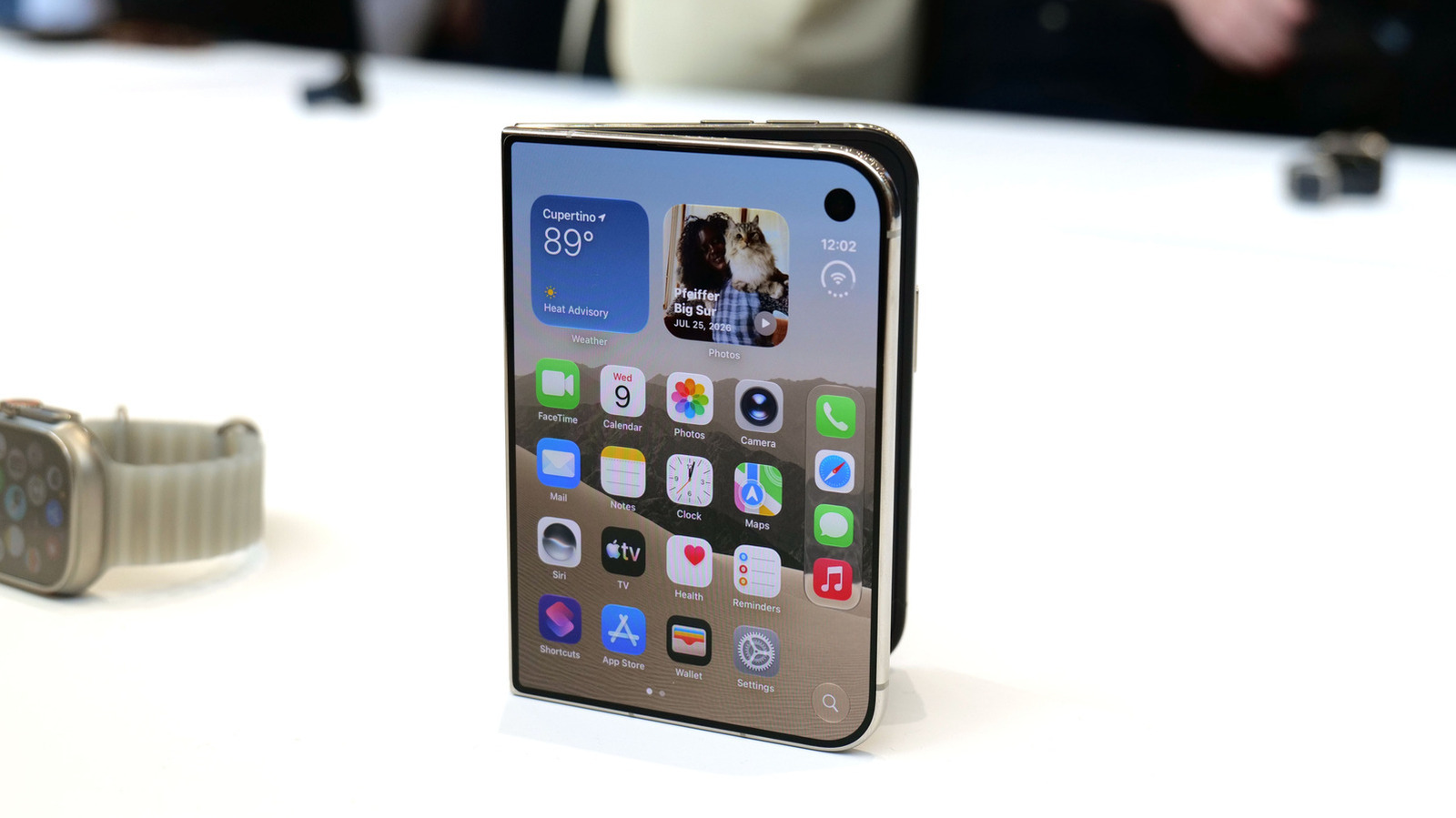
Apple iPhone Duo: A Daring Debut with Notable Compromises
Apple's highly anticipated iPhone Duo, priced at $2,000, has gone on pre-order. While hailed as "Apple's most exciting device in a decade" for its innovative foldable design and immersive display, it comes with significant drawbacks like the absence of FaceID and a premium camera.
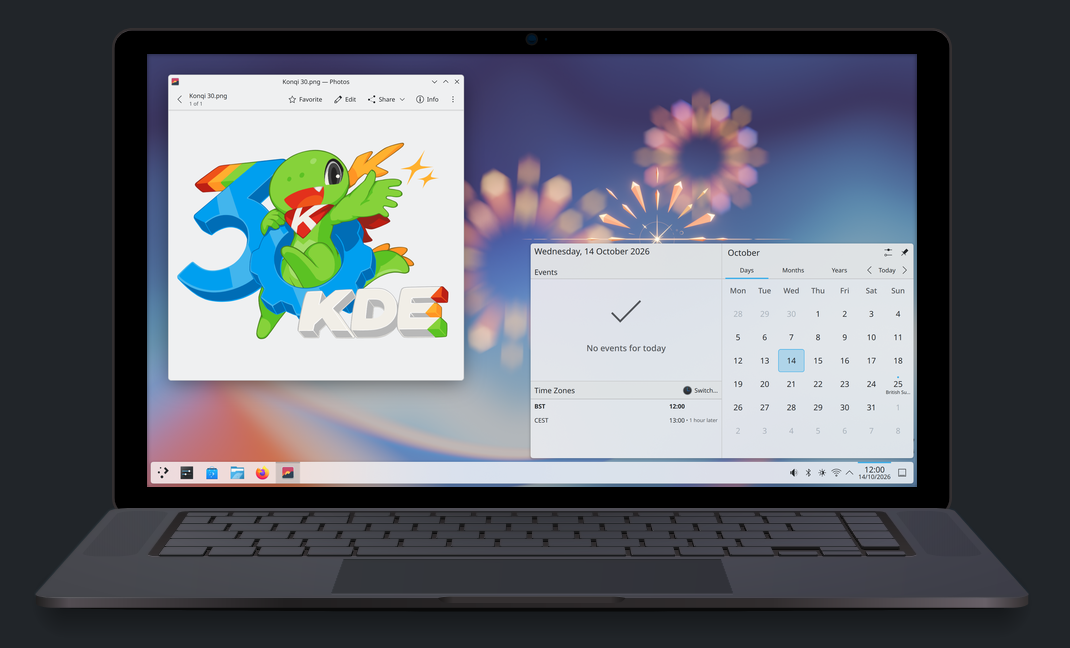
KDE Plasma 6.8: A Future-Focused 30th Anniversary Update
Quick Verdict KDE Plasma 6.8, arriving as the "30th Anniversary Edition," is a pivotal release that decisively pushes the desktop environment into the future. With a definitive farewell to native X11 sessions and a