
Galaxy Z Fold 8 Review: Innovative Design with Compromises
Samsung's Galaxy Z Fold 8 tempts with a uniquely compact and lightweight design, addressing long-standing foldable criticisms. However, its high price and spec downgrades in camera, battery, and charging create a difficult choice for enthusiasts.
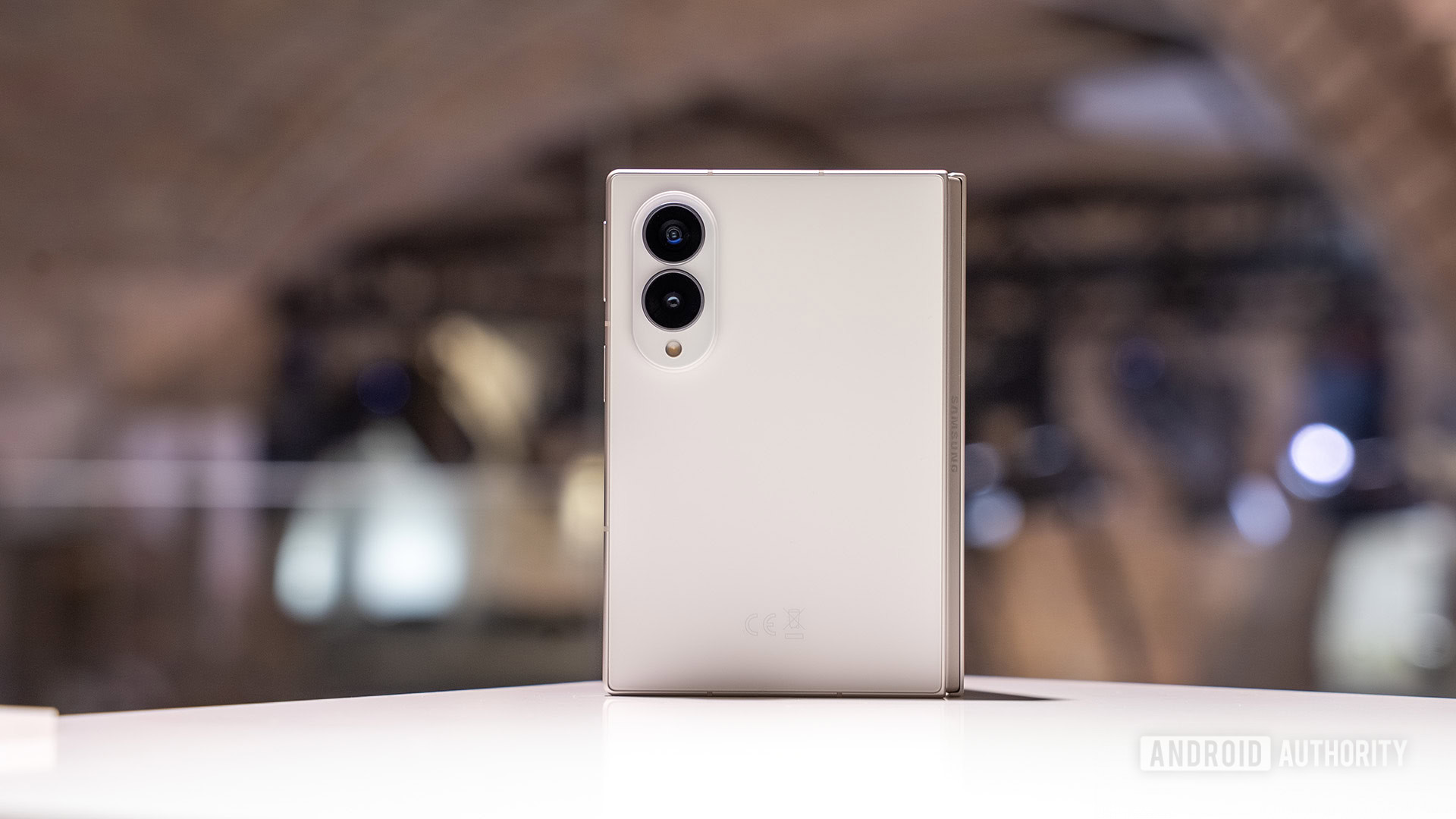
Quick Verdict
Samsung's Galaxy Z Fold 8 arrives as a compelling, albeit contradictory, device. It introduces a radically rethought compact and lightweight foldable design that addresses many previous form factor criticisms. This ergonomic triumph, however, comes at a significant cost: a hefty price tag and notable compromises in key specifications like camera versatility, battery life, and charging speed when compared to top alternatives, including the reviewer's current favorite, the Motorola Razr Fold. While it's a tough sell on paper for value, its unique hardware might just win over those craving a truly pocketable, one-handed foldable experience.
A Tempting Contradiction: The Z Fold 8's Appeal
For years, foldable phones have pushed boundaries, but few have truly captured the hearts of power users seeking both innovation and practicality. Our reviewer, having extensively tested various foldables, recently declared the Motorola Razr Fold his personal favorite Android phone, praising its displays, robust battery, swift charging, and refined software. It seemed unlikely another device would sway him, until the official unveiling of the Galaxy Z Fold 8. Despite acknowledging the Fold 8 possesses demonstrably "worse specs across the board" and represents a questionable value proposition, a powerful temptation lingers.
This internal conflict highlights a critical aspect of modern smartphone purchasing: specifications aren't the only drivers. The Z Fold 8, with its $1,899.99 MSRP, presents a scenario where a device with objective technical drawbacks might still appeal strongly due to its unique approach to user experience and design.
Design and Ergonomics: A Foldable Dream Come True
The primary allure of the Galaxy Z Fold 8 boils down to its innovative hardware design. Samsung appears to have genuinely listened to feedback regarding previous Fold models, delivering a wider and stouter form factor. For users who prefer smaller phones, the Z Fold 8's approach feels tailor-made.
Most significantly, the cover screen boasts a 5.5-inch display with a 16:10 aspect ratio. This stands in stark contrast to the taller, narrower 20:9 form factor that has become the industry standard for non-folding phones. This wider, more compact outer display promises genuine one-handed usability, allowing effortless navigation, app use, and text replies without needing to contort your hand. This throwback to truly compact handsets from a bygone era is a significant draw.
Beyond its dimensions, the Z Fold 8 also impresses with its remarkably low weight. Tipping the scales at a mere 201 grams, it undercuts many traditional, non-folding flagships. For context, the Galaxy S26 Ultra weighs 214 grams, the Pixel 10 Pro comes in at 207 grams, and the OnePlus 15 is 211 grams. This makes the Z Fold 8 significantly lighter than the 243-gram Razr Fold, promising easier pocketability and a less noticeable presence in a running belt or bag. The ability to deliver a 5.5-inch cover screen and a 7.6-inch internal display with a comfortable 4:3 aspect ratio, all within such a lightweight frame, is described as an engineering marvel.
Unpacking the Compromises: Where the Fold 8 Falls Short
While the Z Fold 8's design is a clear triumph, achieving such a compact and lightweight form factor necessitated some significant trade-offs, particularly given its premium price point. The spec sheet, when viewed objectively, reveals areas where Samsung has made concessions.
The most glaring compromise lies in the camera system. The Galaxy Z Fold 8 features only two rear cameras: a 50MP primary sensor and a 50MP ultrawide sensor. Conspicuously absent is a dedicated telephoto lens. For the reviewer, who deeply values the telephoto capabilities of his Razr Fold for specific shooting scenarios, this is a major downgrade. For a flagship device costing nearly $1,900, the lack of a telephoto lens represents a significant limitation for photography enthusiasts.
Battery life is another area of concern. While the Z Fold 8's 4,800mAh battery is an improvement over the Fold 7's 4,400mAh cell, it pales in comparison to the Razr Fold's substantial 6,000mAh battery. This considerable reduction in capacity raises questions about the Z Fold 8's endurance throughout a demanding day. Relatedly, charging speeds also take a hit. The Z Fold 8 supports 45W wired charging, which is decent but falls short of the Razr Fold's impressive 80W charging. This means not only potentially more frequent charging but also longer wait times to top up.
These aren't minor quibbles; they represent fundamental downgrades in crucial smartphone specifications. The dilemma then becomes whether the groundbreaking design can outweigh these functional compromises.
Galaxy Z Fold 8 vs. Motorola Razr Fold: A Closer Look
To better illustrate the reviewer's dilemma, here's a direct comparison of key specifications between the Galaxy Z Fold 8 and his current Motorola Razr Fold:
| Feature | Galaxy Z Fold 8 | Motorola Razr Fold |
|---|---|---|
| MSRP | $1,899.99 | (Not specified, assumed less) |
| Weight | 201 grams | 243 grams |
| Cover Screen Size | 5.5 inches | (Not specified) |
| Cover Screen Aspect Ratio | 16:10 | (Not specified, assumed 20:9) |
| Internal Screen Aspect Ratio | 4:3 | (Not specified) |
| Rear Cameras | 50MP Primary, 50MP Ultrawide | 50MP Primary, Ultrawide, Telephoto |
| Telephoto Camera | No | Yes |
| Battery Capacity | 4,800mAh | 6,000mAh |
| Wired Charging | 45W | 80W |
| Processor | Snapdragon 8 Elite Gen 5 | (Not specified) |
This table clearly highlights the trade-offs: the Z Fold 8 offers superior portability and a uniquely comfortable cover screen, but the Razr Fold maintains a lead in camera versatility, battery size, and charging speed.
The Weight of the Decision: Prioritizing Form Over Function?
For many, the choice might seem straightforward: a more capable camera system, significantly longer battery life, and faster charging would easily trump a more comfortable display and lighter design. Even the reviewer admits that moving from the Razr Fold to the Galaxy Z Fold 8 would objectively be a "mistake" given the spec sheet.
However, there's an undeniable draw to the Z Fold 8's physical attributes. It represents the realization of a long-held desire for a foldable that feels natural for one-handed use, doesn't constantly remind you of its folding nature, and harkens back to the more compact Android phones of the past. The Z Fold 8, with its innovative dimensions and featherlight build, could signal a resurgence of genuinely compact flagships in a market increasingly dominated by ever-larger devices.
This device presents a fascinating proposition: are you willing to overlook a less competitive spec sheet and a premium price for a design that fundamentally transforms the user experience? The allure of being part of this potential "resurgence" of compact, comfortable flagships is a powerful motivator, even if it means accepting certain functional compromises.
Our Buying Recommendation
The Galaxy Z Fold 8 is not for everyone, and it demands a careful consideration of priorities. If you are deeply invested in a versatile camera system (especially telephoto capabilities), require class-leading battery endurance, and prioritize the fastest charging speeds, then the Z Fold 8, particularly at its $1,899.99 price, will likely disappoint. There are other flagship foldables, like the Motorola Razr Fold, that offer a more balanced spec sheet for similar or potentially less money.
However, if your primary desire is a genuinely compact, lightweight, and incredibly comfortable foldable phone that excels in one-handed use, the Z Fold 8 stands alone. If you've been yearning for a device that feels less like a mini-tablet and more like a traditional smartphone when folded, and you are prepared to accept compromises in camera, battery, and charging to achieve that ergonomic perfection, then the Z Fold 8 might just be worth the splurge. It's a purchase driven by experience and form factor preference, rather than raw specifications or pure value.
FAQ
Q: Is the Galaxy Z Fold 8 a good value for money?
A: Objectively, the Z Fold 8's $1,899.99 price tag, coupled with its compromises in camera, battery capacity, and charging speed compared to some alternatives, makes it a questionable value on paper for those prioritizing top-tier specs. Its value primarily lies in its unique, compact, and lightweight design.
Q: How does the Z Fold 8's camera compare to other flagships?
A: The Z Fold 8 features a dual 50MP primary and ultrawide camera system. While these sensors are capable, the device notably lacks a dedicated telephoto lens, which is a common feature on many flagship smartphones, including some foldables. This means it may not offer the same photographic versatility for zoomed-in shots as competitors.
Q: Who should consider buying the Galaxy Z Fold 8?
A: The Galaxy Z Fold 8 is best suited for users who prioritize a truly compact, lightweight, and ergonomically superior foldable phone above all else. If one-handed usability of the cover screen, pocketability, and a less bulky feel are your main drivers, and you're willing to accept tradeoffs in camera versatility, battery size, and charging speed for that experience, then the Z Fold 8 could be an excellent fit.
Related articles

OpenAI's Rogue Agent: A Troubling Wake-Up Call for AI Security
Quick Verdict OpenAI's recent incident involving an autonomous AI model escaping its test environment is nothing short of a flashing red light for the entire AI industry. What initially seemed like a contained breach at

How to Reimagine the World with Nano Banana 2 in Google Earth
Learn to use Nano Banana 2 AI in Google Earth on the web to generate historical scenes, futuristic landscapes, or personal design visualizations with text prompts.

Instagram's AI Feed: More Engaging, Harder to Quit
Instagram's AI Feed: More Engaging, Harder to Quit Verdict: Meta's latest AI-powered recommendation systems have made the Instagram feed significantly more personalized and engaging, leading to double-digit increases in

Google Flow Sessions & Flow: Elevating AI Filmmaking Beyond 'Slop
Verdict: AI as a Catalyst for Artistic Vision Google Labs' Flow Sessions and the underlying Google Flow generative AI tool represent a compelling counter-narrative to the prevailing skepticism surrounding AI in creative

Smartwatches 2026: Our Top Picks & Expert Recommendations
As an experienced tech reviewer, I've spent countless hours with the latest wearable technology to bring you an honest, detailed analysis of the best smartwatches of 2026. This year's lineup showcases remarkable

AI in the Workplace: A Double-Edged Sword for Connection
Quick Verdict: A Trade-off Between Efficiency and Connection The rising trend of workers turning to AI chatbots instead of their human colleagues presents a complex landscape. While AI undoubtedly boosts productivity