
France to Ditch Windows for Linux, Citing US Tech Reliance Concerns
France announced plans to transition government computers from Microsoft Windows to Linux to reduce reliance on U.S. tech and achieve "digital sovereignty." This decision, driven by geopolitical tensions and weaponized sanctions by the Trump administration, is part of a broader European effort to secure digital independence. The open-source nature of Linux offers transparency and control, aligning with France's strategic goals.

France is embarking on a significant shift in its digital infrastructure, announcing plans to transition a portion of its government computers from Microsoft Windows to the open-source Linux operating system. This strategic move, confirmed by French minister David Amiel on April 10, 2026, aims to bolster the nation's "digital sovereignty" and decrease its dependence on major U.S. technology firms amidst growing geopolitical tensions. The initial phase of this ambitious project will target computers within DINUM, the French government's digital agency.
A National Imperative for Digital Control
Minister Amiel emphasized the imperative to "regain control of our digital destiny," highlighting concerns over France's lack of oversight regarding its data and critical digital infrastructure when reliant on external providers. This initiative is not merely about an operating system change; it's a profound statement on national security, data privacy, and the desire for greater autonomy in a digitally interconnected world. By embracing open-source solutions like Linux, France seeks transparency and flexibility that proprietary systems may not offer.
This move also aligns with a broader push across Europe. In January, the European Parliament adopted a report urging the European Commission to identify and address areas of over-reliance on foreign technology providers. Such sentiment underscores a continent-wide recognition of the strategic vulnerabilities that come with dependence on non-European tech giants.
Geopolitical Tensions Fueling the Shift
The decision is framed within a context of increasing global instability and unpredictability, particularly referencing actions taken by the Trump administration since January 2025. The article details instances of the administration's aggressive foreign policy, including the capture of one world leader and involvement in the killing of another, along with the weaponization of economic sanctions against critics, such as judges on the International Criminal Court.
These sanctions have reportedly led to severe consequences for those targeted, including the closure of bank accounts and the termination of access to U.S. tech services. Such incidents vividly illustrate the potential risks and vulnerabilities inherent in relying heavily on technology controlled by a foreign power, making digital independence a pressing national priority.
Building a Domestic Digital Ecosystem
France's pivot to Linux is not an isolated event but rather the latest in a series of strategic steps towards digital autonomy. Months prior, the government announced it would abandon Microsoft Teams for video conferencing, opting instead for Visio, a French-developed tool based on the open-source Jitsi platform. This move reflected a conscious choice to prioritize European-made solutions for critical communication.
Further solidifying this commitment, France also intends to migrate its national health data platform to a new, trusted platform by the end of the current year. These initiatives collectively aim to nurture and leverage European tech solutions, fostering a more resilient domestic digital ecosystem and potentially boosting local tech industries.
The Linux Advantage for Government
Linux, an open-source operating system, offers several compelling advantages for government use cases. It is free to download and use, eliminating significant licensing costs associated with proprietary software like Windows. Its open-source nature means its code is publicly auditable, offering a level of transparency that can enhance security and reduce the risk of hidden vulnerabilities or backdoors, a crucial consideration for national infrastructure.
Furthermore, Linux boasts a vast array of customized distributions tailored for specific applications or operational environments, providing governments with the flexibility to adapt the system precisely to their needs. This level of control and customizability is a key component of France's aspiration for digital sovereignty.
Forward Steps and Broader Implications
While the French government has clearly articulated its intent, it has not yet provided a precise timeline for the complete switchover or disclosed which specific Linux distributions it is evaluating for deployment. When reached for comment, a spokesperson for Microsoft chose not to issue a statement regarding France's announcement.
This bold move by France sends a clear signal to both U.S. tech giants and other European nations. It underscores a growing global awareness of digital independence as a national security and economic priority. This precedent could encourage other countries to re-evaluate their reliance on foreign tech, potentially leading to a more diversified and geographically fragmented global tech landscape, driven by concerns over sovereignty and control.
Related articles
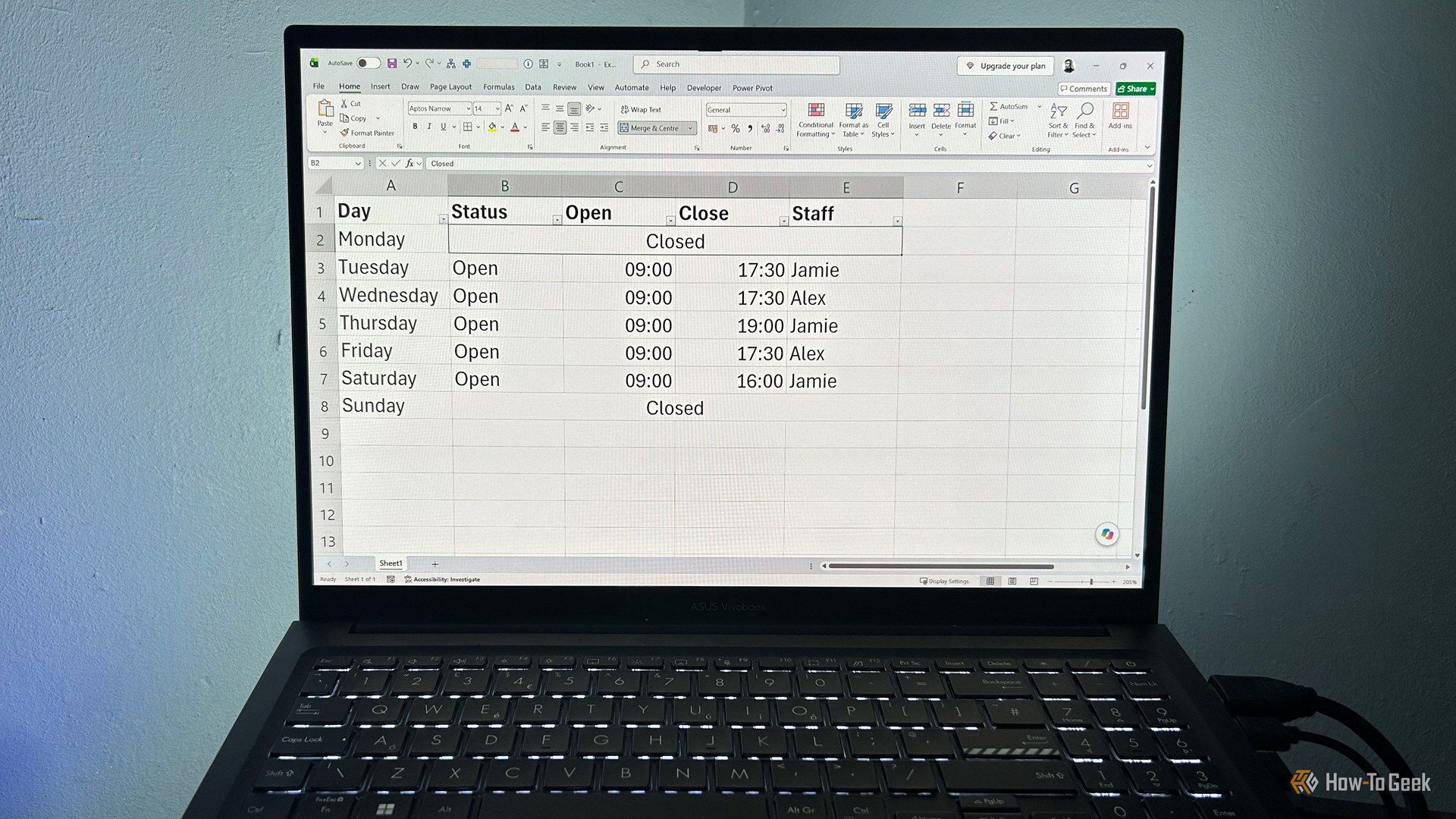
Ditch Merge & Center: The Better Way to Align Text in Excel
Learn to use Excel's "Center Across Selection" to align text across cells without merging, avoiding common data manipulation issues. This guide provides steps to utilize this newly accessible feature and add it to your Quick Access Toolbar.

Ars Technica's Rocket Report: Your Essential Space Industry Briefing
Quick Verdict Ars Technica's Rocket Report, presented by veteran space reporter Stephen Clark, offers an invaluable and meticulously organized weekly (or similar frequency, implied by "Edition 9.15") digest of the most
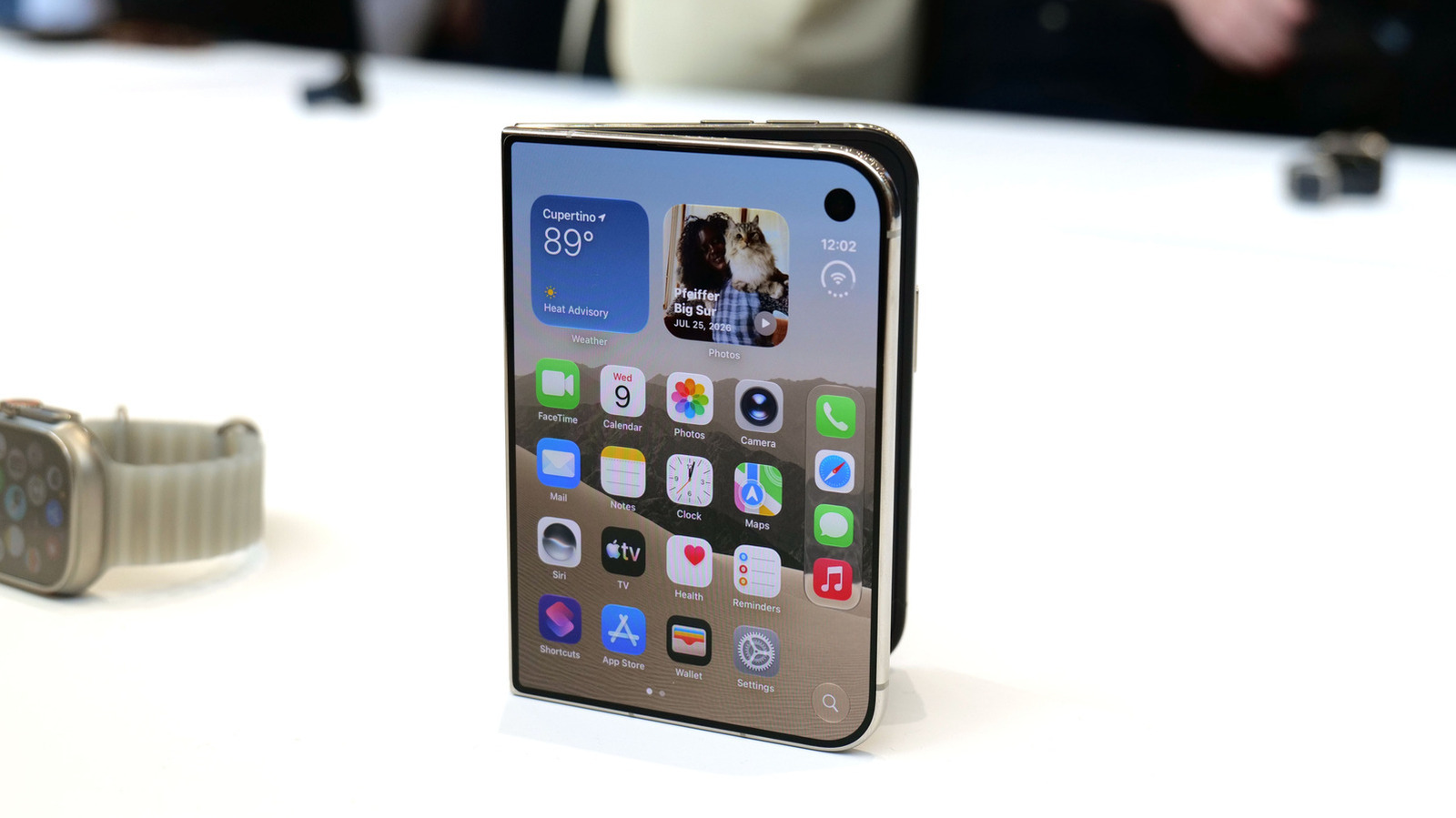
Apple iPhone Duo: A Daring Debut with Notable Compromises
Apple's highly anticipated iPhone Duo, priced at $2,000, has gone on pre-order. While hailed as "Apple's most exciting device in a decade" for its innovative foldable design and immersive display, it comes with significant drawbacks like the absence of FaceID and a premium camera.

Tesla Unveils Thruster-Equipped Roadster, 2028 Production Targeted
Tesla has unveiled its second-generation Roadster, featuring cold-gas thrusters co-developed with SpaceX, enabling it to jump and flip. The electric sports car demonstrated 0-60mph in an astonishing 0.81 seconds, with production targeted for 2028. This highly anticipated reveal also serves as a key recruitment tool for Tesla's ambitious AI and robotics initiatives.

Amazon Prime Video Launches AI-Powered Prime 360 for NBA Coverage
Amazon Prime Video is elevating its NBA coverage with the introduction of Prime 360, an AI-powered replay system offering immersive, 'fly through' views of the action. Kicking off its second season, Prime Video also adds Yahoo fantasy integration and gains exclusive Eastern Conference Finals rights, expanding its tech-driven sports broadcast. The new features aim to deliver a unique and interactive viewing experience for basketball fans.

regional: A two-person Seattle startup lands $1M to reinvent
Seattle startup TriMagnetix has secured $1 million to develop semiconductor chips that consume 800 times less energy and are radiation-resistant. The two-person company, leveraging nanomagnetic technology, is targeting space applications and data centers. With new funding and key partnerships, TriMagnetix aims for commercial sales within a year.