
Foldable Phones: From Love to Loathing
For a time, I was a fervent admirer of book-style foldable phones, utterly convinced they were the future of mobile technology. The allure of having a phone and a tablet seamlessly merge into one device was incredibly
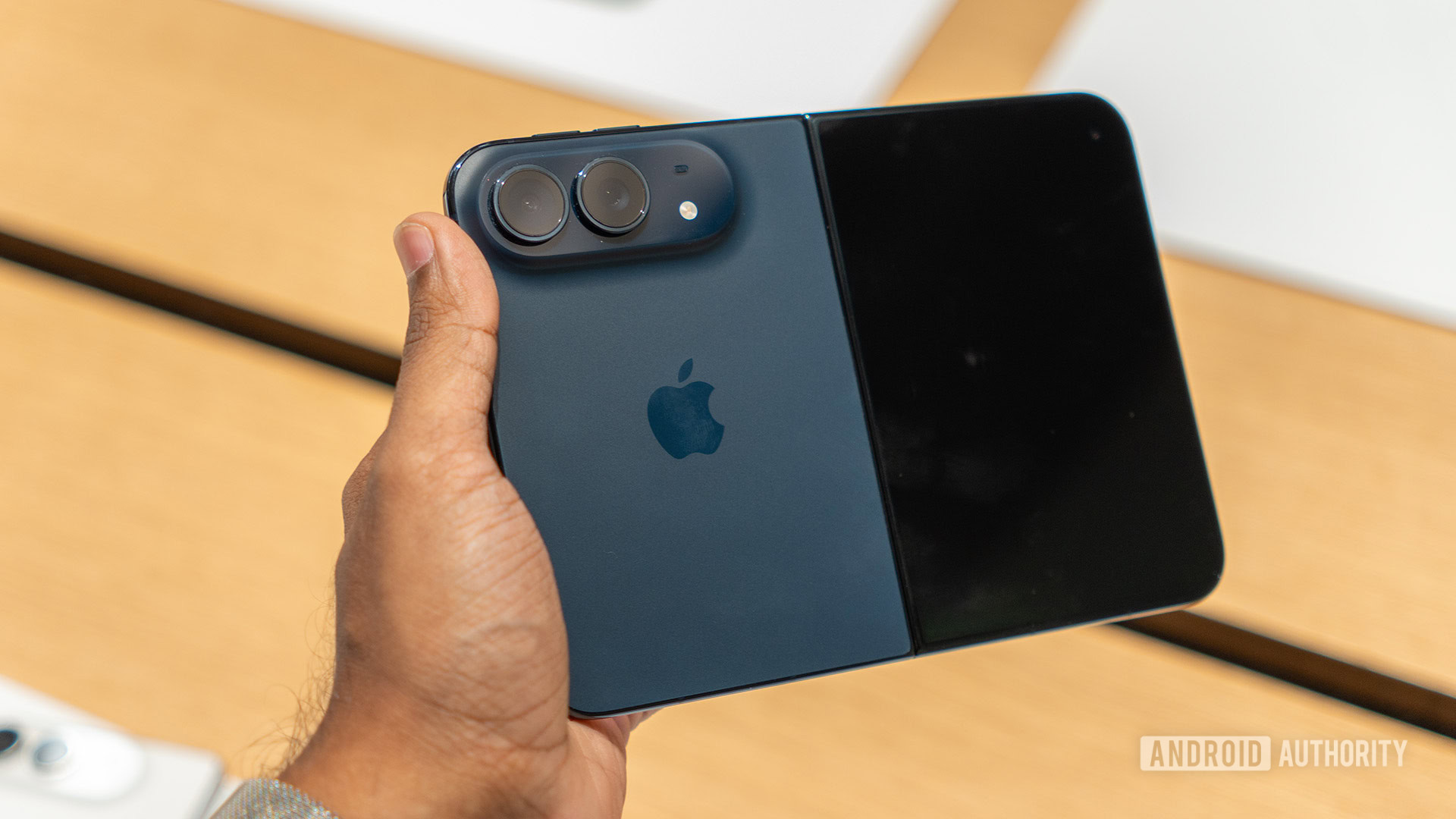
For a time, I was a fervent admirer of book-style foldable phones, utterly convinced they were the future of mobile technology. The allure of having a phone and a tablet seamlessly merge into one device was incredibly compelling. However, after the initial novelty wore off, my enthusiasm for foldables didn't just wane – it evaporated entirely. I've come to the rather firm conclusion that, for me, the compromises inherent in these complicated and expensive devices far outweigh their perceived benefits. It turns out that for true digital well-being and practical productivity, I much prefer keeping my phone and tablet distinctly separate.
The Promise and Pitfalls of 'One Device for Everything'
The foundational concept of a smartphone was revolutionary: consolidating a multitude of gadgets – a phone, a music player, a camera – into a single, portable unit. This made perfect sense two decades ago when individual devices were much more limited in scope. Foldables sought to push this consolidation further, promising the power of a tablet within a phone's footprint. Initially, I was swayed by the vision of a productivity powerhouse, capable of running multiple apps on a larger internal display whenever the need arose.
Yet, my real-world experience painted a different picture. Those moments requiring the expanded screen for intensive multitasking were surprisingly rare – perhaps only a couple of times a month. The effort and thought required to open the device often felt more like a chore than a natural extension of my workflow. This infrequent utility simply couldn't justify the various trade-offs. We’re well past 2010; convenience alone is no longer the sole metric for optimizing our tech setup. The underlying hardware compromises, such as a more fragile exterior or occasionally fewer camera lenses, are secondary to a more profound issue: the very idea of a single device that attempts to do two things but, in my experience, excels at neither.
Digital Well-being Through Device Separation: My New Philosophy
One of the most significant shifts in my perspective revolves around digital well-being. Modern life often blurs the lines between work, personal life, and leisure, with our phones acting as a constant hub for all of it. Notifications from work chats, social media, and personal messages relentlessly buzz on the same screen, making it incredibly difficult to truly disengage. I've experimented with countless digital well-being tools, but the most effective strategy I've discovered is counter-intuitive: more screens, not fewer.
This isn't about being constantly surrounded by tech, but rather about intentional compartmentalization. Think of it like this: when you power down your work laptop, it's a clear signal that the workday is over, prompting your mind to transition to personal activities. This mental shift is far stronger when physically switching devices, rather than relying on software features that muscle memory can quickly bypass. The very friction that many gadgets strive to eliminate has, ironically, become my anchor for sanity.
My approach, which I call 'compartmentalized computing,' involves deliberately creating distinct spaces for different types of interaction. For instance, wearing a smartwatch serves as a crucial friction point. Its tiny display is perfect for glancing at notifications or controlling media, allowing me to leave my phone behind without anxiety. Similarly, my tablet has become a dedicated entertainment hub, devoid of work or social media apps. It’s where I consume games, movies, magazines, and ebooks without interruption. This setup helps me use my phone less by leveraging other purpose-built screens, much like choosing to watch a movie on a TV rather than endlessly scrolling TikTok.
My Multi-Screen Setup: Purpose-Oriented Tech in Action
I've accepted that screens are an unavoidable part of contemporary life. Instead of fighting their presence, I've focused on creating opportunities to intentionally put my phone down. Here’s how my current setup looks:
- Smartwatch: Handles glanceable notifications and basic media controls, allowing my phone to stay out of reach more often.
- Tablet: My exclusive mobile entertainment center for media consumption, gaming, and reading, completely separate from work or social distractions.
- Smartphone: Handles essential communication and a curated set of apps, but I consciously prevent it from encroaching on tablet-level duties.
- Desk Setup (Laptop + Monitor): A dedicated workspace for professional tasks and complex activities like booking flights, clearly signaling a 'work mode' mental state.
This structure stands in stark contrast to book-style foldables, which I now perceive as awkwardly sitting in a compromised gray area, neither fully a phone nor a truly optimized tablet. They represent the opposite of the intentionality I seek in my gadgets. This philosophy aligns with a broader trend of purpose-oriented tech, from minimalist phones and dedicated music players to specialized cameras and screenless fitness trackers.
A Note on Flip Phones
While I'm critical of book-style foldables, I do find flip phones to be a more palatable concept. They offer space-saving benefits without straying too far from the traditional slab phone form factor. Their minimal outer displays can even serve as a decent digital well-being feature, providing quick access to notifications and media controls, potentially replacing a smartwatch for those purposes. If not for their generally poorer battery performance compared to standard handsets, they might even fit into my growing fondness for compact devices.
The Verdict: Personalization and Intentionality
Ultimately, what works for one person might not work for another. If your lifestyle truly benefits from the convenience of combining two devices into one, and you frequently utilize the expanded screen for productivity or media, then a book-style foldable might indeed be a worthwhile investment. They are custom-built for that specific use case, and for some, they genuinely make life easier.
However, for me, the battle for digital boundaries is an ongoing one. I find myself slipping more often than I'd like. This is precisely why I've opted for a more conscious approach to device usage, leveraging physical divisions to minimize lapses. My multi-device setup has proven incredibly robust in fostering this intentionality. No matter how many impressive new folding handsets I test, my main SIM card isn't going into one of them anytime soon.
FAQ
Q: Are foldable phones good for productivity? A: While foldables are often touted as productivity powerhouses due to their larger internal screens for multitasking, the author found that these productivity spurts were infrequent. For many, the compromises (complexity, cost, mental toll of an 'all-in-one' device) might not justify the occasional productivity boost.
Q: What is 'compartmentalized computing'? A: Compartmentalized computing is a strategy to improve digital well-being and focus by using different devices for specific purposes. This creates physical and mental distinctions between tasks like work, entertainment, and quick notifications, rather than relying on a single device for everything.
Q: Should I buy a foldable phone? A: The decision depends on your personal needs. If you prioritize traveling light, frequently need a larger screen for dual-app use, and find the combined convenience outweighs the potential compromises, a foldable could be a good fit. However, if you struggle with digital boundaries, prefer distinct devices for work and leisure, or find the cost and complexity unappealing for infrequent use, a traditional phone with companion devices (like a tablet or smartwatch) might be a better choice.
Related articles

Apple Unveils iPhone Duo: Pricey Foldable Sees Soaring Demand
Apple has officially entered the foldable smartphone arena with the long-anticipated launch of the iPhone Duo. Priced starting at a hefty $1,999, the device features a 5.4-inch outer display and a larger 7.6-inch inner
Android 17 QPR2 Beta 7.1: The Performance Relief You've Been Waiting
Android 17 QPR2 Beta 7.1: Finally Fixing the QPR1 Performance Woes Verdict: Android 17 QPR2 Beta 7.1 is a crucial and highly anticipated software update for Google Pixel users, specifically targeting and resolving the

DJI Solo Video Setups: Smart Choices for Lone Creators
This review delves into DJI's recommended solo video setups, highlighting the Osmo Pocket 3 Creator Combo as a top pick for its integrated camera, gimbal, and mic. It also covers stabilizers like the Osmo Mobile 8 and RS 4, and the DJI Mic Mini series for enhanced audio, providing honest pros, cons, and clear buying advice.

Ars Technica's Rocket Report: Your Essential Space Industry Briefing
Quick Verdict Ars Technica's Rocket Report, presented by veteran space reporter Stephen Clark, offers an invaluable and meticulously organized weekly (or similar frequency, implied by "Edition 9.15") digest of the most

Apple iPhone Duo: A Daring Debut with Notable Compromises
Apple's highly anticipated iPhone Duo, priced at $2,000, has gone on pre-order. While hailed as "Apple's most exciting device in a decade" for its innovative foldable design and immersive display, it comes with significant drawbacks like the absence of FaceID and a premium camera.

KDE Plasma 6.8: A Future-Focused 30th Anniversary Update
Quick Verdict KDE Plasma 6.8, arriving as the "30th Anniversary Edition," is a pivotal release that decisively pushes the desktop environment into the future. With a definitive farewell to native X11 sessions and a