
Foldable Phone Cases: Essential but Imperfect Protection
As an experienced tech reviewer, I've seen countless accessories promise ultimate protection. For the revolutionary, yet delicate, foldable smartphone, a protective case feels less like an option and more like a
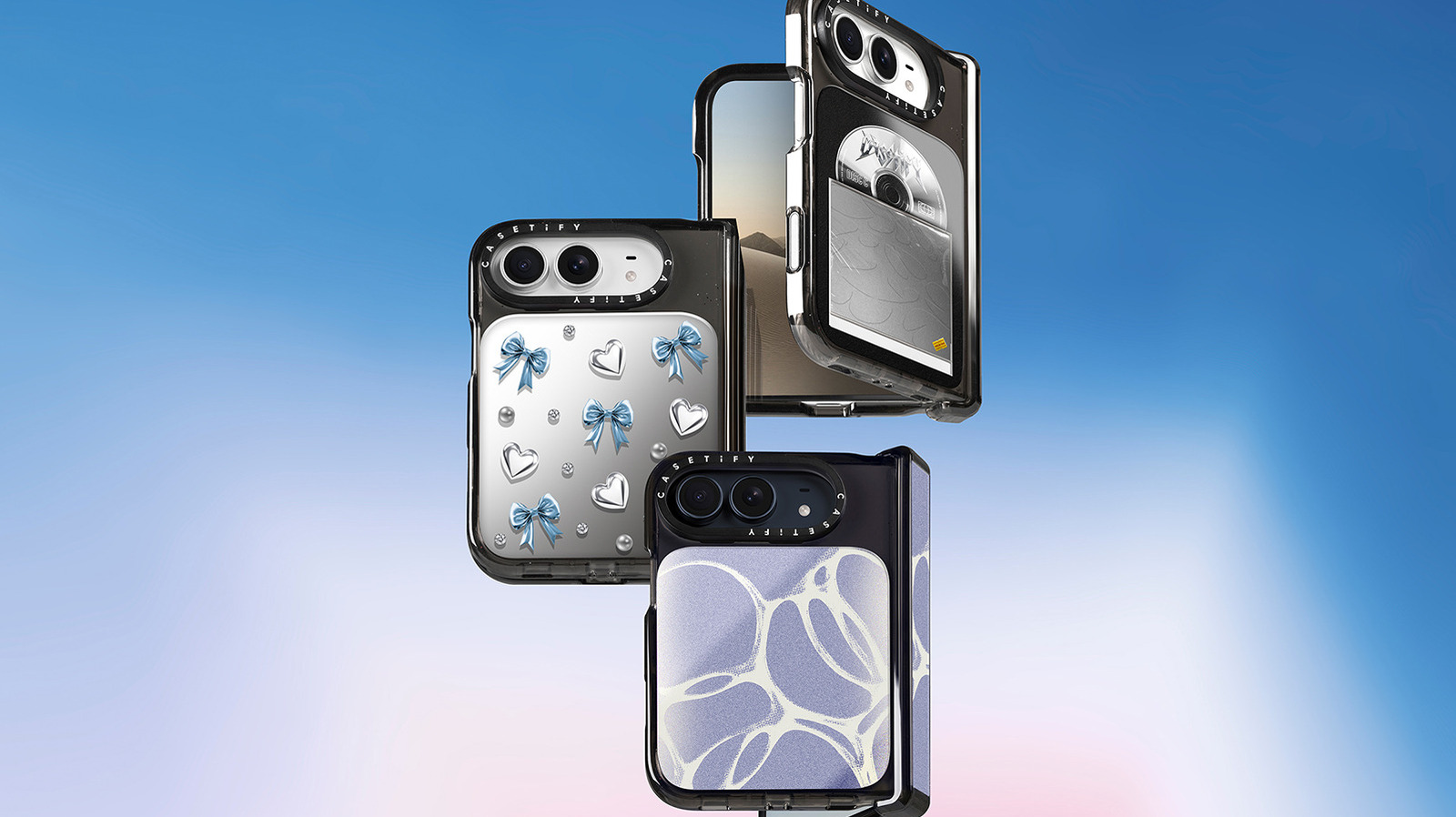
As an experienced tech reviewer, I've seen countless accessories promise ultimate protection. For the revolutionary, yet delicate, foldable smartphone, a protective case feels less like an option and more like a necessity. But what do these specialized cases truly safeguard, and where do they fall short? Let’s dive into an honest assessment.
The Crucial Role of Cases for Foldables
Foldable phones, like the Samsung Galaxy Z Fold 8 or the Apple iPhone Duo, represent a significant investment and a leap in mobile technology. Their innovative hinge design, while offering incredible versatility, also introduces unique vulnerabilities not found in traditional 'bar' phones. This inherent fragility, often coupled with lower dust-resistance ratings, makes a protective case the first, most crucial accessory you should acquire. Manufacturers face a considerable challenge: creating a case that offers robust protection without impeding the phone's unique folding mechanism or compromising its sleek aesthetic. While progress is being made, understanding what these cases can and cannot do is key to managing expectations.
What Foldable Phone Cases Aim to Protect
Most foldable phone cases adopt a two-part design, reflecting the phone's dual-panel structure. Typically, they cover the phone's back and sides, extending slightly to the front perimeter. This design is primarily intended to guard against common hazards like drops, impacts, scratches, and scuffs.
Specific areas of protection include:
- Back and Sides: The main body of the phone is shielded from direct contact, preventing cosmetic damage and absorbing shock from falls.
- Camera Island: Cases often feature a slightly raised edge around the camera module, providing a buffer that protects the lenses from direct impact when the phone is laid flat.
- Front Screen: A raised lip around the outer screen's perimeter helps prevent the display from touching surfaces directly, reducing scratch risk. Some cases go a step further, offering kits that include a separate screen protector or integrating one into the case design for comprehensive cover screen defense.
- The Hinge (in some cases): While many basic cases leave the hinge exposed, several brands now offer specialized hinge protection. For instance, Casetify's upcoming iPhone Duo case boasts 'Duo-Lock hinge protection,' which it claims disperses energy from drops. Similarly, brands like CaseBorne, Supcase, and Otterbox offer rugged cases that integrate hinge protection, often connecting the front and back sections of the case. These advanced designs aim to shield this critical moving part from external damage.
Cases are steadily improving, moving beyond mere covers to offer more comprehensive solutions, sometimes incorporating anti-reflective films or built-in kickstands for added utility. The Supcase Unicorn Beetle Pro for the Galaxy Z Fold 6, for example, combines a built-in tempered glass screen protector with hinge protection that cleverly doubles as an S Pen holder.
Where Protection Falls Short: The Dust Dilemma
Despite advancements in hinge protection and drop resistance, there remains a significant Achilles' heel for foldable phones, and consequently, for their cases: dust. The very nature of a folding screen means that when the device is closed, there's a risk of microscopic dust particles getting trapped inside the hinge mechanism or between the two halves of the display. Even imperceptible particles can cause damage, ranging from minor scuffs to screen cracks.
This vulnerability is why many foldable phones historically carry lower dust-resistance ratings compared to traditional bar phones. For example, the Samsung Galaxy Z Fold 8 has an IP48 rating, indicating a susceptibility to fine dust particles impacting the screen and hinge. While newer models like the iPhone Duo and Google Pixel 11 Pro Fold are improving with impressive IP68 ratings, the dust issue remains a concern for many foldable devices, including those with slightly better ratings like the Motorola Razr Fold's IP49.
Crucially, no foldable phone case currently offers foolproof protection against dust infiltrating the folded screen or the hinge mechanism. While cases protect the exterior from larger debris and impacts, they cannot seal the intricate internal components from fine particulate matter.
Design, Aesthetics, and User Experience Trade-offs
The journey to a perfect foldable case is paved with trade-offs. Manufacturers constantly grapple with balancing robust protection against the desire to maintain the device's sleek profile and user experience.
- Bulkiness: Cases with advanced hinge protection, such as those from Casetify, CaseBorne, Supcase, and Otterbox, often add considerable heft and bulk to the phone. While this enhances durability, it detracts from the slim, pocketable appeal of a folded phone.
- Sleekness vs. Security: More basic, minimalist cases might preserve the phone's original design better but offer less comprehensive protection, particularly around the hinge or cover screen.
- Functionality: Some cases integrate useful features like kickstands (e.g., Samsung's Carbon Standing Case) or S Pen holders, enhancing convenience but potentially adding to the overall footprint.
The Verdict: A Necessary Compromise
Foldable phone cases are an indispensable accessory for anyone owning one of these expensive and delicate devices. They offer vital protection for the phone's exterior — its back, sides, camera lenses, and outer screen — against the inevitable bumps, drops, and scratches of daily life. The evolution of hinge protection in more rugged cases is a welcome development, significantly mitigating risks to this critical moving part from external impacts.
However, it's essential to be realistic about their limitations. The primary internal threat to foldable phones – microscopic dust and debris – remains largely unaddressed by even the most advanced cases. Owners must still exercise additional care, regularly wiping down their device before closing it and using a soft brush to clean the hinge area.
Pros:
- Excellent protection against drops, impacts, scratches, and scuffs on the phone's exterior.
- Raised edges safeguard camera lenses and the outer screen.
- Many rugged options now offer dedicated hinge protection against external forces.
- Some cases include useful features like kickstands or S Pen holders.
Cons:
- Do NOT protect against internal dust/debris accumulation within the hinge or folded screen, which is a major vulnerability for foldables.
- Cases with comprehensive protection often add significant bulk to the device.
- Basic two-part cases may leave the hinge and cover screen highly exposed.
Recommendation
Yes, you absolutely need a case for your foldable phone. Given their premium price and unique vulnerabilities, a case is an investment in protecting your device. Opt for a case that offers robust protection for the back, sides, and ideally, includes dedicated hinge protection. However, be aware that even the best case won't make your foldable phone impervious to dust. Supplement your case with diligent cleaning practices to truly extend the life of your device.
FAQ
Q: Do foldable phone cases protect against dust and water? A: Foldable phone cases offer minimal to no protection against dust or water getting into the hinge mechanism or between the folded screens. While some foldable phones have improved IP ratings for water resistance, cases primarily protect against external physical damage, not internal environmental ingress.
Q: Are foldable phone cases bulky? A: It depends on the level of protection. Basic two-part cases are generally slimmer, but they often leave the hinge exposed. More rugged cases, especially those with integrated hinge protection, can add noticeable bulk and weight to the device as a trade-off for enhanced durability.
Q: Should I still use a screen protector with a foldable phone case? A: Yes, it's highly recommended. While many cases offer a raised lip around the outer screen, an additional screen protector, either included with the case or purchased separately, provides an extra layer of defense against scratches and minor impacts for the crucial cover display.
Related articles

Apple Unveils iPhone Duo: Pricey Foldable Sees Soaring Demand
Apple has officially entered the foldable smartphone arena with the long-anticipated launch of the iPhone Duo. Priced starting at a hefty $1,999, the device features a 5.4-inch outer display and a larger 7.6-inch inner
Android 17 QPR2 Beta 7.1: The Performance Relief You've Been Waiting
Android 17 QPR2 Beta 7.1: Finally Fixing the QPR1 Performance Woes Verdict: Android 17 QPR2 Beta 7.1 is a crucial and highly anticipated software update for Google Pixel users, specifically targeting and resolving the

DJI Solo Video Setups: Smart Choices for Lone Creators
This review delves into DJI's recommended solo video setups, highlighting the Osmo Pocket 3 Creator Combo as a top pick for its integrated camera, gimbal, and mic. It also covers stabilizers like the Osmo Mobile 8 and RS 4, and the DJI Mic Mini series for enhanced audio, providing honest pros, cons, and clear buying advice.

Ars Technica's Rocket Report: Your Essential Space Industry Briefing
Quick Verdict Ars Technica's Rocket Report, presented by veteran space reporter Stephen Clark, offers an invaluable and meticulously organized weekly (or similar frequency, implied by "Edition 9.15") digest of the most

Apple iPhone Duo: A Daring Debut with Notable Compromises
Apple's highly anticipated iPhone Duo, priced at $2,000, has gone on pre-order. While hailed as "Apple's most exciting device in a decade" for its innovative foldable design and immersive display, it comes with significant drawbacks like the absence of FaceID and a premium camera.

KDE Plasma 6.8: A Future-Focused 30th Anniversary Update
Quick Verdict KDE Plasma 6.8, arriving as the "30th Anniversary Edition," is a pivotal release that decisively pushes the desktop environment into the future. With a definitive farewell to native X11 sessions and a