
Fez 2's Ghost: Why We Never Needed a Sequel Anyway
Fez, released in 2012, was a groundbreaking indie puzzle-platformer that captivated players with its unique perspective-shifting gameplay. Despite the dramatic cancellation of its planned sequel, Fez 2, the original game's influence has continued to shape the industry, inspiring a generation of innovative titles.
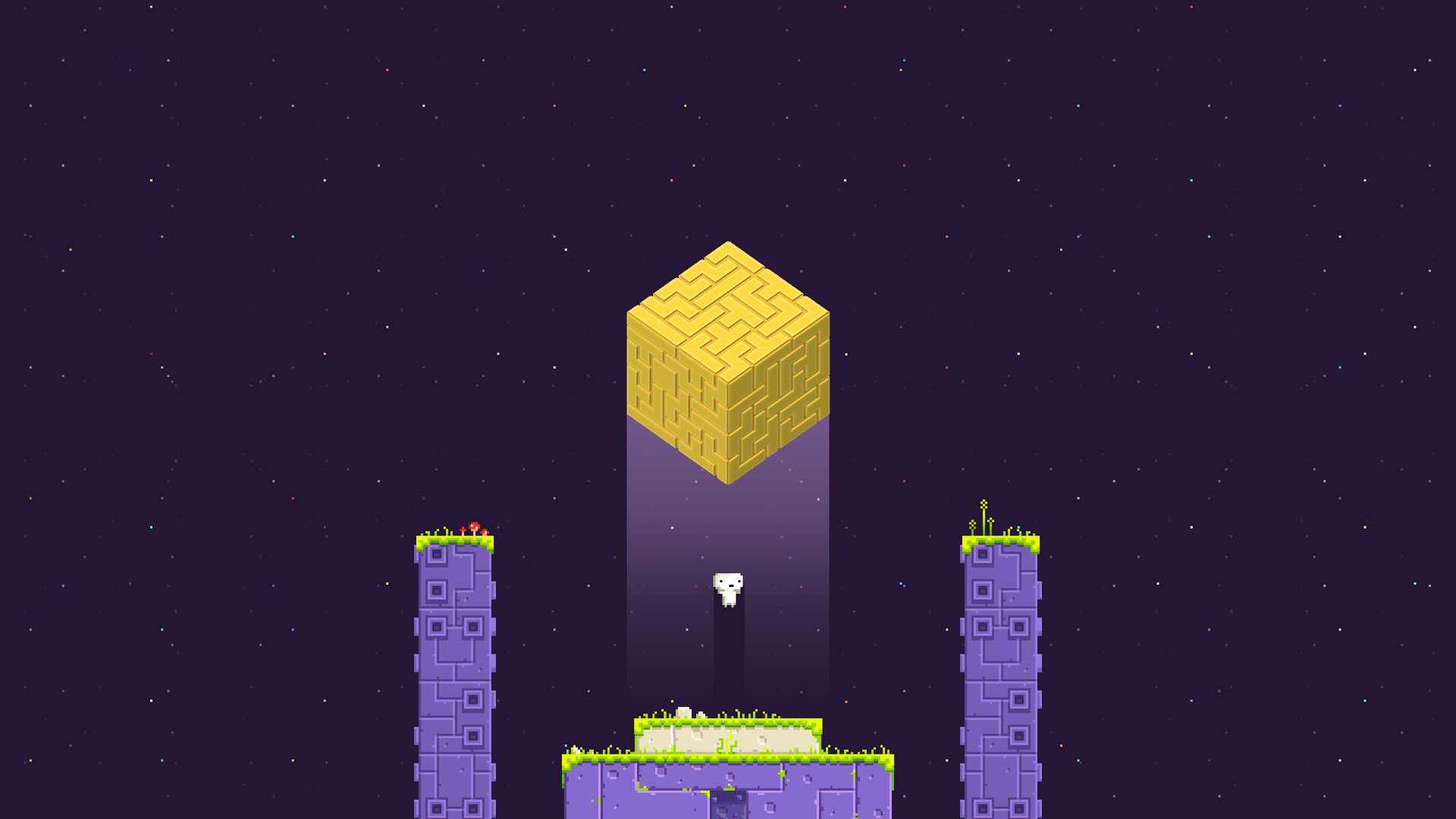
I don't think I'll ever forget the sheer magic of playing Fez for the first time. Back in 2012, fresh out of college in NYC, my gaming exposure was limited. My roommate's Xbox 360, however, became my portal to blockbusters and, crucially, to Fez on Xbox Live Arcade. It was a revelation. Its perspective-shifting trick felt like an impossible magic act, shaping my taste and altering how I viewed the medium. I craved more.
Just two years later, I vividly recall its creator, Phil Fish, publicly announcing the cancellation of Fez 2 amid a social media storm. It felt like a crushing blow, an empire crumbling. But with over a decade of hindsight, I've come to understand Fez 2 was never truly necessary. The vibrant ecosystem of games it inspired has proven far more meaningful than any direct sequel could have been.
A Mind-Bending Revelation From the Indie Gold Rush
Released in 2012 by Polytron, Fez was an unconventional puzzle game defying expectations. While screenshots suggested a simple 2D indie platformer, the reality was a masterful illusion. Its core twist allowed players to rotate seemingly two-dimensional environments, revealing hidden 3D paths and secrets – an invention that pushed platformer boundaries. In 2012's indie gold rush, Fez was mind-bending, challenging genre conventions and revealing uncharted territory. This gameplay perspective shift encouraged creators to embrace inventive designs, cementing Fez as a foundational classic.
The Meteoric Rise and Abrupt Fall
Fez's journey from indie darling to cultural phenomenon, and its abrupt halt, unfolded with astonishing speed. Its profile soared in 2012, partly thanks to Indie Game: The Movie, which chronicled its development. Phil Fish, its enigmatic creator, became a minor celebrity overnight as Twitter cemented its status. Anticipation led to Fez 2's announcement in June 2013. Yet, just one month later, the dream shattered. Fish famously tweeted: "Fez 2 is cancelled. I am done..." The gaming world watched, stunned, as a potential sequel vanished.
An Empire Erased, Or So We Thought
Even in an industry accustomed to public drama, Fez 2's cancellation felt uniquely jarring. Perhaps it was the novelty of witnessing such an implosion publicly, or because Fez had felt like the dawn of a new empire in 2012 – a vanguard of the indie movement poised to become a modern classic. To lose Fez 2 so swiftly felt like watching history delete itself in real-time, creating a profound sense of loss. However, even if that chaos seemed to dampen its direct cultural momentum, Fez's fundamental influence proved impossible to erase.
The Ever-Expanding Legacy of a "Magic Trick"
While Fez might not be instantly name-dropped as a direct inspiration like Disco Elysium, its impact is distinct. Fez achieved something so groundbreaking that its unique "magic trick" evolved into a core element of gaming's foundational language. We no longer solely attribute perspective-shifting to Fez; it's become as fundamental to game design as the jump button itself.
Consider games that carried its torch: Antichamber (impossible illusions), The Pedestrian (road signs as platforming challenges), and Viewfinder (photos into 3D environments). The upcoming Screenbound, which impressed me at GDC, elevates Fez's concept by allowing players to navigate a 2D and 3D game simultaneously. These titles are living proof of Fez's enduring legacy.
Why Fez 2's Absence Was Its Greatest Gift
Sometimes, I genuinely believe it's better Fez never received a direct sequel. Had Fez 2 gone into production, immense pressure on Polytron to deliver another groundbreaking experience would have been enormous. Phil Fish, in a 2023 interview, cited this daunting pressure as a key reason for cancellation. Failure to replicate Fez's initial impact could have unfairly dismissed the original as a one-time gimmick.
Instead, Fez 2's absence left an invaluable door wide open. It created fertile ground for countless developers to stake their own claims on that untapped potential. You don't need a direct Fez 2 when an entire generation of games still enthusiastically follow Polytron's trailblazing lead. This distributed legacy arguably makes Fez a more impactful masterpiece than a singular sequel ever could have.
Perhaps the true mark of a gaming masterpiece isn't its ability to spawn a successful sequel, but its power to reshape the medium from a distance, inspiring innovation for decades without ever needing to directly follow itself. Fez, in its quiet influence, achieved precisely that.
FAQ
Q: When was the original Fez released and on what platform?
A: Fez was originally released in 2012 on Xbox Live Arcade for the Xbox 360.
Q: Why was Fez 2 cancelled?
A: Fez 2 was cancelled by its creator, Phil Fish, in July 2013, citing immense pressure, public scrutiny, and the culmination of a "long, bloody campaign" as key reasons.
Q: What kind of influence did Fez have on other games?
A: Fez popularized the concept of perspective-shifting as a core puzzle and platforming mechanic, inspiring numerous indie titles like Antichamber, The Pedestrian, Viewfinder, and Screenbound to explore similar innovative approaches to game design.
Related articles
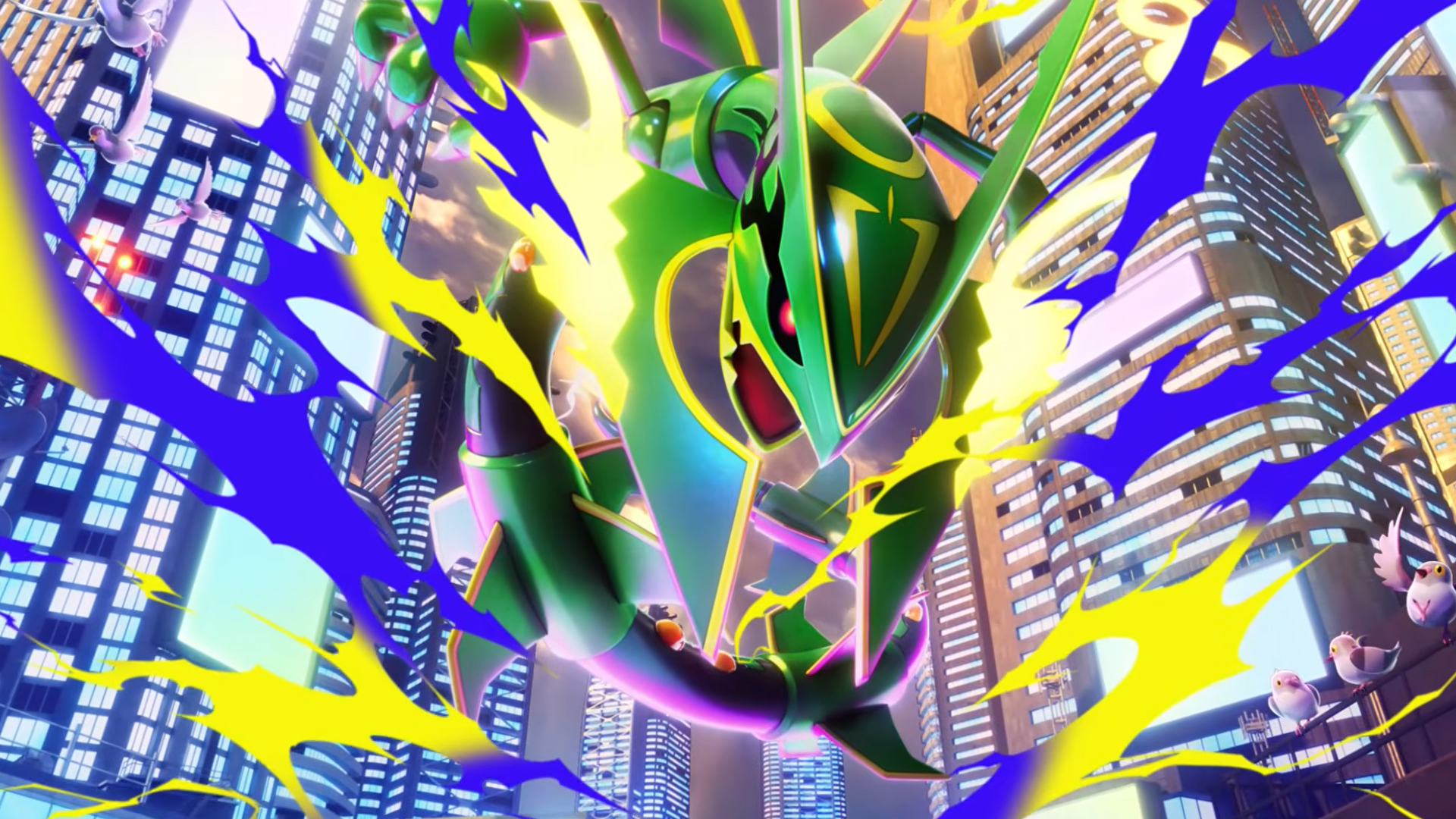
TCG Pocket Responds: A Much-Needed Pace Shift for Pokémon Fans
Pokémon TCG Pocket is rolling out a major update for its second anniversary, primarily addressing player concerns about overwhelming content releases by shifting to a six-week set schedule. This aims to curb player decline and improve overall engagement by giving trainers more time to collect and strategize. The update also adds new collection methods, improved deck-building features, and enhanced trading functionality.
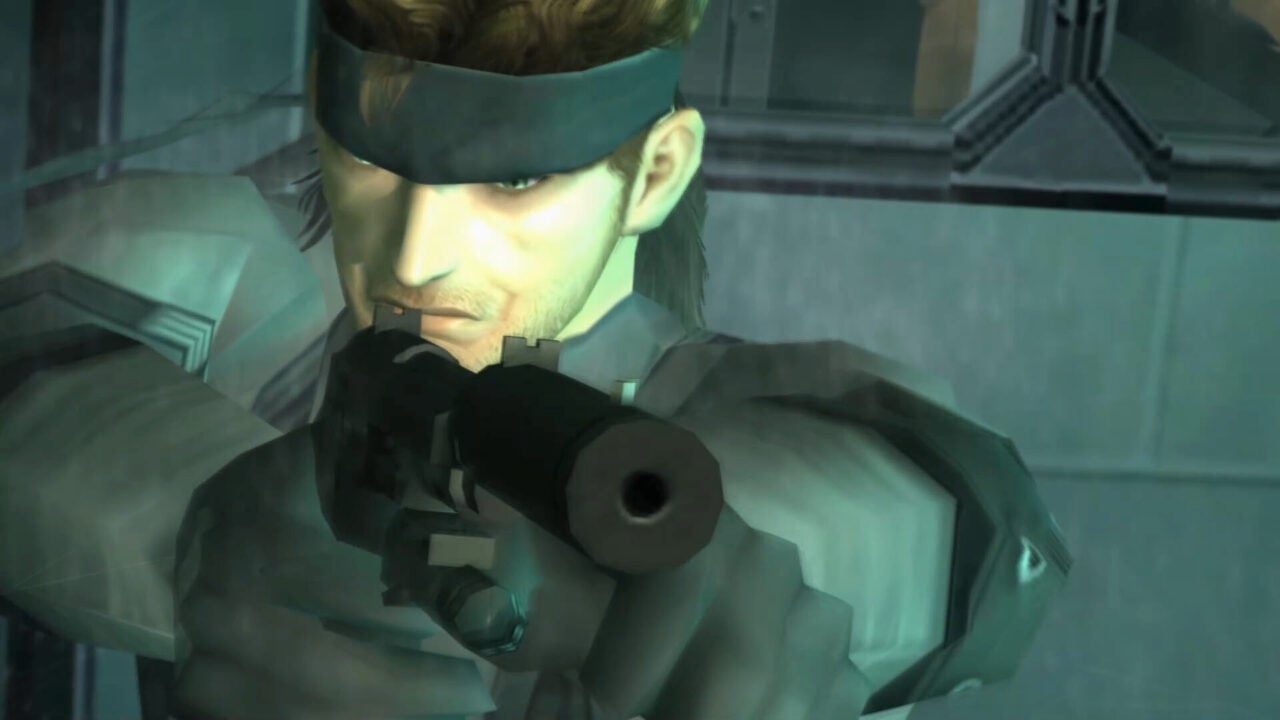
Kojima Compares Divisive New Film 'Digger' to MGS2's Prescient Vision
Gaming icon Hideo Kojima has praised the divisive 2026 film *Digger*, drawing intriguing parallels to his own prophetic game, *Metal Gear Solid 2*. Both works, he explains, uniquely explore the dangers of misinformation and a fragmented digital reality, anxieties he shares with *Digger*'s director, Alejandro González Iñárritu.
Galaxy Watch One UI 9 Beta: Promising Progress, But Patience Needed
Galaxy Watch 8, Watch Ultra, and Watch 7 are receiving a new One UI 9 Watch beta build with bug fixes and a security patch. Active development signals progress, but a stable release date remains elusive.
Ubisoft Proposes German Studio Workforce Reduction Amidst
Ubisoft is planning a voluntary departure program for about 100 employees across its Düsseldorf, Berlin, and Mainz studios in Germany. This move is part of a larger, ongoing cost-reduction and restructuring effort by the publisher, aiming to better position its studios for future projects.
TGS 2026: These Forward-Looking Cosplays Are Already Living in the
Tokyo Game Show 2026 showcased incredible cosplay, with many fans embodying characters from unreleased games like *Blast Blade* and *Mononoke No Kuni*. This gallery highlights the community's foresight, alongside debut *Palworld* cosplay and refreshed takes on classics. It’s a testament to the passion that brings gaming's future to life.
Beyond the Bugs: Conquering Studio Headaches in Indie Dev
This guide, part three in a series on running an indie studio, tackles the crucial but often overlooked aspect of dealing with non-development related issues. It introduces creating a shared 'studio backlog' for collective problems and using the IDS (Identify, Discuss, Solve) framework to address them constructively. The core message is to build powerful habits that keep studios from getting quietly derailed by lingering challenges.