
Farewell, Blades: The Forgotten Elder Scrolls Mobile RPG Bows Out
The Elder Scrolls: Blades, a free-to-play mobile RPG from 2020, is officially shutting down on June 30, 2026. Plagued by microtransactions and lacking core Elder Scrolls elements, it struggled to find an audience. Its demise leaves The Elder Scrolls: Castles as the last mobile title.

Farewell, Blades: The Forgotten Elder Scrolls Mobile RPG Bows Out
In the sprawling, lore-rich universe of The Elder Scrolls, there are titans like Skyrim and Oblivion, legendary adventures that have captivated millions. Then there are the… other titles. The ones that might exist quietly in the periphery, occasionally sparking a memory of "oh yeah, that game." Today, we're talking about one such game, The Elder Scrolls: Blades, which is officially packing up its dungeon-crawling gear and shutting down for good on June 30, 2026.
It’s a quiet end for a game that, despite its pedigree, never quite managed to carve out a significant place in the hearts of Tamriel’s most dedicated fans. This news follows a familiar pattern for Bethesda’s mobile ventures, with The Elder Scrolls: Legends, a digital collectible card game from 2017, having already faded into the ether in January 2025 (though its development was actually halted much earlier, in 2019). Once Blades is gone, that leaves The Elder Scrolls: Castles, a management sim officially released in 2024, as the last bastion of Elder Scrolls action on our pocket devices.
What Even Was Elder Scrolls: Blades, Anyway?
For those who might have genuinely forgotten, or perhaps never even knew, The Elder Scrolls: Blades arrived on the scene in 2020. It was a free-to-play mobile RPG, promising a slice of the Elder Scrolls experience for gamers on the go. The core premise saw players return to their destroyed hometown, which served as their central hub. Your main objective? To restore this beleaguered settlement to its former glory. How did you do that? By venturing into enemy-filled dungeons, completing quests, and generally battling your way through typical fantasy fare.
Visually, Blades aimed high for a mobile title, showcasing some impressive graphics at launch. It tried to bring that familiar high-fantasy aesthetic to smaller screens, and in its early access, it even garnered some cautious optimism. Our own Zack Zwiezen at Kotaku, for instance, found the core gameplay loop to be "fun and satisfying" initially. There was a glimmer of potential there, a hope that this could be a worthwhile diversion for fans eagerly awaiting the next mainline installment.
The Promise and the Pitfalls: Blades' Core Loop
While the idea of an Elder Scrolls mobile RPG sounded great on paper, the execution quickly revealed some significant deviations from what fans expected from the series. A core complaint from many players was the absence of some of The Elder Scrolls' most beloved and defining features. Forget vast, sprawling open worlds begging for exploration; Blades offered a much more linear, dungeon-based experience. The rich tapestry of unique and memorable NPCs and enemies that breathe life into the main games? Largely missing here, replaced by more generic encounters and quest givers.
This pared-down approach, while perhaps necessary for a mobile platform, often felt like a compromise too far. The initial enjoyment derived from the combat and questing loop, which some critics praised, was frequently overshadowed by deeper issues that became increasingly apparent as players spent more time with the game. It’s hard to feel like you’re truly in Tamriel when the very elements that make Tamriel feel alive are scaled back or absent entirely.
Microtransactions and Monotony: Why It Never Took Off
Ultimately, the game's fate was largely sealed by what many players considered to be its most egregious flaws: an overreliance on microtransactions and frustratingly long wait times. As a free-to-play title, Blades wasn't shy about prompting players to spend real money to accelerate progress or acquire in-game resources. These predatory monetization schemes often bogged down the experience, turning what could have been an enjoyable casual RPG into a tedious grind unless you were willing to open your wallet. The constant pressure to pay or wait severely hampered the enjoyment of many, pushing them away from the game.
Couple this with generally negative reviews from both critics and players, and it becomes clear why Blades never managed to cultivate a dedicated, large player base. The initial buzz quickly faded, replaced by widespread sentiment that the game simply wasn't living up to the Elder Scrolls name, largely due to its monetization model and the repetitive nature of its limited gameplay loop. The addition of roguelike dungeon crawler and PvP modes tried to add variety, but it wasn’t enough to stem the tide of player attrition.
A Glimmer of Hope That Never Was: The Preservation Debate
Perhaps the most frustrating aspect of Blades' demise, beyond its inherent flaws, is the decision to shut it down entirely rather than find a way to preserve it. In a world where digital games can vanish overnight, the idea of an Elder Scrolls title becoming completely inaccessible is a bitter pill to swallow for some. There's a precedent for preserving such games; look at Animal Crossing: Pocket Camp Complete. While its transition wasn't flawless, Nintendo showed it's possible to remove microtransactions from a free-to-play game and re-release it as a paid, offline experience that players can still enjoy.
It’s a real shame that Bethesda apparently chose not to pursue a similar path for Blades. Imagine a version of the game, free from the shackles of excessive wait timers and aggressive monetization, available as a one-time purchase. It might have finally been able to shine, revealing that "fun and satisfying" core gameplay loop without the constant pressure to pay. Alas, it was not to be.
What's Left? The Future of Elder Scrolls on Mobile
With The Elder Scrolls: Blades joining Legends in the annals of forgotten mobile games, The Elder Scrolls: Castles stands as the sole mobile title bearing the legendary name. It's a different beast entirely, a management sim rather than a direct RPG or card game, perhaps indicating a shift in strategy for Bethesda’s mobile division. Only time will tell if Castles can succeed where its predecessors faltered, or if it too will eventually face the same inevitable fate.
For now, let's remember Blades for what it was: an ambitious, if flawed, attempt to bring Tamriel to our pockets. While its legacy is mixed, its departure serves as another reminder of the often-ephemeral nature of live-service mobile games. June 30, 2026, will mark the day another Elder Scrolls tale concludes, not with a bang, but with a server shutdown.
FAQ
Q: What is The Elder Scrolls: Blades?
A: The Elder Scrolls: Blades was a free-to-play mobile RPG released in 2020. Players managed and rebuilt a destroyed town by undertaking quests and clearing enemy-filled dungeons.
Q: When is The Elder Scrolls: Blades officially shutting down?
A: The game will permanently cease operations and shut down its servers on June 30, 2026.
Q: Why is The Elder Scrolls: Blades being discontinued?
A: While no official statement from Bethesda detailing the exact reasons for the shutdown is provided, the game struggled with widespread negative player feedback concerning excessive microtransactions, long wait times, and a general lack of core Elder Scrolls features like open-world exploration. It ultimately failed to build a significant player base.
Related articles

DJI Solo Video Setups: Smart Choices for Lone Creators
This review delves into DJI's recommended solo video setups, highlighting the Osmo Pocket 3 Creator Combo as a top pick for its integrated camera, gimbal, and mic. It also covers stabilizers like the Osmo Mobile 8 and RS 4, and the DJI Mic Mini series for enhanced audio, providing honest pros, cons, and clear buying advice.
TCG Pocket Responds: A Much-Needed Pace Shift for Pokémon Fans
Pokémon TCG Pocket is rolling out a major update for its second anniversary, primarily addressing player concerns about overwhelming content releases by shifting to a six-week set schedule. This aims to curb player decline and improve overall engagement by giving trainers more time to collect and strategize. The update also adds new collection methods, improved deck-building features, and enhanced trading functionality.
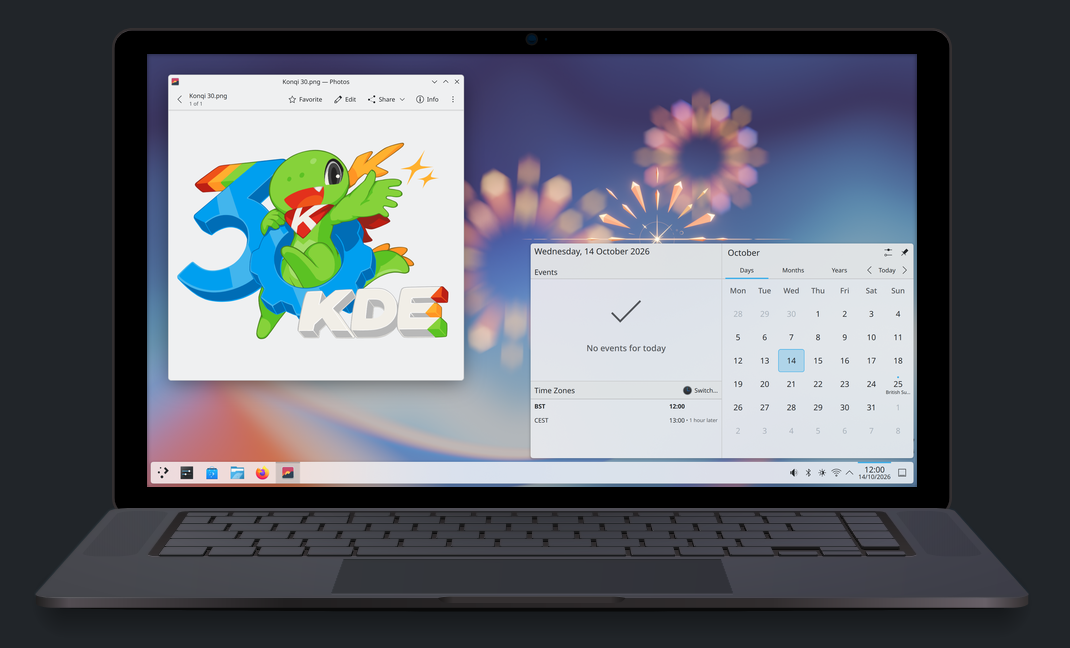
KDE Plasma 6.8: A Future-Focused 30th Anniversary Update
Quick Verdict KDE Plasma 6.8, arriving as the "30th Anniversary Edition," is a pivotal release that decisively pushes the desktop environment into the future. With a definitive farewell to native X11 sessions and a

Kojima Compares Divisive New Film 'Digger' to MGS2's Prescient Vision
Gaming icon Hideo Kojima has praised the divisive 2026 film *Digger*, drawing intriguing parallels to his own prophetic game, *Metal Gear Solid 2*. Both works, he explains, uniquely explore the dangers of misinformation and a fragmented digital reality, anxieties he shares with *Digger*'s director, Alejandro González Iñárritu.
Ubisoft Proposes German Studio Workforce Reduction Amidst
Ubisoft is planning a voluntary departure program for about 100 employees across its Düsseldorf, Berlin, and Mainz studios in Germany. This move is part of a larger, ongoing cost-reduction and restructuring effort by the publisher, aiming to better position its studios for future projects.

TGS 2026: These Forward-Looking Cosplays Are Already Living in the
Tokyo Game Show 2026 showcased incredible cosplay, with many fans embodying characters from unreleased games like *Blast Blade* and *Mononoke No Kuni*. This gallery highlights the community's foresight, alongside debut *Palworld* cosplay and refreshed takes on classics. It’s a testament to the passion that brings gaming's future to life.