
Fall 2026: An Epic Lineup That Could Break the Industry
The Fall 2026 video game release slate is incredibly stacked with highly anticipated titles, from Switch 2 exclusives to a new Wolverine game and the monumental Grand Theft Auto 6. However, this glut of releases, coupled with a challenging economic climate and fierce competition, poses a significant threat to many developers, potentially leading to a 'bloodbath' for smaller studios and a more fractured industry.

The air is crisp, pumpkin spice lattes are back, and the gaming world is gearing up for what looks like one of the most ridiculously stacked release seasons in recent memory. Fall 2026 is upon us, bringing a torrent of highly anticipated titles that would make any gamer salivate. From long-awaited exclusives to ambitious new IPs, it feels like every studio is dropping their magnum opus. But beneath this glittering surface lies a darker truth, a competitive landscape so fierce it could turn this supposed bounty into an industry-wide bloodbath. Is this overwhelming wave of content a cause for celebration, or a prelude to disaster for countless talented developers? I’m leaning towards the latter, and honestly, it’s a terrifying prospect for the health of the industry.
September's Stacked Deck
Just looking at September, it’s hard to believe how many massive titles are vying for our attention and wallets. Early in the month, Nintendo Switch 2 owners get to dive into the co-op ’80s anime adventure, Orbitals. On the very same day, ambitious RPG fans are called to the dark allure of The Blood of Dawnwalker, a vampire epic crafted by Witcher veterans, aiming to carve its own legend. Capcom brings back Onimusha shortly after, followed by a new asymmetrical multiplayer horror game starring Michael Myers from the Halloween series. Even indie darlings are in on the action, with Valheim dropping its highly anticipated 1.0 update on September 9th, only to face a similar-sounding challenger in Runescape Dragonwilds a week later.
And we haven't even touched the heavy hitters. PlayStation gamers have Marvel’s Wolverine from Insomniac to look forward to by mid-month, an exclusive that’s been hyped for ages. Not to be outdone, Nintendo Switch 2 counters with Fire Emblem: Fortune’s Weave, arguably its biggest exclusive to date. For JRPG enthusiasts, a remake of Trails in the Sky 2nd Chapter is also on the horizon. The month then closes with a terrifying one-two punch for horror fans: Control Resonant and Silent Hill Townfall, ensuring our nights will be sleepless. It’s an insane density of quality, and it’s just the beginning.
October's Onslaught and the Grand Theft Auto Galaxy
As we roll into October, the pace doesn't let up. We're looking at a new Ace Combat, a Gears of War prequel, a Hellraiser game, Star Wars: Galactic Racer, and Modern Warfare 4 (distinct from the classic Call of Duty 4). A mobile Final Fantasy port, the stylish Phantom Blade Zero, and a Kingdom Hearts collection also elbow their way into the increasingly crowded calendar. Undated but still expected by year-end are games like The Duskbloods and a remake of The Legend of Zelda: Ocarina of Time.
But let’s be real. All these fantastic games are ultimately preamble for the true titan descending in November: Grand Theft Auto 6. This isn't just a big game; it’s poised to be one of the most successful entertainment launches of all time, dominating not just the holidays, but potentially the next few years of gaming discourse and consumer spending. Against such an unstoppable force, every other release suddenly feels precariously positioned.
The Looming Economic Storm
Optimism is a hard sell when looking at this fall's lineup through the lens of the current games industry. We're in a period of unprecedented volatility. Layoffs, studio closures, and belt-tightening are depressingly common, even for seemingly successful projects. Remember Riot Games’ fighting game 2XKO? Its development reportedly wound down after only nine months, despite backing from a massive publisher. If that doesn't guarantee security, what does?
The reality is stark: consumer dollars are stretched thin. A worsening global economy, increased corporate investment in AI, and rising costs for consoles and games mean gamers are being more selective than ever. Savvy players are meticulously budgeting their time and money. Even subscription services like Xbox Game Pass, once heralded as a savior for budget-conscious gamers, are struggling to maintain momentum, facing intensified debates around game ownership and physical media. This isn't just about good games failing; it's about a market that simply cannot sustain this level of simultaneous releases.
Who Survives the Bloodbath?
When so many excellent games launch shoulder-to-shoulder, something has to give. Sales forecasts will be dramatically impacted. Many games, even those that are critically acclaimed, are likely to underperform financially simply because they’re drowned out by the sheer volume or overshadowed by a behemoth like GTA 6. This will inevitably lead to more downsizing, more layoffs, and more studios struggling to stay afloat.
While established giants like Nintendo, Capcom, and Square Enix might weather the storm relatively unscathed, the burden will fall heaviest on the smaller to mid-tier developers. Studios like Remedy, who often create incredible experiences while treading the line between AA and AAA, could face immense pressure if their latest ventures fall short during this hyper-competitive season. For independent studios, composed of a handful of passionate developers hoping to make a mark, launching alongside Grand Theft Auto 6 feels less like a gamble and more like a sacrificial lamb.
A Grim Prognosis with a Glimmer of Hope?
There’s no easy answer. Developers can’t simply hold back releases, fearing insolvency if they wait too long. Old safeguards, like lucrative Epic Games publishing deals or day-one Game Pass commitments, seem less reliable than they once were. It’s a cutthroat environment, and I genuinely fear the consequences this fall will bring.
I’d love nothing more than for every single one of these incredible games to find its audience, for every studio to thrive, and for this season to be an unmitigated triumph for gaming. But the harsh realities of the market and the sheer scale of competition suggest a different, much uglier outcome. If the industry continues its current trajectory, this unparalleled lineup of releases could very well turn into a brutal culling, leaving behind an even more fractured and vulnerable gaming landscape. Let’s hope, against the odds, that I’m wrong.
FAQ
Q: Why is this fall's release slate considered "doomed" despite being good?
A: The concern isn't about the quality of the games, but the sheer quantity releasing simultaneously, especially with a dominant title like Grand Theft Auto 6 on the horizon. The games industry is already facing economic challenges, consumer spending is down, and there's a finite amount of money and attention to go around. Many games are expected to underperform due to this intense competition.
Q: What are some of the biggest games launching this fall?
A: September alone features Orbitals, The Blood of Dawnwalker, a new Onimusha, Marvel's Wolverine, Fire Emblem: Fortune's Weave, Control Resonant, and Silent Hill Townfall. October brings new Ace Combat, Gears of War prequel, Phantom Blade Zero, and a Kingdom Hearts collection. All of this culminates in the highly anticipated Grand Theft Auto 6 in November.
Q: How might this impact smaller game developers?
A: Smaller and independent developers are particularly vulnerable. With so many major titles competing for player attention and budget, their games, even if excellent, could easily be overlooked. This could lead to financial struggles, downsizing, or even studio closures, as they lack the deep pockets and market dominance of larger publishers to weather an underperforming launch.
Related articles
The Party's Back! Tales from '85 Unleashes Season 2 on Netflix
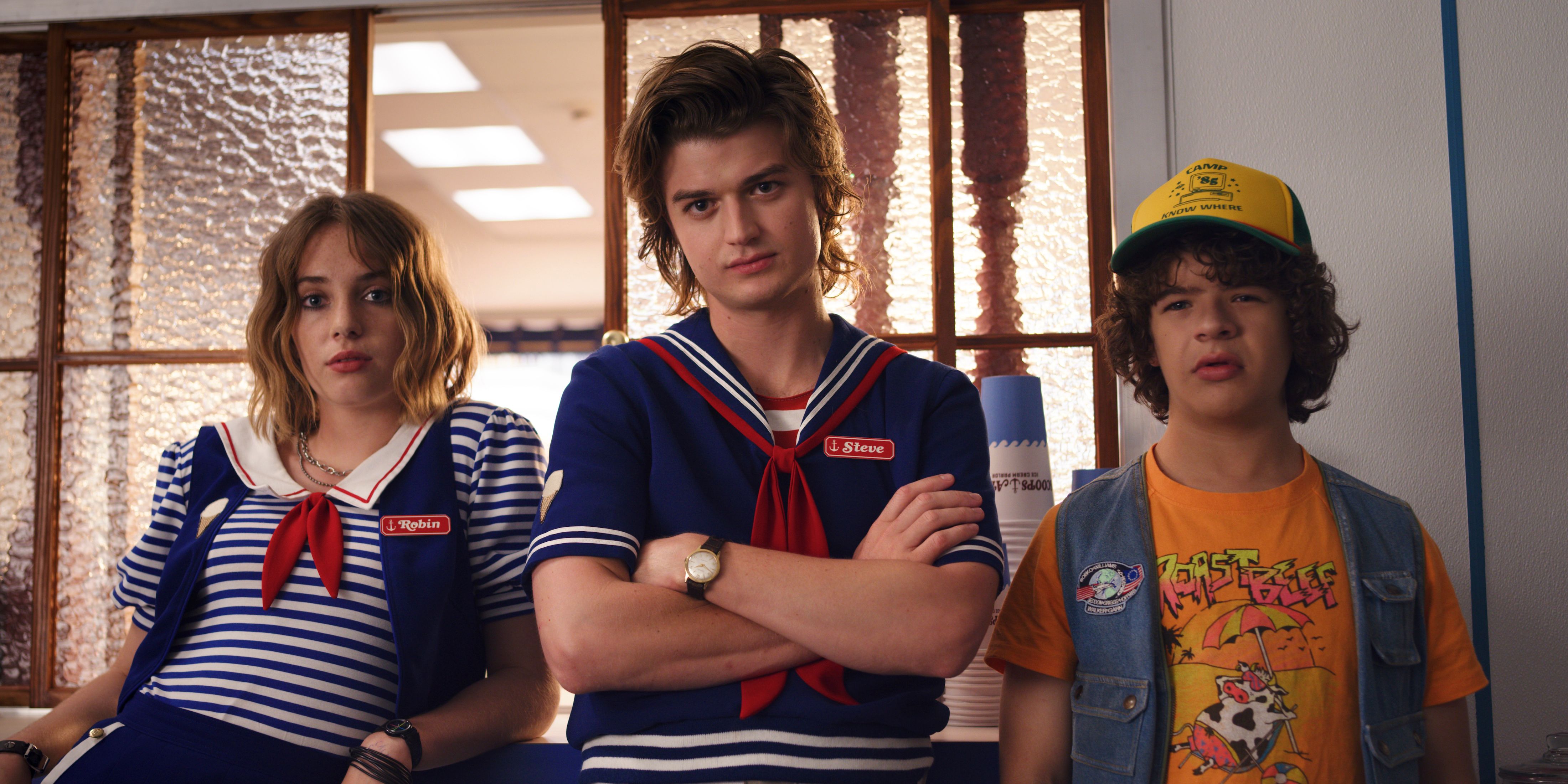
Stranger Things: Tales from '85, the animated spin-off, returns to Netflix on September 17th with 10 new episodes. Set between seasons 2 and 3 of the original live-action series, Season 2 sees The Party facing ghostly apparitions and strange creatures around Valentine's Day. While it received mixed reactions initially, it retains the 80s vibe and core characters.

Blood of The Dawnwalker’s True Foes Lurk in the Wilds
_Blood of The Dawnwalker_ from Rebel Wolves is an RPG that unexpectedly challenges players with fierce wildlife, drawing comparisons to _Dragon Age: Inquisition_'s early zones. Its unique directional combat system, while engaging, can lead to players being overwhelmed by animal ambushes. Despite the high difficulty, these encounters add a fun, dynamic layer to the game.

Nscale Adds Former OpenAI Exec Fidji Simo to Board Ahead of IPO
Nscale, the U.K.-based AI data center startup, has appointed former OpenAI, Meta, and Instacart executive Fidji Simo to its board of directors. This high-profile addition comes as Nscale prepares for a potential IPO this fall, leveraging Simo's extensive experience in scaling major tech platforms and guiding a company through a successful public offering.

Microsoft comms chief Frank Shaw to exit after nearly three decades
Frank X. Shaw, Microsoft's long-serving chief communications officer, will exit at year-end after nearly three decades shaping the company's message through pivotal periods. Shaw, 64, is not retiring but plans a break before his next move, leaving behind a legacy of adapting communications for a digital age and embracing AI tools. Microsoft is now searching for his successor.

Unions Level Up: How Collective Power is Reshaping Game Dev
The gaming industry is seeing a massive shift as unionization rises globally, securing vital worker protections, better pay, and AI safeguards. This collective movement is empowering developers and fundamentally changing workplace dynamics. It's a win for workers, and ultimately, for the games we play.
No More Robots Sails into New Territory with Cruise Control
After nine years of publishing success, indie studio No More Robots is launching its first self-developed IP, `Cruise Control`, a puzzle game born from a pivot away from a shelved online shooter. Founder Mike Rose reflects on the company's unconventional, lean approach, the accidental success of `Descenders`, and the massive potential of upcoming title `Another Door`, while also considering his own future in the demanding industry.