
F1 in Malaysia: Software Glitch Mars Grand Prix
Verdict: A Grand Prix Rebooted – Thrilling Despite Technical Tumult The 2026 F1 'Bahrain' Grand Prix, unexpectedly hosted in Malaysia, served up a race that was both a testament to human skill and a stark reminder of
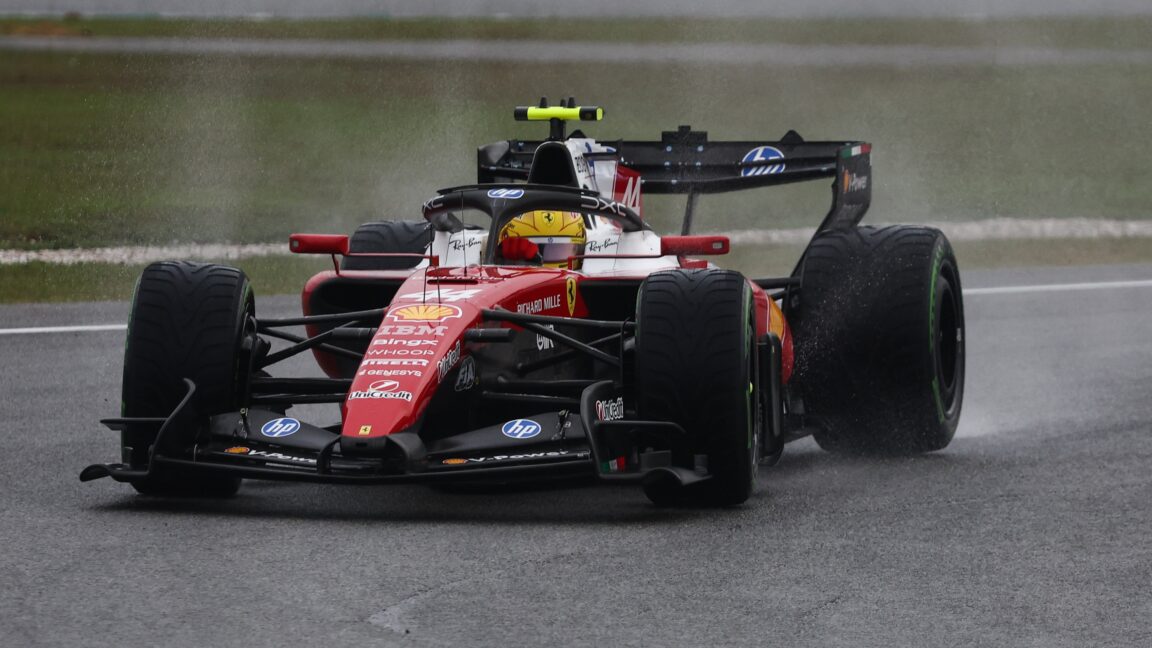
Verdict: A Grand Prix Rebooted – Thrilling Despite Technical Tumult
The 2026 F1 'Bahrain' Grand Prix, unexpectedly hosted in Malaysia, served up a race that was both a testament to human skill and a stark reminder of motorsport's increasing reliance on complex technology. What began with torrential rain escalated into unprecedented chaos when a widespread software bug paralyzed half the field, forcing an entire race restart. While the FIA quickly deployed a software patch, the incident highlighted deep-seated concerns about the sport's technical direction. Despite the rocky start, the updated system ultimately delivered a captivating and unpredictable spectacle, showcasing F1's top talent.
The Stage: Sepang's Unpredictable Challenge
Originally slated for Bahrain, the ongoing geopolitical situation saw the Sepang International Circuit in Malaysia step in as host. This late-90s Hermann Tilke-designed track, known for its long straights and brutal tropical climate, presented a formidable challenge. The 2026 edition lived up to its reputation, with heavy rain arriving just 30 minutes before the scheduled start. This immediately introduced strategic complexities regarding tire choice, with drivers weighing the full wet tires (only truly useful behind a safety car due to spray and slow speeds) against the intermediate tires (better for damp tracks but prone to overheating as conditions dry).
The Glitch in the System: When Cars Refused to Race
Organizers initially opted for two formation laps behind the safety car, aiming to allow drivers to assess conditions and intermediate tires to clear some water. However, this seemingly routine procedure exposed a critical flaw in the cars' common software, developed jointly by the FIA, teams, and engine manufacturers. The combination of slow speeds, reduced hybrid power in wet sectors, and the specific track conditions triggered a hard-coded anti-cheating rule. Believing they were being exploited, several cars' electric motors automatically shut down for 60 seconds, leading to a domino effect of slowing vehicles and frantic reboots on track. Max Verstappen vividly described it as a "Lego race" due to the unpredictable behavior of the cars, with vehicles crawling and even lining up five-wide.
This unprecedented bug, which had never surfaced during testing, necessitated an immediate, drastic response: the entire first start was aborted. The FIA worked frantically to diagnose and rectify the issue, developing and distributing a software update to all teams. The process, from problem identification to software issuance and team implementation, took approximately 20 minutes for the patch itself, and about an hour in total for the race to be ready for a second start.
Race Day 2.0: Strategy, Skill, and Unexpected Drama
By the time the cars lined up again an hour later, the track had dried considerably, leading to a dramatic split in tire strategy. Just nine drivers, including pole-sitter Verstappen, championship leader Kimi Antonelli, and George Russell, stuck with intermediates. A significant portion of the grid, notably Lewis Hamilton (starting second), gambled on slick tires. This proved to be a miscalculation initially, as the track was still too wet for slicks, leaving those drivers struggling at the back.
Verstappen himself had a "horrendous" start, dropping to third, while the slick-shod cars were quickly left behind. The first few laps saw a flurry of pit stops as slick-tire gamblers switched to intermediates, with McLaren's Oscar Piastri particularly adept at carving through the field post-stop. Hamilton, however, chose to stick it out, a decision that eventually showcased his immense experience as conditions gradually came back to him.
The race truly ignited after a lap 13 restart, with Verstappen taking the lead from Antonelli. Hamilton, having been as low as 15th, began a spectacular charge, rising to fifth within 10 laps. Further back, Fernando Alonso, in an Aston Martin benefiting from recent aerodynamic and power unit upgrades, also staged an impressive climb, entering the points-paying positions by lap 40.
Just as the race settled, another incident reshuffled the deck. Alex Albon's Williams suffered a gearbox failure on lap 43, triggering a Virtual Safety Car (VSC) and later a full Safety Car. This bunched the field, allowing drivers to pit for fresh tires. Crucially, George Russell, who was on course for a podium, suffered another power unit failure on lap 50, ending his race and effectively his championship aspirations for 2026. The final three laps were a frenzy of action, with Hamilton securing a remarkable third place, his Ferrari teammate Charles Leclerc in fourth, and Alonso finishing eighth—Aston Martin's best result of the season.
Analysis: The Perils of Progress
Pros:
- Exceptional Driver Performances: Despite the technical challenges, the race itself was thrilling, highlighting the incredible skill and adaptability of F1's top drivers. Hamilton's recovery drive, Verstappen's dominance post-start, and Alonso's strategic climb were standout moments.
- FIA's Rapid Response: The ability of the FIA to quickly identify and deploy a critical software update under immense pressure was commendable, preventing further delay or cancellation.
- Unpredictable Racing: The initial chaos and varied tire strategies led to an exciting, non-linear race narrative, which is often what fans desire.
Cons:
- Major Software Vulnerability: A fundamental software bug halting a multi-million-dollar global sporting event is a significant black eye. It raises questions about the robustness of testing procedures for such complex systems.
- Overly Complex Regulations: As drivers like Russell, Norris, and Sainz articulated, the current regulations, particularly concerning the hybrid power units and their electronic interplay, are deemed excessively complicated. This complexity introduces more points of failure, directly contributing to incidents like the software bug and Russell's PU failure.
- Impact on Sporting Integrity: While resolved, the initial software issue created an unfair disadvantage and disrupted the natural flow of the event, detracting from the purist racing experience.
Future Outlook: A Shift in Software Philosophy?
The frustrations expressed by drivers underscore a broader sentiment within the sport. Carlos Sainz's direct question, "who, five years ago, decided that this was the direction to go?" highlights a desire for simpler, more robust systems. The FIA and F1 are aware of these concerns, with plans already in motion to rebalance power units in 2027 (more V6, less electric power) and further changes in 2028. Critically, discussions are underway to potentially return to V8 turbos and significantly smaller hybrid systems by 2030 or 2031. This suggests a recognition that the current 'software update' philosophy might be too complex, pointing towards a future 'hardware refresh' to simplify core systems and minimize potential points of failure.
Recommendation: A Thrilling, Albeit Flawed, Spectacle
Despite the unprecedented technical hiccup, the 2026 Bahrain Grand Prix in Malaysia ultimately delivered a captivating show thanks to rapid intervention and the sheer talent of its drivers. If you seek high-octane drama, strategic gambles, and heroic comeback drives, F1 continues to deliver, even if it sometimes requires a mid-race software patch. The underlying technical complexity remains a concern, but the sport's governing bodies appear to be listening and planning for a more balanced future. For fans willing to embrace the occasional digital hiccup for the sake of exhilarating racing, F1 remains a top-tier sporting product.
FAQ
Q: What caused the initial delay and aborted start of the race? A: A software bug in the common car software, developed by the FIA with teams and engine makers, caused several cars' electric motors to shut down. This was triggered by a specific combination of slow speeds and reduced hybrid power during the wet formation laps, which the software misinterpreted as an attempt to bypass rules, initiating an automatic 60-second shutdown.
Q: How was the software bug resolved? A: The FIA acted swiftly, diagnosing the problem and issuing an updated software patch to all teams. Teams then had about 20 minutes to install this new software in their cars, which allowed the race to eventually proceed after an hour-long delay.
Q: What are the drivers' main concerns regarding the current F1 regulations? A: Drivers, including George Russell, Lando Norris, and Carlos Sainz, voiced strong concerns about the excessive complexity of the current regulations, particularly regarding the hybrid power units and their electronic systems. They argue that this complexity introduces too many potential points of failure and makes the sport unnecessarily difficult for all involved. This sentiment is contributing to planned changes in power unit regulations for 2027, 2028, and potentially a return to V8s with smaller hybrids around 2030/2031.
Related articles
Android 17 QPR2 Beta 7.1: The Performance Relief You've Been Waiting
Android 17 QPR2 Beta 7.1: Finally Fixing the QPR1 Performance Woes Verdict: Android 17 QPR2 Beta 7.1 is a crucial and highly anticipated software update for Google Pixel users, specifically targeting and resolving the

DJI Solo Video Setups: Smart Choices for Lone Creators
This review delves into DJI's recommended solo video setups, highlighting the Osmo Pocket 3 Creator Combo as a top pick for its integrated camera, gimbal, and mic. It also covers stabilizers like the Osmo Mobile 8 and RS 4, and the DJI Mic Mini series for enhanced audio, providing honest pros, cons, and clear buying advice.

Ars Technica's Rocket Report: Your Essential Space Industry Briefing
Quick Verdict Ars Technica's Rocket Report, presented by veteran space reporter Stephen Clark, offers an invaluable and meticulously organized weekly (or similar frequency, implied by "Edition 9.15") digest of the most

Apple iPhone Duo: A Daring Debut with Notable Compromises
Apple's highly anticipated iPhone Duo, priced at $2,000, has gone on pre-order. While hailed as "Apple's most exciting device in a decade" for its innovative foldable design and immersive display, it comes with significant drawbacks like the absence of FaceID and a premium camera.

KDE Plasma 6.8: A Future-Focused 30th Anniversary Update
Quick Verdict KDE Plasma 6.8, arriving as the "30th Anniversary Edition," is a pivotal release that decisively pushes the desktop environment into the future. With a definitive farewell to native X11 sessions and a
Galaxy Watch One UI 9 Beta: Promising Progress, But Patience Needed
Galaxy Watch 8, Watch Ultra, and Watch 7 are receiving a new One UI 9 Watch beta build with bug fixes and a security patch. Active development signals progress, but a stable release date remains elusive.