
Ezio's Family & Beyond: Jesper Kyd's Three Decades of Inventive Sound
Veteran composer Jesper Kyd, known for iconic scores like "Ezio's Family" from *Assassin's Creed*, reflects on his three-decade career, driven by a lifelong passion for innovation ignited by the C64 demo scene. He discusses the evolution of game music production, the distinct creative challenges of scoring games versus films, and his vision for dynamic soundtracks.
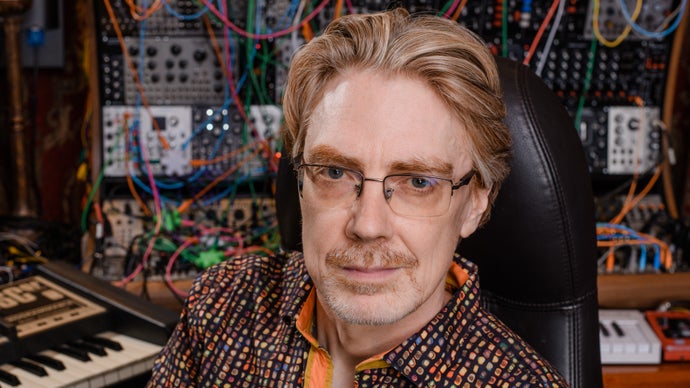
Ezio's Family & Beyond: Jesper Kyd's Three Decades of Inventive Sound
If you've ever soared across Florence as Ezio Auditore, skulked through a Parisian opera house as Agent 47, or simply explored the haunting landscapes of a post-apocalyptic world, chances are you've been deeply immersed in the auditory genius of Jesper Kyd. The Danish composer's work spans an impressive three decades, shaping the sonic identities of countless beloved games, including foundational scores for Hitman, Borderlands, State of Decay, and, of course, the iconic Assassin's Creed theme, “Ezio's Family.” But for Kyd, it's never just been about crafting memorable melodies; it's about a relentless, almost infectious, drive to invent something new.
The Innovation Engine: From Commodore to AAA
Kyd's passion for pushing boundaries isn't some recent revelation. It's a philosophy forged in the competitive fires of the 1980s Commodore 64 demo scene. Back then, it was all about outdoing peers, squeezing every last drop of innovation from limited hardware. "It was very competitive, but in the best of ways," Kyd recalls, describing a culture where one person's six rotating sprites spurred another to achieve seven. This early experience became the bedrock of his creative ethos: "It's shaped how I see things and in my head: things should always innovate. Things should always do something new and fresh."
Of course, Kyd is a pragmatist. He understands that not every game can reinvent the wheel, especially when financial models often necessitate sequels and familiar experiences. Imagine a James Bond game without that iconic theme! Yet, even within these constraints, Kyd finds ways to evolve, constantly searching for challenging projects that allow him to learn and grow. His recent work on the 1990s-set game Samson, for instance, saw him diving into trip-hop, a genre he hadn't tackled before, expanding his already vast musical toolkit.
Soundscapes on the Rise: Budgets, Collaboration, and Crunch
In an era where discussions about ballooning AAA budgets and potential cutbacks are constant, Kyd offers an interesting counter-narrative for game music. Far from feeling the pinch, he's experiencing the opposite. Game scores are growing, often clocking in at a minimum of three hours, and the emphasis on high production quality – including live recordings – is stronger than ever. Kyd believes the industry is increasingly recognizing music's immense power to infuse atmosphere and depth into a project, making it an investment rather than an area for compromise.
He thrives on early involvement in a game's development, even if it means composing without a fully realized game to look at. Concept art, he says, can be an incredible muse. Kyd is also direct when it comes to creative input: he won't hesitate to share a better idea if he has one, but he's equally quick to embrace a superior vision from the development team. What he values most is an open brief and close collaboration, ideally with the game's creative director. Unfortunately, that direct line isn't always available, as creative directors are often swamped, especially as crunch time approaches. This communication gap, where questions need to filter through multiple layers, presents a unique challenge in game development compared to film.
Games vs. Film: A Tale of Two Compositions
Having lent his talents to films like Chronicles of the Ghostly Tribe and Tumbbad, Kyd offers insightful comparisons between composing for the two mediums. While his world-building skills honed in games translate well, the practical application of music is drastically different. Film scores demand rapid, seamless transitions between moods, sometimes hitting three or four emotional beats in mere seconds. Game music, by contrast, tends to linger in specific moods for longer – a four-minute exploration track, followed by a two-minute battle cue, and then stealth music. It's a fundamental difference in language.
Character themes are also far more central to film. A single theme can be endlessly reinterpreted – sad, tense, energetic – forming the emotional backbone of a two-hour narrative. In a 100-hour game, however, repeating a main theme would quickly become tiresome. Games demand a wider array of themes, perhaps 20, with only minor variations, to keep the player engaged over extended periods. This highlights the unique demands each medium places on a composer.
Iconic Moments: From Hitman's Orchestra to Ezio's Legacy
Reflecting on his expansive career, Kyd cherishes his early work with IO Interactive. The original Hitman was a delightful surprise success, leading to Hitman Contracts' all-electronic score and Blood Money's brilliant fusion of electronic and symphonic elements. And then there's Assassin's Creed. Hearing the countless interpretations of his “Ezio's Family” theme whenever a new Assassin's Creed title emerges is a source of genuine joy for him, a testament to its enduring impact.
Looking forward, Kyd sees the interactive elements of game scoring continuing to evolve, but he urges caution. While dynamic music is crucial, he stresses that it must still sound like music, not fragmented modules. He's wary of the systemic approach where music becomes invisible or consists solely of short loops. For Kyd, the goal isn't just interaction; it's about crafting "big, epic, beautiful, four-minute exploration tracks" that genuinely resonate with players and elevate the storytelling, making the music shine as a central contributor to the game's atmosphere.
FAQ
Q: What inspires Jesper Kyd's innovative approach to game music? A: His drive for innovation stems from his teenage years in the Commodore 64 demo scene, where the goal was always to push hardware limits and outdo peers with creative technical feats. This instilled in him a constant desire to do something new and fresh.
Q: How does composing for games differ from composing for films? A: In films, music needs to shift rapidly between moods and scenes, often multiple times in short bursts, and character themes are central and frequently reinterpreted. In games, music often sustains a single mood for longer periods, and due to extended playtimes, requires a broader array of themes rather than constant repetition of one main theme.
Q: What is Jesper Kyd's view on highly interactive dynamic music in games? A: While he believes interactive elements will improve, Kyd emphasizes that music should always sound like music, not just interchangeable modules or short loops. He prefers crafting longer, more immersive tracks that contribute significantly to the game's atmosphere and storytelling, rather than music that becomes systemic and unnoticeable.
Related articles

TCG Pocket Responds: A Much-Needed Pace Shift for Pokémon Fans
Pokémon TCG Pocket is rolling out a major update for its second anniversary, primarily addressing player concerns about overwhelming content releases by shifting to a six-week set schedule. This aims to curb player decline and improve overall engagement by giving trainers more time to collect and strategize. The update also adds new collection methods, improved deck-building features, and enhanced trading functionality.

Mark Wahlberg on using AI in film ‘the right way’ and being open to
Actor Mark Wahlberg believes AI has a place in filmmaking if used responsibly for enhancement, not script generation or actor replacement. At TechCrunch Disrupt, he expressed openness to an AI likeness carrying on his legacy, managed by his family, and emphasized storytelling.

Kojima Compares Divisive New Film 'Digger' to MGS2's Prescient Vision
Gaming icon Hideo Kojima has praised the divisive 2026 film *Digger*, drawing intriguing parallels to his own prophetic game, *Metal Gear Solid 2*. Both works, he explains, uniquely explore the dangers of misinformation and a fragmented digital reality, anxieties he shares with *Digger*'s director, Alejandro González Iñárritu.

Enterprise AI Beyond Chatbots: A Vision for Actionable Intelligence
Quick Verdict: Redefining Enterprise AI's Potential TechRadar Pro's opinion piece, "What it takes to move enterprise AI beyond the chatbot," delivers a refreshingly honest and vital perspective on the current state and

Ubisoft Proposes German Studio Workforce Reduction Amidst
Ubisoft is planning a voluntary departure program for about 100 employees across its Düsseldorf, Berlin, and Mainz studios in Germany. This move is part of a larger, ongoing cost-reduction and restructuring effort by the publisher, aiming to better position its studios for future projects.

TGS 2026: These Forward-Looking Cosplays Are Already Living in the
Tokyo Game Show 2026 showcased incredible cosplay, with many fans embodying characters from unreleased games like *Blast Blade* and *Mononoke No Kuni*. This gallery highlights the community's foresight, alongside debut *Palworld* cosplay and refreshed takes on classics. It’s a testament to the passion that brings gaming's future to life.