
Even Realities G2 Tops WIRED's 2026 Live-Captioning Smart Glasses Test
WIRED's 2026 testing of live-captioning smart glasses identifies the Even Realities G2 as the top performer, excelling in transcription, translation, and advanced AI features without a subscription. These glasses offer crucial accessibility benefits and practical daily use, despite common drawbacks like weight and comfort inherent to the nascent technology.

Even Realities G2 Tops WIRED's 2026 Live-Captioning Smart Glasses Test
WIRED has completed extensive testing of the latest live-captioning smart glasses for 2026, identifying the Even Realities G2 as the standout device in a burgeoning category designed to revolutionize communication. These innovative wearables transform spoken words into real-time subtitles, offering an invaluable accessibility tool for individuals with hearing loss and a practical aid for everyday interactions, from understanding foreign languages to capturing meeting notes.
What Are Live-Captioning Smart Glasses?
Live-captioning smart glasses represent a specialized segment of augmented reality eyewear. Unlike traditional smart glasses that might offer cameras or music, these devices are singularly focused on transcribing spoken dialogue directly into text displayed within the wearer's field of vision. Each lens incorporates a tiny, single-color screen, typically showing vibrant green text, to ensure clarity without distracting from the real world. Beyond basic transcription, many models integrate real-time translation and various AI-powered functionalities.
Advanced Features and Connectivity
The primary function of these glasses is real-time transcription, with archived conversations available on a connected mobile device. Real-time language translation is also a common feature, enabling users to see foreign speech in their native tongue as subtitles. While basic transcription and translation are often free, premium subscriptions unlock higher-quality captioning, a wider array of languages, and AI services like voice assistance and automatic conversation summaries. Most vendors recommend connected use for optimal accuracy, as offline modes often perform less reliably.
The WIRED Verdict: Even Realities G2 Leads the Pack
In comprehensive testing, the Even Realities G2 emerged as the undisputed leader. Priced at $599, these glasses are notable for their comparatively lighter 43-gram design and sleeker profile, in part because they integrate prescription lenses directly into the order rather than relying on bulky clip-ons. The G2 supports 35 languages for translation and goes beyond basic captioning with features like head-up-display navigation, a customizable dashboard for news and calendar items, and an "Even Hub" for installing additional apps like weather or song lyrics. A significant advantage is that all features are included out of the box, with no additional subscription plan required. Reviewer Christopher Null praised its excellent battery life, offering approximately 10 hours of use and seven full recharges from its case. For more discreet control, an optional Even Realities R1 smart ring can manage the interface and also track health metrics. The only notable drawback is the G2's limited offline functionality, requiring an internet connection for most capabilities.
Considering the Trade-offs: Comfort, Style, and Practicality
While groundbreaking, live-captioning glasses come with inherent limitations. Reviewer Christopher Null found many models significantly heavier than standard eyewear, leading to discomfort and an awkward fit that limited continuous wear to about an hour. Aesthetically, the devices received mixed reviews, described by one spouse as "ridiculous." Battery life is typically measured in hours. Prescription lenses, when added, can cause the captioning overlay to interfere with up-close tasks, making a return to traditional glasses necessary when captions aren't essential. Despite these challenges, many models are considered medical devices, potentially allowing for payment with vision insurance or FSA/HSA plans.
Other Contenders in the Market
While several other capable models were evaluated, none offered the G2's overall package. The Leion Hey 2 ($549) was a price leader with affordable prescription options but proved heavier, had AI summary issues, and lacked offline support. The XRAI AR2 ($699), sharing hardware with Leion, offered extensive language options (mostly subscription-gated) but a less intuitive app and lacked AI summaries. AirCaps Smart Glasses ($599) were the bulkiest and heaviest, with short battery life, though they provided a functional offline mode and free monthly Pro features. The Captify Pro ($699-$1399 with RX), the most expensive, had a relatively sleeker build but suffered from blurry prescription lenses and poor offline performance. These alternatives each presented trade-offs that kept them from surpassing the Even Realities G2.
FAQ
Q: Can live-captioning glasses replace traditional hearing aids? A: Live-captioning glasses serve as an additional accessibility tool rather than a direct replacement for hearing aids. They convert speech into text for visual understanding, while hearing aids amplify sound. Many users may find benefit in using both or choosing based on specific needs.
Q: Do these glasses support prescription lenses? A: Yes, most live-captioning smart glasses can accommodate prescription lenses. Some, like the Even Realities G2, integrate prescription options directly into the ordering process, while others may require clip-on lenses or separate lens holders to be taken to an optician.
Q: Are there privacy concerns with real-time transcription? A: The article mentions that these glasses record and archive conversations, which could raise privacy concerns depending on the context. Users should be mindful of privacy implications, especially when recording others, and be aware of how data is stored and managed by the associated apps.
Related articles

Apple Unveils iPhone Duo: Pricey Foldable Sees Soaring Demand
Apple has officially entered the foldable smartphone arena with the long-anticipated launch of the iPhone Duo. Priced starting at a hefty $1,999, the device features a 5.4-inch outer display and a larger 7.6-inch inner

in-depth: Chicago-Area Cops Helped HSI Spy on Minnesota Anti-ICE
Chicago-area law enforcement, including local police and HSI agents, conducted undercover surveillance on Minnesota anti-ICE activists at an April 2, 2022, talk in Chicago. This operation was part of a federal conspiracy probe into 15 Minnesota activists facing felony charges related to immigration enforcement resistance. Civil liberties advocates have condemned the surveillance as a troubling intrusion into protected political activity.

Mark Wahlberg on using AI in film ‘the right way’ and being open to
Actor Mark Wahlberg believes AI has a place in filmmaking if used responsibly for enhancement, not script generation or actor replacement. At TechCrunch Disrupt, he expressed openness to an AI likeness carrying on his legacy, managed by his family, and emphasized storytelling.

Tesla Unveils Thruster-Equipped Roadster, 2028 Production Targeted
Tesla has unveiled its second-generation Roadster, featuring cold-gas thrusters co-developed with SpaceX, enabling it to jump and flip. The electric sports car demonstrated 0-60mph in an astonishing 0.81 seconds, with production targeted for 2028. This highly anticipated reveal also serves as a key recruitment tool for Tesla's ambitious AI and robotics initiatives.
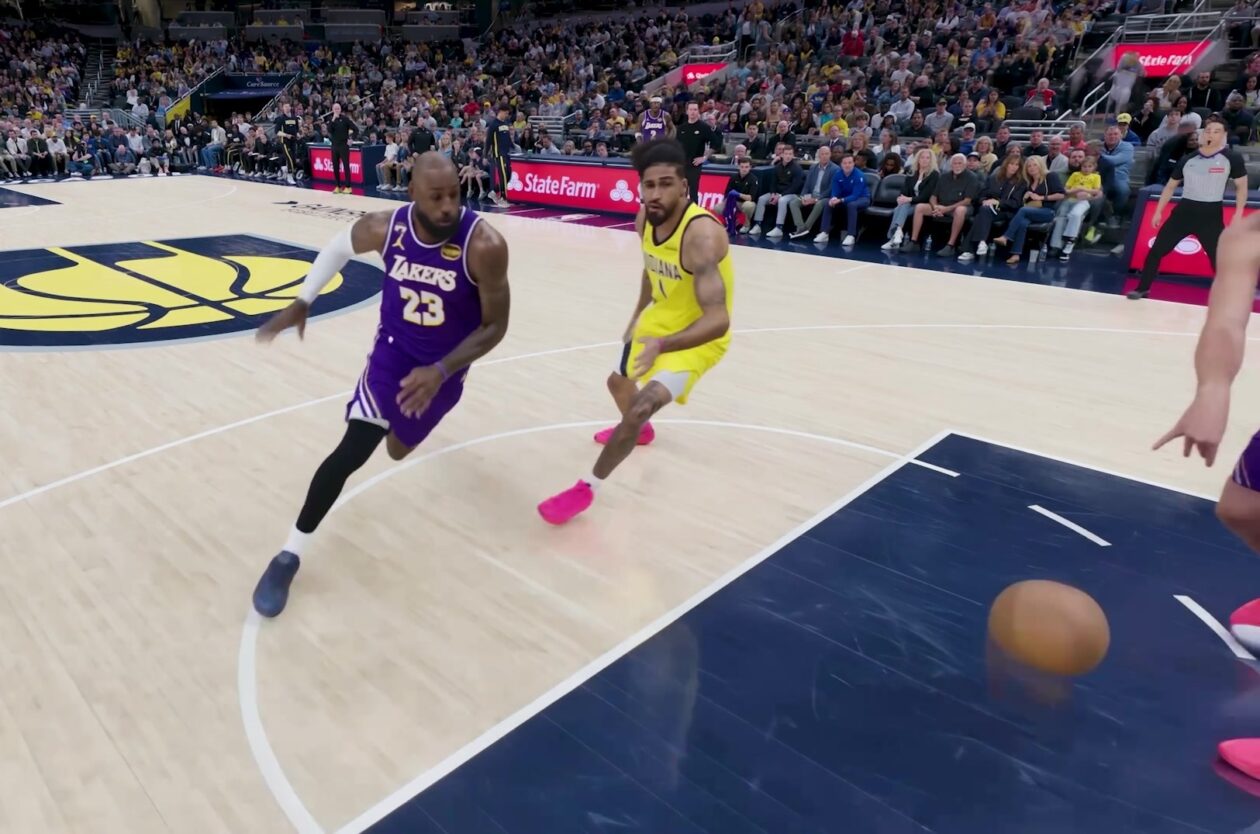
Amazon Prime Video Launches AI-Powered Prime 360 for NBA Coverage
Amazon Prime Video is elevating its NBA coverage with the introduction of Prime 360, an AI-powered replay system offering immersive, 'fly through' views of the action. Kicking off its second season, Prime Video also adds Yahoo fantasy integration and gains exclusive Eastern Conference Finals rights, expanding its tech-driven sports broadcast. The new features aim to deliver a unique and interactive viewing experience for basketball fans.

regional: A two-person Seattle startup lands $1M to reinvent
Seattle startup TriMagnetix has secured $1 million to develop semiconductor chips that consume 800 times less energy and are radiation-resistant. The two-person company, leveraging nanomagnetic technology, is targeting space applications and data centers. With new funding and key partnerships, TriMagnetix aims for commercial sales within a year.