
Elon Musk Loses Case Against Sam Altman in OpenAI Trial
In a decisive blow to Elon Musk, a federal jury in Oakland has dismissed all claims in his high-profile lawsuit, Musk v. Altman, against OpenAI CEO Sam Altman and President Greg Brockman. The verdict, reached on May 18,

In a decisive blow to Elon Musk, a federal jury in Oakland has dismissed all claims in his high-profile lawsuit, Musk v. Altman, against OpenAI CEO Sam Altman and President Greg Brockman. The verdict, reached on May 18, 2026, after approximately two hours of deliberation, found Musk's allegations were barred by the statute of limitations. US District Judge Yvonne Gonzalez Rogers, the ultimate legal authority in the advisory jury process, accepted the decision.
Musk had accused Altman and Brockman of breaching OpenAI's charitable trust and engaging in unjust enrichment, claiming they steered the artificial intelligence firm away from its original nonprofit mission. He also alleged that Microsoft aided and abetted this breach. However, the jury determined that the claims for breach of charitable trust and restitution were both time-barred, leading to the automatic dismissal of the aiding and abetting claim against Microsoft.
Following the verdict, Musk took to X, stating his intention to file an appeal. He criticized the ruling as a "calendar technicality" that failed to address the "merits of the case." Musk asserted that anyone closely following the trial would recognize that "Altman & Brockman did in fact enrich themselves by stealing a charity. The only question is WHEN they did it!"
Microsoft, a key partner to OpenAI and implicated in one of Musk's claims, welcomed the jury's decision. A spokesperson, Alex Haurek, issued a statement noting that "The facts and the timeline in this case have long been clear, and we welcome the jury’s decision to dismiss these claims as untimely." Microsoft reiterated its commitment to working with OpenAI to advance AI globally.
A Contentious Three-Week Battle
The trial, which unfolded over three contentious weeks in an Oakland federal courtroom, was marked by intense accusations from both sides. Musk's core argument centered on his belief that his initial financial contributions to OpenAI were intended for a purely nonprofit entity, a mission he claims the company, under Altman and Brockman, abandoned. Both the plaintiff and the defense utilized every opportunity to cast a negative light on each other.
Indeed, through a series of "salacious evidence" and "eyebrow-raising testimony," observers noted that both parties emerged from the legal proceedings appearing "even less trustworthy" than they did at the outset. The case offered a rare glimpse into the early days of OpenAI and the evolving philosophies that shaped its trajectory from a research lab into a commercial powerhouse, raising broader questions about AI's governance.
What's Next?
While the federal court has ruled, the legal saga is not entirely over. Elon Musk's immediate announcement of an appeal indicates his resolve to pursue the matter further, suggesting that the fundamental questions he raised about OpenAI's mission and leadership could resurface in a higher court. The tech world will undoubtedly be watching closely for developments as Musk challenges the timeliness-based dismissal.
FAQ
Q: Why did Elon Musk lose his case against Sam Altman and OpenAI? A: The federal jury dismissed all of Elon Musk's claims, including breach of charitable trust and unjust enrichment, because they were barred by the statute of limitations. This means the claims were filed too late according to legal deadlines.
Q: What were Elon Musk's main accusations in the lawsuit? A: Elon Musk alleged that OpenAI CEO Sam Altman and President Greg Brockman breached the company's charitable trust by deviating from its founding nonprofit mission and unjustly enriching themselves. He also claimed Microsoft aided and abetted this alleged breach.
Q: What is the significance of an "advisory jury" in this case? A: An advisory jury provides a non-binding opinion to the judge. In this instance, US District Judge Yvonne Gonzalez Rogers accepted the advisory jury's unanimous verdict, making their recommendation the court's final decision.
Related articles

Apple Unveils iPhone Duo: Pricey Foldable Sees Soaring Demand
Apple has officially entered the foldable smartphone arena with the long-anticipated launch of the iPhone Duo. Priced starting at a hefty $1,999, the device features a 5.4-inch outer display and a larger 7.6-inch inner

in-depth: Chicago-Area Cops Helped HSI Spy on Minnesota Anti-ICE
Chicago-area law enforcement, including local police and HSI agents, conducted undercover surveillance on Minnesota anti-ICE activists at an April 2, 2022, talk in Chicago. This operation was part of a federal conspiracy probe into 15 Minnesota activists facing felony charges related to immigration enforcement resistance. Civil liberties advocates have condemned the surveillance as a troubling intrusion into protected political activity.

Mark Wahlberg on using AI in film ‘the right way’ and being open to
Actor Mark Wahlberg believes AI has a place in filmmaking if used responsibly for enhancement, not script generation or actor replacement. At TechCrunch Disrupt, he expressed openness to an AI likeness carrying on his legacy, managed by his family, and emphasized storytelling.
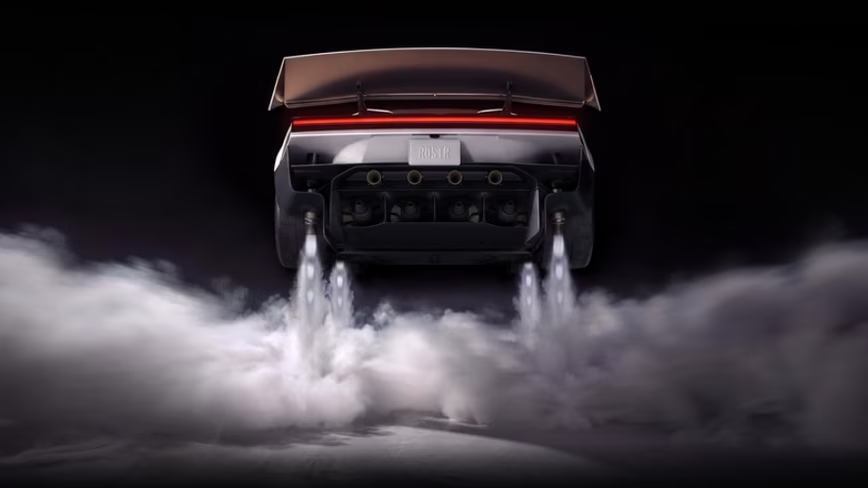
Tesla Unveils Thruster-Equipped Roadster, 2028 Production Targeted
Tesla has unveiled its second-generation Roadster, featuring cold-gas thrusters co-developed with SpaceX, enabling it to jump and flip. The electric sports car demonstrated 0-60mph in an astonishing 0.81 seconds, with production targeted for 2028. This highly anticipated reveal also serves as a key recruitment tool for Tesla's ambitious AI and robotics initiatives.

AI's Confidence vs. Formal Methods' Rigor: Design Flaws & Verification
While AI accelerates code generation, formal methods remain critical for ensuring system correctness. Languages like TLA+ and tools like Quint enable developers to model and verify system designs before coding, catching subtle flaws. Quint makes formal methods more accessible with developer-friendly syntax and executability. This approach is vital for verifying AI-generated code through trace validation and model-based testing, ensuring reliability against real-world data.
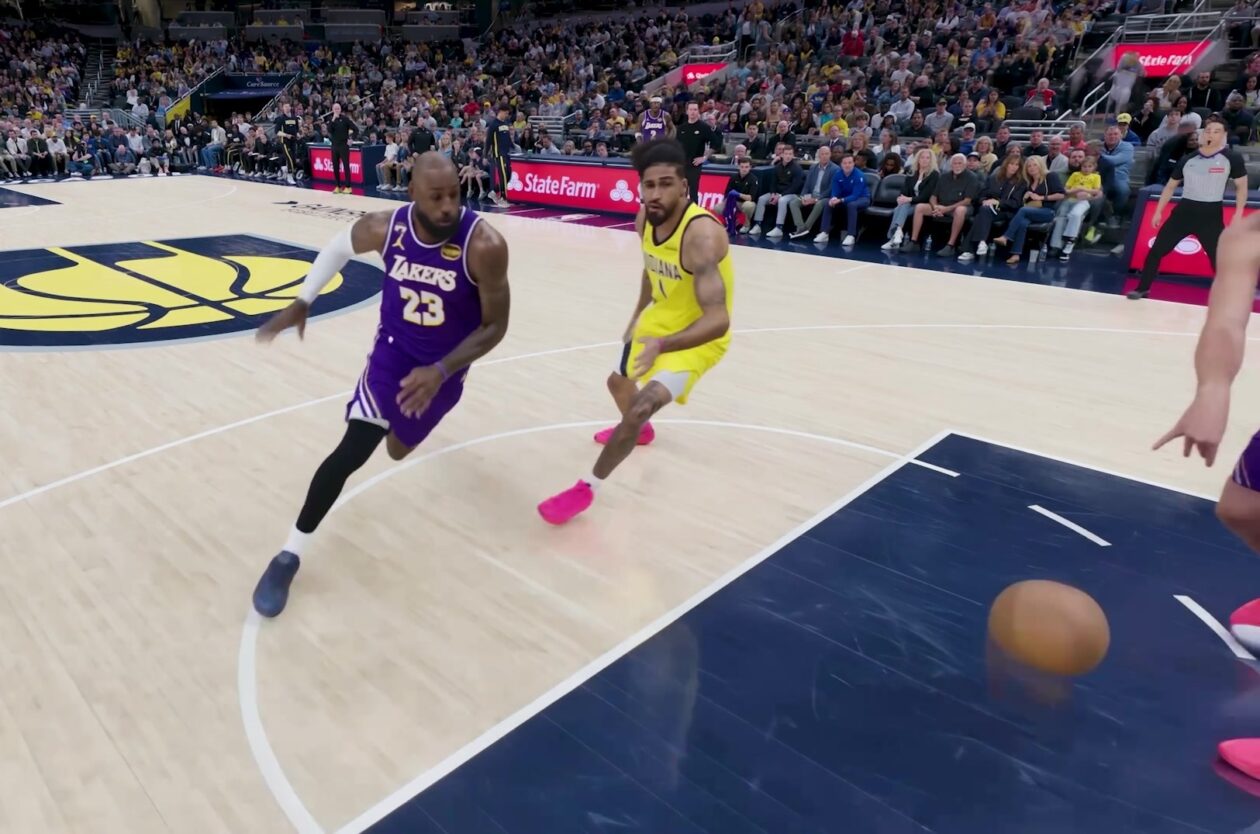
Amazon Prime Video Launches AI-Powered Prime 360 for NBA Coverage
Amazon Prime Video is elevating its NBA coverage with the introduction of Prime 360, an AI-powered replay system offering immersive, 'fly through' views of the action. Kicking off its second season, Prime Video also adds Yahoo fantasy integration and gains exclusive Eastern Conference Finals rights, expanding its tech-driven sports broadcast. The new features aim to deliver a unique and interactive viewing experience for basketball fans.