
Dream Logic Meets Brutal Combat: Memoirium Is Steam's Next Soulslike
Memoirium is an upcoming action RPG blending Dark Souls combat with the surreal dreamscapes of Inception and Backrooms aesthetics. Featuring PS1-era graphics and a unique customizable hub, this solo-developed title, backed by Outersloth, promises a truly uncanny and challenging experience on Steam.
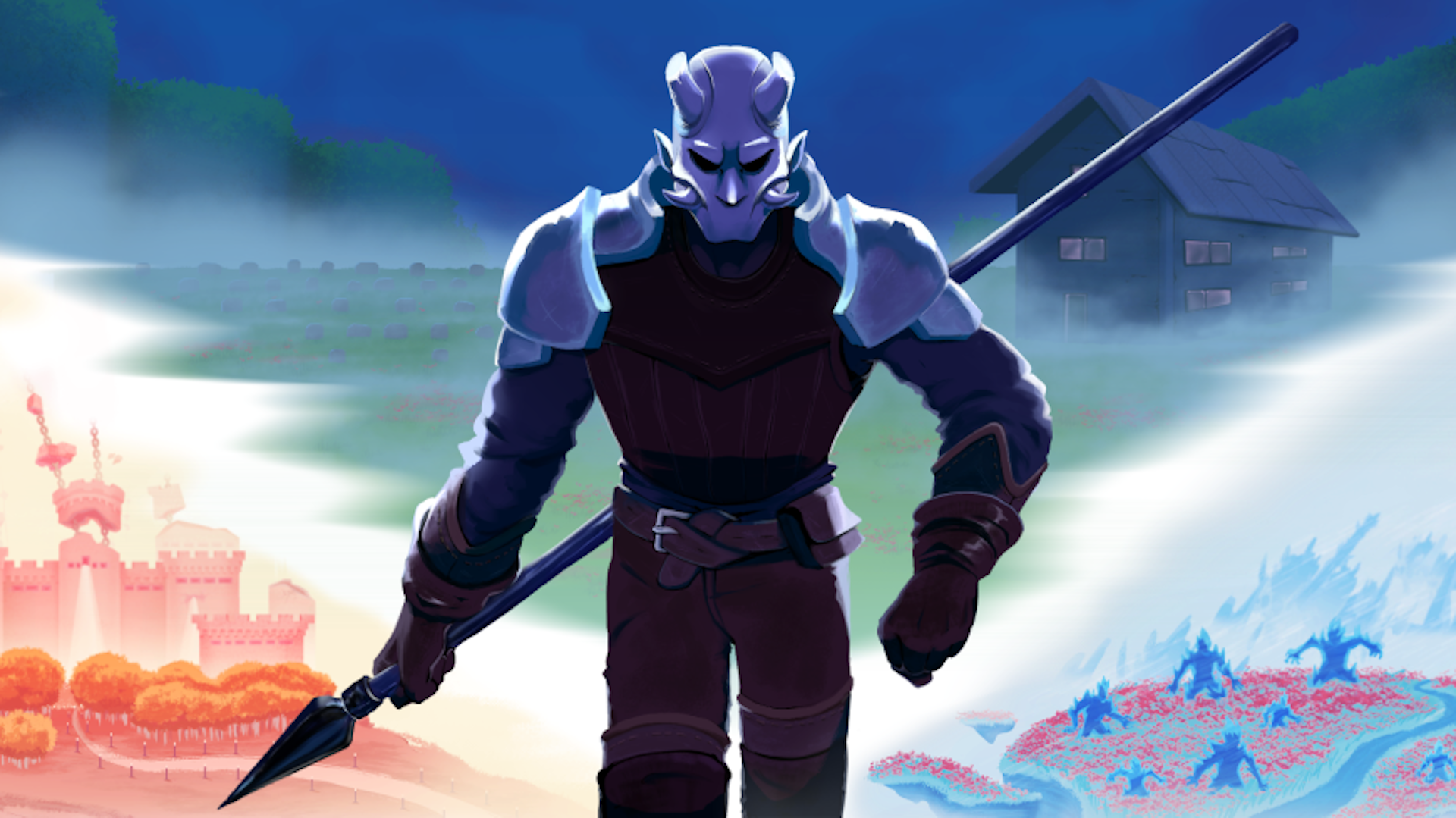
Fact: The shifting, collapsing dreamscapes envisioned in Inception are ripe for video game adaptation. And frankly, no genre is better equipped to handle that kind of mind-bending surrealism than the Soulslike. From its medieval roots to the cosmic horror of titles like Hellpoint, we’ve seen the genre evolve, but what about a game that truly marries these disparate aesthetics into something utterly unreal? Gamers, get ready, because the perfect answer arrives in just a few days.
Enter Memoirium, the upcoming action RPG from solo developer GoldenGratus. This isn't just another Souls-inspired title; it’s a bold fusion of retro graphics, modern Soulslike mechanics, and an uncanny dream world that’s set to become one of the most surreal gaming experiences of the year.
Stepping Into the Surreal: A Dream World Unleashed
In Memoirium, you step into the shoes of the Dreamer, navigating a truly bizarre realm of interconnected, illogical locations. Forget sticking to one theme; this game throws you from ancient graveyards to rustic castles, and then suddenly into a 21st-century classroom. Because the entire game unfolds within the fractured logic of dreams, shifting from sci-fi to medieval fantasy to a surprisingly mundane modern setting isn’t just acceptable – it’s part of the unsettling charm. This ever-changing environment feels like a direct nod to the collapsing architecture of Inception and the unsettling familiarity of the Backrooms, making for an experience that keeps you constantly on edge.
Retro Vibes, Modern Challenge: The Soulslike Core
The visual style of Memoirium plays a crucial role in establishing its eerie atmosphere. Sporting a retro aesthetic reminiscent of the PlayStation 1 era, the graphics deliberately lean into a sense of liminality. Locations feel 'off,' almost unfinished, a deliberate choice that resonates deeply with fans of liminal horror. This uncanny, surreal vibe might even evoke memories of FromSoftware’s early horror title, the 1998 classic Echo Night. Beneath this captivating visual layer lies a distinctly Soulslike gameplay loop. You’ll be mastering the familiar dance of stamina management, carefully timing light and heavy attacks, and perfecting your blocks and dodges. The game promises eight distinct dungeons to explore, packed with dozens of unique weapons, spells, and equipment pieces to discover and master.
Beyond the Boss Fights: Your Sanctuary in the Unknown
While Memoirium embraces the challenging combat and exploration hallmarks of its genre, it introduces a truly unique feature that sets it apart: “Your Room.” This isn’t just another bonfire or hub; it’s a mysterious, fully customizable sanctuary offering a crucial respite from the chaos of the dream world. As you brave the surreal landscapes, you’ll collect various mementos – from a desktop computer to a comfortable bed and a functional desk – that allow you to personalize your space. This innovative decorating mechanic ties directly into the game’s intriguing tagline, inviting players to “Dream, Defy, Decorate.” It's a welcome personal touch in a genre often characterized by unrelenting grimness, allowing for a moment of quiet reflection amidst the dream-fueled nightmares.
Indie Gem Potential: Outersloth's Stamp of Approval
What makes Memoirium even more compelling is the backing it has received from Outersloth, the indie game fund established by Among Us developer Innersloth in 2024. Despite being the work of a solo developer, GoldenGratus, the support from Outersloth speaks volumes about the project's quality and potential. Given the high caliber of other Outersloth-funded games, such as this year’s acclaimed Flock Around and Dosa Divas, there’s strong reason to believe that Memoirium could emerge as another unexpected indie hit. This endorsement provides a layer of confidence for those who might be wary of a solo-developed Soulslike, suggesting a level of polish and creative vision that belies its origins.
The Verdict: Will You Dare to Dream?
Memoirium is shaping up to be a truly distinctive experience, effortlessly blending the challenging combat of a Soulslike with the mind-bending narratives of Inception and the unsettling aesthetics of the Backrooms. Its retro graphics and surreal dream world create an atmosphere that is both nostalgic and deeply unsettling, promising a journey unlike any other. For those craving a Soulslike that dares to break free from traditional settings and lean into pure, unadulterated imagination, Memoirium is a must-watch. Prepare to venture into the depths of the dream world when it releases on August 13 for Windows PC. Just remember to manage your stamina… and try not to get lost in the liminal spaces.
FAQ
Q: What is the release date and platform for Memoirium?
A: Memoirium is set to release on August 13 for Windows PC via Steam.
Q: What makes Memoirium unique compared to other Soulslikes?
A: Beyond its core Soulslike combat, Memoirium stands out with its surreal, dream-based world that blends disparate themes (sci-fi, medieval, modern) with PS1-era graphics, and features a customizable personal hub called "Your Room."
Q: Who is developing Memoirium, and is it supported by a larger studio?
A: Memoirium is developed by solo developer GoldenGratus and is backed by Outersloth, the indie game fund created by Among Us developer Innersloth.
Related articles

TCG Pocket Responds: A Much-Needed Pace Shift for Pokémon Fans
Pokémon TCG Pocket is rolling out a major update for its second anniversary, primarily addressing player concerns about overwhelming content releases by shifting to a six-week set schedule. This aims to curb player decline and improve overall engagement by giving trainers more time to collect and strategize. The update also adds new collection methods, improved deck-building features, and enhanced trading functionality.

Kojima Compares Divisive New Film 'Digger' to MGS2's Prescient Vision
Gaming icon Hideo Kojima has praised the divisive 2026 film *Digger*, drawing intriguing parallels to his own prophetic game, *Metal Gear Solid 2*. Both works, he explains, uniquely explore the dangers of misinformation and a fragmented digital reality, anxieties he shares with *Digger*'s director, Alejandro González Iñárritu.

Ubisoft Proposes German Studio Workforce Reduction Amidst
Ubisoft is planning a voluntary departure program for about 100 employees across its Düsseldorf, Berlin, and Mainz studios in Germany. This move is part of a larger, ongoing cost-reduction and restructuring effort by the publisher, aiming to better position its studios for future projects.

TGS 2026: These Forward-Looking Cosplays Are Already Living in the
Tokyo Game Show 2026 showcased incredible cosplay, with many fans embodying characters from unreleased games like *Blast Blade* and *Mononoke No Kuni*. This gallery highlights the community's foresight, alongside debut *Palworld* cosplay and refreshed takes on classics. It’s a testament to the passion that brings gaming's future to life.

Beyond the Bugs: Conquering Studio Headaches in Indie Dev
This guide, part three in a series on running an indie studio, tackles the crucial but often overlooked aspect of dealing with non-development related issues. It introduces creating a shared 'studio backlog' for collective problems and using the IDS (Identify, Discuss, Solve) framework to address them constructively. The core message is to build powerful habits that keep studios from getting quietly derailed by lingering challenges.

Nvidia's RTX 5090 Reportedly Scrapped: Is AI Eating Our Flagship GPUs
Nvidia has reportedly halted production of the GeForce RTX 5090, with leaked factory notices suggesting its core chip will be repurposed for AI and data center cards. This move positions the RTX 5080 24GB as the new flagship gaming GPU in the 50-series. The decision is linked to an industry-wide memory shortage, heavily influenced by surging AI demand, impacting consumer tech across the board.