
COROS MCP Integration: A Game-Changer for Training Data Analysis
COROS has made a bold move in the crowded fitness tracking market, not by launching another incremental hardware upgrade, but by fundamentally rethinking how athletes interact with their most valuable asset: their
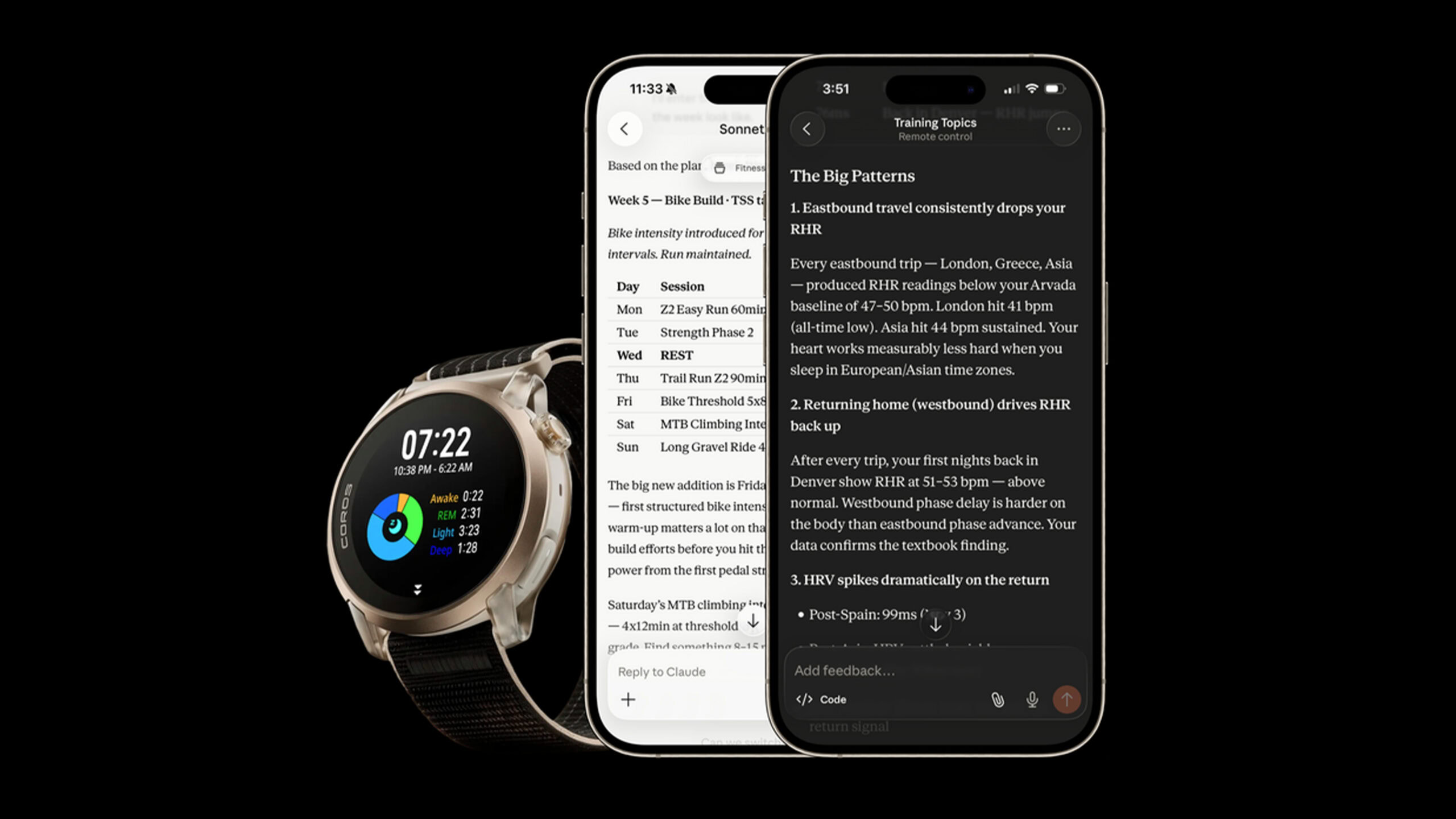
COROS has made a bold move in the crowded fitness tracking market, not by launching another incremental hardware upgrade, but by fundamentally rethinking how athletes interact with their most valuable asset: their training data. With its new Model Context Protocol (MCP) integration, COROS is opening up user data to advanced AI platforms like ChatGPT and Claude, promising a level of personalized analysis previously unheard of in consumer wearables.
Quick Verdict
This isn't just another AI chatbot; it's a paradigm shift. COROS' MCP integration empowers users to leverage cutting-edge large language models (LLMs) to query, analyze, and ultimately understand their extensive training data using natural language. While it's currently read-only and requires a premium LLM subscription, the potential for truly personalized insights and future AI-generated training plans is immense. For serious athletes tired of generic advice and locked-in ecosystems, this is a significant step forward, offering unparalleled control and analytical depth.
What is the COROS MCP Integration?
At its core, the COROS MCP integration acts as a secure bridge between your tracked fitness data and powerful AI platforms. Unlike many competitors who are baking proprietary AI features into their apps – often resulting in generic advice or limited functionality – COROS is providing direct access to third-party LLMs. This means your extensive history of workouts, recovery metrics, sleep patterns, heart rate variability (HRV), and more can be fed into services like ChatGPT Plus or Claude Pro.
The immediate benefit is the ability to ask complex questions in plain language. Imagine querying, "How has my average pace for long runs changed over the last six months, specifically after periods of high training load?" or "Based on my HRV and sleep data, what's my race readiness for a marathon next month?" The system aims to provide nuanced, data-driven answers that go far beyond simple metrics displayed in an app. Users can also generate custom reports and dashboards, tailoring the insights to their specific needs. Examples include tracking travel-related stress, conducting year-over-year training comparisons, or correlating HRV with performance outcomes.
Crucially, COROS emphasizes user control. Athletes retain full ownership and access permissions over their data, with the ability to revoke access at any time. The integration operates within COROS’ existing authentication framework, avoiding the creation of entirely new, potentially vulnerable third-party data pipelines. At launch, the integration is read-only, meaning the AI can analyze but not alter your COROS data or training plans directly. It’s also initially available for ChatGPT Plus and Claude Pro subscribers in North America and Europe, with experimental support for platforms like Gemini, Perplexity, and Cursor for those with additional setup knowledge.
User Experience and Functionality
The user experience promised by COROS is one of unprecedented flexibility and depth. Instead of navigating through multiple menus or exporting spreadsheets, you simply type your query into your preferred LLM. This natural language interface democratizes advanced data analysis, making it accessible even to those without a background in sports science or data analytics.
The ability to generate custom dashboards is particularly appealing. Athletes often have unique factors influencing their performance, whether it's specific training blocks, travel, or injury recovery. Being able to visualize these factors in correlation with their performance metrics, tailored to their own questions, moves beyond the predefined reports offered by most fitness apps.
However, it's important to acknowledge the current limitations. The read-only nature, while ensuring data security and user control, means that any actionable insights generated by the AI would still need to be manually implemented by the user into their training schedule. The requirement for a premium LLM subscription also adds an extra cost barrier for entry, limiting its accessibility to a subset of COROS users. Geographic restrictions further narrow its initial reach.
Looking ahead, COROS plans to introduce write permissions. This future functionality holds immense promise, enabling AI-generated training plans that adapt in real-time to your recovery, performance, and goals. Imagine an AI not just telling you you're overtrained, but automatically adjusting your next week's workouts and updating your calendar. This evolution could transform the role of a fitness tracker from a data logger into a truly intelligent training partner.
COROS' Vision vs. The Competition
This MCP integration stands in stark contrast to the AI strategies of many other major fitness tracking brands. Companies like Google, Apple, and Garmin have largely opted for proprietary AI models embedded within their own ecosystems. While these can offer convenient, integrated experiences, they often keep user data locked down, limiting the depth of analysis and the tools users can apply to it.
COROS is effectively decentralizing AI analysis of fitness data. Instead of offering another walled garden, they're providing a gate key, empowering users to choose their preferred AI tools and apply them directly to their data. This approach respects user autonomy and acknowledges that the most powerful AI innovations are often happening outside the closed ecosystems of hardware manufacturers. It’s a gamble on open-source philosophy in a market dominated by proprietary systems, and it's a refreshing one.
Pros and Cons
Pros:
- Unparalleled Data Analysis: Leverages advanced LLMs for deep, natural language querying of training data.
- User Control: Full control over data access and permissions, empowering athletes.
- Customization: Generate bespoke reports and dashboards tailored to individual needs.
- Open Ecosystem: Breaks away from proprietary AI solutions by integrating with third-party LLMs.
- Future Potential: Planned write permissions promise AI-generated training plans and adaptive scheduling.
Cons:
- Read-Only at Launch: AI provides insights but cannot directly modify training plans yet.
- Subscription Required: Needs a premium ChatGPT Plus or Claude Pro subscription, adding cost.
- Limited Availability: Initially restricted to North America and Europe.
- Technical Barrier: Some LLMs require additional setup or programming knowledge.
- New Hardware: The new Cloud White Pace 4, while stylish, isn't the core innovative product here; the MCP integration is.
Buying Recommendation
For the serious athlete already invested in the COROS ecosystem, or those considering a switch from brands with more restrictive data policies, the MCP integration represents a compelling reason to stick with or choose COROS. If you're someone who meticulously tracks your training, frequently analyzes your performance, and is keen to unlock deeper, personalized insights beyond what standard apps offer, this integration is a game-changer. The current read-only limitation and the need for a premium LLM subscription are factors to consider, but the long-term vision of adaptive AI training plans makes this a powerful investment in your athletic future. If you're a casual user who just wants basic tracking, this might be overkill, but for data-driven athletes, it's a clear recommendation.
FAQ
Q: Do I need to buy new COROS hardware to use this feature? A: The article mentions the launch of a new Cloud White colorway for the COROS PACE 4, but the MCP integration is a software feature. It's designed to work with your existing COROS tracked data, implying compatibility with current and future COROS devices that collect the necessary metrics. The Pace 4 itself is available for $279.
Q: What AI platforms are supported by the COROS MCP integration? A: At launch, the integration officially supports ChatGPT Plus and Claude Pro subscribers in North America and Europe. COROS also notes that other platforms like Gemini, Perplexity, and Cursor can work with the system, though these may require additional setup or programming knowledge for full functionality.
Q: Can the AI platforms modify my training plans or schedule workouts directly? A: Currently, at launch, the MCP integration is read-only. This means the AI can analyze your data and provide insights or generate reports, but it cannot directly alter your COROS training plans, adapt your workout schedule, or make calendar updates. COROS has stated that future updates are planned to include write permissions, which would enable these more interactive functionalities.
Related articles
Android 17 QPR2 Beta 7.1: The Performance Relief You've Been Waiting
Android 17 QPR2 Beta 7.1: Finally Fixing the QPR1 Performance Woes Verdict: Android 17 QPR2 Beta 7.1 is a crucial and highly anticipated software update for Google Pixel users, specifically targeting and resolving the

DJI Solo Video Setups: Smart Choices for Lone Creators
This review delves into DJI's recommended solo video setups, highlighting the Osmo Pocket 3 Creator Combo as a top pick for its integrated camera, gimbal, and mic. It also covers stabilizers like the Osmo Mobile 8 and RS 4, and the DJI Mic Mini series for enhanced audio, providing honest pros, cons, and clear buying advice.

Ditch Merge & Center: The Better Way to Align Text in Excel
Learn to use Excel's "Center Across Selection" to align text across cells without merging, avoiding common data manipulation issues. This guide provides steps to utilize this newly accessible feature and add it to your Quick Access Toolbar.

Ars Technica's Rocket Report: Your Essential Space Industry Briefing
Quick Verdict Ars Technica's Rocket Report, presented by veteran space reporter Stephen Clark, offers an invaluable and meticulously organized weekly (or similar frequency, implied by "Edition 9.15") digest of the most
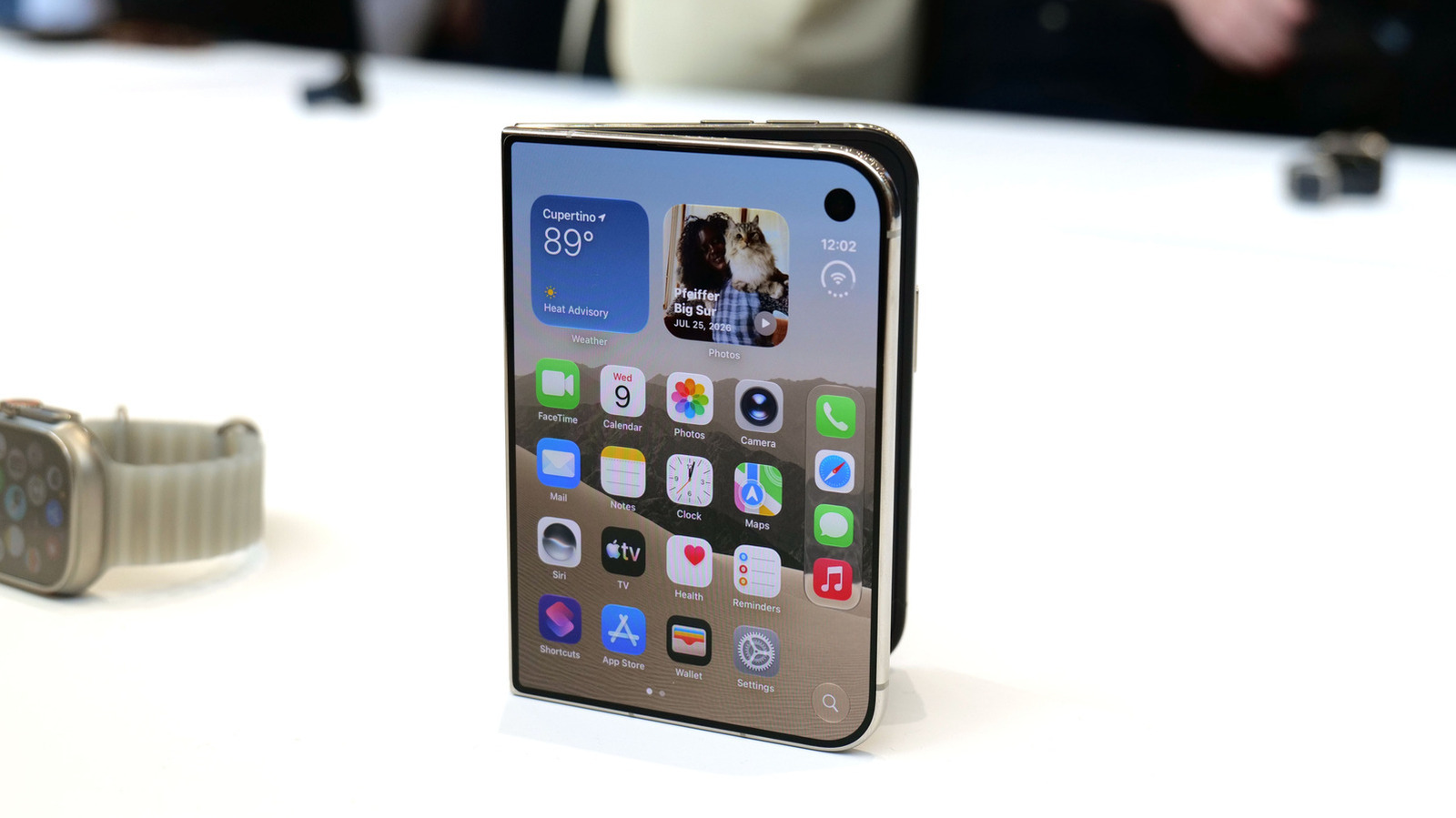
Apple iPhone Duo: A Daring Debut with Notable Compromises
Apple's highly anticipated iPhone Duo, priced at $2,000, has gone on pre-order. While hailed as "Apple's most exciting device in a decade" for its innovative foldable design and immersive display, it comes with significant drawbacks like the absence of FaceID and a premium camera.

AI's Confidence vs. Formal Methods' Rigor: Design Flaws & Verification
While AI accelerates code generation, formal methods remain critical for ensuring system correctness. Languages like TLA+ and tools like Quint enable developers to model and verify system designs before coding, catching subtle flaws. Quint makes formal methods more accessible with developer-friendly syntax and executability. This approach is vital for verifying AI-generated code through trace validation and model-based testing, ensuring reliability against real-world data.