
Controversial NIH Director Also Takes Helm at CDC Amid RFK Jr.
Jay Bhattacharya, the controversial NIH Director, has been appointed acting CDC Director, marking an unusual dual role amidst Health Secretary Robert F. Kennedy Jr.'s leadership shake-up. Critics express alarm over Bhattacharya's perceived lack of leadership and history of endorsing anti-vaccine policies, fearing further destabilization of public health agencies and a rubber-stamping of unscientific agendas.
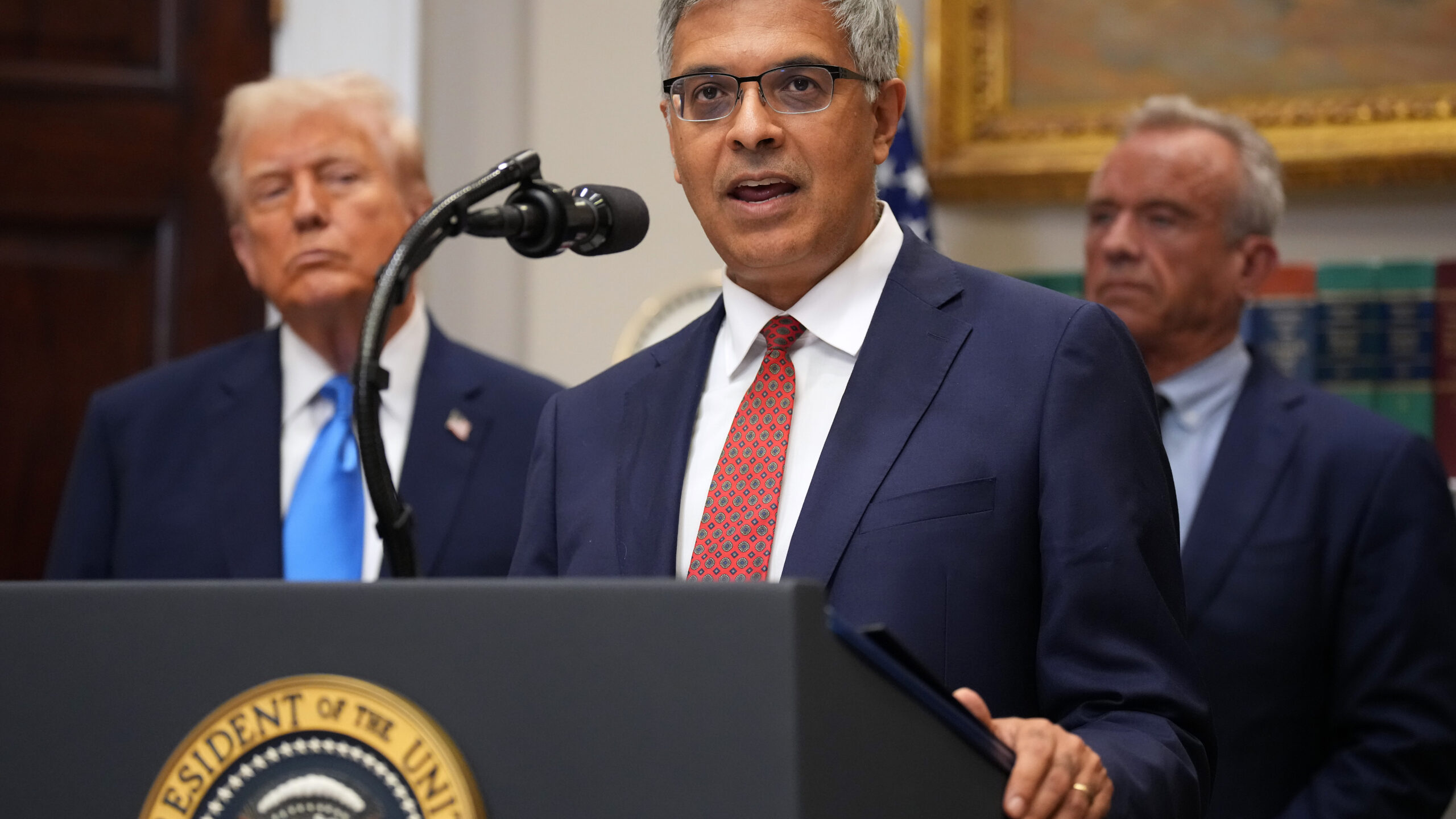
Controversial NIH Director Also Takes Helm at CDC Amid RFK Jr. Shake-Up
Key takeaways
- Jay Bhattacharya, the current Director of the National Institutes of Health (NIH), has been appointed acting Director of the Centers for Disease Control and Prevention (CDC).
- This unusual dual role occurs amidst significant leadership changes within the Department of Health and Human Services (HHS) under anti-vaccine Secretary Robert F. Kennedy Jr.
- Bhattacharya's leadership at NIH has been criticized for defunding research, numerous vacancies, and a perceived hands-off management style.
- Public health experts express concern that he will continue to rubber-stamp Kennedy's anti-vaccine agenda, as he previously approved drastic cuts to childhood vaccine recommendations.
- His tenure as acting CDC director is temporary, legally limited to 210 days, with a deadline for a permanent nomination approaching on March 25.
What happened
Jay Bhattacharya, currently serving as the Director of the National Institutes of Health (NIH), has additionally assumed the role of acting Director for the Centers for Disease Control and Prevention (CDC). This is an uncommon arrangement that has immediately drawn sharp criticism from scientific researchers and public health experts. The appointment is part of a broader leadership restructuring within the Department of Health and Human Services (HHS), spearheaded by anti-vaccine Health Secretary Robert F. Kennedy Jr. Bhattacharya is the third leader for the CDC under Secretary Kennedy's administration, highlighting a period of significant turnover for the public health agency.
Why it matters
This dual appointment is highly significant due to the ongoing turmoil within US public health agencies and Bhattacharya's controversial record at the NIH. Critics argue that his perceived lack of hands-on leadership at NIH, which has seen hundreds of millions of dollars in research grants frozen or terminated and an unprecedented number of vacancies, makes him ill-suited to oversee two vital institutions simultaneously. The appointment raises concerns about the stability and scientific independence of both the NIH and CDC. Experts fear that Bhattacharya will further facilitate Secretary Kennedy's anti-vaccine agenda, potentially undermining evidence-based public health practices and contributing to the resurgence of preventable diseases, such as measles.
Key details / context
The CDC has experienced considerable instability under Secretary Kennedy's leadership. Susan Monarez, a microbiologist and the first Senate-confirmed CDC director under Kennedy, was ousted within a month for allegedly refusing to endorse changes to vaccine recommendations proposed by Kennedy's anti-vaccine advisors. Her successor, Jim O'Neill, a Silicon Valley investor and ally of Peter Thiel, then served as acting director and approved a dramatic overhaul of the CDC's childhood vaccine recommendations. O'Neill is reportedly now slated for nomination to lead the National Science Foundation.
While Bhattacharya, a health economist with a medical degree, possesses more relevant qualifications than O'Neill, his leadership at NIH has been contentious. A recent Senate report revealed that under his directorship, the NIH halted or froze $561 million in grants for research into the four leading causes of death in America. At least 304 clinical trials were defunded. Additionally, 16 of the NIH's 27 institutes and centers currently lack directors, marking an unprecedented number of vacancies. Bhattacharya is known for delegating most of his responsibilities to other officials and for frequent public interviews, earning him the moniker
Related articles

DJI Solo Video Setups: Smart Choices for Lone Creators
This review delves into DJI's recommended solo video setups, highlighting the Osmo Pocket 3 Creator Combo as a top pick for its integrated camera, gimbal, and mic. It also covers stabilizers like the Osmo Mobile 8 and RS 4, and the DJI Mic Mini series for enhanced audio, providing honest pros, cons, and clear buying advice.

TCG Pocket Responds: A Much-Needed Pace Shift for Pokémon Fans
Pokémon TCG Pocket is rolling out a major update for its second anniversary, primarily addressing player concerns about overwhelming content releases by shifting to a six-week set schedule. This aims to curb player decline and improve overall engagement by giving trainers more time to collect and strategize. The update also adds new collection methods, improved deck-building features, and enhanced trading functionality.

Tesla Unveils Thruster-Equipped Roadster, 2028 Production Targeted
Tesla has unveiled its second-generation Roadster, featuring cold-gas thrusters co-developed with SpaceX, enabling it to jump and flip. The electric sports car demonstrated 0-60mph in an astonishing 0.81 seconds, with production targeted for 2028. This highly anticipated reveal also serves as a key recruitment tool for Tesla's ambitious AI and robotics initiatives.
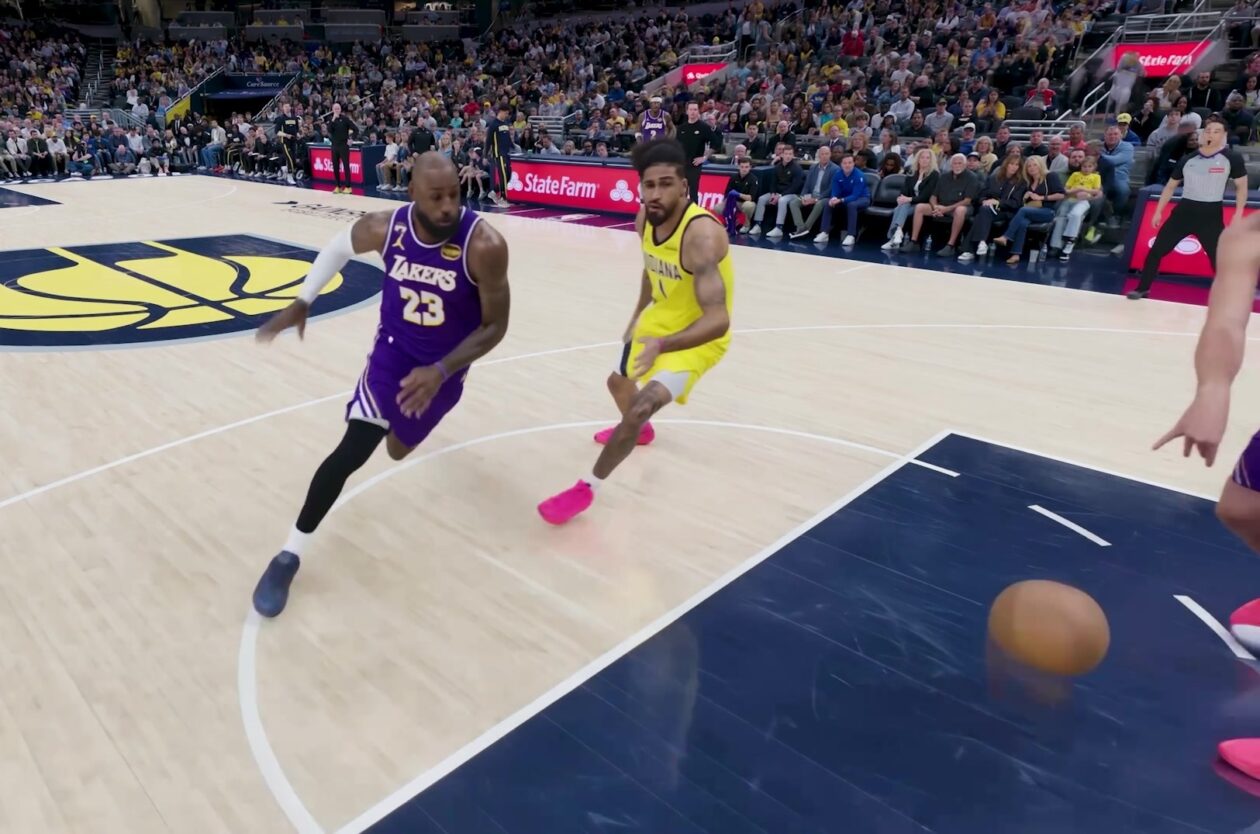
Amazon Prime Video Launches AI-Powered Prime 360 for NBA Coverage
Amazon Prime Video is elevating its NBA coverage with the introduction of Prime 360, an AI-powered replay system offering immersive, 'fly through' views of the action. Kicking off its second season, Prime Video also adds Yahoo fantasy integration and gains exclusive Eastern Conference Finals rights, expanding its tech-driven sports broadcast. The new features aim to deliver a unique and interactive viewing experience for basketball fans.

Kojima Compares Divisive New Film 'Digger' to MGS2's Prescient Vision
Gaming icon Hideo Kojima has praised the divisive 2026 film *Digger*, drawing intriguing parallels to his own prophetic game, *Metal Gear Solid 2*. Both works, he explains, uniquely explore the dangers of misinformation and a fragmented digital reality, anxieties he shares with *Digger*'s director, Alejandro González Iñárritu.

Enterprise AI Beyond Chatbots: A Vision for Actionable Intelligence
Quick Verdict: Redefining Enterprise AI's Potential TechRadar Pro's opinion piece, "What it takes to move enterprise AI beyond the chatbot," delivers a refreshingly honest and vital perspective on the current state and