
Console Giants Push Back: Sony & Microsoft Fight Tariff Refund
Sony and Microsoft are fighting consumer lawsuits seeking refunds for 2025 console price hikes tied to now-illegal US tariffs. Both argue they're not legally obligated, citing various market factors, contrasting with Playdate's proactive refunds.
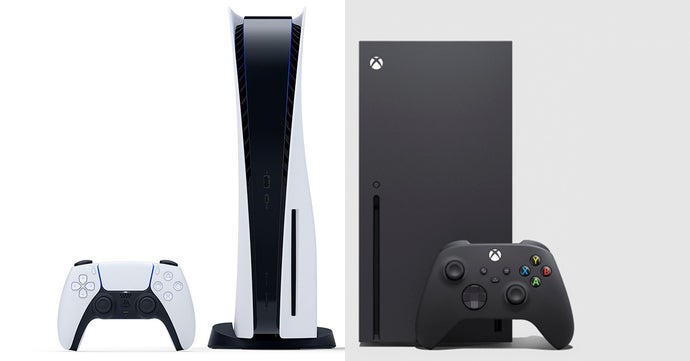
Alright, gamers, gather 'round, because there's a legal drama unfolding that touches our wallets and our favorite console manufacturers. Remember those console price hikes back in 2025 for your shiny new PlayStation 5 and Xbox Series X|S? Well, it turns out some consumers believe those increases were tied directly to US-imposed tariffs, which the US Supreme Court later deemed illegal. Now, these gamers are demanding refunds, but Sony and Microsoft are pushing back, hard.
The Tariff Turmoil and Consumer Outcry
Getting your hands on a next-gen console in 2025 felt like navigating a minefield of supply issues and climbing prices. Both Sony and Microsoft bumped up hardware costs. Fast forward, and the US Supreme Court delivered a bombshell ruling, declaring the IEEPA tariffs – speculated to be a key reason for those price increases – as illegal. Consumers then saw this as a clear sign: if the tariffs were unlawful, and they paid more, they should get their money back. Thus, class-action lawsuits were born, aiming for refunds for affected console buyers.
Sony's Stance: More Than Just Tariffs?
Sony has filed a motion to dismiss the lawsuit in California, arguing it isn't legally obligated to hand out refunds. Their legal team calls claims that tariffs were the sole cause of price hikes "speculative and illogical." Instead, they point to a host of factors impacting console costs: inflation, currency fluctuations, component costs, logistics, competitive pressures, and market demand. Here’s a kicker: Sony actually increased hardware prices again after the tariffs were declared illegal. Their lawyers argue this proves that PlayStation console pricing includes a "diverse and dynamic set of input costs," not just tariffs. Interestingly, Sony did inform investors they’re expecting a cool $508 million in tariff refunds themselves, notably boosting their Q1 operating income by 37%.
Microsoft's Defense: What You Paid Is What You Got
Microsoft is singing a similar tune in its own separate lawsuit in Washington State, also seeking dismissal. Their legal team contends there’s "nothing unjust" about consumers buying an Xbox at its advertised price and receiving exactly what they paid for. They argue that plaintiffs haven't provided concrete evidence to link pricing directly to tariffs or show any clear "dollar-for-dollar calculation" of tariff-related costs that Microsoft applied or could even recreate now. Essentially, Microsoft states pricing is complex, influenced by myriad market factors, and isolating tariffs as the sole or primary reason for a price change – and therefore a refund – is a bridge too far for consumers to prove.
A United Front: Nintendo Also Digs In
The big three console makers are presenting a remarkably unified front. Back in July, Nintendo already submitted its own motion to dismiss a similar consumer lawsuit. Their lawyers reasoned that if a customer wasn’t happy with an advertised price, they had options: simply not buy the product, or check out what the competition offered. Nintendo also clarified they didn't just slap the tariff amount onto each product. Instead, they made "modest and selective price adjustments," and even absorbed tariff costs for some of their hottest 2025 products, like the much-anticipated Nintendo Switch 2. This collective pushback highlights a consistent industry perspective on how pricing works and who bears responsibility for economic shifts.
The Lone Wolf: Panic's Playdate Sets a Different Precedent
Amidst this legal wrangling from the console giants, there's a refreshing, albeit solitary, story from a smaller player. Panic, the quirky folks behind the delightful Playdate handheld, stands alone as the only hardware company so far to actually refund tariff surcharges to their customers. After receiving its own refund from the US government, Panic chose to pass that saving directly back to its buyers. This act of good faith sets a stark contrast against the legal maneuvers of Sony, Microsoft, and Nintendo, raising questions about corporate responsibility and consumer goodwill in the face of unexpected financial windfalls. While Playdate's market scale is vastly different from a PS5 or Xbox, it does show that a precedent for refunds can exist.
What Does This Mean for Gamers?
So, what does this legal battle mean for us, the gamers who bought these consoles? On one hand, the arguments from Sony and Microsoft are compelling from a business perspective. Pricing is a complex beast, influenced by global economics, supply chains, and market strategy, not just a single tariff. It's tough to isolate one factor and demand a precise refund. On the other hand, consumers feel they were unfairly charged due to a government action later declared illegal. When companies receive significant refunds related to those tariffs (like Sony's half-billion dollar windfall), it certainly feels like those savings could trickle down. The outcome of these dismissals will set a significant precedent, shaping future interactions between industry giants and consumer rights.
A Waiting Game for Consumers
Ultimately, this situation is a classic showdown between corporate interests and consumer advocacy. Sony and Microsoft, along with Nintendo, are making it clear they believe they are under no obligation to refund consumers for price adjustments made during a period of complex economic factors, even if a specific tariff was later invalidated. The courts will now decide whether these arguments hold water. For now, it’s a waiting game for console owners who feel they're owed a piece of that tariff refund pie. Don’t hold your breath for a quick payout, but keep an eye on these legal developments – they’re a fascinating look at the intricate dance between global trade, corporate pricing, and gamer wallets.
FAQ
Q: Why are consumers suing Sony and Microsoft over tariffs?
A: Consumers believe that price increases for PlayStation 5 and Xbox consoles in 2025 were due to US-imposed tariffs, which the US Supreme Court later ruled were illegal. They argue that because the tariffs were deemed unlawful, they are entitled to refunds for the additional costs they paid.
Q: What are Sony and Microsoft's main arguments for dismissing these lawsuits?
A: Both companies argue they are not legally required to provide refunds. They claim that tariffs were not the sole cause of price increases, citing other factors like inflation, currency fluctuations, and component costs. Sony also points to subsequent price increases after the tariffs were invalidated as evidence, while Microsoft argues that consumers bought products at advertised prices and received what they paid for, without specific proof of tariff-related pricing.
Q: Has any company actually refunded customers for these tariffs?
A: Yes, Playdate maker Panic is the only hardware company mentioned that has refunded tariff surcharges to its customers after receiving its own refund from the US government. This sets it apart from the larger console manufacturers like Sony, Microsoft, and Nintendo, who are all actively seeking to dismiss similar lawsuits.
Related articles
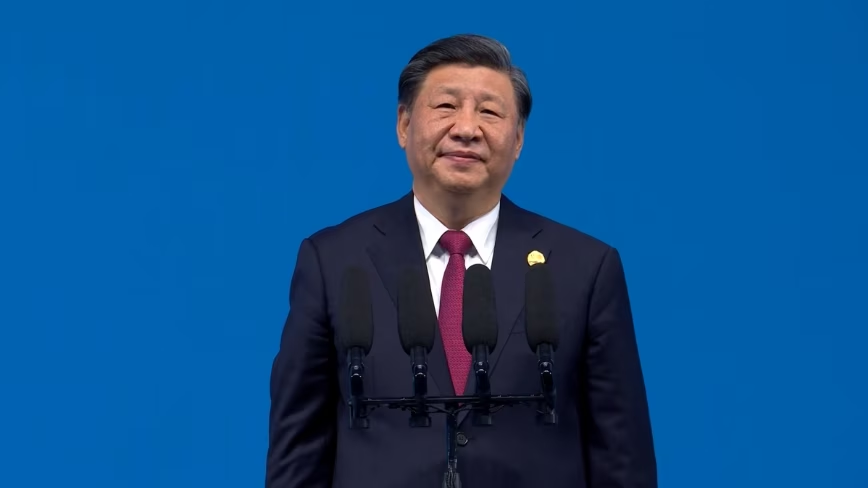
Xi pitches open-source AI to BRICS amid domestic curb debates
Chinese President Xi Jinping proposed a China-led open-source AI community and invited BRICS nations to join the World AI Cooperation Organization (WAICO) at the recent BRICS summit. This push for global collaboration contrasts sharply with Beijing's ongoing internal debates about restricting its own advanced AI models. Meanwhile, the EU's comprehensive AI Act, with its clear, enforceable rules for open-source AI, highlights a significant divergence in global AI governance approaches.
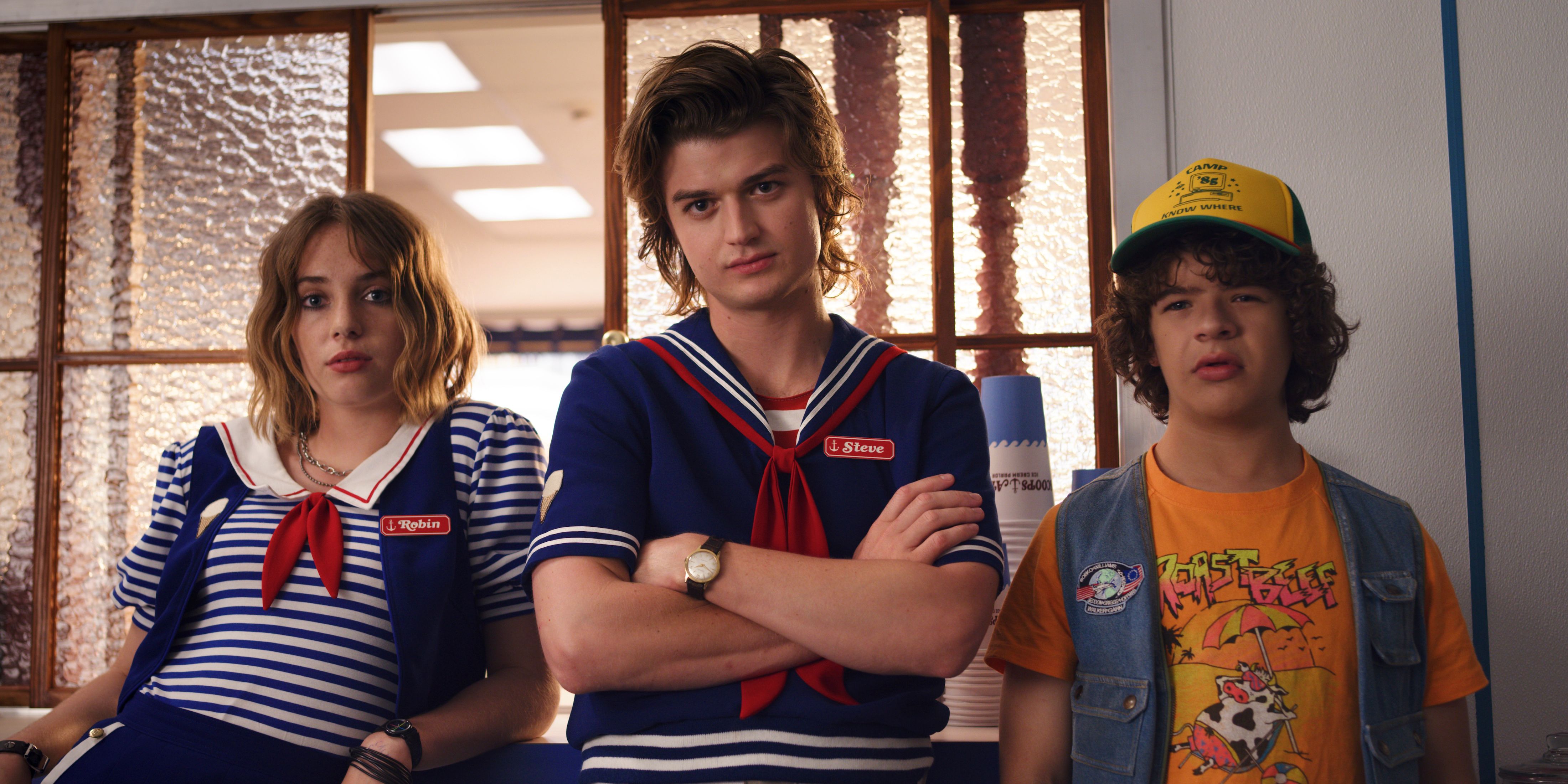
The Party's Back! Tales from '85 Unleashes Season 2 on Netflix
Stranger Things: Tales from '85, the animated spin-off, returns to Netflix on September 17th with 10 new episodes. Set between seasons 2 and 3 of the original live-action series, Season 2 sees The Party facing ghostly apparitions and strange creatures around Valentine's Day. While it received mixed reactions initially, it retains the 80s vibe and core characters.

Seattle Warned on Big Tech Reliance; Microsoft/OpenAI Sued; Apple's
A new City of Seattle study warns of the city's risky economic over-reliance on a few dominant tech companies. Simultaneously, the Seattle Times and Newsday are suing Microsoft and OpenAI for alleged AI training data theft, while Apple's new foldable iPhone Duo evokes memories of Microsoft's defunct Surface Duo.

Blood of The Dawnwalker’s True Foes Lurk in the Wilds
_Blood of The Dawnwalker_ from Rebel Wolves is an RPG that unexpectedly challenges players with fierce wildlife, drawing comparisons to _Dragon Age: Inquisition_'s early zones. Its unique directional combat system, while engaging, can lead to players being overwhelmed by animal ambushes. Despite the high difficulty, these encounters add a fun, dynamic layer to the game.

Microsoft comms chief Frank Shaw to exit after nearly three decades
Frank X. Shaw, Microsoft's long-serving chief communications officer, will exit at year-end after nearly three decades shaping the company's message through pivotal periods. Shaw, 64, is not retiring but plans a break before his next move, leaving behind a legacy of adapting communications for a digital age and embracing AI tools. Microsoft is now searching for his successor.

Unions Level Up: How Collective Power is Reshaping Game Dev
The gaming industry is seeing a massive shift as unionization rises globally, securing vital worker protections, better pay, and AI safeguards. This collective movement is empowering developers and fundamentally changing workplace dynamics. It's a win for workers, and ultimately, for the games we play.