
Chrome Voice Dictation: A Natural Language Game Changer
Chrome's Voice Dictation Gets a Natural Upgrade: Finally, Technology Understands Us Quick Verdict: Google's latest update to Chrome's voice dictation, introduced in the Chrome 151 Beta, is a subtle yet significant
Chrome's Voice Dictation Gets a Natural Upgrade: Finally, Technology Understands Us
Quick Verdict: Google's latest update to Chrome's voice dictation, introduced in the Chrome 151 Beta, is a subtle yet significant quality-of-life improvement. By automatically inferring punctuation from natural speech patterns, it removes one of the biggest frustrations of voice typing, making interactions with computers feel genuinely more human. While not a flashy AI overhaul, this enhancement promises to make dictating messages, documents, and notes substantially smoother and more intuitive.
Voice dictation has long been a double-edged sword. It offers the convenience of hands-free input, yet often forces users into an unnatural dance of verbalizing every "comma" and "full stop" to produce coherent text. This clunky requirement has been a persistent barrier to truly seamless voice interaction. Now, Google is quietly addressing this fundamental flaw, rolling out a capability within Chrome 151 Beta that allows its speech recognition engine to intelligently infer punctuation based on how we actually speak, rather than demanding explicit commands.
The Silent Revolution in Speaking
At its core, this update introduces an unspokenPunctuation boolean attribute to the Web Speech API's SpeechRecognition interface. When enabled by developers, Chrome's engine analyzes the subtleties of human speech – pauses, intonation, and prosody – to automatically insert punctuation marks. This means no more awkwardly pausing to say "period" or "question mark" in the middle of a thought. The browser is learning to understand the rhythm and flow of conversation, not just the individual words.
For anyone who has ever dictated a lengthy email, struggled to capture meeting notes, or simply sent a quick text using voice, the impact of this change is immediately apparent. The previous requirement to consciously dictate every single punctuation mark severely disrupted the natural pace of thought and speech. By removing this cognitive load, Chrome empowers users to express themselves in a more natural, conversational style. The technology adapts to the user, rather than the other way around, marking a crucial step towards truly intuitive human-computer interaction.
Enhanced User Experience: Speaking as You Think
This seemingly minor adjustment carries major implications for user experience across a multitude of browser-based applications. Imagine dictating an entire document or a complex message without once needing to interrupt your flow to specify a comma or a full stop. Chrome will now intelligently place these marks where they naturally belong, based on your speech patterns.
Key User Benefits:
- Natural Conversational Flow: Users can speak as they would in a face-to-face conversation, maintaining their natural pace and rhythm without the need for artificial punctuation commands.
- Reduced Mental Load: Eliminates the cognitive burden of remembering to verbalize punctuation, allowing users to focus purely on the content of their message.
- Improved Efficiency: Accelerates the dictation process, especially for longer passages, by removing frequent interruptions.
- Broader Application Support: Directly enhances browser-based transcription tools, note-taking applications, accessibility software, and AI-powered writing assistants, making these tools significantly smoother to use.
Developers will also find this feature highly beneficial. Because it's integrated into Chrome's Web Speech API, web applications relying on speech recognition can adopt this advanced functionality without the arduous task of building their own complex punctuation models. This standardization promises broader adoption and a more consistent, high-quality voice dictation experience across the web.
A Glimpse into Google's Vision
This update is more than just an isolated feature; it reflects a broader strategic direction for Google. As AI-powered language models like Gemini become increasingly embedded across products such as Chrome, Android, and Workspace, there's a growing emphasis on understanding natural human communication. The goal is to make technology responsive to users' existing communication styles, rather than forcing users to adapt their speech for machines. This seemingly small improvement in voice dictation is a tangible manifestation of that larger vision.
Pros and Cons
While this feature brings substantial improvements, it's important to consider its current status and potential limitations.
Pros:
- Significantly More Natural Dictation: The primary benefit, allowing users to speak more fluidly.
- Enhanced User Convenience: Reduces the need for explicit punctuation commands, saving time and cognitive effort.
- Broad Application Impact: Improves the usability of various web-based tools that rely on speech input.
- Developer-Friendly Integration: Part of the Web Speech API, making it easy for web app developers to implement.
- Aligns with AI Trends: Reflects Google's commitment to more human-like AI interactions across its ecosystem.
- Quality-of-Life Upgrade: A practical, everyday improvement that users will notice and appreciate.
Cons:
- Beta Stage Availability: Currently only available in Chrome 151 Beta for developers, meaning general users will need to wait for a stable release.
- Developer Adoption Dependent: Widespread availability across web applications depends on developers actively implementing the new
unspokenPunctuationattribute. - Evolutionary, Not Revolutionary: While impactful, Google acknowledges it "won't transform voice typing overnight" but rather represents a steady improvement.
- Accuracy: While designed to be more accurate, no AI system is flawless, and initial performance may vary depending on speech patterns and accents.
Recommendation
For anyone who regularly uses voice dictation, this feature is an incredibly welcome and overdue improvement. While it may not grab headlines like a brand-new AI model, its impact on daily productivity and the naturalness of human-computer interaction cannot be overstated. Users should eagerly anticipate its stable release and broader adoption across web applications. Developers, particularly those building transcription, note-taking, or accessibility tools, should prioritize integrating the unspokenPunctuation attribute as it becomes stable. This update elevates Chrome's voice dictation from a useful but awkward tool to one that truly starts to understand the nuances of human speech, making it a critical step towards a more intuitive digital future.
FAQ
Q: When can I expect to use this automatic punctuation feature?
A: The feature is currently available for developers to test in Chrome 151 Beta. Broader availability for general users will depend on the browser's stable release schedule, which typically follows beta testing phases.
Q: Will all websites and web applications automatically gain this new punctuation capability?
A: No, not automatically. While the feature is built into Chrome's Web Speech API, developers of individual web applications will need to enable the unspokenPunctuation attribute within their speech recognition implementations. Adoption will depend on how widely developers choose to integrate this functionality.
Q: How does this feature actually know where to put punctuation without me saying it?
A: The system works by analyzing the natural characteristics of your speech, such as pauses between words or phrases, changes in your voice's intonation (rise and fall), and overall prosody (the rhythm and stress of speech). By interpreting these subtle cues, Chrome's engine infers where punctuation marks like commas, periods, and question marks should be placed.
Related articles
Android 17 QPR2 Beta 7.1: The Performance Relief You've Been Waiting
Android 17 QPR2 Beta 7.1: Finally Fixing the QPR1 Performance Woes Verdict: Android 17 QPR2 Beta 7.1 is a crucial and highly anticipated software update for Google Pixel users, specifically targeting and resolving the

DJI Solo Video Setups: Smart Choices for Lone Creators
This review delves into DJI's recommended solo video setups, highlighting the Osmo Pocket 3 Creator Combo as a top pick for its integrated camera, gimbal, and mic. It also covers stabilizers like the Osmo Mobile 8 and RS 4, and the DJI Mic Mini series for enhanced audio, providing honest pros, cons, and clear buying advice.

Ars Technica's Rocket Report: Your Essential Space Industry Briefing
Quick Verdict Ars Technica's Rocket Report, presented by veteran space reporter Stephen Clark, offers an invaluable and meticulously organized weekly (or similar frequency, implied by "Edition 9.15") digest of the most
Apple iPhone Duo: A Daring Debut with Notable Compromises
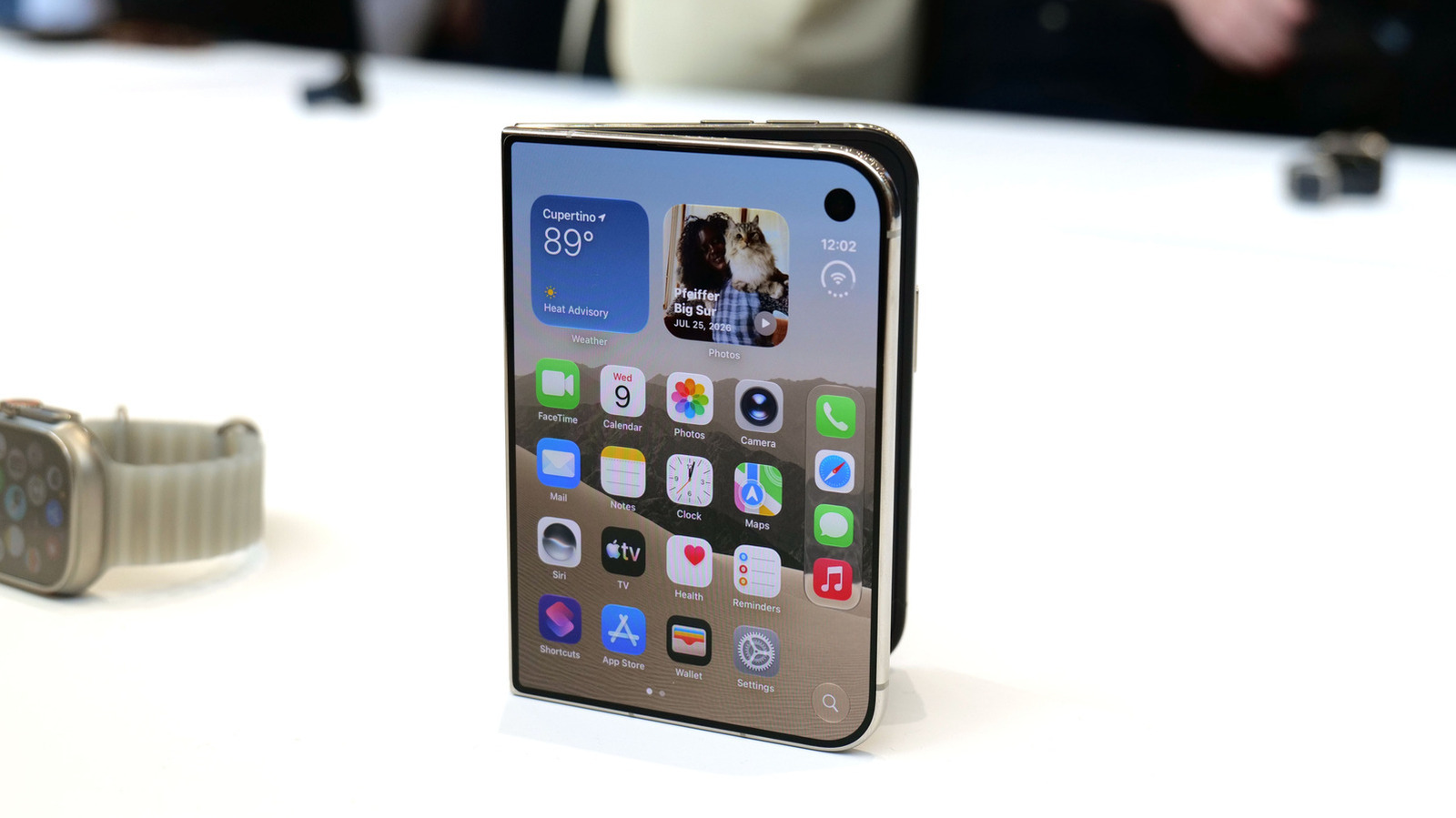
Apple's highly anticipated iPhone Duo, priced at $2,000, has gone on pre-order. While hailed as "Apple's most exciting device in a decade" for its innovative foldable design and immersive display, it comes with significant drawbacks like the absence of FaceID and a premium camera.

AI's Confidence vs. Formal Methods' Rigor: Design Flaws & Verification
While AI accelerates code generation, formal methods remain critical for ensuring system correctness. Languages like TLA+ and tools like Quint enable developers to model and verify system designs before coding, catching subtle flaws. Quint makes formal methods more accessible with developer-friendly syntax and executability. This approach is vital for verifying AI-generated code through trace validation and model-based testing, ensuring reliability against real-world data.
KDE Plasma 6.8: A Future-Focused 30th Anniversary Update
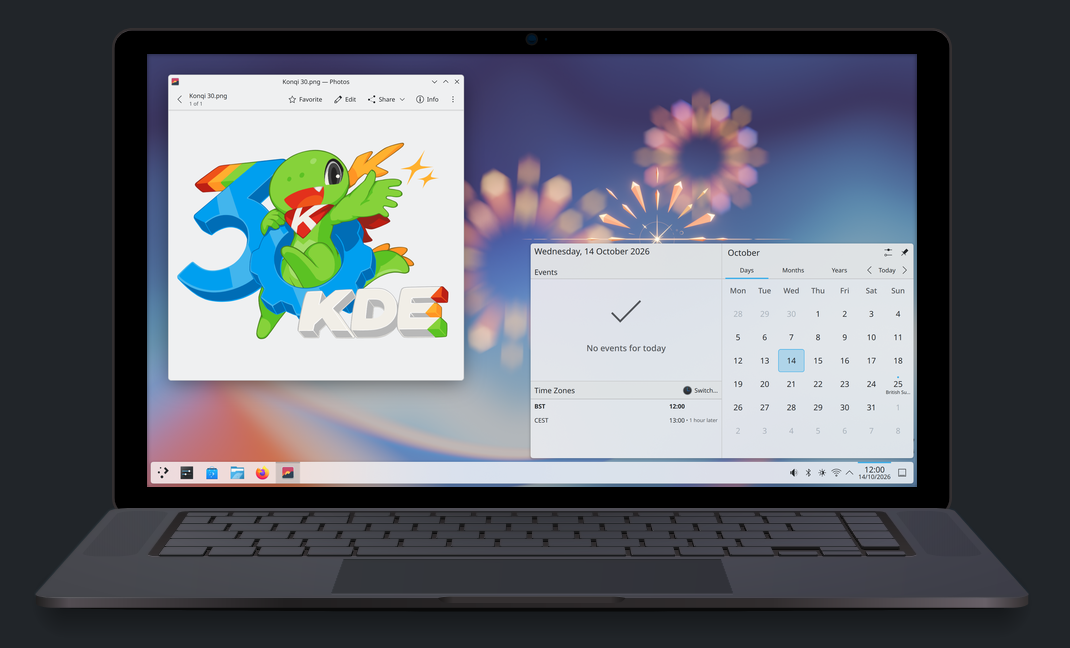
Quick Verdict KDE Plasma 6.8, arriving as the "30th Anniversary Edition," is a pivotal release that decisively pushes the desktop environment into the future. With a definitive farewell to native X11 sessions and a