
ChatGPT for Teens: A Step Forward, But Trust Remains Elusive
OpenAI's ChatGPT for Teens aims to offer a safer, educational AI experience, but child safety experts express significant skepticism over its age-gating, content moderation, and parental notification reliability.
OpenAI's ChatGPT for Teens: A Step Forward, But Trust Remains Elusive
Verdict: Proceed with Caution. OpenAI's age-gated ChatGPT for Teens introduces vital safety commitments and educational features, yet pervasive skepticism from child safety experts regarding its implementation, transparency, and accountability means parents should remain highly vigilant and await independent verification before fully embracing it.
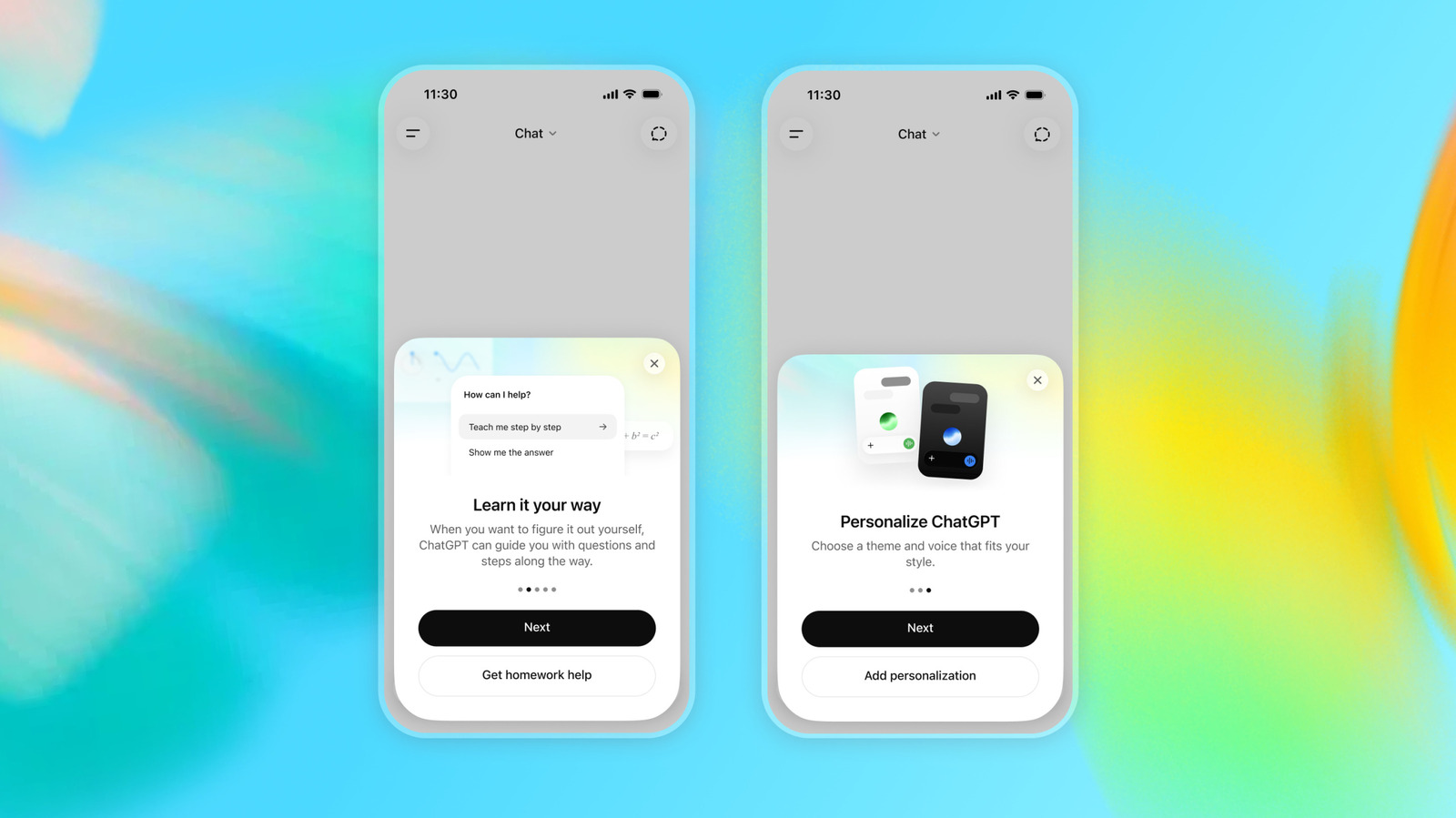
OpenAI recently introduced ChatGPT for Teens, an age-gated variant of its popular chatbot designed specifically for younger users. This initiative follows a significant controversy last year, including a lawsuit alleging ChatGPT contributed to a teen's suicide, prompting OpenAI to explore automatic restrictions for underage users. Given that a substantial portion of US teens already leverage ChatGPT for academic purposes, this specialized version aims to provide a more secure environment, nudging users towards educational tools like Study Mode and data visualization features. OpenAI also committed to expanding safety notifications to parents for sensitive topics like eating disorders and updated its guidelines to prevent the chatbot from engaging in romantic language, fostering emotional dependency, or claiming consciousness.
However, despite these stated intentions, child safety experts who have reviewed the product's rollout are largely skeptical. Their consensus is clear: OpenAI must provide robust evidence and demonstrate trustworthiness before products like ChatGPT for Teens can be confidently recommended to families.
Key Details & User Experience: Intent vs. Reality
ChatGPT for Teens is designed to automatically identify users under 18 or apply restrictions if a user declares their age. The company states there's no need for teens to create new accounts or alter settings; the system should adapt the experience by default. New guidelines stipulate that the AI should avoid romantic language, emotional dependence, or implying it possesses feelings, aiming to promote healthy real-world relationships. Furthermore, OpenAI announced an ambitious plan to review all flagged content with full-time employees and notify parents of linked accounts within an hour if their child discusses sensitive topics like eating disorders.
While the idea of a safer, age-appropriate AI assistant is commendable, the real-world implementation faces significant hurdles according to experts.
Age-Gating Reliability: A major concern revolves around the effectiveness of OpenAI's automated age-gating system. Experts question the accuracy of its predictions, highlighting the absence of published data on false-positive and false-negative rates. Past reports suggested that OpenAI's age-estimation technology struggled to reliably identify teenagers, which previously stalled the rollout of other features. Moreover, the internet has a long history of teens finding creative ways to bypass age verification, raising doubts about the system's long-term resilience against circumvention methods like VPNs or other workarounds.
Content Moderation and the "One-Hour Promise": OpenAI’s commitment to human review for all flagged content and parental notification within an hour is seen as highly ambitious, if not unrealistic, by many. Questions abound regarding the number of chats flagged daily, the size of the human moderation team, and the average time spent on each review. Critics find it difficult to imagine a workforce large enough to thoroughly review every potentially troubling conversation at scale.
Adding to this skepticism is past performance. Tests conducted by Common Sense Media last November on OpenAI's parental notification system revealed significant delays, with warnings for explicit suicide and self-harm messages taking 24 to over 48 hours to be sent, and sometimes not at all. While OpenAI may have made progress since then, the challenge of building a global, culturally nuanced moderation team capable of interpreting distress and routing teens to appropriate support (parents, law enforcement, crisis hotlines) within such a tight timeframe remains immense. The nuance required for effective intervention across diverse cultural contexts is a significant operational hurdle.
Parental Controls: Opt-In vs. Safety by Default: The design of parental controls, requiring parents and children to link their ChatGPT accounts, is identified as a critical weakness. Child safety organizations repeatedly find that most parents do not utilize opt-in parental oversight tools because they are often difficult to find and use. This mirrors issues seen with other major platforms, such as Instagram's teen accounts, where many safety features proved ineffective or challenging to navigate, making them "broken promises." Experts advocate for "safety by default" settings, where the most protective options are enabled from the outset, rather than placing the burden on parents to configure them. OpenAI has stated it limits alerts to linked accounts and did not specify actions for unlinked accounts with harmful prompts.
Addressing a Critical Need, But How?
The experts largely agree on the importance of addressing specific issues like eating disorders. Associate Professor Ellen Fitzsimmons-Craft highlights that eating disorders are far more prevalent among youth than commonly understood, with high mortality rates (especially for anorexia) and poor treatment access. She views parental notifications positively, given that family-based treatment is often the most effective approach for adolescent eating disorders. However, even with this agreement, concerns about OpenAI's implementation persist. Critics like Josh Golin suggest the rollout feels more like a "public relations response" than a thoroughly tested intervention designed for optimal teen outcomes.
Pros:
- Addresses a Real Problem: Acknowledges widespread teen use of AI and aims to provide a safer environment.
- Focus on Education: Integrates helpful educational features like Study Mode and data visualizations.
- Critical Safety Commitments: Includes stricter content guidelines (no romantic language, emotional dependence) and targets serious issues like eating disorders with parental notifications.
- Intent for Human Review: Aims for human oversight of flagged content and rapid parental alerts.
Cons:
- Unproven Age-Gating: Doubts about the reliability and circumvention resistance of automatic age identification.
- Lack of Transparency: No published data on the effectiveness of safety mechanisms (e.g., false-positive/negative rates).
- Skepticism on Human Review Capacity: Experts question OpenAI's ability to deliver on the one-hour human review and notification promise at scale, especially with global, nuanced content.
- Inconsistent Parental Notifications: Past tests show significant delays or failures in sending alerts for explicit self-harm content.
- Flawed Parental Control Design: Relies on opt-in, linked accounts, which historically have low parent engagement and effectiveness, contrasting with "safety by default" approaches.
- Accountability Concerns: History of content restriction failures on other platforms and within OpenAI itself leads to distrust.
Buying Recommendation
Given the significant concerns raised by child safety experts, we cannot wholeheartedly recommend OpenAI's ChatGPT for Teens at this juncture. While the intent to create a safer environment for young users and address critical issues like eating disorders is commendable, the execution and transparency fall short. Parents considering this product should do so with extreme caution, understanding that the stated safety mechanisms are largely unverified by independent bodies and have shown weaknesses in past iterations. It's prudent to await more transparent data, independent testing results, and a demonstrated track record of reliable safety enforcement before trusting this platform entirely with your teen's well-being. OpenAI needs to build trust through verifiable action, not just promises.
FAQ
Q: Is ChatGPT for Teens truly safer than the regular ChatGPT? A: OpenAI claims it is, with stricter content guidelines and parental notifications for serious topics. However, child safety experts are skeptical, citing concerns about the reliability of its age-gating, content moderation, and the effectiveness of its parental alert system. Independent verification is still needed.
Q: How does ChatGPT for Teens identify teen users? A: OpenAI states it uses an automated system to predict if a user is under 18, or the experience defaults to the teen version if the user has disclosed their age. Experts question the accuracy of this automated identification and its susceptibility to circumvention.
Q: Will I be notified if my teen discusses sensitive topics like eating disorders? A: OpenAI has committed to notifying parents with linked accounts within an hour of flagging such discussions. However, experts are skeptical about the capacity for human review required for this, and past tests of similar notification systems have shown significant delays or failures. Moreover, unlinked accounts may not trigger any action.
Related articles
Android 17 QPR2 Beta 7.1: The Performance Relief You've Been Waiting
Android 17 QPR2 Beta 7.1: Finally Fixing the QPR1 Performance Woes Verdict: Android 17 QPR2 Beta 7.1 is a crucial and highly anticipated software update for Google Pixel users, specifically targeting and resolving the

DJI Solo Video Setups: Smart Choices for Lone Creators
This review delves into DJI's recommended solo video setups, highlighting the Osmo Pocket 3 Creator Combo as a top pick for its integrated camera, gimbal, and mic. It also covers stabilizers like the Osmo Mobile 8 and RS 4, and the DJI Mic Mini series for enhanced audio, providing honest pros, cons, and clear buying advice.

Ditch Merge & Center: The Better Way to Align Text in Excel
Learn to use Excel's "Center Across Selection" to align text across cells without merging, avoiding common data manipulation issues. This guide provides steps to utilize this newly accessible feature and add it to your Quick Access Toolbar.

Ars Technica's Rocket Report: Your Essential Space Industry Briefing
Quick Verdict Ars Technica's Rocket Report, presented by veteran space reporter Stephen Clark, offers an invaluable and meticulously organized weekly (or similar frequency, implied by "Edition 9.15") digest of the most

Apple iPhone Duo: A Daring Debut with Notable Compromises
Apple's highly anticipated iPhone Duo, priced at $2,000, has gone on pre-order. While hailed as "Apple's most exciting device in a decade" for its innovative foldable design and immersive display, it comes with significant drawbacks like the absence of FaceID and a premium camera.

AI's Confidence vs. Formal Methods' Rigor: Design Flaws & Verification
While AI accelerates code generation, formal methods remain critical for ensuring system correctness. Languages like TLA+ and tools like Quint enable developers to model and verify system designs before coding, catching subtle flaws. Quint makes formal methods more accessible with developer-friendly syntax and executability. This approach is vital for verifying AI-generated code through trace validation and model-based testing, ensuring reliability against real-world data.