
Cascade PBS Spins Out Local Public, Powering Local Streaming
Seattle’s Cascade PBS has spun out Local Public, a new company building custom streaming apps for public media stations nationwide. Launched July 1, Local Public empowers stations with branded apps, fundraising tools, and data, offering a local alternative to national streaming platforms. The initiative aims to combat media consolidation and promote community-rooted content.

Seattle, WA – Cascade PBS, the public broadcasting station serving Western Washington and parts of British Columbia, has officially spun out its innovative streaming app technology into a new, standalone public benefit corporation named Local Public. Launched on July 1, the new entity is now building custom connected-TV and mobile applications for public media stations across the United States, aiming to empower local programming and community engagement.
Local Public’s core mission is to equip local PBS stations with their own branded, curated streaming apps, complete with tools for fundraising and audience data. This initiative offers a distinct alternative to a generalized national app, emphasizing local control over content and viewer experience. The platform seeks to foster a “growing coalition of independent public media organizations working together while remaining deeply rooted in their own communities,” according to Local Public CEO Kevin Colligan.
Originally developed within Cascade PBS (KCTS-TV channel 9) to serve its own regional audience, the technology platform gained national traction through a Local Streaming Initiative (LSI). This expansion was supported by 10 Founding Sponsor partner stations, laying the groundwork for Local Public’s nationwide rollout.
While Cascade PBS currently owns 100% of Local Public, the new company is poised to attract investment and become co-owned by a coalition of other PBS stations in the near future. This structure reflects a broader collaborative vision for public media's digital future, moving towards shared ownership and resources among independent organizations.
Colligan articulated the timely relevance of Local Public's launch against a backdrop of increasing media consolidation and the proliferation of low-effort, AI-generated content. He argues that a shrinking number of corporations exert growing control over what Americans consume, while local newsrooms face cutbacks and centralized programming. In this environment, Colligan stressed that trusted, community-rooted public media becomes more valuable, not less.
“We bring a startup mentality to public media’s longstanding tradition of community service,” Colligan stated in a blog post announcing the launch. He emphasized the goal of building technology that enables stations to operate with greater agility, collaborate more effectively, and connect with audiences wherever they are, reinforcing the local journalism and storytelling essential to communities.
Currently, 18 stations across the country are utilizing Local Public’s platform. These include prominent public broadcasters such as Arizona PBS (Phoenix), Houston Public Media, OPB (Oregon), Rocky Mountain PBS (Denver), Vegas PBS, WETA (Washington, D.C.), WHYY (Philadelphia), and WQED (Pittsburgh), among others. This early adoption signals a strong demand for localized streaming solutions within public media.
The robust technology supports a wide array of devices, with apps available on 10 platforms including Roku, Fire TV, Apple TV, Google TV, Android TV, LG and Samsung smart TVs, iPhone, Android, and a dedicated web video portal. Upcoming developments for fiscal year 2027 include the integration of NPR, radio, and podcast content, further broadening the platform’s utility.
Stations leveraging Local Public benefit from a centralized content management system, granting them autonomy to publish their own programming, create featured-content carousels, and access real-time viewer analytics. The platform also facilitates direct communication with members and prospective donors within the app. Crucially, it fully supports key PBS systems like PBS Passport, the streaming benefit for recurring donors, and PBS Media Manager, which stations use for video content management and distribution.
Early successes highlight the platform's impact. Sacramento’s KVIE has already relaunched its streaming app as KVIE+ through Local Public, offering free access to its broadcast channels via streaming, alongside local programming and acquired shows. Denver’s KRMA has similarly relaunched its connected-TV app, demonstrating the platform's immediate operational benefits for participating stations.
Local Public employs a tiered pricing model for stations, determined by the number of Passport-eligible members a station has at the time of signup. For instance, smaller stations with fewer than 15,000 members are subject to an $8,000 onboarding fee and an annual charge of $60,000. This structure aims to make the technology accessible while ensuring the sustainability of the platform.
FAQ
Q: What is Local Public's primary mission?
A: Local Public's primary mission is to provide individual PBS stations with their own branded, curated streaming apps for connected-TV and mobile devices, offering local control over content, fundraising tools, and audience data, as an alternative to a single national app.
Q: How does Local Public address current challenges in the media landscape?
A: Local Public aims to combat media consolidation and the rise of AI-generated content by empowering community-rooted public media. It provides technology that allows stations to move faster, collaborate more effectively, and strengthen authentic local journalism and storytelling.
Q: What technology does Local Public offer to stations?
A: Local Public offers a centralized content management system, enabling stations to publish programming, create content carousels, and view real-time analytics. Its apps run on 10 major platforms and integrate with PBS Passport and PBS Media Manager, with NPR, radio, and podcast integration planned for fiscal year 2027.
Related articles

Apple Unveils iPhone Duo: Pricey Foldable Sees Soaring Demand
Apple has officially entered the foldable smartphone arena with the long-anticipated launch of the iPhone Duo. Priced starting at a hefty $1,999, the device features a 5.4-inch outer display and a larger 7.6-inch inner

in-depth: Chicago-Area Cops Helped HSI Spy on Minnesota Anti-ICE
Chicago-area law enforcement, including local police and HSI agents, conducted undercover surveillance on Minnesota anti-ICE activists at an April 2, 2022, talk in Chicago. This operation was part of a federal conspiracy probe into 15 Minnesota activists facing felony charges related to immigration enforcement resistance. Civil liberties advocates have condemned the surveillance as a troubling intrusion into protected political activity.

Mark Wahlberg on using AI in film ‘the right way’ and being open to
Actor Mark Wahlberg believes AI has a place in filmmaking if used responsibly for enhancement, not script generation or actor replacement. At TechCrunch Disrupt, he expressed openness to an AI likeness carrying on his legacy, managed by his family, and emphasized storytelling.

Tesla Unveils Thruster-Equipped Roadster, 2028 Production Targeted
Tesla has unveiled its second-generation Roadster, featuring cold-gas thrusters co-developed with SpaceX, enabling it to jump and flip. The electric sports car demonstrated 0-60mph in an astonishing 0.81 seconds, with production targeted for 2028. This highly anticipated reveal also serves as a key recruitment tool for Tesla's ambitious AI and robotics initiatives.

Amazon Prime Video Launches AI-Powered Prime 360 for NBA Coverage
Amazon Prime Video is elevating its NBA coverage with the introduction of Prime 360, an AI-powered replay system offering immersive, 'fly through' views of the action. Kicking off its second season, Prime Video also adds Yahoo fantasy integration and gains exclusive Eastern Conference Finals rights, expanding its tech-driven sports broadcast. The new features aim to deliver a unique and interactive viewing experience for basketball fans.
regional: A two-person Seattle startup lands $1M to reinvent
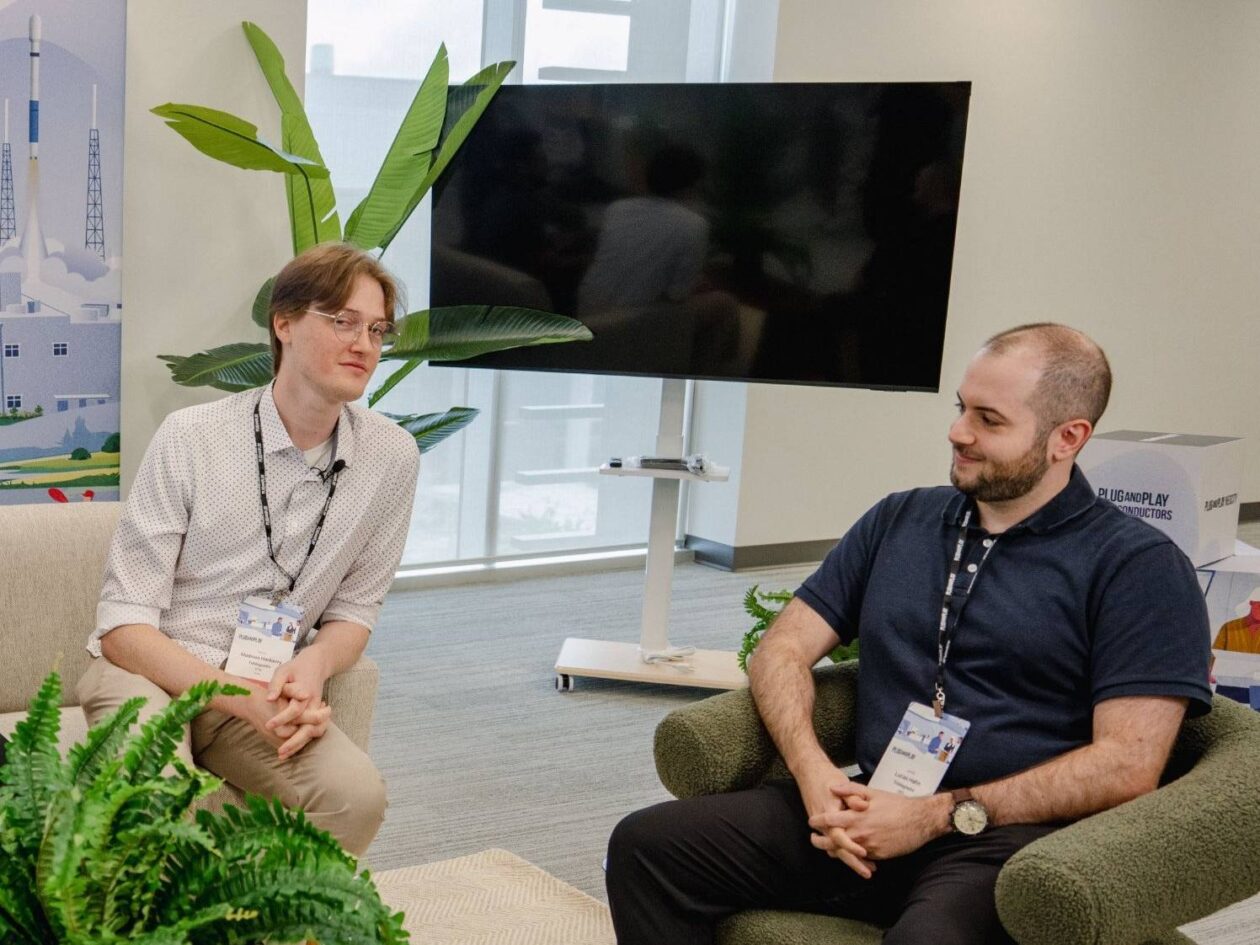
Seattle startup TriMagnetix has secured $1 million to develop semiconductor chips that consume 800 times less energy and are radiation-resistant. The two-person company, leveraging nanomagnetic technology, is targeting space applications and data centers. With new funding and key partnerships, TriMagnetix aims for commercial sales within a year.