
California law targeting loud streaming ads takes effect on July 1
California's new law, effective July 1, mandates that streaming ads not exceed the volume of accompanying content. This move, inspired by parent frustrations, aims for a quieter viewing experience and could spur broader industry changes as similar bills arise in other states.

California Law Silences Loud Streaming Ads Starting July 1
By Anthony Ha
The Golden State leads the charge against disruptive commercials on platforms like Netflix and Hulu, with wider implications for the industry.
California is set to usher in a quieter era for streaming entertainment, with a new law taking effect on July 1 that prohibits advertisements from being louder than the content they interrupt. This legislation aims to combat the often jarring experience of unexpectedly loud commercials on platforms like Netflix and Hulu, providing a welcome change for viewers across the state.
The measure, officially enacted on Wednesday, July 1, extends volume restrictions already in place for traditional broadcast and cable television commercials to the burgeoning world of streaming services. State Senator Thomas Umberg, who sponsored the bill, shared that the impetus for the law came from a common frustration among parents.
He highlighted the distress of "every exhausted parent who’s finally gotten a baby to sleep, only to have a blaring streaming ad undo all that hard work," underscoring the everyday impact of disruptive ad volumes. This personal anecdote resonated with lawmakers, pushing the legislation forward to address a widespread consumer annoyance.
Despite the looming deadline, streaming services have remained largely silent on their specific strategies for complying with the new Californian mandate. While the law technically only applies within California's borders for now, industry observers suggest that any adjustments made to ad volume levels will likely be implemented more broadly across their platforms.
This is partly due to the logistical complexities of geofencing ad volumes and partly in anticipation of similar legislation emerging elsewhere. For instance, Illinois is slated to introduce comparable volume restrictions for streaming advertisements next year, indicating a potential national trend towards regulating digital ad sound.
Industry groups, including the Motion Picture Association of America (MPAA) and the Streaming Innovation Alliance, previously voiced opposition to the bill during its passage in 2025. Their arguments centered on claims that streamers were already actively working to mitigate the issue of loud ads.
They also pointed out the significant technical challenge of maintaining consistent ad volumes across a vast array of output devices, ranging from large smart TVs to small mobile phones and tablets. Each device type presents unique audio capabilities and user settings, complicating a universal volume solution.
The new law places the onus on streaming providers to develop and deploy robust technical solutions to dynamically regulate ad volume. This will necessitate sophisticated audio processing to ensure that commercial breaks seamlessly integrate with the main programming's sound levels, preventing sudden bursts of sound that disrupt the viewer's experience.
For consumers, the immediate benefit will be a more consistent and less disruptive viewing experience, potentially reducing the need to constantly adjust volume during ad breaks. This marks a significant step towards greater consumer control and a more enjoyable digital entertainment experience.
While the technical implementation may prove challenging for platforms, the move is a clear win for viewer comfort. It reflects a growing legislative acknowledgment of the user experience on digital media platforms, mirroring earlier efforts to regulate traditional media.
The proactive stance taken by California could serve as a blueprint for other states and even federal regulators considering similar protections against intrusive advertising practices in the streaming landscape. As July 1 approaches, all eyes will be on how major streaming players respond.
The absence of publicly detailed compliance plans suggests a behind-the-scenes scramble or a reliance on existing, but potentially unannounced, technologies. The success of California's initiative could accelerate the adoption of similar regulations nationwide, fundamentally reshaping the soundscape of streaming advertisements for the better.
FAQ
Q: What specific change does the California law bring for streaming ads?
A: The law mandates that advertisements shown on streaming services in California cannot be louder than the video content they accompany, aiming to eliminate jarring volume spikes during commercial breaks.
Q: Are streaming services expected to implement these changes only in California?
A: While the law is currently specific to California, it is highly probable that streaming services will deploy broader changes across their platforms due to the technical challenges of regional volume controls and the anticipated rise of similar legislation in other states, such as Illinois.
Q: Why did industry groups oppose the law?
A: Industry groups like the Motion Picture Association of America and the Streaming Innovation Alliance opposed the bill, arguing that streaming services were already working on addressing ad volume issues and highlighting the technical difficulties of ensuring consistent sound levels across diverse playback devices like TVs, tablets, and phones.
Related articles

Apple Unveils iPhone Duo: Pricey Foldable Sees Soaring Demand
Apple has officially entered the foldable smartphone arena with the long-anticipated launch of the iPhone Duo. Priced starting at a hefty $1,999, the device features a 5.4-inch outer display and a larger 7.6-inch inner
Android 17 QPR2 Beta 7.1: The Performance Relief You've Been Waiting
Android 17 QPR2 Beta 7.1: Finally Fixing the QPR1 Performance Woes Verdict: Android 17 QPR2 Beta 7.1 is a crucial and highly anticipated software update for Google Pixel users, specifically targeting and resolving the

in-depth: Chicago-Area Cops Helped HSI Spy on Minnesota Anti-ICE
Chicago-area law enforcement, including local police and HSI agents, conducted undercover surveillance on Minnesota anti-ICE activists at an April 2, 2022, talk in Chicago. This operation was part of a federal conspiracy probe into 15 Minnesota activists facing felony charges related to immigration enforcement resistance. Civil liberties advocates have condemned the surveillance as a troubling intrusion into protected political activity.

Mark Wahlberg on using AI in film ‘the right way’ and being open to
Actor Mark Wahlberg believes AI has a place in filmmaking if used responsibly for enhancement, not script generation or actor replacement. At TechCrunch Disrupt, he expressed openness to an AI likeness carrying on his legacy, managed by his family, and emphasized storytelling.

Tesla Unveils Thruster-Equipped Roadster, 2028 Production Targeted
Tesla has unveiled its second-generation Roadster, featuring cold-gas thrusters co-developed with SpaceX, enabling it to jump and flip. The electric sports car demonstrated 0-60mph in an astonishing 0.81 seconds, with production targeted for 2028. This highly anticipated reveal also serves as a key recruitment tool for Tesla's ambitious AI and robotics initiatives.
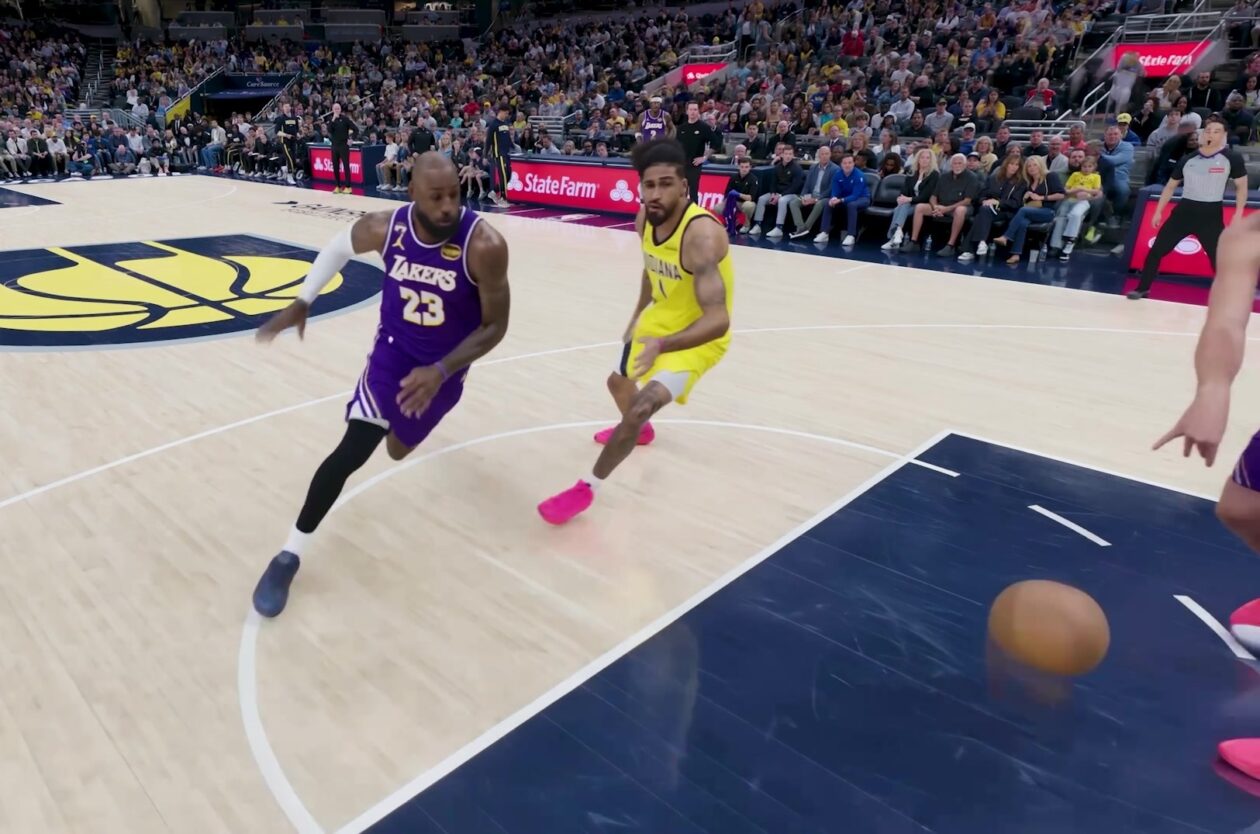
Amazon Prime Video Launches AI-Powered Prime 360 for NBA Coverage
Amazon Prime Video is elevating its NBA coverage with the introduction of Prime 360, an AI-powered replay system offering immersive, 'fly through' views of the action. Kicking off its second season, Prime Video also adds Yahoo fantasy integration and gains exclusive Eastern Conference Finals rights, expanding its tech-driven sports broadcast. The new features aim to deliver a unique and interactive viewing experience for basketball fans.