
Boost Your Research: Mastering NotebookLM's Latest Update
Master NotebookLM's latest update to effortlessly integrate web sources and generate diverse, editable file formats for research. Learn to create presentations, PDFs, and charts directly from your conversations, saving time while ensuring accuracy.

NotebookLM, Google's dedicated research companion, has received a significant update that transforms it into an even more powerful tool for deep analysis, study, and reporting. If you spend considerable time digging into information, these enhancements are designed to streamline your workflow and accelerate your output.
This guide will walk you through the most impactful new features, showing you how to effortlessly gather web sources and generate a variety of editable file formats directly from your research conversations. You'll learn how to leverage NotebookLM to create well-structured documents, presentations, and charts, saving you valuable time and effort. While the tool is more advanced than ever, we'll also cover essential best practices to ensure the accuracy and reliability of your AI-generated content.
What You'll Accomplish
By the end of this guide, you will be able to:
- Integrate web source discovery directly into your NotebookLM conversations.
- Generate editable files, including PDFs, PowerPoint presentations, Excel spreadsheets, and charts, from your research.
- Understand and utilize NotebookLM's AI reasoning processes.
- Apply best practices for validating AI-generated content to maintain accuracy.
Prerequisites
To access the latest features of NotebookLM discussed in this guide, you will need:
- A Google AI Ultra plan subscription. Google intends to roll out these features to other plans over time, but they are currently exclusive to Ultra users.
- An active NotebookLM account (access via notebooklm.google.com).
Step 1: Streamline Your Source Gathering
Previously, adding sources to NotebookLM involved a more manual, multi-pane process. The latest update integrates web source discovery directly into your chat, making it a more natural and efficient starting point for your research.
- Start a Conversational Query: Instead of uploading documents immediately, begin a chat with NotebookLM by asking a question or requesting information on a topic. For example, you might ask, "Tell me about the films of Christopher Nolan and their key themes."
- Observe AI's Reasoning: As NotebookLM processes your request, you'll see updates about its internal "thinking" process. This provides insight into how the AI is approaching your query, much like the standard Gemini application.
- Review and Import Suggested Sources: NotebookLM will generate an overview based on its web search. At the end of its response, look for an "Import" button. Clicking this will add the web pages NotebookLM referenced (such as Wikipedia or the British Film Institute) directly into your source list. The AI's initial summary will also be added as a source, allowing you to cite it later.
- Utilize Citations: Throughout NotebookLM's responses, you'll notice citation buttons next to specific pieces of information. Click these to trace the AI's answer back to its original source material, helping you verify facts and understand the context.
Best Practice: Always Double-Check
While NotebookLM is excellent at collating information, it's crucial to review its output. In a test involving a request for "key" cast members of Christopher Nolan's films, the AI generated a list that heavily favored male actors, omitting several significant female contributors. This likely stemmed from its reliance on specific online lists of frequent collaborators, highlighting that while direct errors are rare, AI's summarization can sometimes be incomplete or biased. Always cross-reference crucial lists, summaries, or nuanced details with additional sources to ensure comprehensive and accurate research.
Step 2: Transform Research into Editable Files
One of the most powerful new additions is NotebookLM's ability to generate various editable file formats directly from your chat. This feature can significantly reduce the time spent on formatting and preparing your research for presentation.
-
Request a File Type: Once you have a sufficient body of research in your NotebookLM project, prompt the AI to create a specific file. You can request:
- PowerPoint presentations (for slideshows)
- PDF documents (for reports or primers)
- Excel spreadsheets (for structured data)
- PNG or SVG charts (for visual data representation)
For instance, you could say, "Create a PowerPoint slideshow covering all of Christopher Nolan's films, including their premises, themes, and key cast members."
-
Review the Generated File: NotebookLM will process your request and provide a downloadable file. For a PowerPoint, you'll receive a well-formatted, typo-free introduction. Note that NotebookLM does not generate images; you will need to add those yourself.
-
Request Edits and Refinements: A groundbreaking feature is the ability to request edits to the newly created files directly within the chat. After generating a PowerPoint, you might prompt, "Change the fonts to Arial and set the background colors to a dark blue theme." NotebookLM can follow these instructions to modify the file, allowing for rapid iteration without leaving the platform.
-
Experiment with Other Formats: Try creating a PDF primer on your topic. While the aesthetic design might not win awards, the layout will be clean and consistent, pulling accurate information from your loaded sources. You can also request changes to document orientation, such as switching a PDF from portrait to landscape.
Tip: Time-Saving Potential
These document creation features can transform hours of manual copy-pasting and reformatting into minutes of conversational prompts. A presentation that might take several hours could be largely drafted and styled within 10-15 minutes using NotebookLM.
Considerations for Editing
While AI can handle many stylistic and structural edits, minor visual tweaks like moving a single line or precisely placing a new text box might still be more efficiently done manually in the respective software (e.g., PowerPoint, Excel). For deeper AI-powered editing within Office files, tools like Microsoft Copilot can complement NotebookLM's output.
Troubleshooting & Best Practices
- Verify All Critical Information: No matter how sophisticated AI becomes, the "perennial AI warning" still applies: always double-check facts, figures, and critical summaries. Use the citation feature extensively.
- Refine Prompts for Better Output: If a generated file isn't quite right, provide more specific instructions in follow-up prompts. The AI learns from your feedback within the conversation.
- Understand Scope: Remember that NotebookLM excels at text and data manipulation from provided or found sources. It does not generate creative elements like images or original research outside its access to information.
Next Steps
With these new capabilities, NotebookLM empowers you to take your research from raw information to polished output with unprecedented speed. Continue to:
- Explore Advanced Features: If you're a developer, investigate the new Antigravity coding features, which open up another realm of possibilities for custom integrations and analysis.
- Stay Updated: Keep an eye on Google's announcements for when these features become available to a wider audience, including other subscription tiers.
- Integrate into Your Workflow: Experiment with how NotebookLM fits into your personal research and content creation process, combining its strengths with other tools you use.
FAQ
Q: Do I need a special subscription to use these new features?
A: Yes, currently these advanced features are available for users with a Google AI Ultra plan. Google has indicated that they plan to expand availability to other users over time, but no specific timeline has been provided.
Q: Can NotebookLM generate images or visual media for my documents and presentations?
A: No, NotebookLM's current capabilities focus on text and data output for documents, presentations, spreadsheets, and charts. It does not generate images. You will need to source and add visual elements to your files separately.
Q: How can I ensure the information NotebookLM provides is accurate?
A: While NotebookLM is designed to pull information from its sources accurately, it's essential to critically review its summaries, lists, and factual statements. Always use the provided citation buttons to trace information back to its original source. If you find discrepancies or omissions, refine your prompts or consult additional resources manually.
Related articles
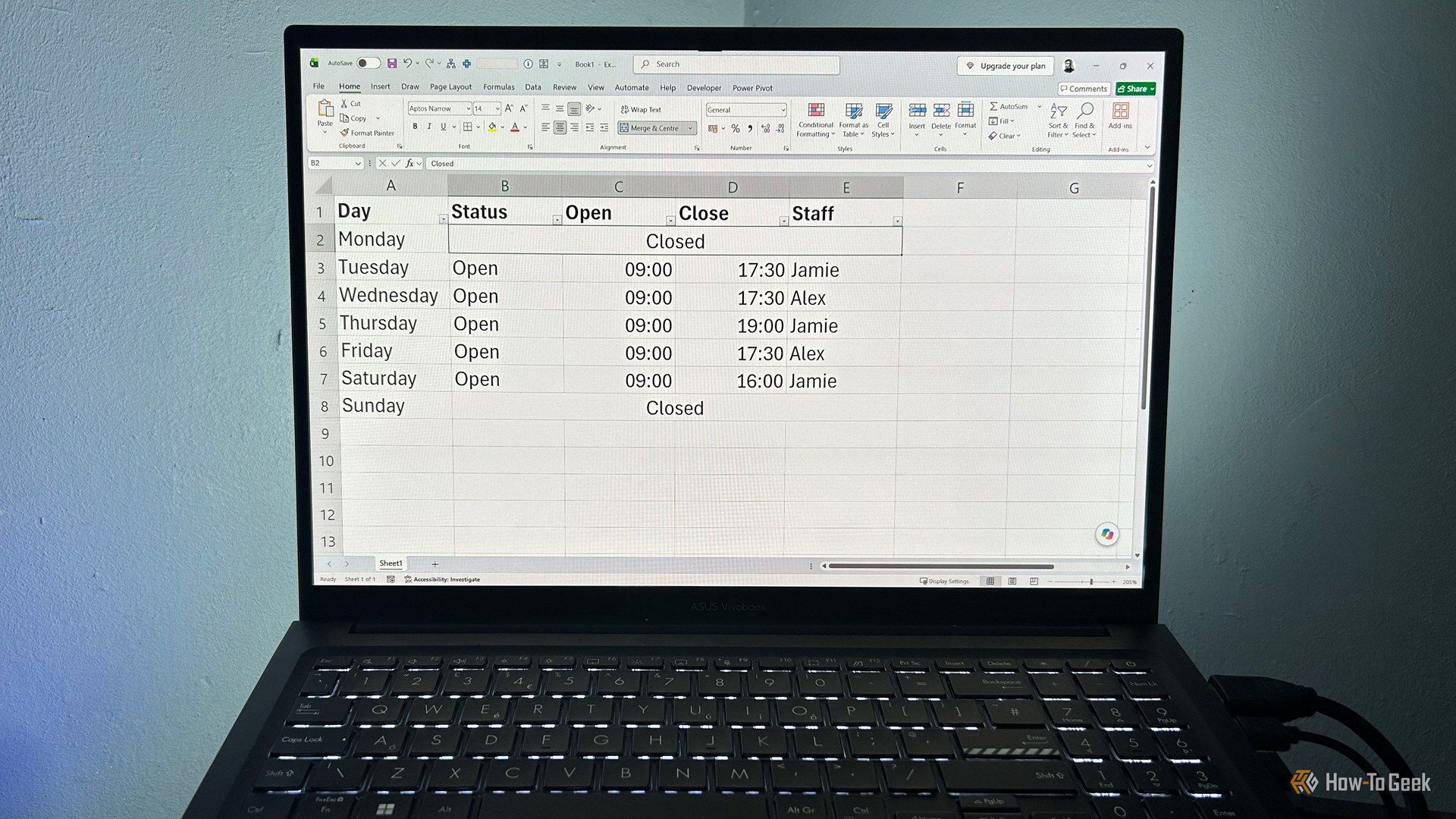
Ditch Merge & Center: The Better Way to Align Text in Excel
Learn to use Excel's "Center Across Selection" to align text across cells without merging, avoiding common data manipulation issues. This guide provides steps to utilize this newly accessible feature and add it to your Quick Access Toolbar.

Ars Technica's Rocket Report: Your Essential Space Industry Briefing
Quick Verdict Ars Technica's Rocket Report, presented by veteran space reporter Stephen Clark, offers an invaluable and meticulously organized weekly (or similar frequency, implied by "Edition 9.15") digest of the most
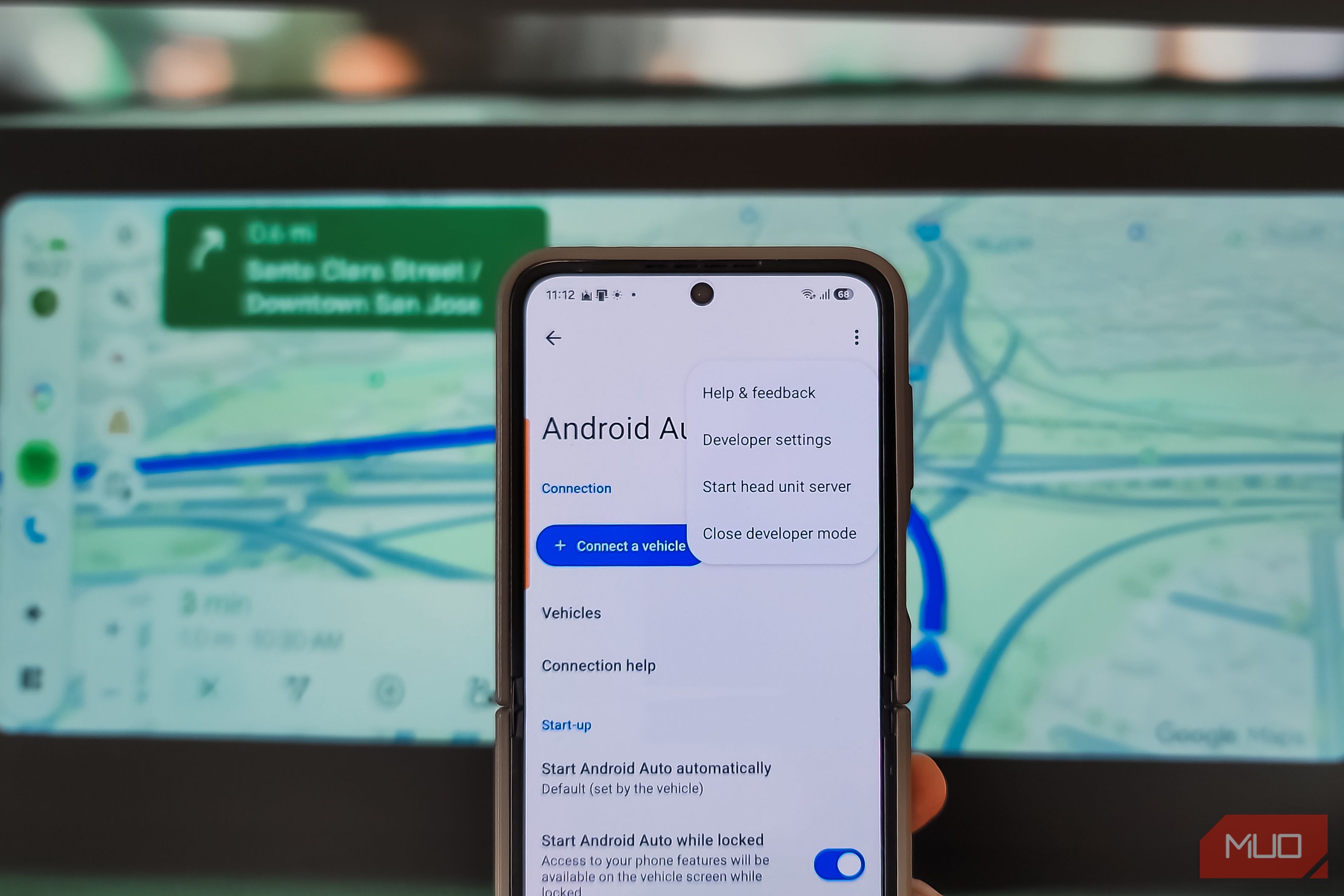
Stop Android Auto Battery Drain: Essential Features to Disable and
Android Auto offers unparalleled convenience, bringing your phone's most useful features directly to your car's display. From navigation and calls to messages and music, it keeps you connected without distracting you

Apple’s new HomeView smart display is $10 cheaper at Amazon: latest
In a rare move for a new Apple product, the highly anticipated HomeView smart display is already available at a discount on Amazon, weeks before its official launch. Consumers can now pre-order Apple's first dedicated
Google Gemini Task Update: Automation Just Got Smarter
Google Gemini Task Update: Automation Just Got Smarter Verdict: Google's latest update to Gemini, focused on its task automation capabilities, is a significant step forward in user experience. By rebranding 'Spark' as
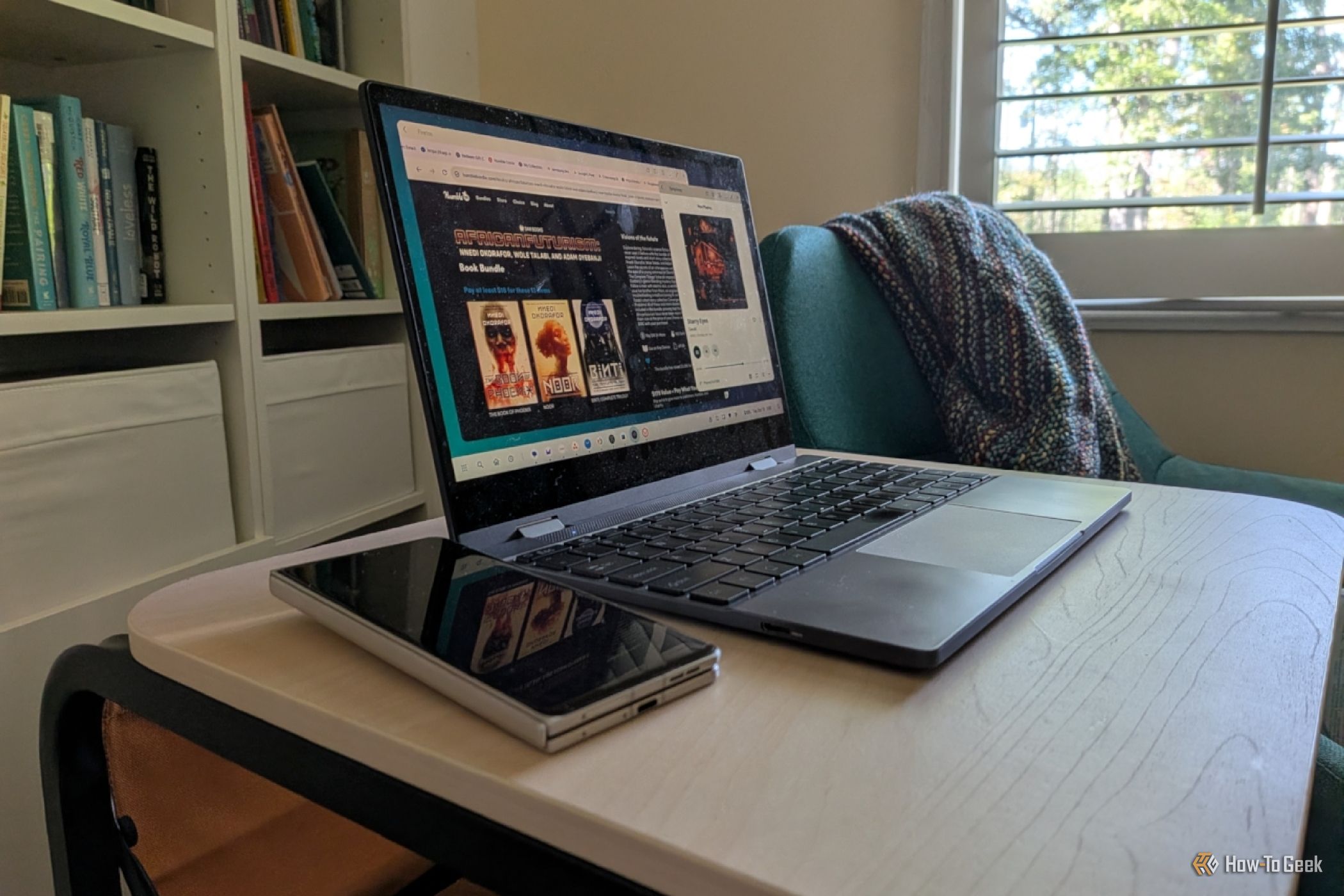
Turn Your Android Phone into a Powerful Desktop Replacement
Learn how to transform your Android phone into a full-fledged desktop computer using external displays and accessories, providing a cost-effective and integrated alternative to new Googlebooks.