
Black Myth: Wukong Publisher Mourns PlayStation Discs, Eyes AA Future
PM Studios, the physical publisher behind the massive success of *Black Myth: Wukong*, is mourning Sony's decision to end PlayStation disc production. CEO Michael Yum calls it "sad and devastating," but the company is adapting by focusing on premium collector's editions, embracing digital publishing, and investing in AA games, particularly from fast-rising Chinese developers. They remain committed to physical media, launching a community platform for collectors.
A Physical Heartbreak: PM Studios Laments the Loss of PlayStation Discs, But Sees a New Horizon
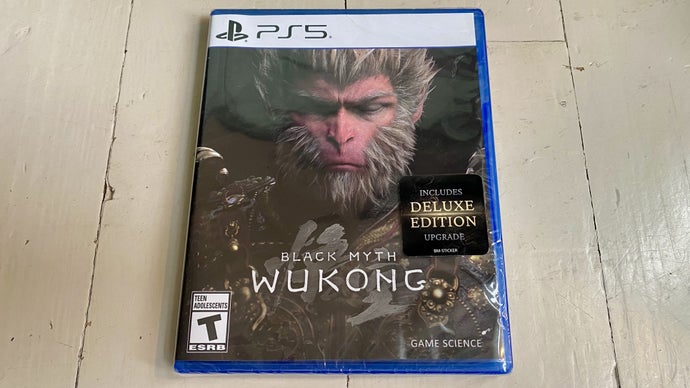
It’s a bittersweet moment for many of us who grew up with game cases lining our shelves, but for PM Studios, the news hit particularly hard. This Las Vegas-based publisher, a veteran in the physical game market for two decades, just saw massive, unexpected success with the upcoming physical release of Black Myth: Wukong. Yet, just as they were riding that wave, Sony announced the impending end of PlayStation disc production by January 2028. Michael Yum, CEO of PM Studios, didn't mince words, calling it "sad and devastating."
From DJMax's Rhythm to Wukong's Epic Tale
PM Studios has been a steadfast champion of physical media for what feels like an eternity in gaming years. Their journey began two decades ago, bringing beloved Korean rhythm-action titles like DJMax to North American shores. Since then, they’ve built a robust business, churning out physical versions for over a hundred titles annually, often handling the disc and cartridge needs for countless other publishers. Yum recalls helping numerous friends from Korea and China get their games into Western markets.
Among their most recent ventures, Black Myth: Wukong stood out as a significant gamble. Yum admitted it was "one of our biggest risks" to take on its physical publishing. But the payoff? Beyond anything he could have imagined. "I didn't know it was going to be that big," he marvelled, describing the experience as unprecedented. The success of Wukong was so monumental that it single-handedly "covered everything else" for the studio, a testament to the game's undeniable hype and PM Studios' pivotal role in bringing it to physical form.
The Devastating Dawn of a Digital-Only Era
For a publisher built on the foundation of physical media, Sony's decision to cease disc production is nothing short of a seismic shift. Yum, a self-professed primary PlayStation player, expressed a deep personal connection to physical games on the platform. Yet, he's also pragmatic, observing the undeniable trend towards digital purchases, especially among the younger, digital-native generation. He even notes his own children sometimes get confused by the simple act of inserting a disc.
This isn't just about convenience; it's about choice. Yum highlights that a significant part of the community's outcry stems from the feeling of having an option taken away. For many, physical games offer a sense of ownership, collectibility, and the simple joy of sharing. The ability to lend a game to a friend or allow multiple family members (like his own twins) to share a single copy without buying multiple digital licenses is a tangible benefit that digital storefronts can't replicate.
Adapting and Innovating for a Changing Landscape
While the end of PlayStation discs looms, PM Studios isn't throwing in the towel. Yum insists they're actively exploring new avenues to keep the spirit of physical alive. One potential solution? "Code in a box," where a physical package contains a digital download code. But the real emphasis, he says, will be on "collectibility" and "fan service." Expect more premium, bundled editions of games, focusing on unique packaging and exclusive physical goodies to appeal to collectors.
Even in a digital-first world, physical still holds strong for certain niches. Kids' games, like Bluey's Quest For The Gold Pen, still see a whopping 80% of sales come from physical copies. Big IPs continue to perform well at retail, and even indie darlings that found digital success, like Animal Well, can thrive with a physical release, drawing in collectors. Beyond adapting their physical offerings, PM Studios is also embracing the digital realm more, taking on full publishing duties for games like My Time at Evershine and helping to fund larger projects like Telltale's long-awaited The Wolf Among Us 2.
The AA Advantage and China's Ascendant Star
Inspired by the success of Black Myth: Wukong, PM Studios is now heavily focused on the burgeoning AA market. Yum believes these mid-budget titles, often boasting impressive graphics and scope, have a better chance of standing out in overcrowded digital marketplaces where "flashier stuff" captures attention more easily. While still staunch champions of indie games, the strategy is to use the success from bigger AA projects to fund and support new, innovative indie titles, including those for the upcoming Switch 2.
Yum is particularly captivated by the rapid rise of Chinese developers in the AA space. He's observed an incredible speed, hunger, and talent in their teams, describing them as "setting the bar" in terms of development pace and cost efficiency. He warns that if the rest of the world doesn't keep up, the landscape could drastically change, with giants like Tencent and NetEase already holding immense sway over the industry. It's a wake-up call for global development.
Keeping the Collector's Flame Burning Bright
Despite the formidable challenges, PM Studios remains steadfast in its support for physical media and the passionate communities that cherish it. Their commitment extends beyond just publishing; they've even launched Panax, a community platform specifically designed for collectors of physical games and merchandise. The platform, which recently went viral for its trophy-tracking features, aims to connect enthusiasts and offer benefits to publishers who join.
Michael Yum and PM Studios represent a segment of the gaming world that, while facing an undeniable shift, refuses to let the physical spirit die. While the future of discs on PlayStation may be predetermined, the dedication to providing unique, collectible physical experiences for fans remains a powerful, driving force. It’s a sad chapter closing, but an exciting new one beginning for this resilient publisher.
FAQ
Q: Why is PM Studios particularly affected by the end of PlayStation disc production?
A: PM Studios has a 20-year history as a physical game publisher, with CEO Michael Yum being a personal fan of PlayStation discs. Their business is heavily reliant on producing physical copies, including their recent major success with Black Myth: Wukong.
Q: How does PM Studios plan to adapt to a digital-first market while still supporting physical collectors?
A: They aim to offer "code in a box" solutions and focus on premium, highly collectible physical bundles with fan service. They also plan to expand their digital publishing efforts and invest in larger AA titles, using that success to support indies, and continue promoting physical through their new Panax community platform.
Q: What is PM Studios' view on the rise of Chinese game development?
A: Michael Yum is highly impressed by the speed, talent, and cost-effectiveness of Chinese developers, stating they are "setting the bar." However, he also expresses concern that if other regions don't keep pace, Chinese companies like Tencent and NetEase could further dominate the industry.
Related articles

TCG Pocket Responds: A Much-Needed Pace Shift for Pokémon Fans
Pokémon TCG Pocket is rolling out a major update for its second anniversary, primarily addressing player concerns about overwhelming content releases by shifting to a six-week set schedule. This aims to curb player decline and improve overall engagement by giving trainers more time to collect and strategize. The update also adds new collection methods, improved deck-building features, and enhanced trading functionality.

Kojima Compares Divisive New Film 'Digger' to MGS2's Prescient Vision
Gaming icon Hideo Kojima has praised the divisive 2026 film *Digger*, drawing intriguing parallels to his own prophetic game, *Metal Gear Solid 2*. Both works, he explains, uniquely explore the dangers of misinformation and a fragmented digital reality, anxieties he shares with *Digger*'s director, Alejandro González Iñárritu.

Ubisoft Proposes German Studio Workforce Reduction Amidst
Ubisoft is planning a voluntary departure program for about 100 employees across its Düsseldorf, Berlin, and Mainz studios in Germany. This move is part of a larger, ongoing cost-reduction and restructuring effort by the publisher, aiming to better position its studios for future projects.

TGS 2026: These Forward-Looking Cosplays Are Already Living in the
Tokyo Game Show 2026 showcased incredible cosplay, with many fans embodying characters from unreleased games like *Blast Blade* and *Mononoke No Kuni*. This gallery highlights the community's foresight, alongside debut *Palworld* cosplay and refreshed takes on classics. It’s a testament to the passion that brings gaming's future to life.

Beyond the Bugs: Conquering Studio Headaches in Indie Dev
This guide, part three in a series on running an indie studio, tackles the crucial but often overlooked aspect of dealing with non-development related issues. It introduces creating a shared 'studio backlog' for collective problems and using the IDS (Identify, Discuss, Solve) framework to address them constructively. The core message is to build powerful habits that keep studios from getting quietly derailed by lingering challenges.

Nvidia's RTX 5090 Reportedly Scrapped: Is AI Eating Our Flagship GPUs
Nvidia has reportedly halted production of the GeForce RTX 5090, with leaked factory notices suggesting its core chip will be repurposed for AI and data center cards. This move positions the RTX 5080 24GB as the new flagship gaming GPU in the 50-series. The decision is linked to an industry-wide memory shortage, heavily influenced by surging AI demand, impacting consumer tech across the board.