
Asus ROG NUC 16: Mighty Mini, Massive Price
The Asus ROG NUC 16 is a compact gaming powerhouse with top-tier components, but its astonishingly high price makes it a questionable value for most consumers.

The Asus ROG NUC 16 is an engineering marvel, packing serious gaming and creative power into an incredibly compact form factor. Its sleek design and advanced cooling are commendable. However, the eye-watering price tag — nearly $4,500 for the base model — makes it a difficult recommendation for anyone prioritizing value over sheer miniaturization. While it offers premium performance in a tiny package, the cost-to-performance ratio simply doesn't hold up against more conventional desktop alternatives.
Asus has consistently pushed the boundaries of compact computing with its Republic of Gamers (ROG) NUC line, and the latest iteration, the 2026 ROG NUC 16, is no exception. This mini PC promises a full-fledged gaming experience in a footprint so small it can vanish into almost any setup. Designed for enthusiasts who crave powerful hardware without the bulk of a traditional tower, the NUC 16 presents an attractive vision of minimalist gaming. Yet, as with many innovations at the bleeding edge, this convenience comes at a significant premium. While its technical specifications impress, the price tag alone is enough to give potential buyers pause, demanding a careful evaluation of what exactly you're paying for.
Design and Build Quality
Visually, the ROG NUC 16 is undeniably striking. Its sleek, modern aesthetic allows it to blend seamlessly into various environments, whether tucked away or prominently displayed. The flexibility to orient it either vertically or horizontally means it can adapt to diverse desk configurations, a significant advantage for those with limited space. Asus even offers a sophisticated Moonlight White variant, catering to users who prefer a cleaner, more understated look for their high-performance machine. This attention to design detail, combined with its robust build, is a clear differentiator for the ROG NUC series, showcasing Asus's commitment to delivering a premium, space-saving solution.
Performance and Features
Underneath its refined exterior, the ROG NUC 16 houses formidable components. At its heart lies Intel's cutting-edge Core Ultra 9 290HX Plus processor, a CPU designed for demanding tasks. This is paired with an Nvidia GeForce RTX 5080 Laptop GPU, delivering robust graphical performance suitable for modern gaming and intensive creative applications. The unit supports an impressive 128GB of DDR5-6400 memory, though the initially listed configuration comes with a generous 32GB of RAM and a swift 2TB SSD, ensuring ample speed and storage out of the box. Asus touts its capability across gaming, creative endeavors, and even local AI processing, further enhanced by support for DLSS 4.5 with Multi Frame Generation, promising smoother frame rates in compatible titles. Such a potent combination of hardware in such a small enclosure demands serious cooling, and Asus has addressed this with an upgraded system featuring three fans, a dual vapor chamber, and a dedicated SSD heatsink. This comprehensive cooling solution is designed to keep temperatures in check, all while maintaining an acoustic profile below 38 dBA even under full load, which is a commendable achievement for a high-performance mini PC.
The Price Problem
Here's where the conversation takes a sharp turn. The ROG NUC 16 is introduced in China at a starting price of approximately $4,405, with the white version climbing to nearly $4,700. While Asus has yet to confirm international pricing, it's widely anticipated that global costs will hover around these figures, if not exceed them. For perspective, the previous generation, the 2025 ROG NUC, which featured the same RTX 5080 Laptop GPU and an Intel Core Ultra 9 Series 2 (275HX) chip, retailed in the U.S. for around $3,200. This represents a staggering $1,200 price increase in just one generation. Such a substantial jump is tough to justify, especially considering that the core GPU technology remains the same, with the primary upgrade being to the CPU. The source suggests that widespread RAM and NAND shortages might be contributing to these elevated hardware costs, impacting various PC and laptop releases. Regardless of the underlying causes, this pricing positions the ROG NUC 16 as an incredibly niche product. For the same expenditure, consumers could easily acquire a much more powerful, custom-built, or even a top-tier pre-built desktop PC, offering significantly better gaming performance and potentially more upgrade flexibility. The premium here is almost exclusively for the ultra-compact form factor.
Buying Recommendation
The Asus ROG NUC 16 is undeniably a feat of engineering, delivering high-end performance in a remarkably small package. Its sleek design, quiet operation, and robust cooling make it a desirable option for a very specific segment of the market: those who absolutely require a powerful, space-saving gaming solution and have an extremely flexible budget. If portability and minimal desk footprint are your absolute top priorities, and cost is no object, then the ROG NUC 16 might appeal. However, for the vast majority of PC gamers and creators, the exorbitant price tag makes it a very tough sell. The $4,400+ price point places it firmly in the territory of premium, full-sized desktop systems that would offer superior performance for the same money. Unless you are specifically constrained by space and demand the absolute highest performance in a mini PC, we recommend exploring more cost-effective desktop builds or pre-builts that offer significantly better value for your dollar. The premium for miniaturization here is simply too steep for most.
Conclusion
In summary, the Asus ROG NUC 16 embodies the cutting edge of mini PC design and performance. It's a beautifully crafted machine capable of handling demanding games and creative applications with ease, all while maintaining a remarkably small and quiet presence. Its advanced cooling system and DLSS 4.5 support highlight its gaming credentials. Yet, the conversation ultimately circles back to its price. The substantial increase over its predecessor, coupled with the availability of more powerful, traditional desktop alternatives at the same or lower cost, makes the ROG NUC 16 a luxury item. It's an impressive piece of technology, but one that fewer can justify owning.
FAQ
Q: Is the Asus ROG NUC 16 suitable for competitive gaming?
A: Yes, with its Intel Core Ultra 9 290HX Plus processor and Nvidia GeForce RTX 5080 Laptop GPU, the ROG NUC 16 offers high-end performance capable of handling modern games, including those requiring high frame rates, especially with DLSS 4.5 and Multi Frame Generation support. Its advanced cooling also helps maintain performance under load.
Q: Why is the Asus ROG NUC 16 so expensive compared to other gaming PCs?
A: The primary reasons for its high cost appear to be the premium associated with its ultra-compact design and the engineering required to pack powerful components into a small chassis. Additionally, ongoing RAM and NAND shortages are cited as factors driving up hardware prices across the industry. This combines to create a significant price jump compared to its previous generation and makes it considerably more expensive than many traditional desktop setups with similar or even superior performance.
Q: Can I upgrade the components in the ROG NUC 16 later?
A: The source content primarily focuses on the initial configuration and compact nature. While it mentions support for up to 128GB DDR5-6400 memory (beyond the listed 32GB), the upgradeability of other core components like the CPU or GPU in a mini PC of this design is generally limited, especially given that it uses a laptop-class GPU. Users should consider the initial configuration as largely fixed for its lifespan.
Related articles

Apple Unveils iPhone Duo: Pricey Foldable Sees Soaring Demand
Apple has officially entered the foldable smartphone arena with the long-anticipated launch of the iPhone Duo. Priced starting at a hefty $1,999, the device features a 5.4-inch outer display and a larger 7.6-inch inner
Android 17 QPR2 Beta 7.1: The Performance Relief You've Been Waiting
Android 17 QPR2 Beta 7.1: Finally Fixing the QPR1 Performance Woes Verdict: Android 17 QPR2 Beta 7.1 is a crucial and highly anticipated software update for Google Pixel users, specifically targeting and resolving the

DJI Solo Video Setups: Smart Choices for Lone Creators
This review delves into DJI's recommended solo video setups, highlighting the Osmo Pocket 3 Creator Combo as a top pick for its integrated camera, gimbal, and mic. It also covers stabilizers like the Osmo Mobile 8 and RS 4, and the DJI Mic Mini series for enhanced audio, providing honest pros, cons, and clear buying advice.

Ars Technica's Rocket Report: Your Essential Space Industry Briefing
Quick Verdict Ars Technica's Rocket Report, presented by veteran space reporter Stephen Clark, offers an invaluable and meticulously organized weekly (or similar frequency, implied by "Edition 9.15") digest of the most

Apple iPhone Duo: A Daring Debut with Notable Compromises
Apple's highly anticipated iPhone Duo, priced at $2,000, has gone on pre-order. While hailed as "Apple's most exciting device in a decade" for its innovative foldable design and immersive display, it comes with significant drawbacks like the absence of FaceID and a premium camera.
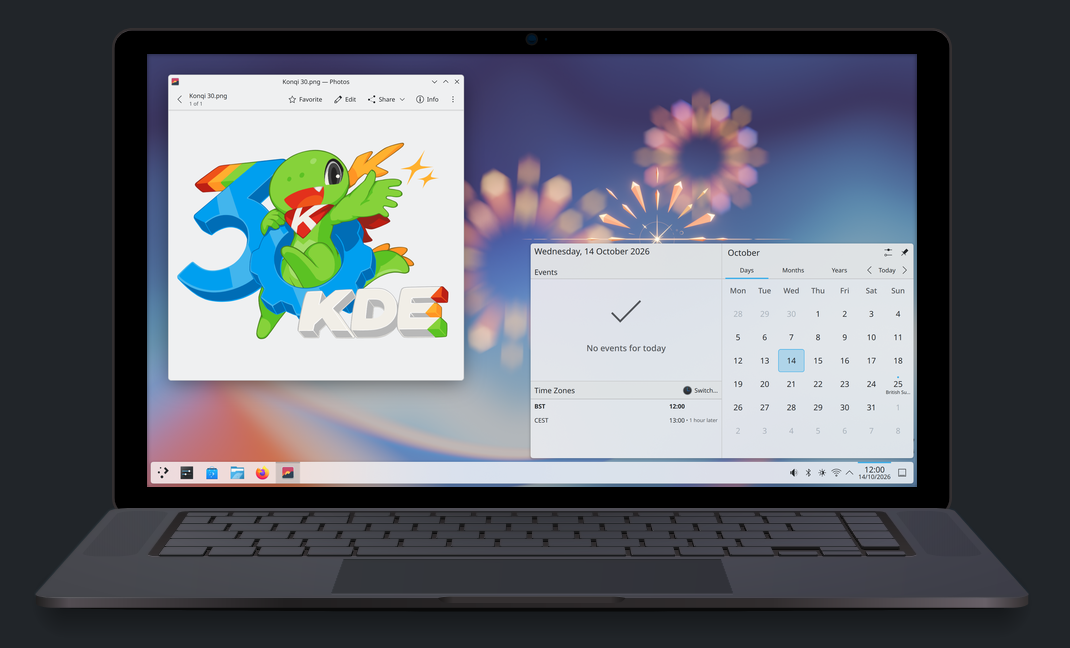
KDE Plasma 6.8: A Future-Focused 30th Anniversary Update
Quick Verdict KDE Plasma 6.8, arriving as the "30th Anniversary Edition," is a pivotal release that decisively pushes the desktop environment into the future. With a definitive farewell to native X11 sessions and a