
Ars Live Recap: Stop Killing Games - A Vital Fight for Game
The Ars Live recap delves into the "Stop Killing Games" movement, highlighting Ross Scott's impassioned arguments against publishers prematurely ending online games. It explores potential solutions, legislative avenues, and the significant challenges for preserving digital gaming history.

The digital landscape of video games has brought immense innovation and entertainment, but it also harbors a significant, often overlooked, threat: the premature death of online-only titles. Ars Technica recently hosted a crucial live discussion with Ross Scott, the driving force behind the "Stop Killing Games" movement, to dissect this issue. This recap offers a piercing look into the movement's arguments, its practical solutions, and the challenging legislative journey ahead. For anyone invested in the longevity of their digital purchases or the preservation of gaming history, this discussion serves as a stark reminder and a call to action.
Quick Verdict
Ars Technica's recap of the "Stop Killing Games" live discussion is a compelling and essential dive into a critical consumer rights and game preservation issue. Ross Scott delivers a passionate, logical, and surprisingly pragmatic case against publishers who effectively destroy games by shutting down servers. While the movement faces a formidable uphill battle against entrenched industry practices and bureaucratic inertia, the arguments presented are robust, and the legislative avenues being explored offer a glimmer of hope. This is not just a conversation for hardcore gamers; it's a vital discussion for anyone who consumes digital media and believes in the enduring value of their investments.
The Core Arguments: Why Games Deserve to Live On
At the heart of the "Stop Killing Games" movement is a simple, yet profoundly impactful, premise: consumers should not lose access to games they've purchased simply because a publisher decides to pull the plug on servers. Ross Scott highlights the absurdity of this practice by drawing parallels to other consumer goods and services. Imagine a product warranty that doesn't specify an expiration date, or an insurance policy where the company simply informs you when it's suddenly terminated. Such practices would be legally untenable in most sectors, yet they are standard operating procedure in the online gaming world.
Scott's argument isn't merely emotional; it's grounded in technical feasibility. He contends that for many online-only games, preparing for an "end of life" scenario from the initial design phase can incur "extremely low" costs. Developers, he notes, often utilize "local test environments" – operational versions of servers for internal testing. If these already exist, much of the foundational work for third-party or community-run servers is already in place, significantly reducing the burden of making a game playable post-publisher support. This insight directly challenges the common industry narrative that preserving these games is prohibitively expensive or technically impossible.
His long-standing frustration, dating back "a decade and a half ago," underscores the persistent nature of this problem. Scott's decision to launch the movement wasn't out of ambition but born from a perceived void, a feeling that someone needed to "kick this off" when no one else would. This background lends an authentic, grassroots feel to the advocacy, emphasizing that this is a fight for consumer rights and artistic preservation, not corporate gain.
Advocacy and the Legislative Labyrinth
The "Stop Killing Games" movement isn't just about raising awareness; it's actively pursuing legislative change. Scott detailed the movement's engagement with the EU Parliament, a path fraught with both frustration and nascent hope. Initially, the EU Commission's response was disappointing. Despite a significant push from a "million people" asking for clarification, the Commission reportedly "managed to just dodge it in every way," deferring to individual national courts rather than fulfilling their charter to "harmonize policy across the member states." This bureaucratic sidestep highlights the challenge of applying existing legal frameworks to the rapidly evolving digital entertainment space, where the concept of "ownership" is often murky.
However, Scott expressed optimism regarding the EU Parliament. The attention garnered from the initial EU Commission efforts has translated into substantial support from Parliament members. Crucially, the movement is currently scheduled for potential inclusion in the Digital Fairness Act. Scott notes this is a "complete coincidence" but a fortunate one, as the Act's scope aligns perfectly with many of the issues the movement is addressing. This development represents a significant step forward, signaling that legislative bodies are beginning to recognize the need for clearer regulations surrounding digital ownership and game longevity.
Effectiveness of the Arguments and the Movement's Approach
Ross Scott's presentation, as captured in the Ars Live recap, is highly effective. He clearly articulates the problem, frames it within relatable everyday experiences, and proposes technically sound, forward-looking solutions. His passion is evident, yet it's tempered with a pragmatic understanding of the challenges. The movement's strategy of targeting legislative action, particularly within the EU, demonstrates a sophisticated approach to an industry-wide problem.
Pros:
- Clear Problem Articulation: Scott effectively communicates the core issue of publishers killing games, making it understandable and relatable for a broad audience.
- Strong Analogies: The comparison to warranties and insurance policies highlights the inherent unfairness of current practices in gaming.
- Technical Feasibility: By addressing the "cost" argument with solutions like local test environments and planning from inception, the movement offers practical counterpoints to industry resistance.
- Persistent Advocacy: The recap showcases a sustained effort to influence policy, demonstrating dedication to the cause over many years.
- Legislative Traction: The potential inclusion in the EU's Digital Fairness Act offers a tangible path toward meaningful, widespread change.
Cons:
- Uphill Battle: Despite progress, the movement faces significant opposition from an industry built on different paradigms of digital ownership and lifecycle management.
- Slow Bureaucracy: The EU Commission's initial response highlights the slow and often frustrating pace of legislative change, especially when dealing with novel issues.
- Reliance on Proactive Design: While technically feasible, the ideal solution relies on developers planning for end-of-life from the start, a practice not currently widespread.
- Limited Immediate Solutions: For games already shut down without such provisions, direct legislative solutions might be harder to implement retroactively, making the focus largely forward-looking.
Comparison to Alternatives
The Ars Live recap does not present alternative movements or competing solutions to the problem of publishers killing games. Instead, it focuses on the "Stop Killing Games" movement's specific strategies and the challenges it faces within existing legislative and industry structures. Therefore, a direct comparison table with alternative entities is not applicable based on the source content.
Recommendation
For gamers, digital content consumers, and anyone concerned with the long-term accessibility and preservation of digital media, the Ars Live recap featuring Ross Scott and the "Stop Killing Games" movement is essential viewing. It's a sobering but ultimately hopeful discussion that empowers consumers with knowledge about their rights and the potential for change. We highly recommend paying close attention to the movement's progress, especially its legislative efforts in Europe. Supporting such initiatives, whether through advocacy or simply by spreading awareness, is crucial for fostering a more sustainable and consumer-friendly digital entertainment future. This recap is a call to recognize that what we "buy" today might not be ours tomorrow unless we collectively advocate for change.
FAQ
Q: What is the "Stop Killing Games" movement aiming to achieve?
A: The movement seeks to ensure that online video games remain playable even after their original publishers cease server support. It advocates for stronger consumer rights and the preservation of digital gaming through a combination of technical solutions (like designing for third-party server compatibility from the outset) and legislative action.
Q: Is making online games playable after server shutdown technically difficult or expensive for publishers?
A: Ross Scott argues that if publishers plan for a game's end-of-life from its initial design, the costs to enable third-party server support or offline play can be "extremely low." He points to the common practice of developing "local test environments" as a foundation that developers already possess.
Q: What is the current status of the movement's legislative efforts in Europe?
A: While the EU Commission initially deferred on clarifying the law, the "Stop Killing Games" movement has gained significant support from the EU Parliament. It is currently scheduled for potential inclusion in the Digital Fairness Act, which aims to harmonize consumer protection policies across member states and could provide legal recourse for game preservation.
Related articles
Android 17 QPR2 Beta 7.1: The Performance Relief You've Been Waiting
Android 17 QPR2 Beta 7.1: Finally Fixing the QPR1 Performance Woes Verdict: Android 17 QPR2 Beta 7.1 is a crucial and highly anticipated software update for Google Pixel users, specifically targeting and resolving the

DJI Solo Video Setups: Smart Choices for Lone Creators
This review delves into DJI's recommended solo video setups, highlighting the Osmo Pocket 3 Creator Combo as a top pick for its integrated camera, gimbal, and mic. It also covers stabilizers like the Osmo Mobile 8 and RS 4, and the DJI Mic Mini series for enhanced audio, providing honest pros, cons, and clear buying advice.

Ars Technica's Rocket Report: Your Essential Space Industry Briefing
Quick Verdict Ars Technica's Rocket Report, presented by veteran space reporter Stephen Clark, offers an invaluable and meticulously organized weekly (or similar frequency, implied by "Edition 9.15") digest of the most

Apple iPhone Duo: A Daring Debut with Notable Compromises
Apple's highly anticipated iPhone Duo, priced at $2,000, has gone on pre-order. While hailed as "Apple's most exciting device in a decade" for its innovative foldable design and immersive display, it comes with significant drawbacks like the absence of FaceID and a premium camera.

AI's Confidence vs. Formal Methods' Rigor: Design Flaws & Verification
While AI accelerates code generation, formal methods remain critical for ensuring system correctness. Languages like TLA+ and tools like Quint enable developers to model and verify system designs before coding, catching subtle flaws. Quint makes formal methods more accessible with developer-friendly syntax and executability. This approach is vital for verifying AI-generated code through trace validation and model-based testing, ensuring reliability against real-world data.
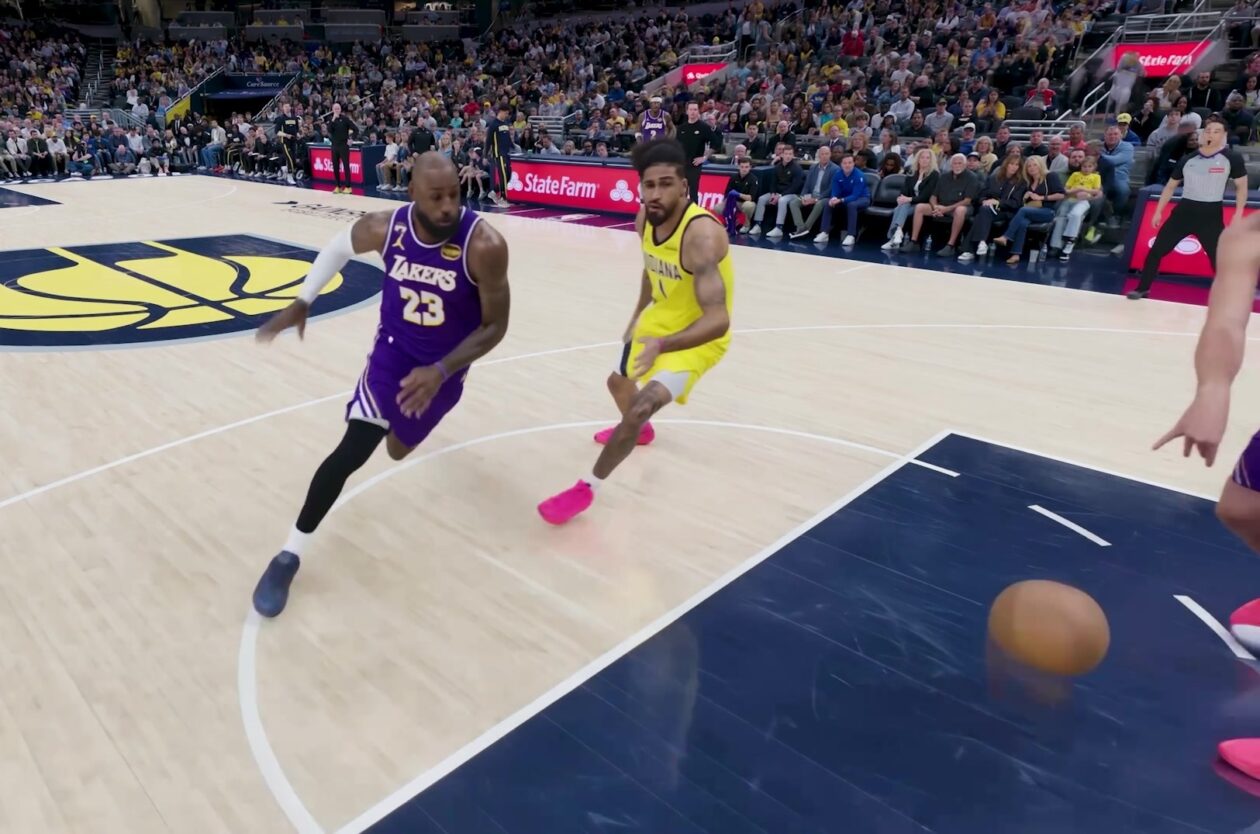
Amazon Prime Video Launches AI-Powered Prime 360 for NBA Coverage
Amazon Prime Video is elevating its NBA coverage with the introduction of Prime 360, an AI-powered replay system offering immersive, 'fly through' views of the action. Kicking off its second season, Prime Video also adds Yahoo fantasy integration and gains exclusive Eastern Conference Finals rights, expanding its tech-driven sports broadcast. The new features aim to deliver a unique and interactive viewing experience for basketball fans.