
Apple's Memory Dilemma: Geopolitics vs. Supply Chain
Apple, a tech giant known for its meticulous supply chain, finds itself entangled in a complex geopolitical challenge. Facing a tightening global chip supply and rising memory prices, the company sought to diversify its

Apple, a tech giant known for its meticulous supply chain, finds itself entangled in a complex geopolitical challenge. Facing a tightening global chip supply and rising memory prices, the company sought to diversify its memory chip sources, eyeing Chinese manufacturers CXMT and YMTC. However, this strategic move has been met with firm opposition from the U.S. government, specifically the Trump administration, which has expressed clear disapproval due to national security concerns. This situation transforms what would typically be a supply-chain optimization decision into a significant political issue, with potential ramifications for Apple's future product development and consumer availability.
The Core of Apple's Memory Problem
The global chip shortage has put immense pressure on technology companies, squeezing supply and driving up costs for essential components like memory chips. Apple has been actively exploring solutions for months, with CEO Tim Cook acknowledging the company's efforts to evaluate its options. Reports indicate that Apple has even tested DRAM from CXMT and considered YMTC as potential suppliers in its quest for broader sourcing options.
One reason memory chips became a target for diversification is their relatively straightforward nature compared to other highly customized iPhone components. According to Apple COO Sabih Khan, memory chips don't demand the same level of bespoke design as many other parts, potentially making them easier to source from a wider array of manufacturers. This perceived interchangeability was likely a key factor in Apple's initial consideration of the Chinese market to bolster its supply chain.
The U.S. Government's Stance and National Security Concerns
The U.S. government, however, views Apple's potential reliance on Chinese memory suppliers through a different lens: national security. Commerce Secretary Howard Lutnick explicitly communicated the Trump administration's disinclination for Apple to source memory chips from Chinese manufacturers. The opposition stems from specific concerns regarding the proposed suppliers:
- Entity List Designation: YMTC is already listed on the U.S. Commerce Department's Entity List, signifying restrictions on trade with the company due to national security or foreign policy concerns.
- Alleged Military Links: Both YMTC and CXMT have been designated by the Pentagon as Chinese military companies, based on alleged connections to China's military apparatus. This designation raises alarms about potential technology transfer and security risks.
- Export Restrictions: Should Apple require customization of these chips, sharing technical information with these companies could trigger U.S. export restrictions, necessitating government approval and further complicating the process.
Lutnick's comments underscore the administration's belief that alternative solutions exist to address Apple's memory shortage without resorting to Chinese suppliers. This pushback comes even as Apple demonstrates a substantial commitment to domestic manufacturing, with a $600 billion U.S. investment pledge, including the recent opening of its Advanced Manufacturing Center in Houston, which Lutnick himself attended alongside Cook.
Implications for Apple and the Consumer
This geopolitical crossroads presents a delicate balancing act for Apple. While the company's U.S. investments are significant, they don't instantly resolve the complexities of its vast global supply chain. Memory chips have become a notable sticking point. Apple's desire for more suppliers to combat availability constraints and rising costs clashes directly with Washington's preference for it to find memory sources elsewhere.
Pros (from Apple's initial perspective for Chinese sourcing):
- Supply Diversification: Expanding the supplier base would reduce reliance on a limited number of providers, crucial during global shortages.
- Addressing Shortages: Access to additional suppliers could alleviate the current memory chip scarcity, potentially stabilizing production and costs.
- Component Interchangeability: The relatively low customization required for memory chips made them seemingly easier to source broadly, improving supply chain flexibility.
Cons (from Apple's current situation and U.S. government perspective):
- Geopolitical Friction: Direct opposition from the U.S. government creates significant political hurdles and potential reputational damage.
- Export Control Risks: Any need for chip customization could trigger U.S. export controls, requiring government approval and delaying sourcing.
- Limited Sourcing Options: Apple may be forced to find alternative suppliers outside of China, which could be more expensive, less available, or require longer lead times, impacting product development and pricing.
- National Security Concerns: The U.S. government's perspective prioritizes national security over corporate supply chain efficiency, aiming to prevent U.S. companies from inadvertently supporting entities with alleged military ties.
Impact on Consumers:
For consumers, this behind-the-scenes battle over memory chips could manifest in several ways. A constrained memory supply, if not adequately resolved, might lead to:
- Delayed Product Launches: Sourcing challenges could affect the timely release of new Apple devices.
- Higher Product Prices: If Apple has to pay a premium for memory chips from approved sources, these costs could be passed on to the consumer.
- Limited Availability: Certain configurations or models might be harder to find if memory supply is consistently tight.
Comparison to Alternatives
The source material does not specifically name alternative memory chip suppliers that Apple is considering or has used in the past, beyond a general reference to 'somewhere else'. Therefore, a direct comparison table between specific alternative memory chip suppliers is not feasible based solely on the provided information.
Recommendation
For consumers, the key takeaway is to recognize that the global technology supply chain is increasingly intertwined with geopolitics. While Apple is a master of logistics, even it cannot operate in a vacuum. This situation highlights potential vulnerabilities that could ripple down to product availability and pricing in the future. Apple is committed to finding solutions, but the political landscape adds a significant layer of complexity to its supply chain strategy. Be aware that the cost and availability of your next Apple device may not just depend on market forces, but also on international relations.
FAQ
Q: Why is Apple looking for new memory chip suppliers? A: Apple is seeking new memory chip suppliers to address the ongoing global chip shortage, which has led to squeezed supply and rising prices for these crucial components used in its devices.
Q: Why does the U.S. government oppose Apple buying memory chips from Chinese manufacturers? A: The U.S. government opposes this due to national security concerns, citing that one potential supplier, YMTC, is on the Commerce Department's Entity List, and both YMTC and CXMT have been designated by the Pentagon as Chinese military companies over alleged links to China's military.
Q: How might this situation affect consumers and the availability of Apple products? A: If Apple struggles to secure sufficient memory chip supply from approved sources, it could potentially lead to delays in new product launches, increased pricing for devices, or limited availability of certain Apple products in the market.
Related articles

Apple Unveils iPhone Duo: Pricey Foldable Sees Soaring Demand
Apple has officially entered the foldable smartphone arena with the long-anticipated launch of the iPhone Duo. Priced starting at a hefty $1,999, the device features a 5.4-inch outer display and a larger 7.6-inch inner
Android 17 QPR2 Beta 7.1: The Performance Relief You've Been Waiting
Android 17 QPR2 Beta 7.1: Finally Fixing the QPR1 Performance Woes Verdict: Android 17 QPR2 Beta 7.1 is a crucial and highly anticipated software update for Google Pixel users, specifically targeting and resolving the

DJI Solo Video Setups: Smart Choices for Lone Creators
This review delves into DJI's recommended solo video setups, highlighting the Osmo Pocket 3 Creator Combo as a top pick for its integrated camera, gimbal, and mic. It also covers stabilizers like the Osmo Mobile 8 and RS 4, and the DJI Mic Mini series for enhanced audio, providing honest pros, cons, and clear buying advice.

Ars Technica's Rocket Report: Your Essential Space Industry Briefing
Quick Verdict Ars Technica's Rocket Report, presented by veteran space reporter Stephen Clark, offers an invaluable and meticulously organized weekly (or similar frequency, implied by "Edition 9.15") digest of the most

Apple iPhone Duo: A Daring Debut with Notable Compromises
Apple's highly anticipated iPhone Duo, priced at $2,000, has gone on pre-order. While hailed as "Apple's most exciting device in a decade" for its innovative foldable design and immersive display, it comes with significant drawbacks like the absence of FaceID and a premium camera.
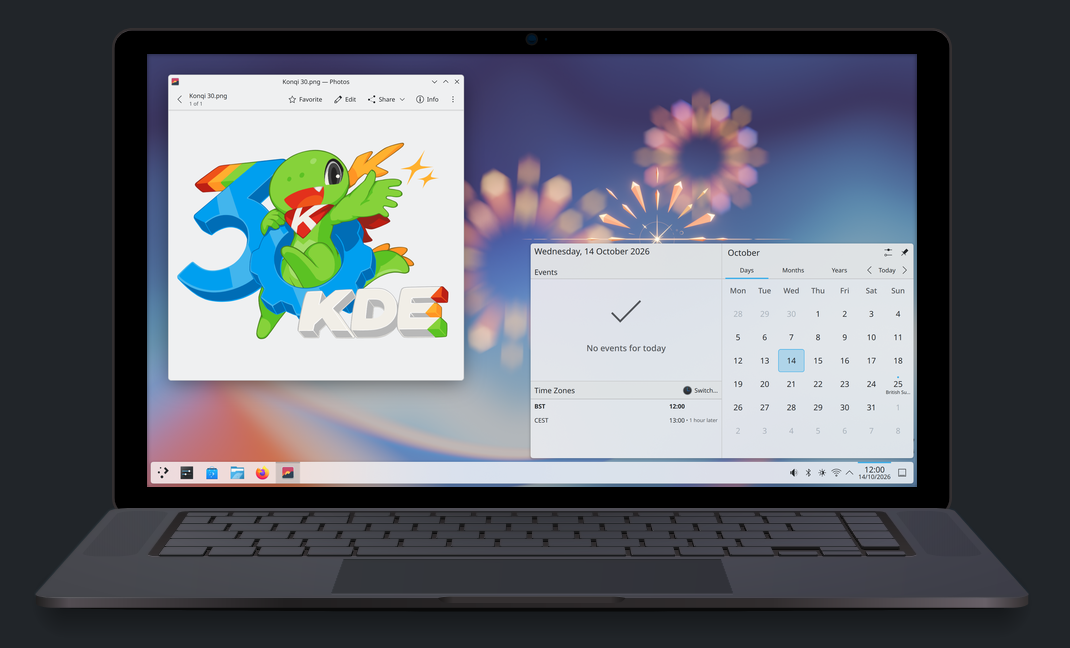
KDE Plasma 6.8: A Future-Focused 30th Anniversary Update
Quick Verdict KDE Plasma 6.8, arriving as the "30th Anniversary Edition," is a pivotal release that decisively pushes the desktop environment into the future. With a definitive farewell to native X11 sessions and a