
Apple iPhone Duo vs. Motorola Razr Ultra: A Tale of Two Foldables
Quick Verdict Apple's iPhone Duo and Motorola's Razr Ultra represent two distinct visions for the foldable future. The Duo, priced at a premium starting at $2,000, is a productivity powerhouse designed for the Apple
Quick Verdict
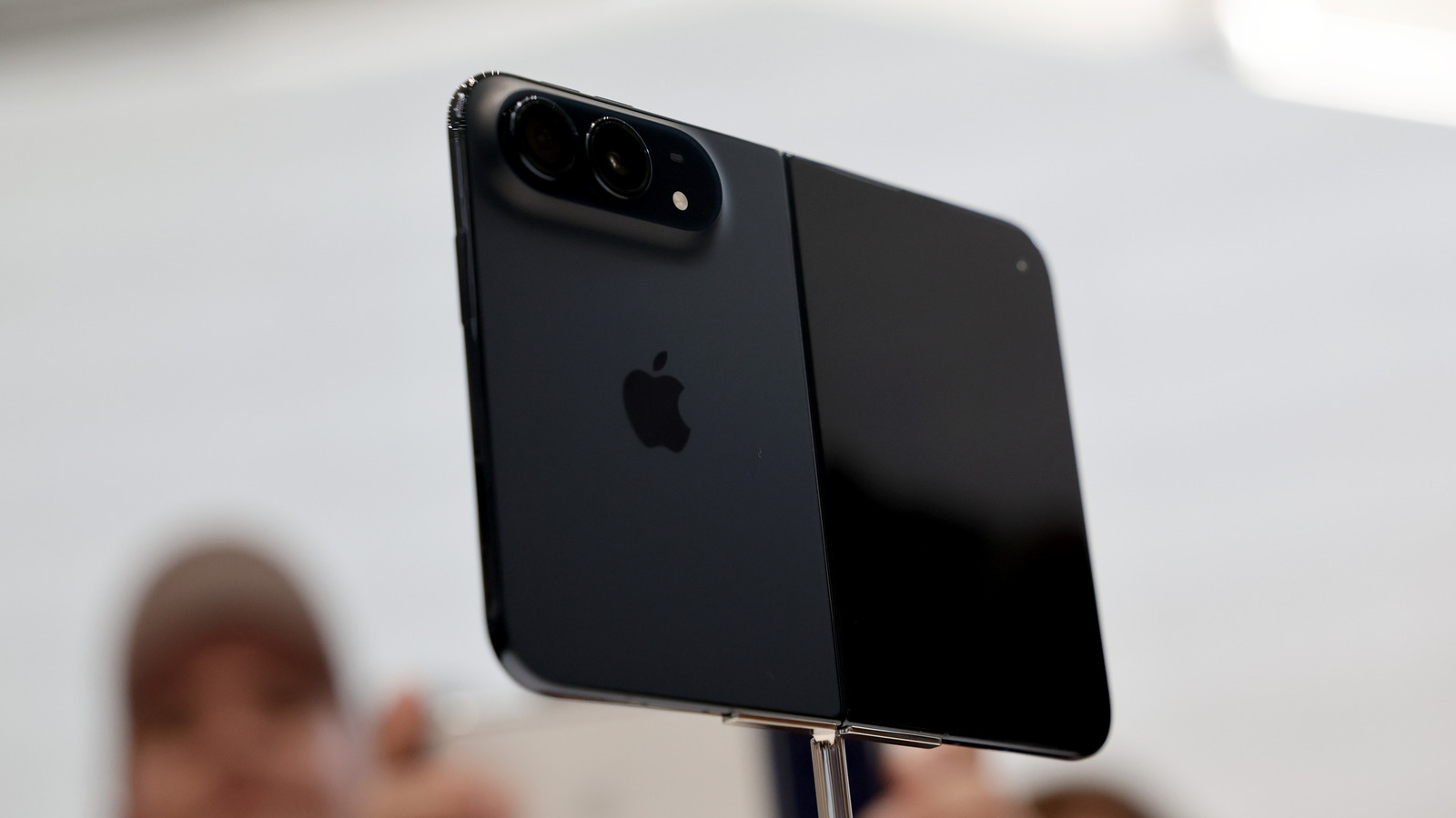
Apple's iPhone Duo and Motorola's Razr Ultra represent two distinct visions for the foldable future. The Duo, priced at a premium starting at $2,000, is a productivity powerhouse designed for the Apple ecosystem, transforming from a regular iPhone into an iPad-like canvas. The Razr Ultra, a more affordable $1,500, prioritizes ultimate portability, folding down into a compact candybar. Your choice hinges on budget, platform preference, and whether you crave expansive screen real estate for work or a tiny device for your pocket.
Introduction: Apple Enters the Fold
It's no secret that Apple has taken its time to join the foldable smartphone revolution. While often credited with pioneering new tech categories, the company's usual strategy involves observing rivals like Samsung innovate, then swooping in with a more refined product. The iPhone Duo, shipping October 23, 2026, is a prime example of this approach. It enters a market where Motorola has already evolved its Razr line through several generations, culminating in the 2026 Razr Ultra.
The Ultra's $1,500 price tag makes it $500 more accessible than the Duo, and it offers the freedom of the Android ecosystem – a significant draw for those not tied to Apple's walled garden. However, these two devices are designed for dramatically different users, making a direct comparison essential before committing to either side.
Design & Form Factor: Passport vs. Candybar
The most glaring difference between the Duo and Ultra is their fundamental design. The Motorola Razr Ultra, when unfolded, presents a familiar 7-inch candybar-style display. Its core purpose is to offer a full-sized smartphone experience that can fold into an incredibly compact form factor, easily slipping into pockets or small bags. Its external screen is functional but less feature-rich.
In contrast, the iPhone Duo adopts a passport-like shape when closed, functioning much like a standard iPhone. Unfold it, and you're greeted with a larger, matte 7.6-inch display that evokes the feel of an iPad mini. While it doesn't run iPad apps natively, this expanded canvas significantly enhances compatible iPhone software, often enabling split-screen multitasking for genuine productivity. If your primary goal for a foldable is to get more work done, the Duo's design is inherently more suited.
Performance: A Close Race
While we await official benchmarks for the iPhone Duo, which features Apple's new A20 Pro chip, expectations are high for its performance, bolstered by Apple's renowned iOS optimizations. The Motorola Razr Ultra, meanwhile, is no slouch, packing a fast Snapdragon 8 Elite processor alongside a generous 16GB of RAM. For the vast majority of daily applications, from browsing to gaming, the performance gap between these two devices is likely to be minimal, with both offering a fluid experience.
Camera Capabilities: Quality vs. Quantity (and Front-Facing Prowess)
On paper, the main camera systems appear comparable: both devices sport two rear shooters—a wide and an ultra-wide lens. The Duo features 48-megapixel sensors, while the Ultra boasts 50-megapixel ones. However, the true picture quality often lies in the engineering and software processing. iPhone cameras consistently rank among the industry's best, and it's anticipated that the Duo will uphold this tradition, potentially surpassing the Ultra, which has historically faced challenges against competitors like Google's Pixel series.
The story shifts when it comes to front-facing cameras. The Razr Ultra features a robust 50-megapixel front sensor, making it a strong contender for high-quality selfies. The iPhone Duo's external front camera is a 12-megapixel unit, and it includes an additional under-screen internal camera, primarily marketed for FaceTime video calls. Apple hasn't disclosed the megapixel count for this internal sensor, suggesting it's not its strongest photographic asset. Selfie enthusiasts using the Duo will likely find themselves unfolding the device to utilize the superior rear cameras for their self-portraits.
Battery Life & Durability: A Full Day for Both, Duo Edges on Toughness
Battery performance on both foldables is commendable. The Razr Ultra delivered an impressive 31 hours in video-based testing. Apple claims a comparable battery life for the Duo when its internal display is in use. This translates to a full day of mixed usage for either device, ensuring you're not constantly searching for a charger.
In terms of durability, both manufacturers have equipped their devices with hardened ceramic glass to protect the exposed front displays. However, the iPhone Duo pulls ahead with a superior IP68 rating for dust and water resistance, compared to the Razr Ultra's IP48. While both can withstand short immersions in fresh water, the Ultra is more susceptible to dust particles under a millimeter. For most everyday scenarios, both phones will likely hold up well, but the Duo offers an extra layer of peace of mind against environmental elements.
Platform Preference & The Price Tag
Ultimately, your decision between these foldables will likely be heavily influenced by your existing ecosystem preference and your budget. The Razr Ultra's $1,500 price point is already a significant investment for many, making the Duo's $2,000 starting price (and up to $3,200 for maximum storage) even more prohibitive. Apple attempts to justify this higher cost by suggesting the Duo can potentially replace both an iPhone and an iPad mini, offering a two-in-one value proposition.
If you're firmly entrenched in either iOS or Android, there's little here to compel a switch. For those preferring a traditional candybar form factor without folding, the iPhone 18 Pro remains an excellent and more affordable Apple option. Android users seeking a book-style foldable have several alternatives, including Motorola's own Razr Fold ($1,900), the Google Pixel 11 Pro Fold, and the Samsung Galaxy Z Fold 8, the latter sharing the Duo's passport-like design.
Alternatives and Recommendations
Before diving headfirst into the foldable market, it's worth a moment of reflection. If the Razr Ultra's compact folded size is its main draw, consider if rethinking your clothing or accessories might be a simpler and more cost-effective solution than a premium foldable. Similarly, if productivity is your primary driver for the iPhone Duo, ponder whether pairing an iPhone 18 Pro with a MacBook Neo might offer a more powerful and even slightly cheaper productivity setup than a single Duo.
So, who should buy what?
- Choose the Motorola Razr Ultra if: You're an Android user primarily seeking a compact, pocketable device that transforms into a full-sized smartphone, and you appreciate its more accessible $1,500 price point.
- Choose the Apple iPhone Duo if: You're deep in the Apple ecosystem, prioritize productivity and multitasking on a larger, iPad-like display, and are willing to pay the premium $2,000 price for superior durability and Apple's signature polish.
For many, the foldable market is still maturing. While both the Duo and Ultra offer intriguing glimpses into the future, their niche appeal and high prices mean they aren't necessarily the best or most practical choice for everyone.
FAQ
Q: Is the iPhone Duo worth the extra cost over the Razr Ultra?
A: The Duo costs $500 more, starting at $2,000. It offers superior durability (IP68), a larger internal display for productivity, and seamless integration with the Apple ecosystem. If these features align with your needs and budget, the higher price might be justified as it can potentially replace both an iPhone and an iPad mini.
Q: Which phone has better cameras for everyday use?
A: The iPhone Duo's 48MP rear cameras are expected to continue Apple's trend of industry-leading photographic quality, likely outperforming the Razr Ultra's 50MP rear cameras, which have had known issues compared to rivals. However, the Razr Ultra boasts a high-resolution 50MP front camera, whereas the Duo's external front camera is 12MP and its internal one is primarily for video calls, making the Ultra a better choice for dedicated selfies.
Q: Should I buy a foldable phone, or stick to traditional smartphones?
A: Both the iPhone Duo and Motorola Razr Ultra offer unique foldable experiences, targeting either productivity (Duo) or extreme portability (Ultra). However, they come with premium price tags ($1,500-$2,000+). The source suggests questioning your true need for a foldable, as traditional flagship phones (like the iPhone 18 Pro) or a combination of devices (like an iPhone 18 Pro and a MacBook Neo) might offer better value or more practical productivity for some users. Consider your specific use cases and budget carefully before diving into the foldable market.
Related articles

Apple Unveils iPhone Duo: Pricey Foldable Sees Soaring Demand
Apple has officially entered the foldable smartphone arena with the long-anticipated launch of the iPhone Duo. Priced starting at a hefty $1,999, the device features a 5.4-inch outer display and a larger 7.6-inch inner
Android 17 QPR2 Beta 7.1: The Performance Relief You've Been Waiting
Android 17 QPR2 Beta 7.1: Finally Fixing the QPR1 Performance Woes Verdict: Android 17 QPR2 Beta 7.1 is a crucial and highly anticipated software update for Google Pixel users, specifically targeting and resolving the

DJI Solo Video Setups: Smart Choices for Lone Creators
This review delves into DJI's recommended solo video setups, highlighting the Osmo Pocket 3 Creator Combo as a top pick for its integrated camera, gimbal, and mic. It also covers stabilizers like the Osmo Mobile 8 and RS 4, and the DJI Mic Mini series for enhanced audio, providing honest pros, cons, and clear buying advice.

Ars Technica's Rocket Report: Your Essential Space Industry Briefing
Quick Verdict Ars Technica's Rocket Report, presented by veteran space reporter Stephen Clark, offers an invaluable and meticulously organized weekly (or similar frequency, implied by "Edition 9.15") digest of the most

Apple iPhone Duo: A Daring Debut with Notable Compromises
Apple's highly anticipated iPhone Duo, priced at $2,000, has gone on pre-order. While hailed as "Apple's most exciting device in a decade" for its innovative foldable design and immersive display, it comes with significant drawbacks like the absence of FaceID and a premium camera.

KDE Plasma 6.8: A Future-Focused 30th Anniversary Update
Quick Verdict KDE Plasma 6.8, arriving as the "30th Anniversary Edition," is a pivotal release that decisively pushes the desktop environment into the future. With a definitive farewell to native X11 sessions and a