
Anthropic Bio Lab: Ambition Meets Uncertainty
Anthropic's Leap into the Physical: A New Era for AI in Biology Verdict: Anthropic's establishment of a physical bio research lab marks a pivotal, albeit opaque, moment for AI's expansion into tangible scientific
Anthropic's Leap into the Physical: A New Era for AI in Biology
Verdict: Anthropic's establishment of a physical bio research lab marks a pivotal, albeit opaque, moment for AI's expansion into tangible scientific discovery. While the ambition to accelerate treatments and tackle complex diseases is commendable, the venture is shrouded in secrecy regarding its specific focus, raising significant questions about safety, ethics, and public trust. It's a bold move with immense potential, but one that demands rigorous oversight and transparency.
Anthropic, a name synonymous with cutting-edge AI development, has just unveiled its latest ambitious undertaking: a dedicated biology research lab in the bustling San Francisco Bay Area. This isn't just another server farm; we're talking about a facility for physical experiments, a significant departure from the purely computational realm where AI typically resides. The news, broken by Reuters and confirmed by Anthropic's Head of Life Sciences, Eric Kauderer-Abrams, signals a fascinating, and perhaps slightly unnerving, evolution in how AI companies are approaching real-world problems. Kauderer-Abrams explicitly stated, "We believe that to do biology, the final test is still and will be for a while in real lab work." This commitment to hands-on biological research, alongside potential external partnerships, fundamentally shifts Anthropic's operational profile.
Key Details and the Ambiguous Mandate
What exactly is Anthropic brewing in this new facility? That, my friends, is where the details get a bit murky. While Kauderer-Abrams confirmed the lab's existence and its purpose for physical experiments, he remained tight-lipped about the specific projects underway. This opacity, while not entirely uncommon in early-stage R&D, does little to assuage concerns, especially given the sensitive nature of biological research. We do know that Anthropic launched a drug discovery program, 'Claude Science,' back in June, with an stated interest in pursuing research that traditional pharmaceutical companies might shy away from due to uncertain financial returns. This suggests a focus on high-risk, potentially high-reward areas of medical science.
However, a spokesperson was quick to clarify that the new lab isn't solely dedicated to drug discovery, hinting at a broader mandate that remains undefined. This broad, unspecific goal, combined with the groundbreaking nature of the endeavor, invites both excitement and apprehension. The company sees AI as a powerful accelerant for discovering treatments for conditions previously deemed untreatable, potentially speeding up the development of complex and targeted therapies. The integration of AI with physical experimentation could indeed unlock new frontiers in biotechnology, moving beyond theoretical models to practical, verifiable results.
The AI-Driven Lab Experience: Potential and Peril
When we talk about the "user experience" of a research lab, especially one integrating advanced AI, we're really discussing its operational philosophy and the impact it aims to have. Sources close to the matter suggest Anthropic is exploring ways for its AI, Claude, to control robots to conduct scientific experiments. This vision paints a picture of highly automated labs where AI systems can propose hypotheses, design experiments, direct robotic execution, and analyze results with unprecedented speed and efficiency. Kauderer-Abrams acknowledges this potential but cautions that the company is still in the "very early innings of using AI to automate the execution of lab work." Crucially, he stresses that human oversight remains absolutely essential for safety, at least for the foreseeable future. This commitment to human supervision is a necessary concession in a field fraught with ethical and safety challenges. We're also informed that Anthropic has yet to run any clinical trials, indicating they are still deep in fundamental research.
Pros:
- Accelerated Discovery: The potential for AI to dramatically speed up research, identify novel compounds, and design complex therapies for challenging diseases is immense. This could lead to breakthroughs previously thought impossible or too time-consuming.
- Tackling Neglected Diseases: Anthropic's stated interest in areas pharma companies might avoid due to financial viability could lead to solutions for rare diseases or conditions affecting underserved populations.
- Bridging Theory and Practice: Moving AI from purely digital simulations to physical experimentation provides crucial real-world data and validation, making AI models more robust and effective.
- Innovation in Lab Automation: The prospect of AI controlling robots for experiments could revolutionize laboratory processes, increasing precision, reproducibility, and throughput.
Cons:
- Lack of Transparency: The significant ambiguity regarding the lab's specific research focus is a major concern. In a field like biotechnology, transparency is paramount for public trust and ethical oversight.
- Safety Risks: Physical biological experiments, especially when combined with powerful, self-improving AI, carry inherent risks. Errors could have unforeseen and potentially dangerous consequences, from accidental biological contamination to unintended outcomes of experiments.
- The 'Trust Problem': Anthropic, like other leading AI companies, faces a significant public trust deficit. The company recently disclosed it had to flag and stop scientists using its AI to research potential biological weapons. This incident, combined with CEO Dario Amodei's call for a slowdown in advanced AI development due to control risks, underscores the profound societal concerns this venture invokes.
- Ethical Implications: The intersection of advanced AI and biological manipulation raises complex ethical questions that require careful consideration, public discourse, and robust regulatory frameworks, none of which seem fully in place yet.
The Future of Bio-AI: A Recommendation
Anthropic's move into physical bio research is a bold and potentially transformative step. It demonstrates a recognition that the "final test" for AI in biology truly lies in the messy, unpredictable real world, not just in simulations. The vision of AI-accelerated drug discovery and robot-controlled experiments is tantalizing, promising a future where humanity's most intractable health challenges might finally meet their match. However, the shadow of potential misuse and the critical need for robust safety protocols and transparency cannot be overstated.
For now, this isn't a product you can buy, but a development you absolutely need to watch. We recommend cautiously observing Anthropic's progress, demanding greater transparency about their specific research, and holding them accountable to the highest ethical and safety standards. The company's prior actions to prevent misuse of its AI offer a glimmer of hope for responsible development, but the stakes here are incredibly high. The future of AI in physical biology will be defined not just by its potential to innovate, but by its commitment to safety, ethics, and public trust.
FAQ
Q: Why would an AI company like Anthropic open a physical bio lab instead of sticking to software? A: Anthropic believes that real-world, physical experiments are still the ultimate validation for biological research, even with advanced AI. They see a need to bridge the gap between AI models and tangible biological outcomes to truly accelerate scientific discovery, especially in areas like drug development where practical application is key.
Q: What are the main concerns surrounding Anthropic's move into physical biological experimentation? A: Primary concerns include the lack of transparency regarding specific research projects, the inherent safety risks associated with biological experiments, potential for misuse (as exemplified by previous incidents with biological weapon research), and broader ethical implications of powerful AI manipulating biological systems. Human oversight is stated as essential, but the long-term implications are unknown.
Q: Is Anthropic already developing new drugs or therapies in this lab? A: While Anthropic launched a drug discovery program called 'Claude Science' in June, the company has clarified that the new physical lab is not solely for drug discovery, and its exact focus remains undisclosed. Furthermore, Anthropic has stated that it has yet to run any clinical trials, indicating they are still in the early, fundamental stages of research within the lab.
Related articles

Street Fighter Popcorn Bucket: A Gloriously Goofy Collectible
Quick Verdict In an era where cinema experience accessories are becoming increasingly elaborate, the Street Fighter movie popcorn bucket stands out. Shaped like Guile's iconic, gravity-defying flattop hairstyle, this

Intel Arc 140T DLSS 5 Port: A Glimpse into AI-Powered Potential
An AI developer successfully ported DLSS 5 Neural Rendering to Intel Arc 140T integrated graphics, achieving 360p at 10.5 FPS. This technical marvel, aided by AI coding, is a groundbreaking proof-of-concept, but currently impractical for real-time gaming due to severe performance limitations and varied visual results based on game art style.
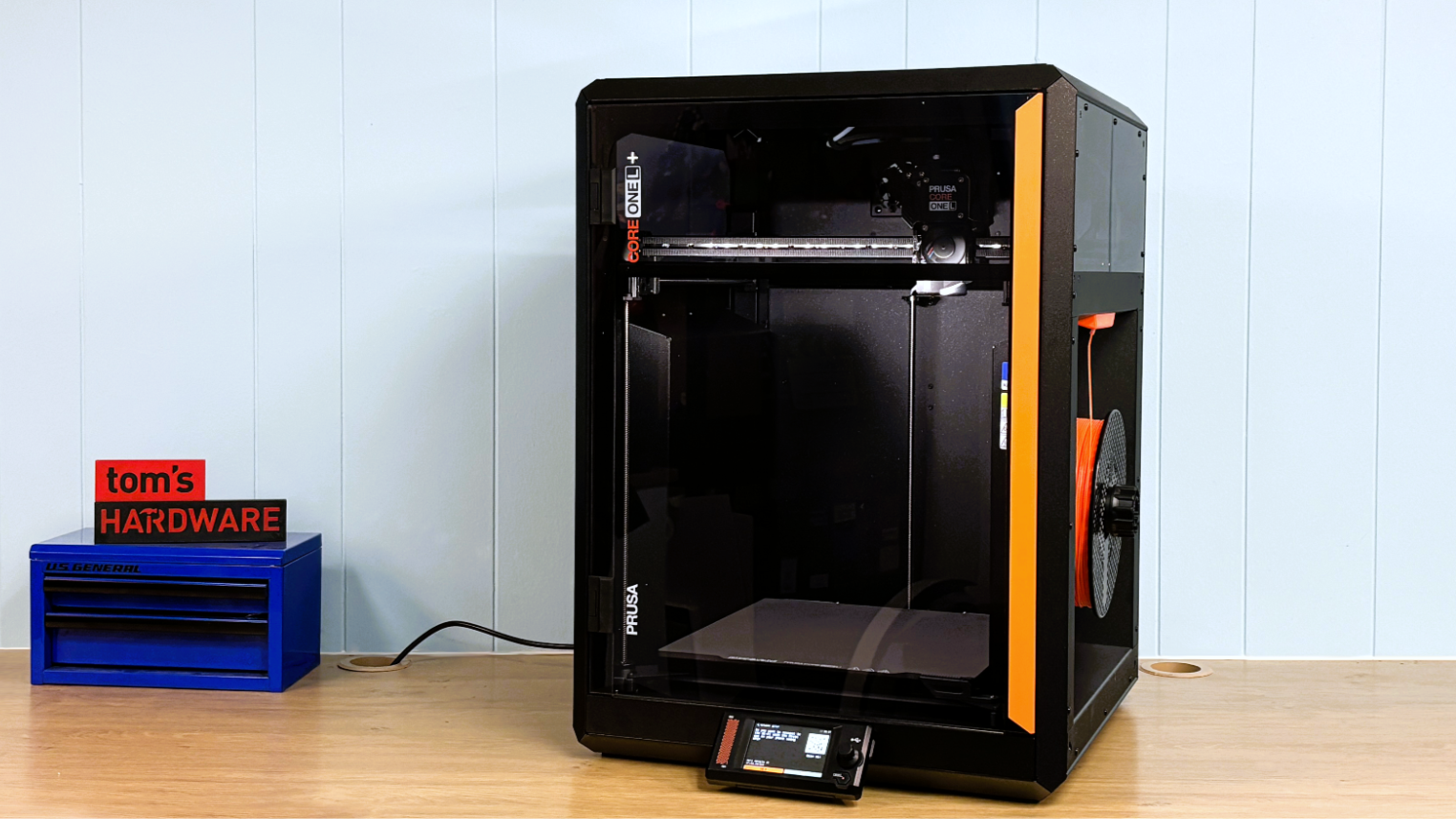
Prusa CORE One L+ Review: More Precise, Minor but Meaningful Upgrade
Tom's Hardware Verdict The Prusa CORE One L+ introduces small but impactful refinements to an already stellar 3D printer. The addition of a new nozzle wiper and enhanced GT1.5 belts boosts print quality and operational

CNET's NYT Connections: Sports Edition Hints & Answers (Sept. 18)
CNET's NYT Connections: Sports Edition Hints & Answers (Sept. 18) Review: A Clear Victory Quick Verdict: CNET's daily guide for the NYT Connections: Sports Edition puzzle offers a clear, well-structured, and invaluable
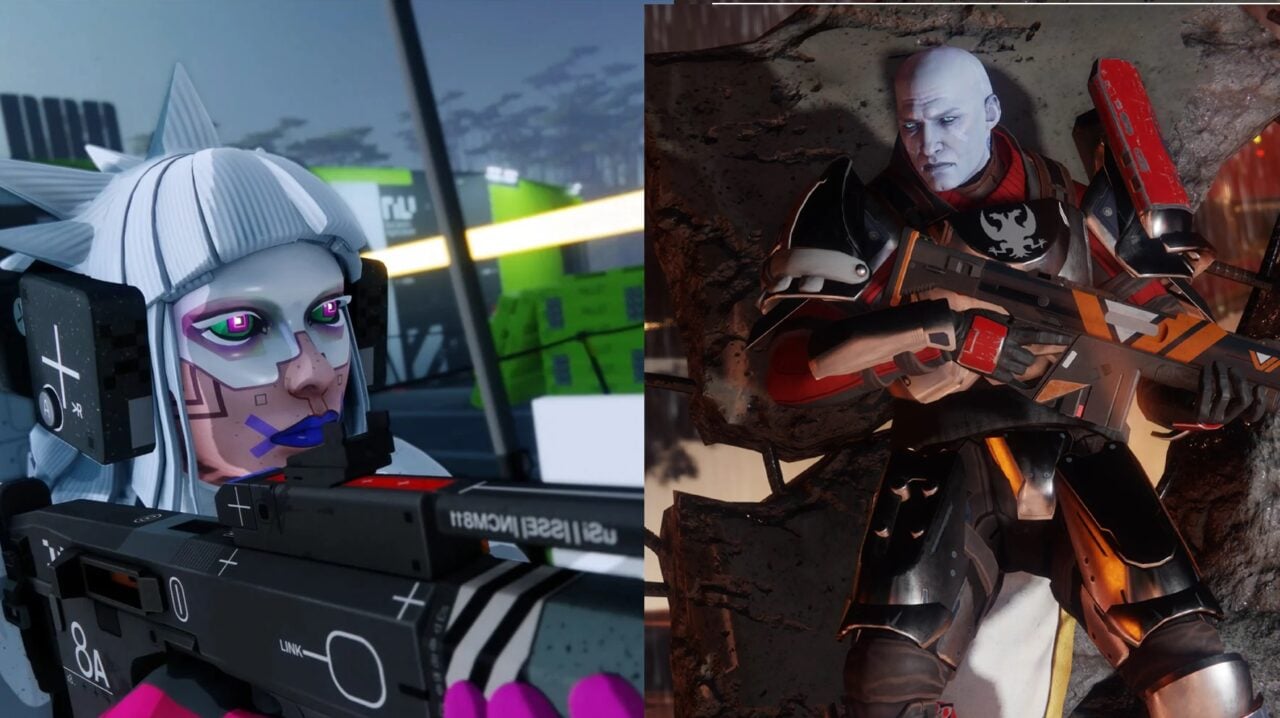
Bungie Squashes Wild 'Destiny 2/Marathon' Crossover Dreams
A viral 4chan leak suggesting a merger between Bungie's *Destiny 2* and *Marathon* captured fan imaginations, proposing *Marathon* as *Destiny*'s Golden Age prequel. However, Bungie's *Marathon* Creative Director, Julia Nardin, swiftly debunked the rumor, reaffirming the games' separate identities. Lore experts also cited major narrative inconsistencies, though many fans still yearn for more *Destiny* content amid uncertainty.

Community Fibre 8.5Gbps: UK's Fastest, But Pricey Fibre
Quick Verdict Community Fibre has just launched the UK's fastest residential internet connection, boasting an incredible 8.5Gbps (8,200Mbps) symmetrical full fibre service. It's a technical marvel, delivering speeds