
Android Quick Share QR: Bridging the Divide for File Sharing
Google's new Quick Share QR code feature allows any Android phone to share files with any iPhone, bridging the long-standing cross-platform gap. It's a smooth, cloud-backed solution, though users must share QR codes cautiously.

For years, the chasm between Android and iPhone for simple file sharing has been a source of frustration for many. While Apple users enjoyed the effortless convenience of AirDrop, Android users often found themselves resorting to clunky third-party apps, email attachments, or messaging services to send files to their iPhone-toting friends and colleagues. Google has been steadily working to address this long-standing issue, and its latest move, integrating a QR code-based sharing system into Quick Share, is a significant step towards truly universal cross-platform file transfers.
Quick Verdict
Google's new Quick Share QR code feature is a game-changer for Android users, particularly those whose devices don't support the more direct AirDrop-compatible Quick Share. It offers a surprisingly smooth, cloud-backed solution for sending files to any iPhone, sidestepping hardware limitations and simplifying what was once a multi-step chore. While requiring a cloud upload and careful sharing of the QR code, its universal accessibility makes it an invaluable addition, finally bringing true ease to the Android-iPhone sharing experience.
The Cross-Platform Chasm: A History of Headaches
Anyone who has ever tried to quickly send a photo or document from an Android phone to an iPhone knows the struggle. What should be a seamless, local transfer often devolves into a search for compatible apps, an email attachment, or a reliance on often-compressed messaging services. Google previously introduced a Quick Share feature that enabled direct compatibility between some Android devices (initially Pixel and Samsung, now expanding to OPPO, OnePlus, Vivo, Xiaomi, and HONOR) and Apple’s AirDrop. This was a welcome development, but it didn't cover all Android devices, leaving a significant portion of the user base still grappling with the problem.
Quick Share QR: How It Works
The new QR code method from Google aims to solve this inclusivity gap by providing a universal solution that doesn't rely on specific hardware compatibility. The process is straightforward:
- Generate a QR Code: On your Android phone, select the file or files you wish to share via Quick Share. The system will then generate a unique QR code.
- Scan with iPhone: The iPhone recipient simply opens their default Camera app and scans the QR code displayed on the Android device.
- Cloud Transfer: Once scanned, the file is uploaded to the cloud, acting as an intermediary.
- Download on iPhone: The iPhone user is then able to download the file directly to their device.
This cloud-based approach is crucial, as it allows any Android device to participate in cross-platform sharing, irrespective of its underlying hardware for direct peer-to-peer connections. It effectively levels the playing field, ensuring that the convenience of easy file transfer isn't restricted to premium Android models.
User Experience and Security Considerations
The article highlights that the entire experience is "surprisingly smooth for something that has historically required third-party workarounds." This ease of use is a significant win. The fact that iPhone users can utilize their native Camera app to scan the QR code removes any friction of needing to download a separate application, making the receiving end equally painless.
However, it's vital to address a key security consideration: "anyone with access to the QR code can download the file without requiring any permission." This means that while convenient, users must exercise caution and only share the generated QR code with individuals they explicitly trust. It's not a feature for public display or casual sharing in unsecured environments. This trade-off between convenience and a potential security loophole (if misused) is important for users to understand.
The Broader Picture: Quick Share's Evolution
This QR code functionality isn't an isolated update; it's part of a broader strategy by Google to improve file sharing across devices. As mentioned, native AirDrop-compatible Quick Share is already available for some Android phones and is slated to expand to more brands like OPPO, OnePlus, Vivo, Xiaomi, and HONOR this year. The QR code feature complements this, serving as a robust fallback for all other Android devices that lack the specific hardware for direct AirDrop compatibility. It ensures comprehensive coverage across the Android ecosystem.
Furthermore, Google has indicated plans to integrate Quick Share directly into popular third-party applications such as WhatsApp. This foreshadows an even more integrated and seamless sharing experience in the future, where sending files across platforms might become as simple as tapping a share button within an app, without needing to navigate to the phone's native sharing menu.
Pros and Cons
Pros:
- Universal Android Compatibility: This is the standout advantage, enabling any Android phone to share files with an iPhone, regardless of its hardware.
- Seamless iPhone Reception: iPhone users can simply use their default Camera app to scan, eliminating the need for extra apps.
- Surprisingly Smooth User Experience: The process is described as much less cumbersome than previous third-party workarounds.
- Addresses Long-Standing Frustration: Finally offers a robust native solution to a common cross-platform problem.
- Cloud-Backed Flexibility: Leverages the cloud to bridge the hardware gap between devices.
Cons:
- Cloud Dependency: Requires an active internet connection for file upload and download, unlike direct peer-to-peer solutions.
- Security Risk with QR Code: The QR code grants access to anyone who scans it, necessitating careful and trusted sharing to prevent unauthorized downloads.
- Not As Direct As Native AirDrop: While smooth, it involves a cloud intermediary, which might be marginally slower than direct device-to-device transfers for devices that do support native Quick Share-AirDrop compatibility.
- Rollout Period: Users may need to wait up to a month for the feature to become fully available on their device.
Recommendation
If you own an Android phone and frequently find yourself needing to share files with iPhone users, this new Quick Share QR code feature is an essential upgrade. It dramatically simplifies a process that was previously fraught with friction. While those with newer Android devices that support direct AirDrop compatibility might find that method slightly more streamlined, the QR code option provides a universally accessible solution for everyone else. Just remember to be mindful of who you share the QR code with, given its open access. Google is finally putting an end to the 'green bubble' file-sharing woes, and it's a welcome, long-overdue advancement that enhances the daily tech experience for millions.
FAQ
Q: Does this QR code sharing replace the existing Quick Share feature that works directly with AirDrop?
A: No, this QR code sharing method complements the existing Quick Share-AirDrop compatibility. It's specifically designed for Android phones that do not have the necessary hardware for direct AirDrop integration, providing a universal fallback for all Android devices.
Q: Is an internet connection required to use the Quick Share QR code feature?
A: Yes, since the files are uploaded to the cloud and then transferred to the iPhone recipient, an active internet connection is necessary for both the Android device generating the QR code and the iPhone downloading the file.
Q: How soon will this feature be available on my Android phone?
A: Google has stated that the QR code-based file sharing system will be fully rolled out and available across all Android phones within the next month, so keep an eye out for updates.
Related articles

Apple Unveils iPhone Duo: Pricey Foldable Sees Soaring Demand
Apple has officially entered the foldable smartphone arena with the long-anticipated launch of the iPhone Duo. Priced starting at a hefty $1,999, the device features a 5.4-inch outer display and a larger 7.6-inch inner
Android 17 QPR2 Beta 7.1: The Performance Relief You've Been Waiting
Android 17 QPR2 Beta 7.1: Finally Fixing the QPR1 Performance Woes Verdict: Android 17 QPR2 Beta 7.1 is a crucial and highly anticipated software update for Google Pixel users, specifically targeting and resolving the

DJI Solo Video Setups: Smart Choices for Lone Creators
This review delves into DJI's recommended solo video setups, highlighting the Osmo Pocket 3 Creator Combo as a top pick for its integrated camera, gimbal, and mic. It also covers stabilizers like the Osmo Mobile 8 and RS 4, and the DJI Mic Mini series for enhanced audio, providing honest pros, cons, and clear buying advice.
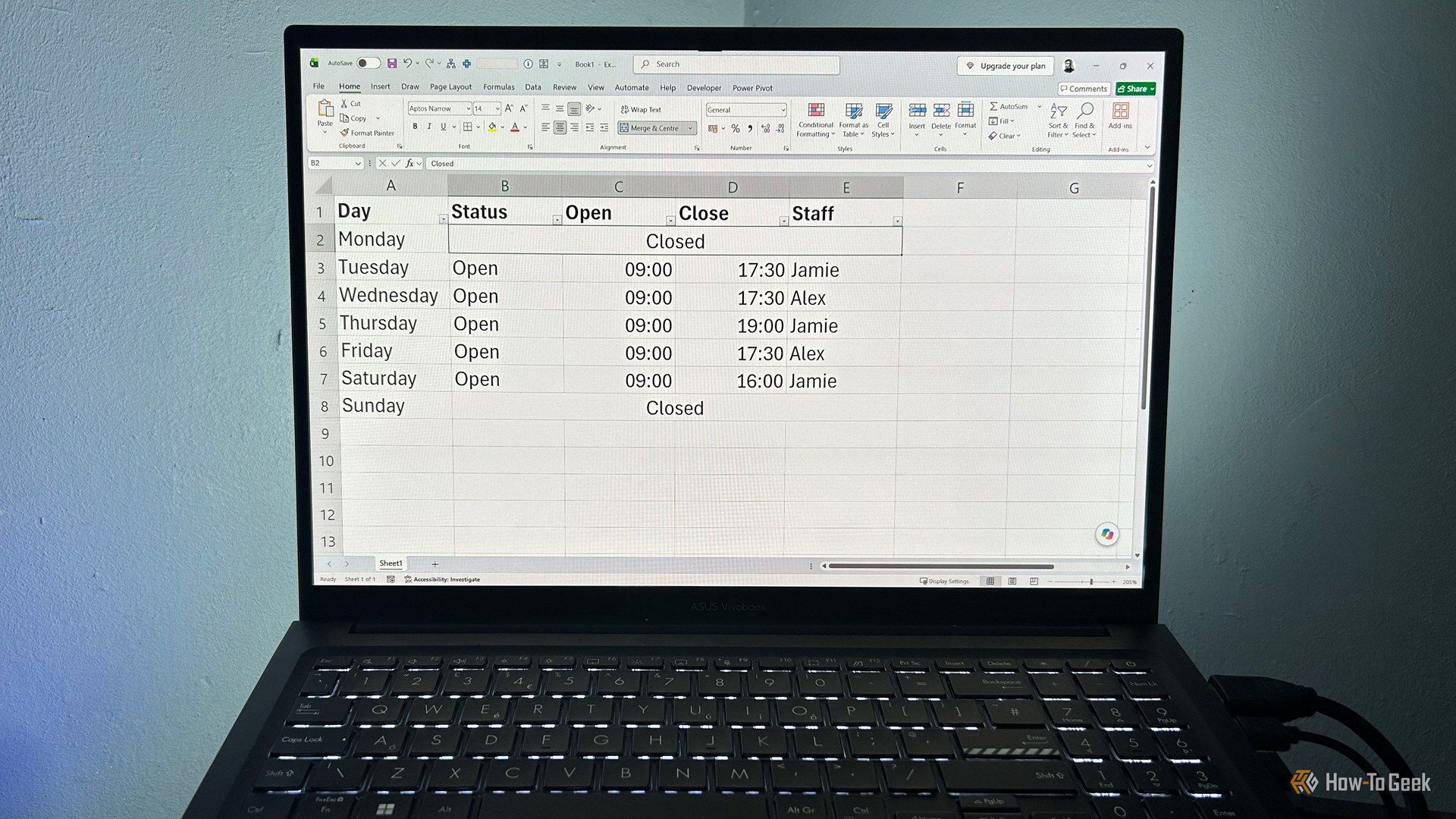
Ditch Merge & Center: The Better Way to Align Text in Excel
Learn to use Excel's "Center Across Selection" to align text across cells without merging, avoiding common data manipulation issues. This guide provides steps to utilize this newly accessible feature and add it to your Quick Access Toolbar.

Ars Technica's Rocket Report: Your Essential Space Industry Briefing
Quick Verdict Ars Technica's Rocket Report, presented by veteran space reporter Stephen Clark, offers an invaluable and meticulously organized weekly (or similar frequency, implied by "Edition 9.15") digest of the most
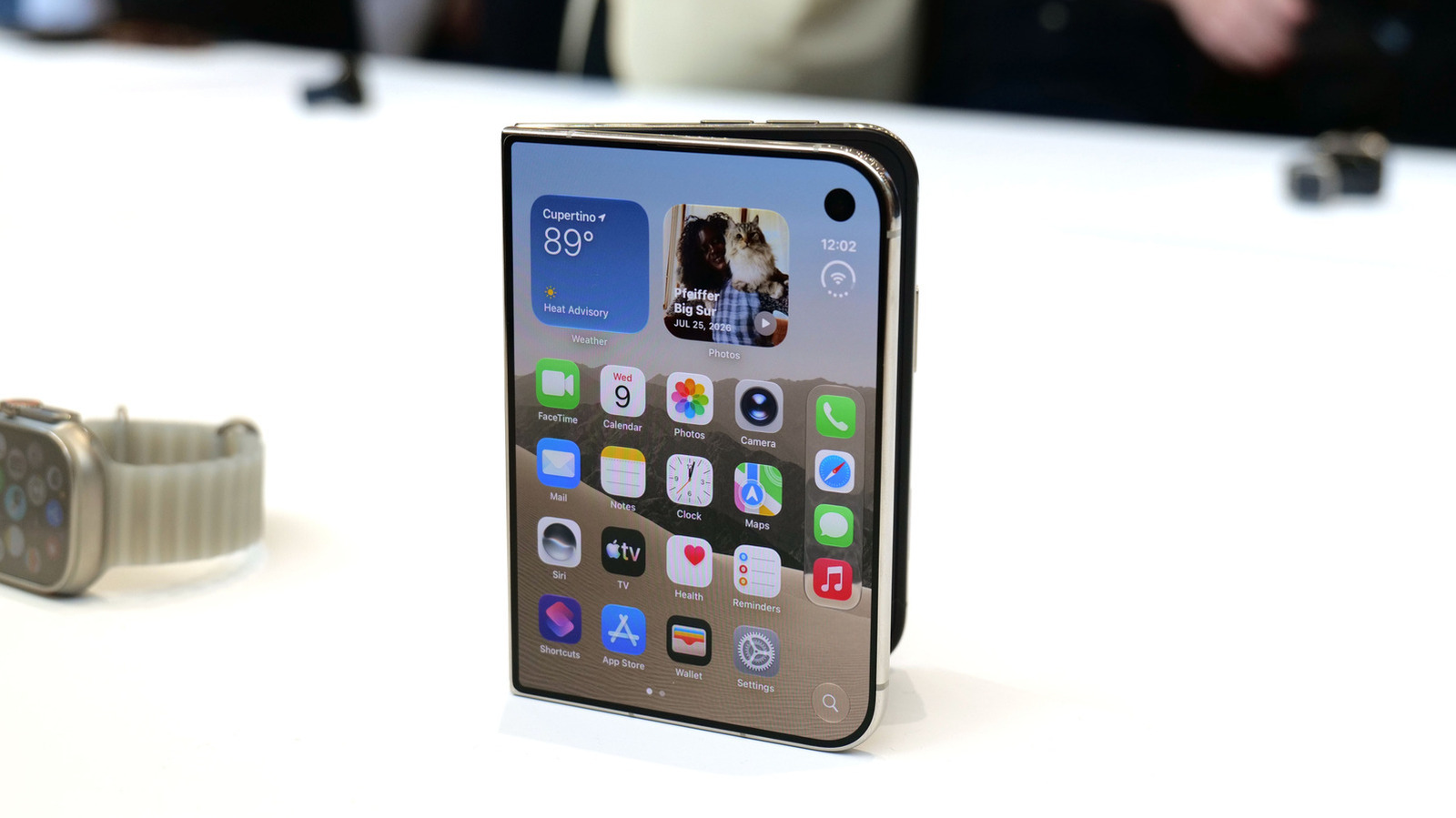
Apple iPhone Duo: A Daring Debut with Notable Compromises
Apple's highly anticipated iPhone Duo, priced at $2,000, has gone on pre-order. While hailed as "Apple's most exciting device in a decade" for its innovative foldable design and immersive display, it comes with significant drawbacks like the absence of FaceID and a premium camera.