
Android 17's App Lock: A Crucial Step for Privacy
Android 17's QPR2 beta introduces a native app lock, offering a robust layer of security beyond the lock screen. This long-awaited feature aims to standardize privacy, deterring unauthorized access to sensitive apps and data.

Android users have long relied on their device's main lock screen, biometric authentication, or third-party solutions to protect their digital lives. However, once that initial barrier is breached, privacy can quickly unravel. Enter Android 17's latest QPR2 beta, which finally introduces a long-awaited and critically important built-in app lock feature. This isn't just another small tweak; it’s a foundational enhancement that promises to provide a robust, native layer of security, putting Android on more even footing with its competitors and offering users greater peace of mind.
What is Android 17's Native App Lock?
This new privacy tool, first identified in the Android 17 QPR2 beta 3 build by 9to5Google, is designed to secure individual applications on your device. Currently undergoing testing on Pixel devices, the feature is anticipated to see a wider rollout with the full QPR2 release in December. Essentially, it allows users to designate specific applications – be it a messaging app, a social media platform, or a photo gallery – as "locked." Once activated, accessing these protected apps requires an additional layer of authentication, leveraging your device's existing passcode or biometric data, such as facial recognition or a fingerprint scan.
Beyond simply restricting access, the app lock extends its protection by disabling notifications from the locked applications. This is a crucial detail, preventing sensitive information from appearing on the lock screen or in the notification shade, even if the app itself is secured. Furthermore, it thwarts unauthorized users from interacting with any widgets or shortcuts associated with the locked app from the home screen. These combined functions are designed to create a more comprehensive shield against snooping, accidental (or intentional) purchases, unwanted settings changes, and unauthorized access to personal data.
User Experience and Implementation
Google has streamlined the management of this new app lock, ensuring a user-friendly experience. Users can enable or disable the feature for multiple applications simultaneously through a dedicated section within the device's "Security & Privacy" settings. For quick, on-the-fly protection, the feature also supports locking individual apps directly from the home screen or app drawer. A simple long-press on the desired app icon reveals an option to apply the lock, similar to how iOS 18 handles its app lock functionality by allowing users to "require Face ID" to unlock an app.
This intuitive implementation is a significant step forward. Previously, Android users might have dabbled with third-party app lockers, which often came with their own set of permissions, advertisements, or varying levels of security efficacy. OEM-specific solutions, like those found on OnePlus devices, also offered similar functionality but lacked standardization across the broader Android ecosystem and, in some cases, were found to have bypass vulnerabilities. By integrating this directly into the core OS, Google is aiming for a uniform, more secure, and inherently trusted solution.
However, an important detail highlighted by Google is that "AI agents and services you’ve allowed" can still access data from a locked app. For those seeking absolute lockdown, the source notes that users would need to manually review and remove those specific permissions. This is a point of consideration for users who deeply integrate AI services into their device usage and prioritize maximum data isolation.
The Case for Native App Locking: Why It Matters
The addition of a native app lock isn't just about catching up to iOS; it's about addressing a fundamental privacy and security need for millions of Android users. Our phones are increasingly repositories of sensitive information – financial details, private conversations, personal photos, and work documents. While a lock screen offers a primary defense, there are numerous scenarios where someone might gain temporary access to an unlocked phone: a child playing a game, a friend borrowing it to make a call, or even a more nefarious situation where a thief bypasses the main lock.
In these situations, a secondary layer of protection at the app level is invaluable. It transforms a potentially open vault into a series of individually secured compartments. This standardization of the feature across Android devices is a welcome improvement. It means users won't have to hunt for reliable third-party apps, deal with inconsistent OEM implementations, or resort to complex workarounds, such as creating screen lock automations triggered by app launches – methods that were often cumbersome and less secure.
App Lock vs. The Alternatives
For years, Android users wanting to lock individual apps had a few options, none of them ideal as a native solution:
- Third-Party App Lockers: Abundant on the Play Store, these apps provided varying degrees of effectiveness and security. Some were reliable, others riddled with ads or questionable permissions. Their security often wasn't as deep-seated as an OS-level feature.
- OEM-Specific Features: Manufacturers like OnePlus (with OxygenOS) integrated their own app lock features. While convenient for those particular devices, they suffered from a lack of standardization and occasional vulnerabilities.
- Workarounds (e.g., Tasker automations): Highly technical users could create complex automations to mimic app locking, but these were far from user-friendly and not a practical solution for the average person.
- iOS 18's App Lock: Apple introduced its native app lock in iOS 18 (2024), offering a similar experience where Face ID or a passcode is required to access locked apps. Android 17's implementation seems to mirror this user-friendly approach, finally bringing Android into parity with a key privacy feature.
Android 17's native app lock stands out by offering a universally supported, deeply integrated, and theoretically more secure solution than these disparate alternatives.
The Road Ahead: Beta & Future Availability
As of now, the app lock feature is exclusively available to Pixel device users participating in the Android 17 QPR2 beta 3 program. Google's full QPR2 update is slated for a December release, and it's widely expected that this app lock will be a part of that stable rollout, extending its availability to more Android devices, including popular brands like Samsung.
However, Google is known for testing features in betas only to remove them, delay them, or significantly alter them before a final release. While the core utility and user demand for an app lock make its full release seem highly probable, this beta status means there's always a slight chance it might not make the cut in its current form. Nonetheless, the current implementation suggests a committed effort towards solidifying this as a permanent Android feature.
Pros and Cons
Pros:
- Native Integration: Built directly into the Android OS, offering deeper security and reliability than third-party apps.
- Standardization: Aims to provide a consistent app locking experience across all Android devices, reducing fragmentation.
- Enhanced Privacy: Adds a crucial layer of security for sensitive applications beyond the main lock screen.
- Comprehensive Protection: Disables notifications and prevents widget/shortcut access for locked apps.
- Intuitive Management: Easy to enable/disable via settings or a simple long-press on app icons.
- Parity with iOS: Brings Android's privacy features closer to those offered by Apple.
Cons:
- Beta Status: Currently limited to Pixel devices in the QPR2 beta, with no guarantee of final release (though highly likely).
- AI Access Caveat: AI agents and services can still access locked app data unless permissions are manually revoked.
- Dependent on Device Update Cycle: Widespread availability for non-Pixel devices will depend on OEM update schedules after the full QPR2 release.
Our Recommendation
Android 17's built-in app lock is an unequivocally positive and much-needed addition to the operating system. For users who prioritize privacy and security, this feature provides a robust and convenient way to protect sensitive data on their devices. While it's currently in beta and comes with the minor caveat of AI access, its native integration, ease of use, and comprehensive protection make it highly recommendable. We strongly advise Android users, especially those with shared devices or who handle sensitive information, to embrace this feature once it officially rolls out. It represents a significant step towards a more secure and private Android experience, finally giving users the granular control over app access that they've been requesting for years.
FAQ
Q: Will the Android 17 app lock work on my Samsung/OnePlus/other non-Pixel phone?
A: The app lock is currently in beta for Pixel devices. Google is expected to release the full Android 17 QPR2 update in December, which will likely include this feature. However, its availability on specific non-Pixel devices will then depend on when your phone's manufacturer rolls out their Android 17 updates.
Q: How does this new built-in app lock compare to existing third-party app locker apps?
A: The new built-in app lock is designed to be a more secure and standardized solution. Being integrated directly into the operating system, it leverages core device security mechanisms (like biometrics and passcodes) more deeply than most third-party apps. It also offers consistent functionality across Android, avoiding the varying effectiveness and potential vulnerabilities of numerous third-party options.
Q: Can AI services or smart assistants still access data from a locked app?
A: Yes, Google notes that "AI agents and services you’ve allowed" can still access data from a locked app. If you wish to prevent this, you will need to manually review and remove those specific permissions for the app in your device's settings.
Related articles
Android 17 QPR2 Beta 7.1: The Performance Relief You've Been Waiting
Android 17 QPR2 Beta 7.1: Finally Fixing the QPR1 Performance Woes Verdict: Android 17 QPR2 Beta 7.1 is a crucial and highly anticipated software update for Google Pixel users, specifically targeting and resolving the

DJI Solo Video Setups: Smart Choices for Lone Creators
This review delves into DJI's recommended solo video setups, highlighting the Osmo Pocket 3 Creator Combo as a top pick for its integrated camera, gimbal, and mic. It also covers stabilizers like the Osmo Mobile 8 and RS 4, and the DJI Mic Mini series for enhanced audio, providing honest pros, cons, and clear buying advice.
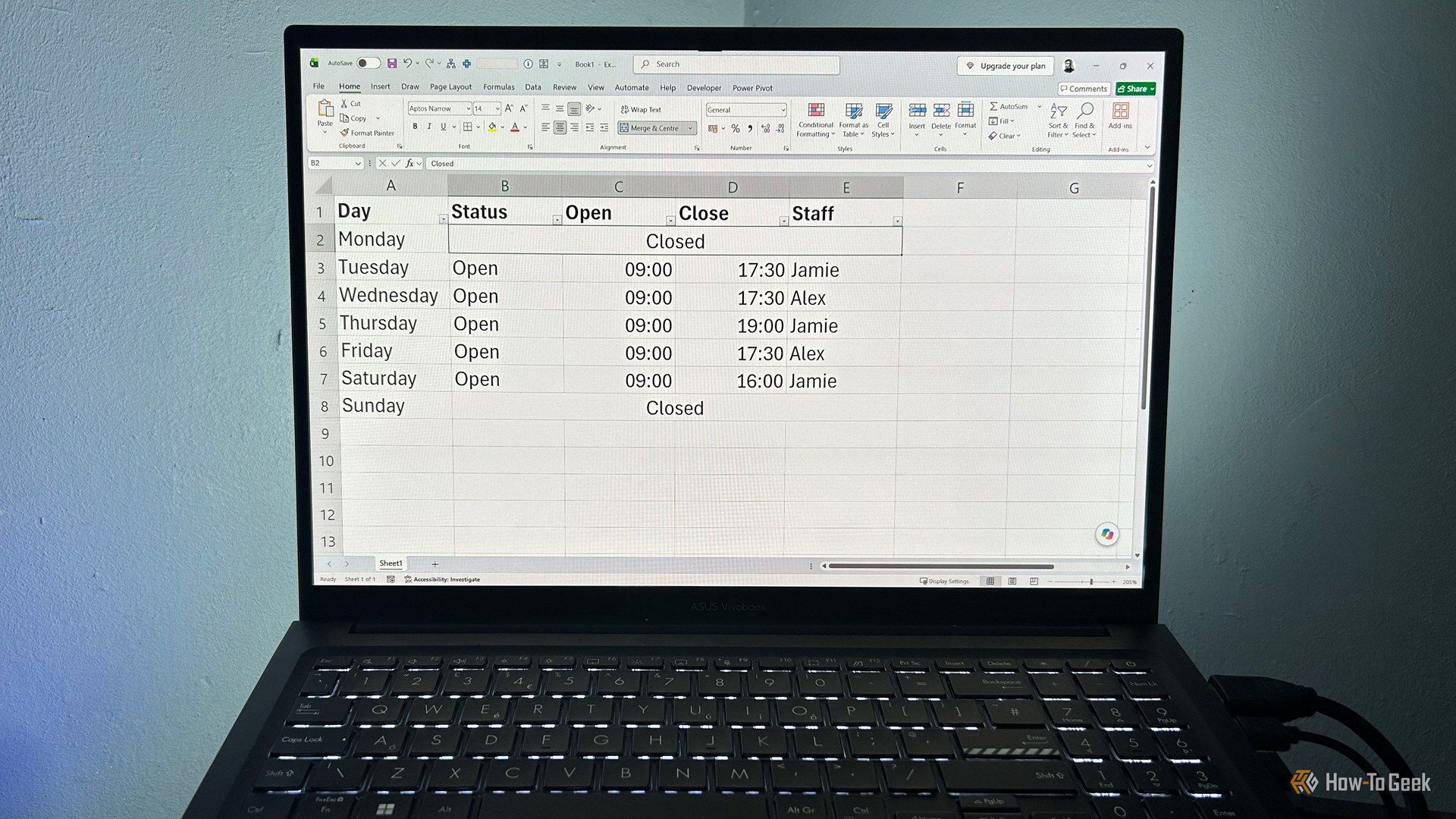
Ditch Merge & Center: The Better Way to Align Text in Excel
Learn to use Excel's "Center Across Selection" to align text across cells without merging, avoiding common data manipulation issues. This guide provides steps to utilize this newly accessible feature and add it to your Quick Access Toolbar.

Ars Technica's Rocket Report: Your Essential Space Industry Briefing
Quick Verdict Ars Technica's Rocket Report, presented by veteran space reporter Stephen Clark, offers an invaluable and meticulously organized weekly (or similar frequency, implied by "Edition 9.15") digest of the most

Apple iPhone Duo: A Daring Debut with Notable Compromises
Apple's highly anticipated iPhone Duo, priced at $2,000, has gone on pre-order. While hailed as "Apple's most exciting device in a decade" for its innovative foldable design and immersive display, it comes with significant drawbacks like the absence of FaceID and a premium camera.
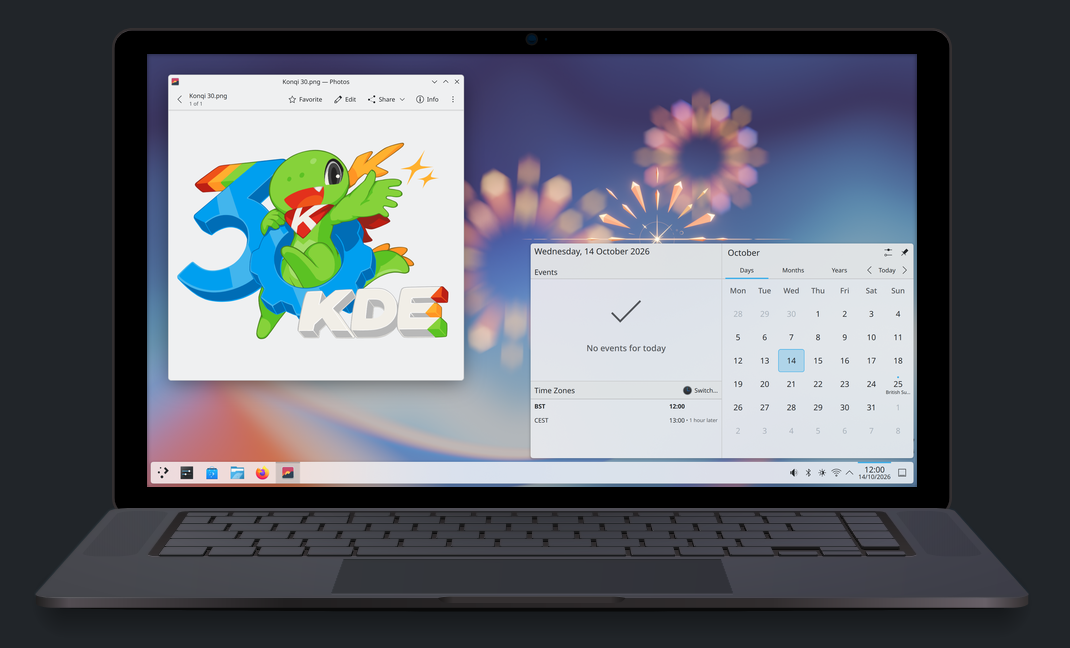
KDE Plasma 6.8: A Future-Focused 30th Anniversary Update
Quick Verdict KDE Plasma 6.8, arriving as the "30th Anniversary Edition," is a pivotal release that decisively pushes the desktop environment into the future. With a definitive farewell to native X11 sessions and a