
analysis: U.S. Says 3 Tied to Silicon Valley Server Maker Broke
Three individuals tied to Silicon Valley's Super Micro, including a co-founder, are charged with violating U.S. export laws. They allegedly diverted Nvidia A.I. chip servers to China, circumventing restrictions designed to prevent military and surveillance advancements. This federal indictment signals a firm stance against illicit tech transfers.
U.S. Indicts 3 Tied to Super Micro Over Alleged AI Chip Export Scheme
Federal prosecutors in the U.S. have unsealed a significant indictment, charging three individuals with ties to the Silicon Valley server manufacturer Super Micro with violating strict export laws. The accused, identified as Super Micro co-founder and board member Yih-Shyan Liaw, Super Micro sales manager Ruei-Tsang Chang, and company contractor Ting-Wei Sun, are alleged to have orchestrated an elaborate scheme. This scheme involved the illicit diversion of computer servers equipped with advanced artificial intelligence chips made by Nvidia to customers in China. The indictment, originating from the U.S. attorney’s office for the Southern District of New York and unsealed on Thursday, March 19, 2026, details a conspiracy to bypass critical restrictions aimed at preventing Beijing from utilizing such sophisticated technology for military and surveillance purposes.
The Alleged Diversion Scheme Uncovered
The indictment vividly describes what prosecutors refer to as "a systematic scheme to divert massive quantities of U.S. artificial intelligence technology to customers in China." This intricate plot reportedly began as early as 2024. According to federal documents, Mr. Liaw and Mr. Chang directed an unnamed company located in Southeast Asia to place substantial purchase orders with Super Micro. These orders specifically targeted servers integrated with Nvidia’s high-performance A.I. chips, which are central to modern artificial intelligence infrastructure. Over the course of the conspiracy, this intermediary company reportedly acquired approximately $2.5 billion worth of servers from Super Micro.
Deception and Evasion Tactics
To successfully circumvent detection by Super Micro’s own compliance team and the U.S. Commerce Department, the defendants allegedly resorted to elaborate deceptive tactics. The indictment states that they staged thousands of replica servers, presenting these fake units for official inspection. In a particularly audacious act, Mr. Sun is specifically accused of using a hair dryer to meticulously remove identification labels from the genuine servers. These labels were then purportedly reattached to the ersatz units, effectively creating decoys for regulatory oversight.
All the while, the actual restricted servers had already been surreptitiously shipped to China. Prosecutors have identified that between April and May of last year (2025), at least $510 million worth of these crucial servers were sold to the unnamed Southeast Asian company before being subsequently transferred to China, completing the alleged illicit export chain.
Strategic Importance and National Security
The U.S. government considers Nvidia’s advanced computer chips to be profoundly strategic, forming the backbone for the development and execution of cutting-edge artificial intelligence systems. Given their critical role, both the Trump and Biden administrations have imposed stringent export restrictions on the most advanced A.I. chips destined for China. These bipartisan measures are rooted in grave national security concerns.
U.S. officials fear that if Beijing gains unfettered access to such technology, it could significantly enhance its military capabilities, develop new weaponry, strengthen its pervasive surveillance systems, launch more sophisticated cyberattacks, and accelerate battlefield decision-making, thereby tilting the global balance of power. The charges against these individuals underscore the United States’ resolute commitment to enforcing these export controls. The alleged actions by those associated with Super Micro directly challenge these foundational policies, attempting to illicitly supply a geopolitical rival with technology deemed vital for strategic advantage and national defense.
Broader Implications for Tech Exports
This federal indictment sends a powerful message regarding the intense geopolitical competition centered on advanced technological leadership, particularly in the rapidly evolving field of artificial intelligence. It strongly signals that U.S. authorities are not only actively monitoring but also vigorously prosecuting attempts to circumvent export regulations specifically designed to safeguard sensitive American technology from reaching potential adversaries.
The ongoing legal proceedings will likely intensify scrutiny on global tech supply chains and the internal compliance protocols of companies operating within the high-stakes semiconductor and server industries. The eventual outcome of this case could establish significant precedents for how American technology firms manage their international sales, distribution networks, and internal oversight, especially concerning dual-use technologies that possess both civilian and military applications.
FAQ
Q: Who are the individuals charged in this case?
A: The U.S. government has charged Yih-Shyan Liaw, a co-founder and board member of Super Micro; Ruei-Tsang Chang, a sales manager for the company in Taiwan; and Ting-Wei Sun, a contractor for Super Micro.
Q: What specific technology was allegedly diverted to China, and why is it restricted?
A: The technology in question consists of computer servers equipped with advanced Nvidia artificial intelligence chips. These chips are restricted by U.S. export laws due to concerns that China could use them to advance its military, surveillance, cyberattack capabilities, and battlefield decision-making, posing a national security threat.
Q: How did the defendants allegedly circumvent export controls?
A: According to the indictment, the defendants directed an unnamed Southeast Asian company to purchase servers from Super Micro. They then allegedly staged thousands of replica servers for inspection by U.S. compliance teams and the Commerce Department, while the actual servers with Nvidia A.I. chips were already shipped to China. This included using methods like removing labels from real servers and attaching them to fake ones.
Related articles

Apple Unveils iPhone Duo: Pricey Foldable Sees Soaring Demand
Apple has officially entered the foldable smartphone arena with the long-anticipated launch of the iPhone Duo. Priced starting at a hefty $1,999, the device features a 5.4-inch outer display and a larger 7.6-inch inner

in-depth: Chicago-Area Cops Helped HSI Spy on Minnesota Anti-ICE
Chicago-area law enforcement, including local police and HSI agents, conducted undercover surveillance on Minnesota anti-ICE activists at an April 2, 2022, talk in Chicago. This operation was part of a federal conspiracy probe into 15 Minnesota activists facing felony charges related to immigration enforcement resistance. Civil liberties advocates have condemned the surveillance as a troubling intrusion into protected political activity.

Mark Wahlberg on using AI in film ‘the right way’ and being open to
Actor Mark Wahlberg believes AI has a place in filmmaking if used responsibly for enhancement, not script generation or actor replacement. At TechCrunch Disrupt, he expressed openness to an AI likeness carrying on his legacy, managed by his family, and emphasized storytelling.

Tesla Unveils Thruster-Equipped Roadster, 2028 Production Targeted
Tesla has unveiled its second-generation Roadster, featuring cold-gas thrusters co-developed with SpaceX, enabling it to jump and flip. The electric sports car demonstrated 0-60mph in an astonishing 0.81 seconds, with production targeted for 2028. This highly anticipated reveal also serves as a key recruitment tool for Tesla's ambitious AI and robotics initiatives.
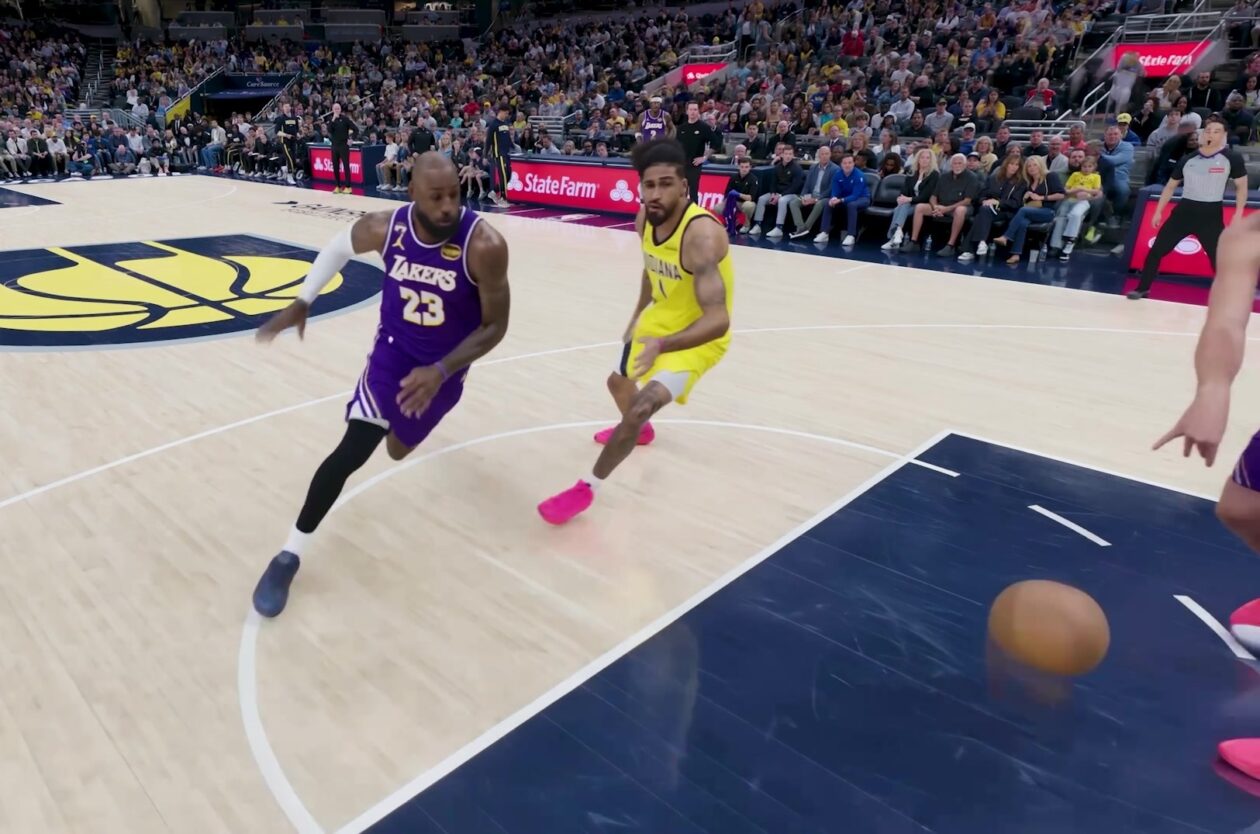
Amazon Prime Video Launches AI-Powered Prime 360 for NBA Coverage
Amazon Prime Video is elevating its NBA coverage with the introduction of Prime 360, an AI-powered replay system offering immersive, 'fly through' views of the action. Kicking off its second season, Prime Video also adds Yahoo fantasy integration and gains exclusive Eastern Conference Finals rights, expanding its tech-driven sports broadcast. The new features aim to deliver a unique and interactive viewing experience for basketball fans.
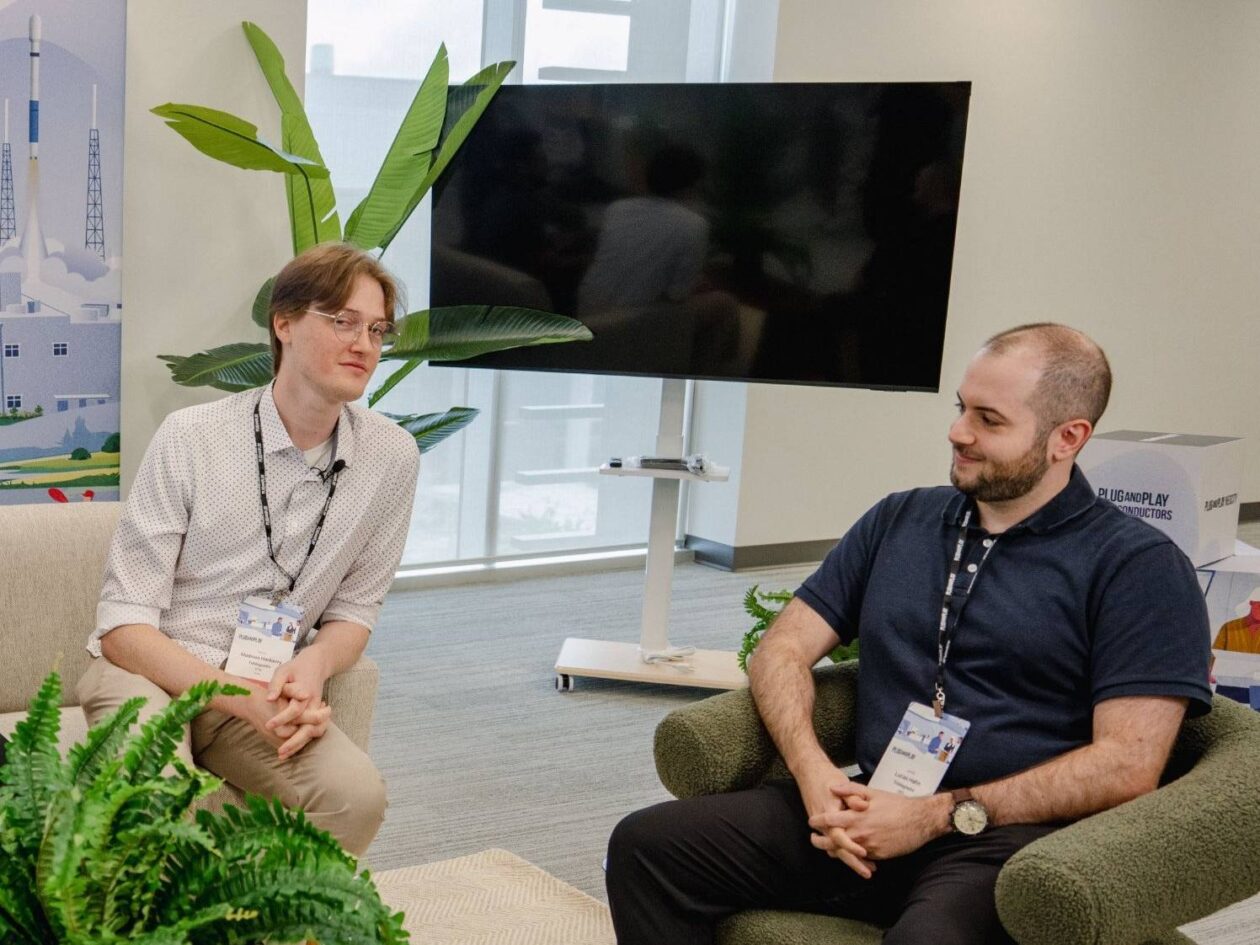
regional: A two-person Seattle startup lands $1M to reinvent
Seattle startup TriMagnetix has secured $1 million to develop semiconductor chips that consume 800 times less energy and are radiation-resistant. The two-person company, leveraging nanomagnetic technology, is targeting space applications and data centers. With new funding and key partnerships, TriMagnetix aims for commercial sales within a year.