
AMD Ryzen 7 9850X3D vs i9-14900K: Gaming vs. Productivity Showdown
The AMD Ryzen 7 9850X3D dominates gaming with its 3D V-cache and superior efficiency, while Intel's Core i9-14900K excels in multi-threaded productivity tasks. Choice depends on your priority: gaming or heavy workloads.
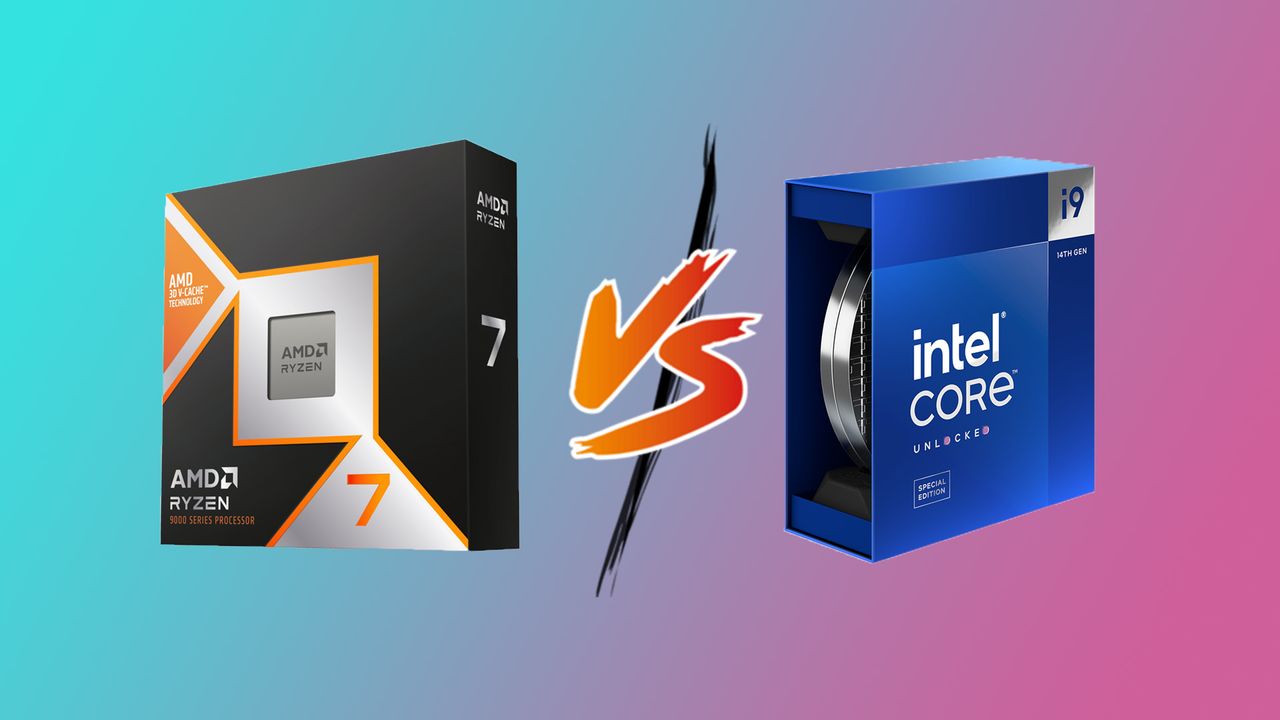
AMD Ryzen 7 9850X3D vs Intel Core i9-14900K: Gaming vs. Productivity Showdown
The CPU market presents a classic dilemma: AMD’s gaming-focused Ryzen 7 9850X3D or Intel’s multi-core beast, the Core i9-14900K. With specialized 3D V-cache, AMD’s new X3D chip reclaims the gaming crown, delivering exceptional frame rates and superior efficiency. Conversely, Intel’s Raptor Lake refresh, boasting high core counts, maintains dominance in demanding productivity applications. Your choice hinges on prioritizing peak gaming or raw multi-threaded compute power.
Core Designs and Key Specifications
These CPUs embody distinct architectural philosophies. The Ryzen 7 9850X3D (Zen 5 X3D, 4nm) features 8 cores/16 threads, boosting to 5.6 GHz. Its defining asset is 96MB of 3D V-Cache (total 104MB), optimized for gaming. TDP is 120W (162W PPT), emphasizing efficiency.
The Intel Core i9-14900K (Intel 7, 10nm) uses a hybrid design: 8 P-cores (up to 6.0 GHz) and 16 E-cores (24 cores/32 threads total). It carries 36MB L3 and 32MB L2 cache. While rated at 125W TDP, its maximum turbo power can reach 253W. Intel uniquely supports DDR4-3200 alongside DDR5-5600. Pricing: 9850X3D is $499 MSRP; 14900K, initially $589, often retails for $450-$500.
Gaming Performance: AMD Takes the Throne
For dedicated gamers, the Ryzen 7 9850X3D is the undisputed champion. Our 1080p benchmarks reveal it outperforming the 14900K by a significant 23.9% on average. AMD’s chip consistently led, with frame rate uplifts nearing 50% in titles like Baldur’s Gate 3, F1 2024, and Final Fantasy XIV. The 14900K only surpassed it in Monster Hunter Wilds, by a modest 7.17%.
The 9850X3D also boasts superior gaming efficiency: 2 FPS/W versus the 14900K's 1.28 FPS/W. It consumes roughly 20.7% less power (106.1W vs 133.9W) and sustains higher average clock speeds, thanks to effective thermal design and lower memory access latency.
Productivity Performance: Intel's Multi-Core Might
When tackling multi-threaded productivity tasks, the Core i9-14900K comprehensively dominates. Its higher core/thread count gives it a decisive advantage, leading the 9850X3D by approximately 49% in multi-threaded geomean scores. In Cinebench R23 and POV-Ray, Intel’s lead reached 63% and 73%, respectively. Video encoding (SVT-HEVC) and Blender renders also saw the 14900K comfortably ahead, often by over 50%.
Single-threaded workloads present a more balanced picture. While the 14900K holds a slight 2.7% overall lead, both CPUs are comparable for tasks relying on single-core speed. For serious content creation, however, the 14900K’s multi-core superiority is undeniable.
Power, Thermals, and Platform Value
Practical system building reveals stark differences here. The 14900K is notably power-hungry, drawing 300-320W under sustained multi-threaded loads, sometimes exceeding 350W. This necessitates a robust, high-end cooling solution—typically a 280mm or 360mm AIO—adding to cost and complexity. Its power consumption under load can be 80-119% higher than AMD’s chip.
The Ryzen 7 9850X3D is remarkably more efficient, peaking at 160-180W. This allows effective cooling with a quality air cooler or mid-range 240mm AIO. While Intel’s platform offers potential initial savings through DDR4 support and a mature motherboard ecosystem, the 9850X3D’s lower cooling demands and superior power efficiency under load can lead to a more cost-effective and quieter long-term build. Overclocking enthusiasts find the 14900K offers more frequency headroom and a richer ecosystem, though the 9850X3D supports PBO 2.
The Final Verdict: Who Should Buy What?
For the hardcore gamer: The AMD Ryzen 7 9850X3D is your undisputed champion. Its unmatched gaming performance, combined with superior efficiency and easier cooling, makes it the premier choice.
For the serious creator or workstation user: The Intel Core i9-14900K is the clear winner. Its sheer multi-threaded horsepower will significantly accelerate rendering, encoding, and professional applications. Be prepared for a top-tier cooler investment.
For the balanced user or value seeker: Consider your primary workload. The 14900K’s platform might initially be cheaper with DDR4, but the 9850X3D’s long-term efficiency and simpler cooling could reduce overall cost and noise. If gaming is even a significant secondary activity, the 9850X3D offers a far better experience.
Q: Do these CPUs require expensive motherboards? A: Both platforms offer a range. For the 14900K, Z-series boards (for overclocking) range from $130 to $500+. For the 9850X3D, AM5 B650 boards start around $100-$150, with X-series reaching $200-$500+. Intel’s platform has slightly more mature, budget-friendly options, especially if reusing DDR4.
Q: Which CPU is more future-proof? A: The AMD AM5 platform, being newer and DDR5-only, generally offers better long-term upgrade potential for future Ryzen generations. However, Intel’s Raptor Lake (LGA 1700) is expected to remain relevant through 2026, making both solid investments for the foreseeable future.
Q: Will the Intel Core i9-14900K bottleneck my gaming GPU? A: No, absolutely not. Despite being out-gamed by the 9850X3D, the 14900K is still a very powerful gaming CPU (171.1 FPS average in our 1080p tests). It's highly unlikely to bottleneck any current or near-future high-end GPU at typical gaming resolutions (1440p and 4K), where the GPU typically becomes the limiting factor.
Related articles

Ars Technica's Rocket Report: Your Essential Space Industry Briefing
Quick Verdict Ars Technica's Rocket Report, presented by veteran space reporter Stephen Clark, offers an invaluable and meticulously organized weekly (or similar frequency, implied by "Edition 9.15") digest of the most
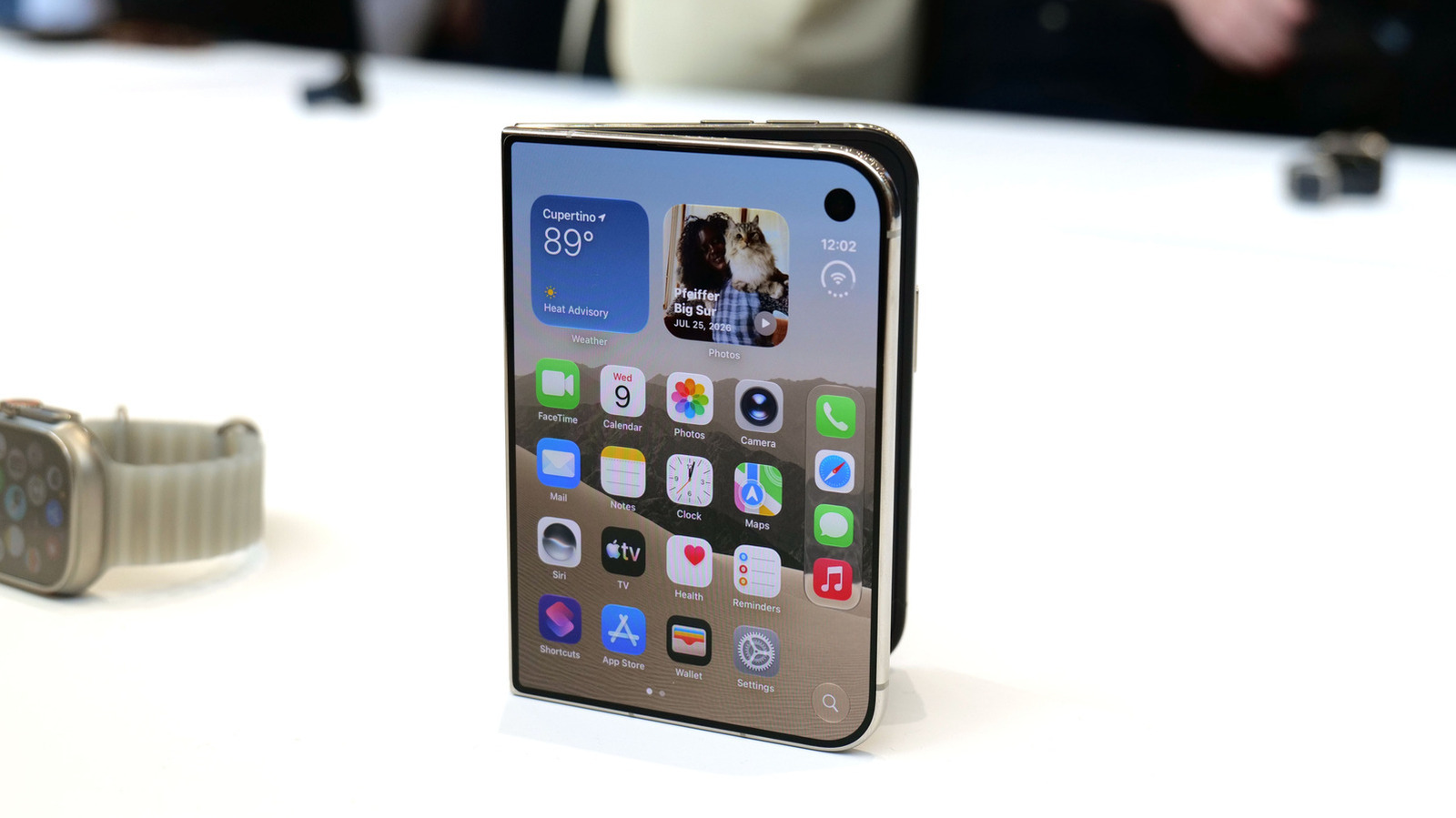
Apple iPhone Duo: A Daring Debut with Notable Compromises
Apple's highly anticipated iPhone Duo, priced at $2,000, has gone on pre-order. While hailed as "Apple's most exciting device in a decade" for its innovative foldable design and immersive display, it comes with significant drawbacks like the absence of FaceID and a premium camera.
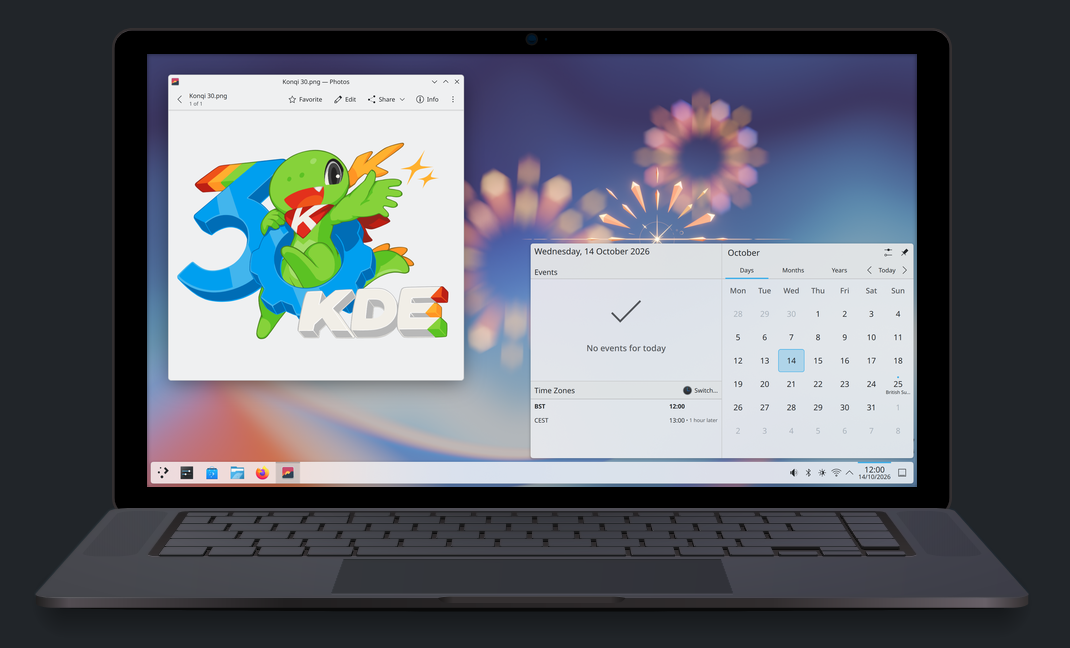
KDE Plasma 6.8: A Future-Focused 30th Anniversary Update
Quick Verdict KDE Plasma 6.8, arriving as the "30th Anniversary Edition," is a pivotal release that decisively pushes the desktop environment into the future. With a definitive farewell to native X11 sessions and a

Kojima Compares Divisive New Film 'Digger' to MGS2's Prescient Vision
Gaming icon Hideo Kojima has praised the divisive 2026 film *Digger*, drawing intriguing parallels to his own prophetic game, *Metal Gear Solid 2*. Both works, he explains, uniquely explore the dangers of misinformation and a fragmented digital reality, anxieties he shares with *Digger*'s director, Alejandro González Iñárritu.
Galaxy Watch One UI 9 Beta: Promising Progress, But Patience Needed
Galaxy Watch 8, Watch Ultra, and Watch 7 are receiving a new One UI 9 Watch beta build with bug fixes and a security patch. Active development signals progress, but a stable release date remains elusive.

Enterprise AI Beyond Chatbots: A Vision for Actionable Intelligence
Quick Verdict: Redefining Enterprise AI's Potential TechRadar Pro's opinion piece, "What it takes to move enterprise AI beyond the chatbot," delivers a refreshingly honest and vital perspective on the current state and