
Amazon Ends Data Center NDAs Amid Mounting Public, Political Pressure
Amazon has announced it will no longer use nondisclosure agreements (NDAs) with county officials for its data center projects. This policy reversal, revealed by CEO Matt Garman, addresses widespread community backlash and a surge in legislative efforts targeting the secrecy of data center developments. The company also pledged a $1 billion investment in data center communities over five years, focusing on education, workforce training, and energy efficiency.

Amazon has announced a significant shift in its data center development strategy, publicly committing to cease the use of nondisclosure agreements (NDAs) with county officials. The move, detailed in a blog post by CEO Matt Garman on Friday, October 2, 2026, comes amidst growing community opposition and a surge of legislative actions targeting the secretive nature of data center projects nationwide. Alongside this policy change, Amazon plans to invest $1 billion over the next five years in communities hosting its data centers, funding programs like community college, workforce training, and energy efficiency upgrades.
NDAs have been a critical flashpoint in the national debate surrounding the rapid expansion of data centers. These agreements have historically prevented local officials from disclosing crucial information to the public, including details about a project's energy and water consumption, or even the identity of the tech companies involved. This lack of transparency has fueled public distrust and made it difficult for communities to assess the environmental and economic impact of these massive infrastructures.
The impact of these secret agreements has been evident in several high-profile cases. In Tucson, Arizona, Amazon’s involvement in a controversial data center project, initially shrouded by an NDA, was only revealed through a public records request. Similarly, in South Bend, Indiana, local officials reportedly struggled to answer community questions about Amazon’s $13 billion data center campus due to existing NDAs.
These incidents underscore the widespread community backlash that has led to over 100 data center moratoriums currently under consideration across the country, as acknowledged by Amazon CEO Matt Garman. Garman warned that enacting such measures could jeopardize the US’s position in the global AI race, with lasting consequences.
Amazon's decision follows a wave of legislative and executive actions at both state and federal levels. Governors in Pennsylvania, Massachusetts, and Delaware have issued executive orders cracking down on data center NDAs. Several states, including New York, New Jersey, Indiana, and Ohio, have also explored legislation to ban the practice outright. Federally, the bipartisan "No Secrets for Data Centers Act" was introduced in the House, with Democratic Representative Jamie Raskin sending letters to major tech companies, including Amazon, Google, Meta, and Oracle, demanding transparency on their NDA usage.
In his blog post, Garman also sought to counter what he termed “misinformation and outright lies” regarding data centers’ environmental impact, suggesting foreign entities might be intentionally seeding dissent to slow US progress. However, experts generally view claims of widespread Chinese misinformation driving the data center backlash as overblown and lacking substantial evidence.
Despite the new commitments, some questions remain. The company did not respond to queries about whether the new policy on NDAs extends to its contractors, who often serve as the direct interface with local governments. As seen in Wharton County, Texas, officials have signed NDAs with contractors, preventing disclosure of details about Amazon projects, rather than directly with Amazon. This suggests that the scope of Amazon's transparency pledge may still have limitations.
This policy reversal marks a significant step towards greater transparency in the data center industry. It signals a recognition by one of the largest players that community engagement and open communication are crucial for sustainable growth, especially as the demand for AI infrastructure intensifies. The move could pressure other tech giants to re-evaluate their own practices regarding data center development and community relations.
FAQ
Q: Why is Amazon stopping the use of NDAs for data centers? A: Amazon's decision comes in response to significant community backlash against the secretive nature of data center projects and increasing legislative pressure at state and federal levels. CEO Matt Garman acknowledged that over 100 data center moratoriums are being considered nationwide, which could hinder the US's AI development.
Q: What specific commitments has Amazon made to data center communities? A: Beyond ceasing NDAs with county officials, Amazon has pledged to invest $1 billion over the next five years in communities hosting its data centers. This funding will support initiatives like free community college programs, workforce training, and energy efficiency upgrades for local schools, homes, and community buildings.
Q: Does Amazon's new NDA policy apply to its contractors? A: The provided source does not explicitly state whether Amazon's new NDA policy extends to its contractors. Historically, contractors have been used to sign NDAs, shielding the end tenant's identity, and Amazon did not respond to queries on this specific point.
Related articles

Judge Rules Police Flock Camera Search 'Mass Surveillance
A federal judge in Oklahoma delivered a landmark ruling on Thursday, declaring that a police investigation utilizing Flock license-plate-reader (LPR) cameras to reconstruct a woman's movements constituted an

AI Can't Fix a Business with Broken Processes, Expert Warns
AI expert Dessy Pavlova warns that AI cannot fix inherently broken business processes; it only accelerates existing inefficiencies. Despite 88% AI adoption, only 7% of organizations scale it effectively, largely due to a failure to redesign workflows first. She advocates for humans to architect systems, using AI as an operational engine with critical oversight points, enabling true productivity gains and sustainable growth.

Kindle Colorsoft Bundle Review: A Colorful Steal for Avid Readers
Quick Verdict The Amazon Kindle Colorsoft Essentials Bundle, now available for an impressive $202 – a saving of $145 – presents a compelling opportunity for dedicated readers. While it's the previous generation ahead of

Apple Bolsters macOS Full Disk Access Amid AI Agent Security Concerns
Apple is enhancing macOS Full Disk Access controls following concerns about AI agents accessing sensitive user data. This move comes after reports involving Meta's Muse app and a ChatGPT security flaw, aiming to ensure users explicitly understand the risks before granting broad system access.

OpenAI's Dot Agent: Enterprise AI That Can Also Order Your Dinner
OpenAI has launched Dots, a new AI agent platform aimed at enterprise users, accessible via a $100/month Pro account. While it struggled with some personal tasks due to security checks, Dot excelled in complex operations like website redesign and video editing when given direct computer access. This paid model positions Dot as a professional tool for the future of work, contrasting with free, consumer-focused competitors.
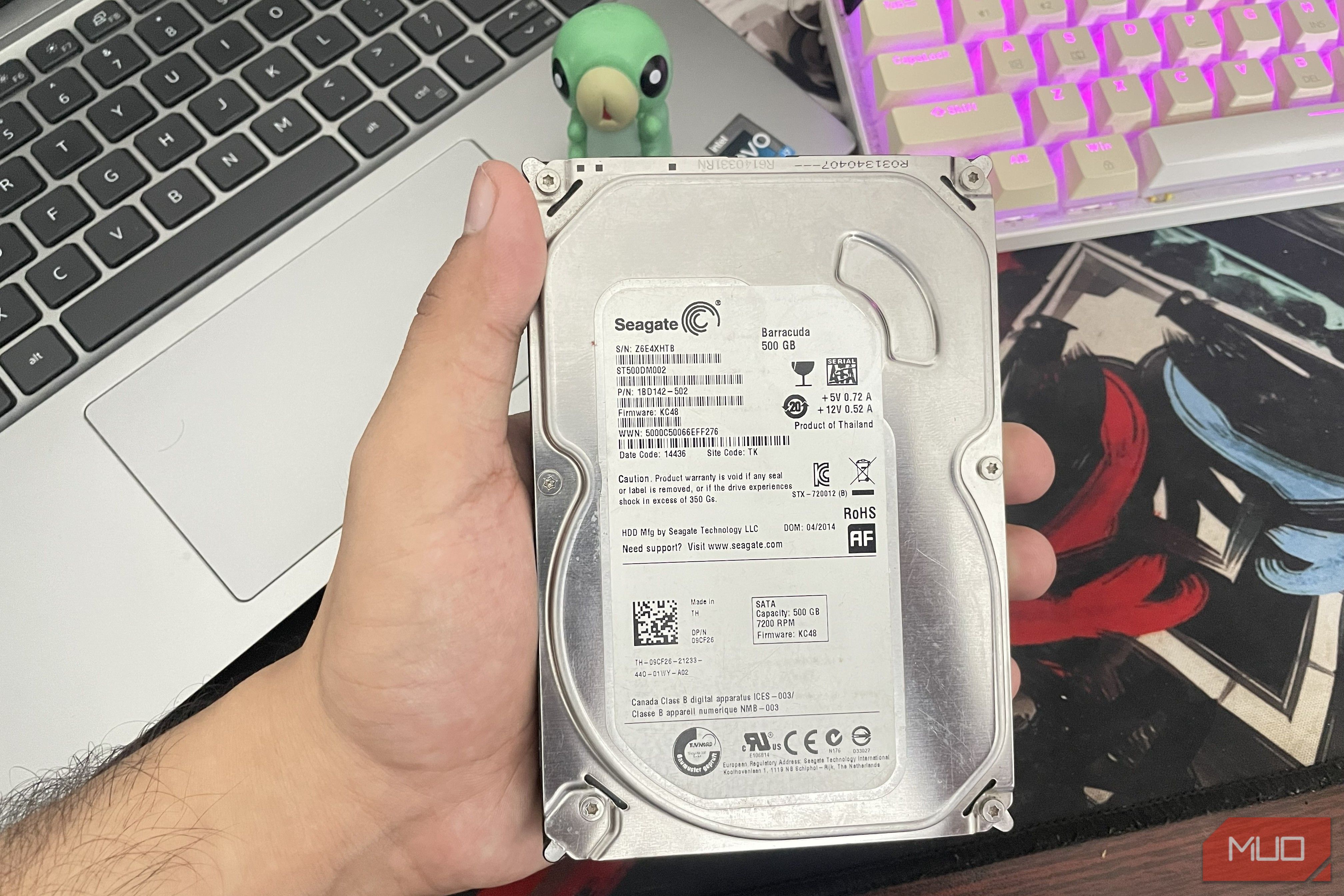
Boost Your Old HDD's Life: What 400k Drives Reveal About Reliability
Discover how HDD reliability varies by brand, backed by a study of over 400,000 drives. Learn which manufacturers offer the most robust drives, understand age-related failure patterns, and get actionable tips to optimize drive temperature and safeguard your data for maximum longevity.