
ai: Google looks to tackle longstanding RCS spam in India — but not
Google is partnering with Bharti Airtel in India to integrate carrier-level spam filtering into its RCS platform. This collaboration aims to combat persistent messaging spam and fraud in a challenging market, potentially setting a precedent for global RCS security enhancements.

Google is intensifying its efforts to combat persistent spam on its Rich Communication Services (RCS) platform in India, announcing a strategic partnership with Bharti Airtel. The collaboration, unveiled Sunday, integrates Airtel’s robust network-level spam filtering directly into the RCS ecosystem, aiming to significantly strengthen protections against unwanted messages and fraudulent activity within the country.
India's Unique Spam Challenge
India presents a particularly formidable challenge in the fight against messaging spam and fraud. This environment is fueled by the nation’s massive mobile user base, the rapid acceleration of digital payments, and aggressive enterprise marketing practices across various channels. The scale of the issue led to widespread complaints about unsolicited advertisements on Google’s RCS, primarily delivered through the Google Messages app. These concerns were significant enough to prompt Google to temporarily pause business promotions on the platform in India during 2022. Despite these past measures, users continue to express frustration over spam messages in Google Messages, indicating that the problem has persisted.
Airtel's Strategic Integration
Bharti Airtel, India's second-largest telecom operator boasting over 463 million subscribers, had previously adopted a cautious approach to deeper alignment with Google's RCS initiatives. A spokesperson for Airtel confirmed that the carrier had not onboarded Google for RCS until it could ensure that all messages were routed through its proprietary spam filter, highlighting legitimate concerns about escalating fraud risks. This new partnership directly addresses that prerequisite.
Under the terms of the agreement, Airtel’s sophisticated network intelligence will be seamlessly combined with Google’s RCS platform. This integration is designed to enable real-time checks on business messaging traffic, incorporating crucial functions such as sender verification, advanced spam detection algorithms, and stringent enforcement of users’ do-not-disturb (DND) preferences. Airtel has described this initiative as a “global first” for embedding a telecom operator's spam filtering directly into an over-the-top messaging platform, though specific comparative details were not disclosed by the companies.
Airtel's commitment to anti-spam measures is well-established; over the past year, its AI-led systems have actively blocked more than 71 billion spam calls and 2.9 billion spam messages. These efforts have been instrumental in driving a significant nearly 69% reduction in fraud-related financial losses experienced on its network, demonstrating the carrier's capability in this domain.
Broader Implications for RCS
This innovative model in India could serve as a significant precedent for Google's broader global strategy for the RCS standard. Sameer Samat, president of Android ecosystem at Google, reiterated the company's commitment to collaborating with the wider ecosystem of carriers internationally. The goal is to cultivate a consistent and trusted messaging experience for all RCS users around the globe, strongly hinting at the potential expansion of similar deep integrations beyond India to standardize security across the entire RCS framework.
India remains an exceptionally critical market for Google's messaging ambitions, given its expansive digital landscape. The country is home to over a billion internet users and more than 700 million smartphone users. The competitive intensity in mobile messaging is further underscored by India’s substantial WhatsApp user base, which exceeds 853 million, according to World Population Review. Prabhu Ram, vice president for the industry research group at CyberMedia Research, underscored the importance of this deeper carrier integration, viewing it as a vital effort to address longstanding weaknesses in rich messaging ecosystems that have historically been vulnerable to widespread spam and fraud.
Ram further emphasized that the ultimate efficacy of this partnership should be evaluated through tangible metrics. These include measurable reductions in overall spam volume, a decrease in user complaints regarding unsolicited messages, a lower incidence of fraud, and, conversely, an improvement in engagement rates with legitimate business communications. Google has been actively positioning RCS as the modern successor to traditional SMS, having reported in May 2025 that the standard was handling over a billion messages daily in the U.S. based on a 28-day average.
Despite the significance of this development, Google did not disclose whether similar carrier integrations are currently being planned for other international markets. The company also refrained from providing any specific estimates regarding how much this new initiative in India is projected to reduce overall spam and fraud on the platform.
FAQ
Q: Why is India a particularly challenging market for messaging spam?
A: India's vast mobile user base, rapid growth in digital payments, and aggressive enterprise marketing practices create a complex environment that is highly susceptible to unsolicited messages and fraud across various messaging channels.
Q: What specific measures will the Google-Airtel partnership implement to combat spam?
A: The partnership will combine Airtel's network intelligence with Google's RCS platform to perform real-time checks on business messaging. This includes sender verification, advanced spam detection, and the enforcement of users' do-not-disturb (DND) preferences.
Q: Could this model extend beyond India to other markets?
A: Google has indicated its commitment to working with a broader ecosystem of carriers globally to create a consistent and trusted messaging experience for RCS users. This suggests that the India partnership could potentially serve as a model for similar integrations in other international markets, though Google has not confirmed specific plans.
Related articles

Apple Unveils iPhone Duo: Pricey Foldable Sees Soaring Demand
Apple has officially entered the foldable smartphone arena with the long-anticipated launch of the iPhone Duo. Priced starting at a hefty $1,999, the device features a 5.4-inch outer display and a larger 7.6-inch inner
Android 17 QPR2 Beta 7.1: The Performance Relief You've Been Waiting
Android 17 QPR2 Beta 7.1: Finally Fixing the QPR1 Performance Woes Verdict: Android 17 QPR2 Beta 7.1 is a crucial and highly anticipated software update for Google Pixel users, specifically targeting and resolving the

in-depth: Chicago-Area Cops Helped HSI Spy on Minnesota Anti-ICE
Chicago-area law enforcement, including local police and HSI agents, conducted undercover surveillance on Minnesota anti-ICE activists at an April 2, 2022, talk in Chicago. This operation was part of a federal conspiracy probe into 15 Minnesota activists facing felony charges related to immigration enforcement resistance. Civil liberties advocates have condemned the surveillance as a troubling intrusion into protected political activity.

Mark Wahlberg on using AI in film ‘the right way’ and being open to
Actor Mark Wahlberg believes AI has a place in filmmaking if used responsibly for enhancement, not script generation or actor replacement. At TechCrunch Disrupt, he expressed openness to an AI likeness carrying on his legacy, managed by his family, and emphasized storytelling.

Tesla Unveils Thruster-Equipped Roadster, 2028 Production Targeted
Tesla has unveiled its second-generation Roadster, featuring cold-gas thrusters co-developed with SpaceX, enabling it to jump and flip. The electric sports car demonstrated 0-60mph in an astonishing 0.81 seconds, with production targeted for 2028. This highly anticipated reveal also serves as a key recruitment tool for Tesla's ambitious AI and robotics initiatives.
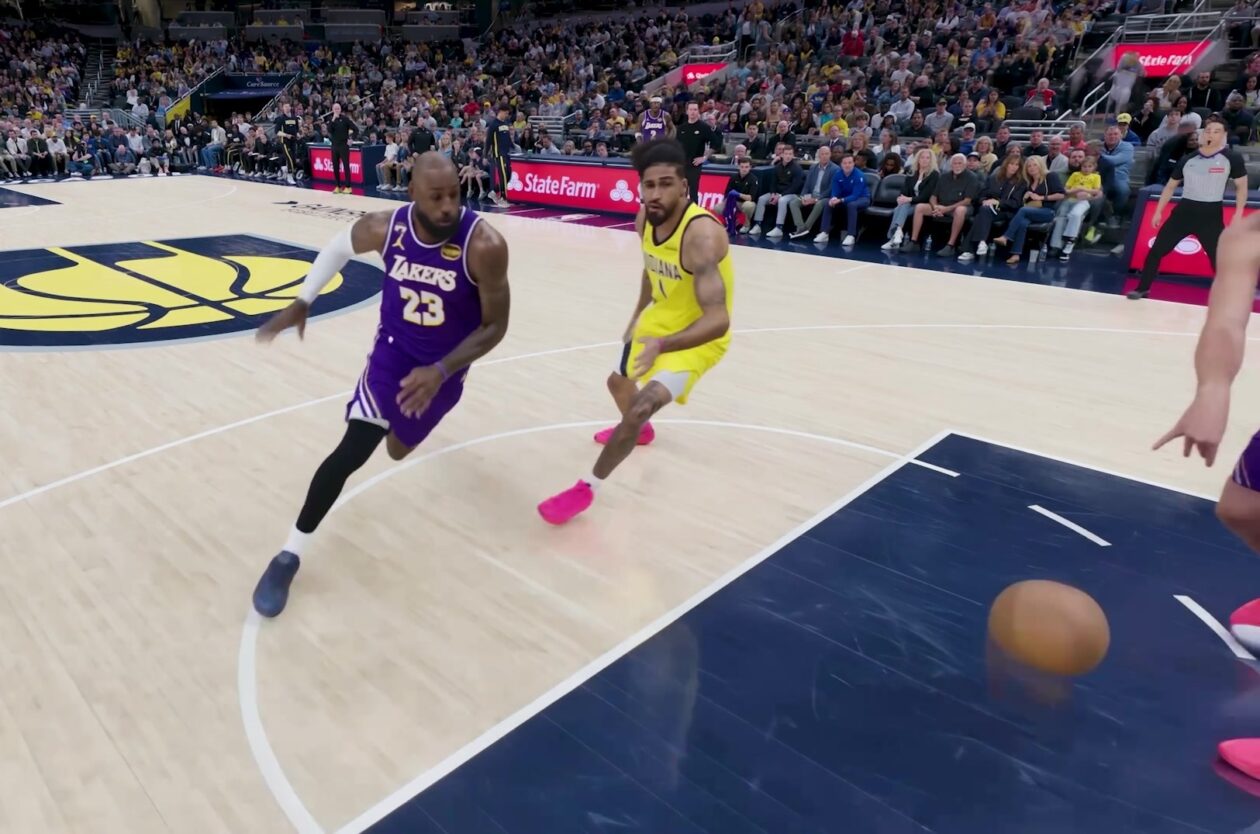
Amazon Prime Video Launches AI-Powered Prime 360 for NBA Coverage
Amazon Prime Video is elevating its NBA coverage with the introduction of Prime 360, an AI-powered replay system offering immersive, 'fly through' views of the action. Kicking off its second season, Prime Video also adds Yahoo fantasy integration and gains exclusive Eastern Conference Finals rights, expanding its tech-driven sports broadcast. The new features aim to deliver a unique and interactive viewing experience for basketball fans.