
ai: Everything Google announced at its Android Show, from Googlebooks
Google's recent Android Show unveiled Googlebook, a new line of Gemini-integrated laptops, alongside significant Android advancements. Updates include personalized vibe-coded widgets, expanded Gemini intelligence across apps and Chrome, enhanced in-car experiences, and global theft protection features, all ahead of the upcoming I/O developer conference.

Google on Tuesday hosted its virtual Android Show: I/O Edition event, unveiling a suite of ambitious updates and new hardware set to redefine the Android ecosystem. The tech giant's announcements ranged from the introduction of Googlebook, a new line of Gemini-powered laptops, to innovative Android features like personalized vibe-coded widgets and globally expanded threat protection. These revelations precede Google’s highly anticipated annual developer conference later this month, which is expected to place a strong emphasis on artificial intelligence, continuing a trend from last year.
Introducing Googlebook: Laptops with Gemini at Their Core
Google made a significant foray into the hardware market with the debut of Googlebook, its new series of laptops. These devices are designed from the ground up with Gemini Intelligence, aiming to deliver personal and proactive assistance directly within the computing experience. Collaborating with major partners such as Acer, Asus, Dell, HP, and Lenovo, Google will launch the first Googlebooks in diverse forms and sizes this fall.
Key features of Googlebook include “Magic Pointer,” a Gemini-integrated cursor that promises enhanced interaction. The laptops will also offer seamless compatibility with Android phones, enabling users to access and utilize mobile applications directly from their Googlebook. Additionally, users will have the ability to create customized widgets tailored to their specific needs.
Gemini's Expanding Reach Across Android
Gemini Intelligence is set to become even more pervasive, enhancing user interaction across various Android functionalities. One of the most impactful additions is Gemini’s new agentic capabilities, allowing the assistant to perform complex, multi-step tasks by integrating data across different applications. For instance, users could photograph an event flyer and prompt Gemini to locate the event on platforms like Expedia, or use an on-screen grocery list to build a shopping cart in a preferred retail app.
Furthermore, Gemini is now integrating into Chrome for Android, following its earlier releases on iOS and desktop. This feature empowers users to summarize web content or ask questions about web pages directly. Android users will also gain access to an experimental auto-browse feature, designed to navigate websites and autonomously complete tasks, such as booking tickets.
Gemini’s utility extends to simplifying mobile form completion. Through an opt-in feature, the AI assistant will leverage Personal Intelligence data to help users effortlessly fill out intricate forms.
Redefining the Android Experience
Personalization and Creativity
Google is introducing “Create My Widget,” a novel feature that allows users to design custom widgets using natural language descriptions. This enables individuals to "vibe-code" their home screens, for example, by requesting a widget that suggests three high-protein meal prep recipes weekly. This feature will first roll out this summer on the latest Samsung Galaxy and Google Pixel phones.
Visual communication is also getting an upgrade with 3D Emojis. All 4,000 Android emojis have been refined for a more expressive, realistic, and less flat appearance. These enhanced emojis are slated for release later this year.
For content creators, Android is launching “Screen Reactions,” a feature that records both the user and their screen simultaneously, mirroring popular formats seen on platforms like TikTok and Instagram Reels. This will initially be available on Pixel devices this summer. Google’s partnership with Meta also brings Instagram’s best features—including Ultra HDR, native stabilization, and night mode—to Android devices, alongside optimized capture-to-upload processes to maintain photo and video quality. Exclusive to Android, Meta’s Edit app will receive new tools such as “smart enhance” for upscaling photos and “sound separation” for audio manipulation.
Enhanced In-Car and Communication Features
Android Auto is receiving a significant refresh, offering greater personalization, new widgets, and an edge-to-edge display experience adaptable to any screen shape in a vehicle. Media apps like YouTube Music and Spotify are also undergoing redesigns for easier in-car use. Later this year, supported cars from manufacturers like BMW, Ford, and Mercedes-Benz will enable YouTube video playback in 60 fps full HD within Android Auto. Gemini is also broadly rolling out to Android Auto, facilitating hands-free inquiries, brainstorming, and even food orders via DoorDash.
Communication gets smarter with Gboard’s new Rambler dictation feature. Similar to apps like Wispr Flow, Rambler transforms speech into cleaned-up text by removing filler words (“ums,” “ahs”) and intelligently correcting utterances, such as “Let’s meet at 3 p.m. … um, 2 p.m.” to “Let’s meet at 2 p.m.”
Sharing files across devices is becoming more versatile. Quick Share, which previously enabled Pixel-to-iPhone transfers, will now support a wider range of smartphone brands including Samsung, Oppo, and Xiaomi. For unsupported devices, Quick Share will generate a QR code for cloud-based sharing to iPhones. Future updates will also integrate Quick Share directly into apps like WhatsApp.
Google is also streamlining the transition for users switching from iOS to Android. A new feature, launching this year on Samsung Galaxy and Google Pixel devices, will allow for easy import of passwords, photos, messages, apps, contacts, eSIM data, and even home screen layouts from an iPhone to a new Android phone.
Prioritizing Digital Well-being and Security
A new Android feature called Pause Point aims to help users manage digital distractions. When launching an app identified as a distraction, users will be prompted with a 10-second break and alternative activity suggestions, such as reading in Google Play Books. An optional timer can also be set to limit app usage before it even begins.
Security enhancements are also a major focus, with Google expanding its default-on theft protections globally. These features, previously tested in Brazil, will be automatically enabled on all new Android 17 devices, freshly reset devices, or those updated to the latest OS. Protections include Remote Lock and Theft Detection Lock, reduced attempts for PIN/password guesses, and longer wait times between failed attempts. Law enforcement will gain the ability to access a device’s IMEI from the lock screen on Android 12 and higher to verify ownership of stolen devices. Furthermore, these theft protections will extend to devices running Android 10 and up in selected markets like the U.K. and Mexico. Pixel users with up-to-date software and Advanced Protection Mode will also benefit from Intrusion Logging, a security feature designed to investigate suspected spyware attacks and device compromises.
FAQ
Q: What is Googlebook, and when will it be available?
A: Googlebook is a new line of laptops powered by Gemini Intelligence, designed for proactive assistance. They will launch this fall, with models from partners like Acer and Dell.
Q: How will Gemini's new features impact daily Android use?
A: Gemini's expanded capabilities will allow for multi-step tasks across apps, web page summarization in Chrome, simplified form filling, and hands-free control in Android Auto, making the Android experience more intelligent and integrated.
Q: What new security measures are being introduced for Android users?
A: Google is expanding default-on theft protections globally, including Remote Lock, Theft Detection Lock, enhanced PIN security, and IMEI access for law enforcement. Pixel users also get Intrusion Logging for spyware detection.
Related articles

Apple Unveils iPhone Duo: Pricey Foldable Sees Soaring Demand
Apple has officially entered the foldable smartphone arena with the long-anticipated launch of the iPhone Duo. Priced starting at a hefty $1,999, the device features a 5.4-inch outer display and a larger 7.6-inch inner
Android 17 QPR2 Beta 7.1: The Performance Relief You've Been Waiting
Android 17 QPR2 Beta 7.1: Finally Fixing the QPR1 Performance Woes Verdict: Android 17 QPR2 Beta 7.1 is a crucial and highly anticipated software update for Google Pixel users, specifically targeting and resolving the

in-depth: Chicago-Area Cops Helped HSI Spy on Minnesota Anti-ICE
Chicago-area law enforcement, including local police and HSI agents, conducted undercover surveillance on Minnesota anti-ICE activists at an April 2, 2022, talk in Chicago. This operation was part of a federal conspiracy probe into 15 Minnesota activists facing felony charges related to immigration enforcement resistance. Civil liberties advocates have condemned the surveillance as a troubling intrusion into protected political activity.

Mark Wahlberg on using AI in film ‘the right way’ and being open to
Actor Mark Wahlberg believes AI has a place in filmmaking if used responsibly for enhancement, not script generation or actor replacement. At TechCrunch Disrupt, he expressed openness to an AI likeness carrying on his legacy, managed by his family, and emphasized storytelling.

Tesla Unveils Thruster-Equipped Roadster, 2028 Production Targeted
Tesla has unveiled its second-generation Roadster, featuring cold-gas thrusters co-developed with SpaceX, enabling it to jump and flip. The electric sports car demonstrated 0-60mph in an astonishing 0.81 seconds, with production targeted for 2028. This highly anticipated reveal also serves as a key recruitment tool for Tesla's ambitious AI and robotics initiatives.
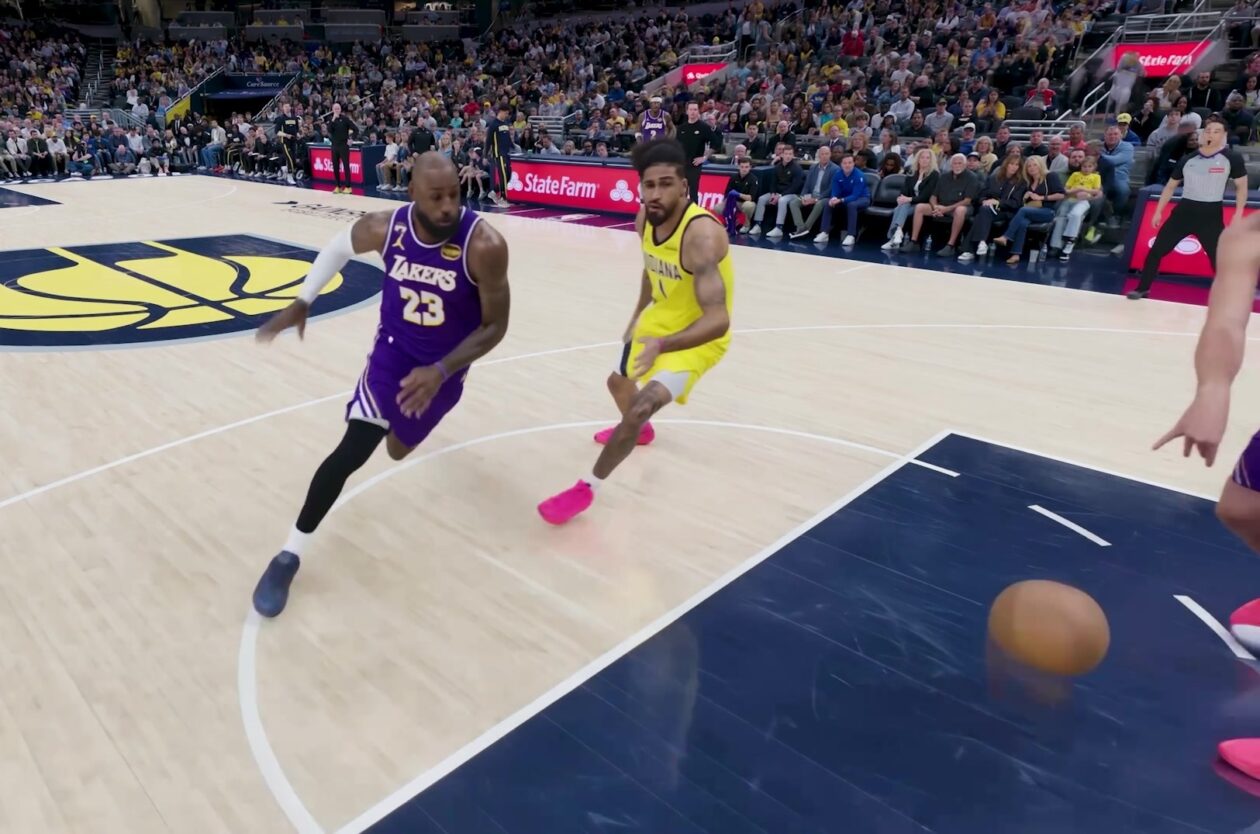
Amazon Prime Video Launches AI-Powered Prime 360 for NBA Coverage
Amazon Prime Video is elevating its NBA coverage with the introduction of Prime 360, an AI-powered replay system offering immersive, 'fly through' views of the action. Kicking off its second season, Prime Video also adds Yahoo fantasy integration and gains exclusive Eastern Conference Finals rights, expanding its tech-driven sports broadcast. The new features aim to deliver a unique and interactive viewing experience for basketball fans.