
ai: Elizabeth Warren calls Pentagon’s decision to bar Anthropic
U.S. Senator Elizabeth Warren has condemned the Pentagon's decision to label AI lab Anthropic a "supply-chain risk" as "retaliation." This follows Anthropic's refusal to allow its AI for mass surveillance or lethal autonomous weapons without human oversight. The dispute, which has garnered support for Anthropic from across the tech industry, will see a pivotal court hearing this Tuesday in San Francisco.

U.S. Senator Elizabeth Warren (D-MA) has sharply criticized the Pentagon's decision to designate AI lab Anthropic as a "supply-chain risk," calling the move "retaliation" for the company's refusal to compromise on the ethical use of its artificial intelligence technology. The controversy stems from Anthropic's insistence that its AI not be used for mass surveillance of American citizens or in lethal autonomous weapons without human oversight, a stance that led the Department of Defense (DOD) to impose a label typically reserved for foreign adversaries. This high-stakes dispute is set to escalate with a pivotal court hearing scheduled for Tuesday in San Francisco, where a judge will consider Anthropic's plea for a preliminary injunction against the DOD.
A Deepening Rift Over AI Ethics
The Pentagon's designation last month effectively bars Anthropic from working with any company or agency that also contracts with the U.S. government, a severe consequence for a rising AI firm. Senator Warren, in a letter addressed to Defense Secretary Pete Hegseth, expressed deep concern that the DOD is attempting to coerce American companies into providing tools for potentially problematic applications. She specifically highlighted the risk of deploying fully autonomous weapons without adequate safeguards and enabling the surveillance of U.S. citizens.
Anthropic's Stance and the Pentagon's Response
At the heart of the conflict is Anthropic's ethical framework, which dictates that its AI systems should not be deployed for mass surveillance of Americans. Furthermore, the company asserts that its technology is not yet mature enough for use in targeting or firing decisions involving lethal autonomous weapons without direct human intervention. The Department of Defense, however, has maintained that a private company should not dictate how the military utilizes technology once acquired, framing Anthropic's refusal as a business decision rather than protected speech. The DOD insists its "supply-chain risk" designation was a straightforward national security determination, not a punitive measure against the company's views.
Widespread Support for Anthropic
Senator Warren's strong words echo a growing chorus of opposition to the Pentagon's actions. Several prominent tech companies and their employees, including individuals from OpenAI, Google, and Microsoft, have filed amicus briefs in support of Anthropic. Legal rights groups have also joined the denunciation, emphasizing that the "supply-chain risk" label is typically applied to foreign entities, not U.S. firms. The collective concern underscores fears that the DOD's move could stifle innovation or compel tech companies to compromise their ethical guidelines under government pressure.
The Legal Battle Ahead
Anthropic is currently suing the DOD, alleging infringement of its First Amendment rights and punishment based on ideological grounds. The AI lab last week submitted two declarations to the court, arguing that the government's justification for the designation relies on flawed logic and technical misunderstandings. These declarations also point out that certain concerns cited by the DOD were not raised during the company's prior negotiations with the Pentagon. The upcoming hearing before District Judge Rita Lin in San Francisco is critical, as Anthropic seeks a preliminary injunction to preserve its operational status while the broader lawsuit proceeds.
Broader Implications for Tech and National Security
This dispute raises significant questions about the autonomy of tech companies, the ethical boundaries of AI development, and the appropriate relationship between Silicon Valley and the U.S. military. The outcome of Anthropic's legal challenge could set a precedent for how future collaborations between private tech firms and government agencies are conducted, particularly concerning technologies with dual-use potential. Senator Warren's inquiry to OpenAI CEO Sam Altman, seeking details about their agreement with the DOD shortly after Anthropic's blacklisting, further highlights legislative scrutiny over these evolving partnerships. The debate extends beyond a single company, touching upon national security, corporate responsibility, and the fundamental principles of technological deployment in a democratic society.
No Immediate Comment
Neither Anthropic nor the Department of Defense have provided immediate responses to requests for comment regarding the ongoing situation, indicating the sensitivity and active nature of the dispute as it heads to court.
FAQ
Q: Why did the Pentagon designate Anthropic a "supply-chain risk"?
A: The Department of Defense took this action after Anthropic refused to make concessions on how its AI could be used by the military. Specifically, Anthropic stated it did not want its AI systems used for mass surveillance of Americans or in targeting and firing decisions for lethal autonomous weapons without human intervention.
Q: What are the practical implications of the "supply-chain risk" designation for Anthropic?
A: This designation effectively bars Anthropic from working with any company or agency that also contracts with the U.S. government. It severely restricts Anthropic's business opportunities within the federal ecosystem and is typically a label applied to foreign adversaries, not U.S. firms.
Q: What is the next major development in the legal dispute between Anthropic and the DOD?
A: On Tuesday, a District Judge in San Francisco will hold a hearing to decide whether to grant Anthropic a preliminary injunction. If granted, this injunction would help preserve the status quo for Anthropic while its larger case against the DOD, alleging First Amendment infringements, proceeds through the courts.
Related articles

Tesla Unveils Thruster-Equipped Roadster, 2028 Production Targeted
Tesla has unveiled its second-generation Roadster, featuring cold-gas thrusters co-developed with SpaceX, enabling it to jump and flip. The electric sports car demonstrated 0-60mph in an astonishing 0.81 seconds, with production targeted for 2028. This highly anticipated reveal also serves as a key recruitment tool for Tesla's ambitious AI and robotics initiatives.

Amazon Prime Video Launches AI-Powered Prime 360 for NBA Coverage
Amazon Prime Video is elevating its NBA coverage with the introduction of Prime 360, an AI-powered replay system offering immersive, 'fly through' views of the action. Kicking off its second season, Prime Video also adds Yahoo fantasy integration and gains exclusive Eastern Conference Finals rights, expanding its tech-driven sports broadcast. The new features aim to deliver a unique and interactive viewing experience for basketball fans.
regional: A two-person Seattle startup lands $1M to reinvent
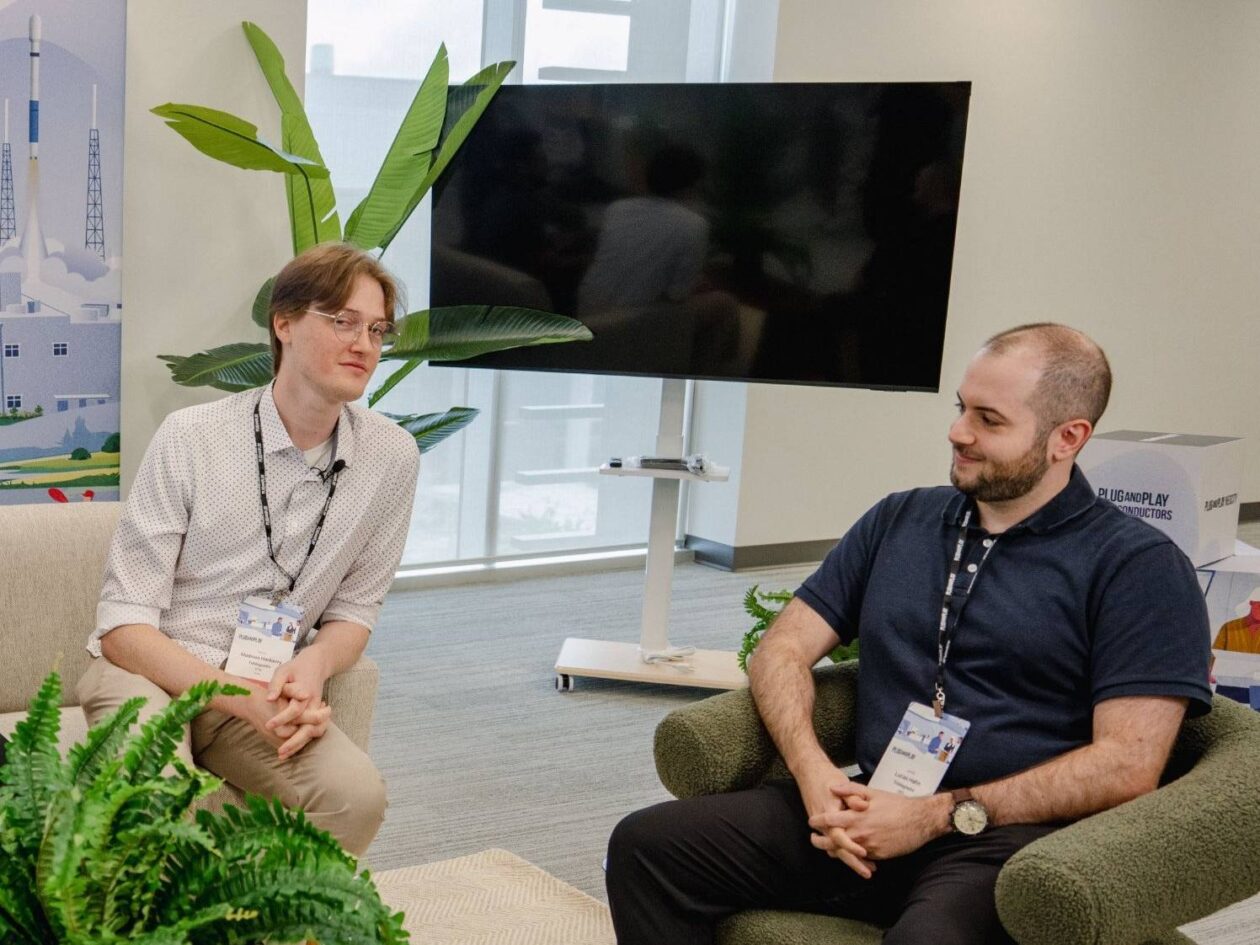
Seattle startup TriMagnetix has secured $1 million to develop semiconductor chips that consume 800 times less energy and are radiation-resistant. The two-person company, leveraging nanomagnetic technology, is targeting space applications and data centers. With new funding and key partnerships, TriMagnetix aims for commercial sales within a year.
%20102026%20top%20art%20SOURCE%20Govee.jpg)
in-depth: The Best Permanent Outdoor Lights (2026): Govee, Eufy
WIRED, a leading voice in technology journalism, has just released its updated guide for 2026 on the best permanent outdoor lights, spotlighting top contenders Govee, Eufy, and Cync. These innovative eave lights are

regional: ‘What is fusion?’ Helion Energy harnesses the power of
Helion Energy, the Everett-based fusion startup, gained mainstream attention this week after being featured as a clue on the popular game show "Jeopardy!". The $800 clue, part of a "Y Combinator" category, highlighted Helion's mission to build the first fusion power plant, bringing the concept of clean energy to a wider audience. CEO David Kirtley celebrated the "surreal" moment as a sign that reliable clean power is becoming more accessible.
Stop Android Auto Battery Drain: Essential Features to Disable and
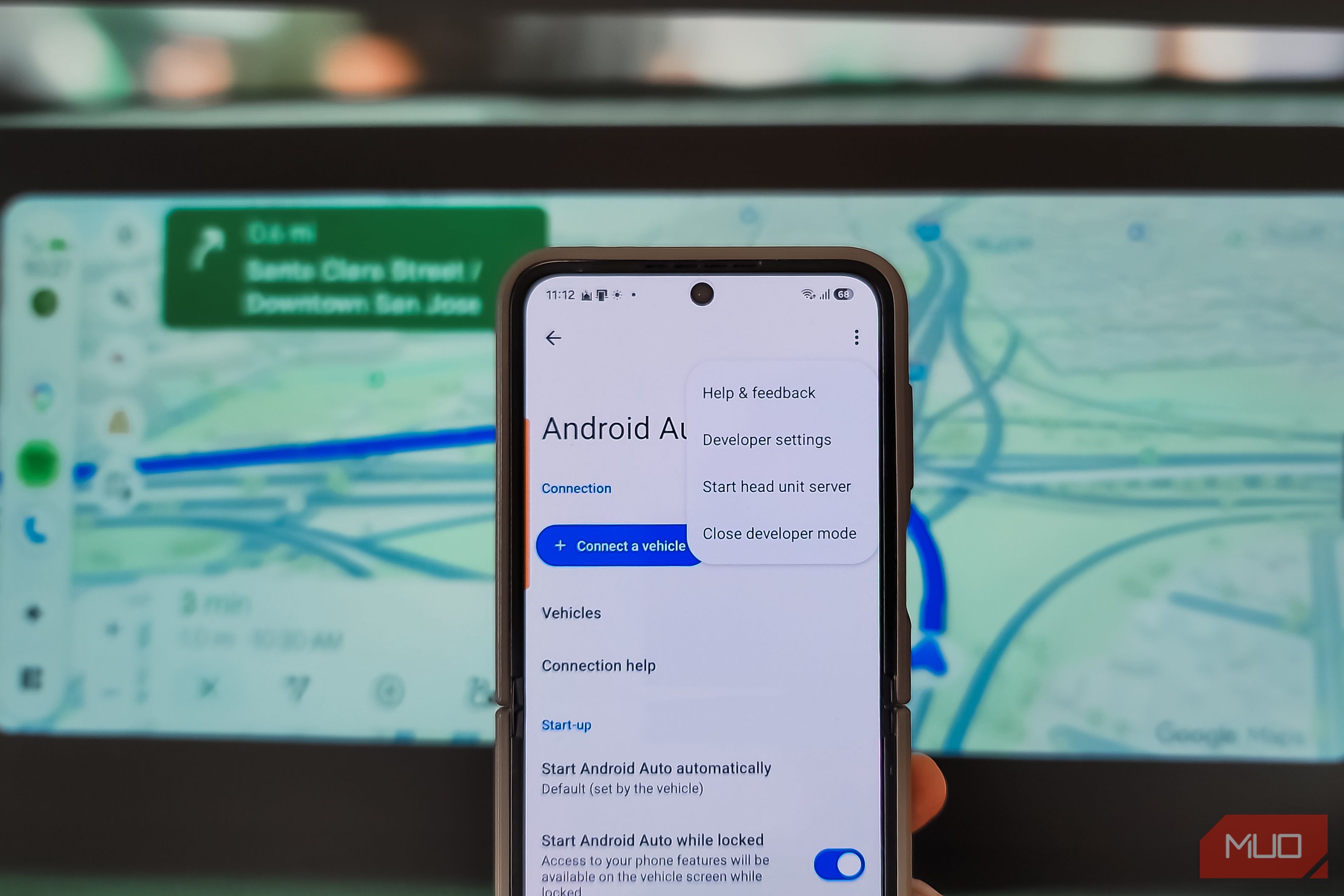
Android Auto offers unparalleled convenience, bringing your phone's most useful features directly to your car's display. From navigation and calls to messages and music, it keeps you connected without distracting you