
AI Data Center Heists: Supply Chain Security Under Scrutiny
Cargo thefts targeting AI data center components, including copper wire and specialized equipment, highlight escalating supply chain risks. While $1.3 million was recovered near Chicago, these incidents underscore the lucrative, yet challenging, market for stolen high-tech gear.
Quick Verdict
The booming AI data center industry faces escalating cargo theft, as highlighted by recent multi-million dollar heists of copper wire and specialized equipment near Chicago. While partial recoveries affirm tracking effectiveness, these incidents expose critical supply chain vulnerabilities and the complex challenges criminals face in liquidating highly specialized tech goods.
Introduction: The Rise of a New Target
The explosive growth of artificial intelligence and its foundational data centers has inundated supply chains with immensely valuable components, from crucial copper wiring to advanced servers. This concentration of high-value cargo has inevitably drawn the attention of organized crime, shifting cargo theft priorities from general consumer electronics to the specialized backbone of our digital future.
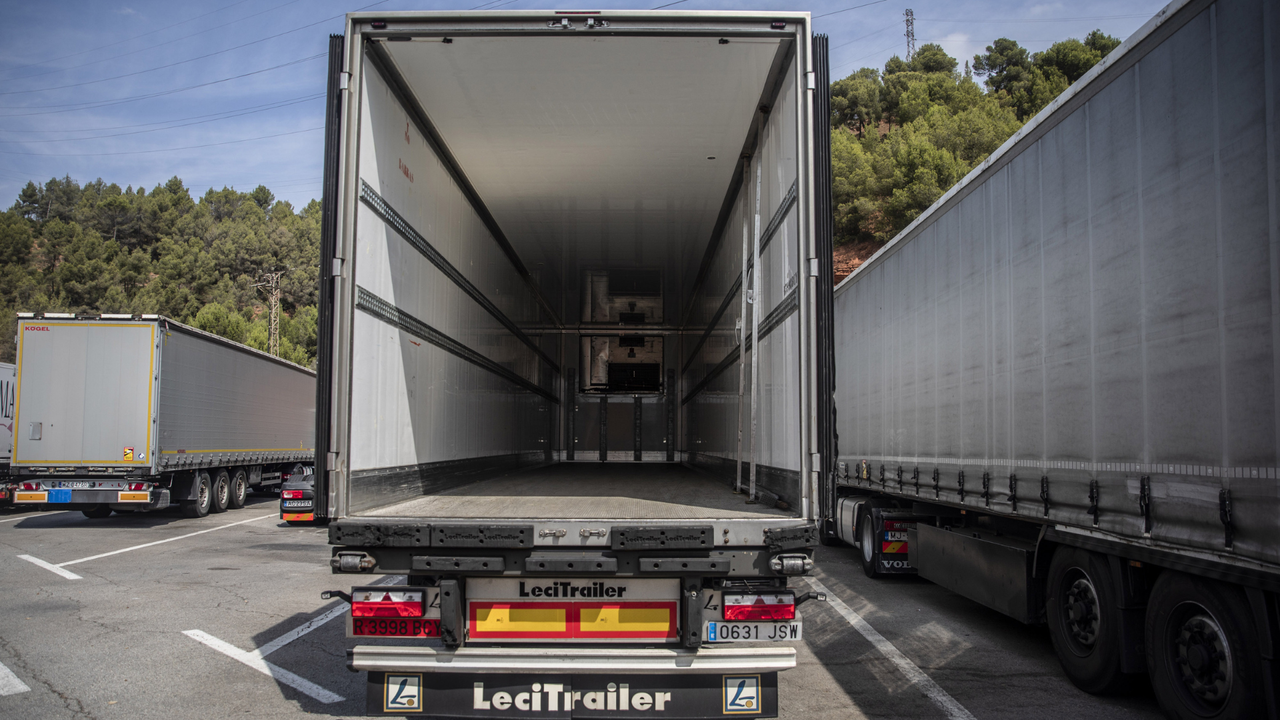
Recent events near Chicago vividly illustrate this new criminal focus. Cook County Sheriff's deputies successfully recovered two stolen trailers, totaling $1.3 million in value. One held $300,000 worth of copper wire spools, vital for data center power. The truck yard owner reported a prior drop-off by the same driver: another stolen trailer, this time with $1 million in data center equipment. The nationwide scale is evident; the copper wire was stolen from Alabama, the equipment from Florida. Attempts to disguise the wire's origin included swapping license tags. Crucially, GPS tracking led to the copper wire's recovery, demonstrating effective modern security, though the method for finding the second trailer was not specified. This trend signals a critical new era of risk for the tech industry's intricate logistics networks.
The Challenges of Fencing Stolen Servers
Despite the high monetary value of data center equipment, particularly advanced servers, thieves face considerable hurdles in reselling such specialized goods:
- Niche Market: Unlike widely sought consumer items, data center servers are bought by large institutions and corporations for specific, enterprise-level tasks. This severely limits the illicit buyer pool.
- High Traceability: Most enterprise hardware is embedded with serial numbers, allowing manufacturers and legitimate buyers to track ownership and verify authenticity. Stolen items are easily flagged, making them risky purchases.
- Documentation Demand: Buyers of multi-million dollar equipment require official receipts, warranties, and service agreements. Criminals cannot provide these, making the equipment virtually unsellable to its intended legitimate market, drastically reducing its black market appeal and value.
These factors make liquidating stolen data center gear far more complex and risky than offloading general consumer electronics.
A Shifting Landscape for Cargo Crime
Historically, cargo thieves favored consumer electronics for their broad appeal and easy resale. Examples include:
- Nintendo Switch Consoles: A reported $1.4 million worth of Switch 2 consoles stolen en route to a Texas retailer, items with high consumer demand.
- High-End Gaming GPUs: Shipments of valuable graphics cards, like EVGA 30-series (later appearing discounted in Vietnam) and MSI RTX 3090s (stolen from a factory), were also frequent targets. These still find a ready market among enthusiasts.
The recent pivot to AI data center supplies represents an escalation in target value but potentially a miscalculation regarding ease of disposal. The specialized nature and traceability of data center components suggest these heists, while audacious, may prove less profitable and more easily trackable than past consumer electronics thefts, as evidenced by the recent successful recoveries.
Implications for the Tech Industry and Consumers
These incidents serve as a vital warning for data center operators, hardware manufacturers, and logistics companies about growing supply chain risks. The AI infrastructure boom necessitates a robust enhancement of security protocols. Investments in advanced tracking, stringent physical security for shipments, and rigorous vetting of transport partners are no longer optional. While insurance covers direct financial losses, the broader impact includes disrupted project timelines, operational delays, and increased costs, potentially affecting AI development. Consumers, though indirectly, feel these pressures as they contribute to the tech ecosystem's overall complexity and cost.
Pros and Cons of the Current Situation
Pros:
- Effective Tracking: GPS technology proved crucial in the recent recovery, showcasing the power of modern security countermeasures.
- Inherent Deterrents: The specialized nature, traceability, and documentation requirements of data center equipment make it inherently challenging for thieves to fence, offering a built-in disincentive.
- Heightened Vigilance: These high-profile thefts are a wake-up call, prompting the tech industry to critically review and strengthen supply chain security measures, leading to greater resilience.
Cons:
- Extreme Value Targets: The astronomical value of AI data center components continues to attract highly organized and sophisticated criminal networks.
- Supply Chain Disruption: The direct result of such thefts is significant delays in crucial AI data center construction and deployment.
- Sophisticated Adversaries: The ability of theft rings to operate nationally and use tactics like tag swapping indicates a high level of organization and persistence.
- Indirect Economic Costs: Beyond direct financial reimbursement, companies bear substantial indirect costs from investigations, legal processes, and operational setbacks.
Buying Recommendation
For all stakeholders in the AI data center ecosystem—from component manufacturers to operators and logistics partners—the clear recommendation is to drastically elevate supply chain security. This involves implementing comprehensive strategies: ubiquitous real-time GPS tracking, enhanced physical security for all cargo in transit and storage, and meticulous due diligence for personnel and third-party contractors. While not a consumer product review, this analysis underscores that proactive investment in security is paramount to safeguarding valuable assets, ensuring the continuous development of AI infrastructure, and mitigating broader economic impacts on the tech industry.
FAQ
Q: Why are cargo thieves now targeting AI data center supplies instead of just consumer electronics?
A: The massive boom in AI data center construction has put an unprecedented amount of high-value, specialized equipment and raw materials (like copper wire) in transit. This makes these shipments extremely lucrative targets, appealing to organized theft rings seeking high-value hauls.
Q: How difficult is it for thieves to sell stolen AI data center equipment on the black market?
A: It's considerably more difficult than selling consumer electronics. Data center equipment is specialized, often has serial numbers that can be tracked, and is typically only purchased by institutions that require official receipts and warranties. These factors severely limit the illicit market and reduce the equipment's street value significantly, making liquidation challenging for thieves.
Q: What measures are being taken or can be taken to prevent these types of heists?
A: The recovery of some stolen goods through GPS tracking highlights the importance of such technology. Increased investment in advanced real-time tracking, enhanced physical security for trailers and storage facilities, and thorough vetting of logistics partners are crucial. Industry-wide collaboration and intelligence sharing can also help track and dismantle these sophisticated theft rings.
Related articles
Android 17 QPR2 Beta 7.1: The Performance Relief You've Been Waiting
Android 17 QPR2 Beta 7.1: Finally Fixing the QPR1 Performance Woes Verdict: Android 17 QPR2 Beta 7.1 is a crucial and highly anticipated software update for Google Pixel users, specifically targeting and resolving the

DJI Solo Video Setups: Smart Choices for Lone Creators
This review delves into DJI's recommended solo video setups, highlighting the Osmo Pocket 3 Creator Combo as a top pick for its integrated camera, gimbal, and mic. It also covers stabilizers like the Osmo Mobile 8 and RS 4, and the DJI Mic Mini series for enhanced audio, providing honest pros, cons, and clear buying advice.

Ditch Merge & Center: The Better Way to Align Text in Excel
Learn to use Excel's "Center Across Selection" to align text across cells without merging, avoiding common data manipulation issues. This guide provides steps to utilize this newly accessible feature and add it to your Quick Access Toolbar.

Ars Technica's Rocket Report: Your Essential Space Industry Briefing
Quick Verdict Ars Technica's Rocket Report, presented by veteran space reporter Stephen Clark, offers an invaluable and meticulously organized weekly (or similar frequency, implied by "Edition 9.15") digest of the most

Apple iPhone Duo: A Daring Debut with Notable Compromises
Apple's highly anticipated iPhone Duo, priced at $2,000, has gone on pre-order. While hailed as "Apple's most exciting device in a decade" for its innovative foldable design and immersive display, it comes with significant drawbacks like the absence of FaceID and a premium camera.

AI's Confidence vs. Formal Methods' Rigor: Design Flaws & Verification
While AI accelerates code generation, formal methods remain critical for ensuring system correctness. Languages like TLA+ and tools like Quint enable developers to model and verify system designs before coding, catching subtle flaws. Quint makes formal methods more accessible with developer-friendly syntax and executability. This approach is vital for verifying AI-generated code through trace validation and model-based testing, ensuring reliability against real-world data.