
AI Appreciation Day: A Day Best Unobserved
Quick Verdict AI Appreciation Day, slated for July 16th, presents itself as a moment to recognize "the most consequential technology in human history." However, in the honest assessment of this tech reviewer, it comes
Quick Verdict
AI Appreciation Day, slated for July 16th, presents itself as a moment to recognize "the most consequential technology in human history." However, in the honest assessment of this tech reviewer, it comes across less as a genuine celebration and more as a misguided marketing stunt. The proposed ways to observe this day feel out of touch, even satirical, and ultimately distract from more meaningful human experiences. Our recommendation is clear: the best way to celebrate AI Appreciation Day is to simply not.
Unpacking the "Holiday": Key Details
AI Appreciation Day is designated for July 16th, with an stated goal of acknowledging artificial intelligence's significant impact on industries and society. Unlike lighthearted, commercially driven "holidays" like National Hot Dog Day or National Doughnut Day, which offer tangible perks like free food, this day calls for a more profound, intentional recognition. Yet, this earnest ambition quickly dissipates when examining the recommended methods for its observation.
According to the official website for AI Appreciation Day, celebrants are encouraged to engage in activities such as:
- Thanking individuals who build or maintain AI systems. This suggestion aims to acknowledge the human effort behind the technology, yet its practical application feels somewhat awkward and vague.
- Discussing AI with children or skeptics. The intent here appears to be education and dialogue, but without proper context or guidance, this could easily become preachy or dismissive of legitimate concerns.
- Signing a pledge and marking the day on your calendar. This call for commitment feels particularly ceremonial and, frankly, a bit overblown for a technology that is already pervasive in daily life.
These proposals, while seemingly well-intentioned, struggle to translate into a genuinely engaging or impactful experience for the average person. They lack the organic appeal or simple joy often associated with even manufactured holidays, making the entire concept feel forced.
The User Experience: An Unconvincing "Celebration"
Evaluating AI Appreciation Day from a user experience perspective, it falls significantly short. A good "holiday," even a contrived one, should evoke a sense of participation, joy, or at least a clear benefit. This day, however, offers none of that. The suggestions for observance are less about experiencing the benefits of AI and more about performing a ritualistic acknowledgment of its existence and the people behind it.
For most individuals, interacting with AI is already an integrated, often background, part of their digital lives. We use AI-powered search engines, voice assistants, recommendation algorithms, and more without needing a designated day to "appreciate" them. The call to "thank a person who builds or maintains AI" feels particularly abstract; how would one even identify such an individual in their daily life, let alone meaningfully thank them? The notion of discussing AI with children or skeptics, while potentially valuable in other contexts, loses its authenticity when mandated as a holiday activity, running the risk of feeling like a lecture rather than an open conversation.
Engadget’s sentiment that these ideas "sound satirical" highlights the critical disconnect. Rather than fostering genuine appreciation or understanding, the framework for this day creates an impression of artificiality and an attempt to manufacture importance where it may not be spontaneously felt. The proposed activities lack the grassroots enthusiasm or cultural resonance that would make such a day genuinely impactful or even palatable. It’s an exercise in obligation rather than celebration, failing to integrate naturally into the human experience.
Pros and Cons
Given the strong stance from our source, balancing pros and cons for AI Appreciation Day is a unique challenge. The primary "pro" is the stated intention, while the "cons" largely encompass the practical and philosophical criticisms.
Pros (Stated Intent):
- Recognition of Impact: The day ostensibly aims to acknowledge AI's profound and pervasive influence as a significant technology shaping human history and various industries. It seeks to bring consciousness to a field that continues to evolve rapidly and affect daily lives globally.
Cons:
- Unnecessary & Artificial: The core criticism is that the day is simply not warranted. AI's impact is undeniable, but it doesn't necessitate its own dedicated "appreciation day," especially one that feels so deliberately constructed.
- Marketing Stunt Vibe: The concept strongly resembles a marketing ploy rather than a genuine cultural observance. It lacks the organic growth or historical significance of true holidays, even modern ones.
- Detached Recommendations: The suggested ways to celebrate, such as thanking AI builders or talking to skeptics, are impractical, awkward, and feel disconnected from how most people engage with technology. They fail to inspire genuine participation.
- Focus on Technology Over Humanity: Engadget argues that the day places AI "front and center" instead of promoting a focus on human experiences and connections. It risks elevating algorithms above genuine human interaction and creativity.
- Environmental Concerns Ignored/Downplayed: The critique subtly highlights that the relentless pursuit of AI development comes with environmental costs, such as the energy consumption of data centers. Celebrating the technology without acknowledging these broader impacts feels irresponsible.
Alternatives to "Appreciating" AI
Instead of dedicating time and mental energy to a manufactured day of AI appreciation, the source article provides tangible, human-centric alternatives for how one might more meaningfully spend July 16th. These alternatives redirect focus from abstract technological recognition to concrete, enriching experiences that enhance human well-being and environmental consciousness. Rather than comparing them as direct substitutes for AI Appreciation Day as a "product," consider them as superior ways to invest your time on that particular calendar date:
- Support Local Artists: Rather than praising algorithms, invest in human creativity. Purchasing artwork from a local artist directly contributes to an individual's livelihood and fosters community arts, celebrating genuine human expression.
- Experience Natural Environments: The article suggests swimming in a natural body of water. This recommendation carries an implicit environmental message, urging us to appreciate the planet's finite resources before they are potentially "forever impacted by data centers powering AI." It's a call to connect with nature and acknowledge ecological concerns.
- Reconnect with Friends: Instead of engaging in token-burning conversations with an AI chatbot, the article advocates for catching up with old friends. This emphasizes the value of authentic human connection, face-to-face interaction, and strengthening social bonds, which are crucial for mental and emotional well-being.
These suggestions are not just alternative activities; they represent a fundamental shift in values – prioritizing real-world engagement, human creativity, and environmental stewardship over an abstract, almost compulsory, celebration of technology.
Buying Recommendation
From a reviewer's standpoint, "AI Appreciation Day" as a concept receives a resounding non-recommendation. There is no compelling reason to "buy into" this manufactured holiday. It offers little in the way of genuine engagement, meaningful celebration, or practical benefit to the average individual. The day's recommendations are awkward and lack the authenticity needed for widespread adoption or appreciation. Rather than carving out mental space or time to acknowledge this day, we strongly advise you to redirect your focus towards the more enriching, human-centric alternatives mentioned above. On July 16th, invest in real human connections, support authentic creativity, and engage with the natural world. Your time will be far better spent.
FAQ
Q: Is AI Appreciation Day a recognized national holiday? A: No, AI Appreciation Day, scheduled for July 16th, is not a nationally recognized holiday. It is presented as a day for intentional recognition of AI, but it lacks the official status or widespread public endorsement of traditional holidays.
Q: What are the suggested ways to celebrate AI Appreciation Day? A: The official suggestions include thanking individuals who build or maintain AI, discussing AI with children or skeptics, and signing a pledge to mark the day on your calendar. These are intended to foster appreciation and understanding of the technology.
Q: What should I do instead of celebrating AI Appreciation Day? A: Engadget suggests focusing on human experiences and connections. Alternatives include supporting a local artist by buying their work, swimming in a natural body of water, or catching up with old friends rather than engaging with AI chatbots.
Related articles
Android 17 QPR2 Beta 7.1: The Performance Relief You've Been Waiting
Android 17 QPR2 Beta 7.1: Finally Fixing the QPR1 Performance Woes Verdict: Android 17 QPR2 Beta 7.1 is a crucial and highly anticipated software update for Google Pixel users, specifically targeting and resolving the

DJI Solo Video Setups: Smart Choices for Lone Creators
This review delves into DJI's recommended solo video setups, highlighting the Osmo Pocket 3 Creator Combo as a top pick for its integrated camera, gimbal, and mic. It also covers stabilizers like the Osmo Mobile 8 and RS 4, and the DJI Mic Mini series for enhanced audio, providing honest pros, cons, and clear buying advice.

Ars Technica's Rocket Report: Your Essential Space Industry Briefing
Quick Verdict Ars Technica's Rocket Report, presented by veteran space reporter Stephen Clark, offers an invaluable and meticulously organized weekly (or similar frequency, implied by "Edition 9.15") digest of the most
Apple iPhone Duo: A Daring Debut with Notable Compromises
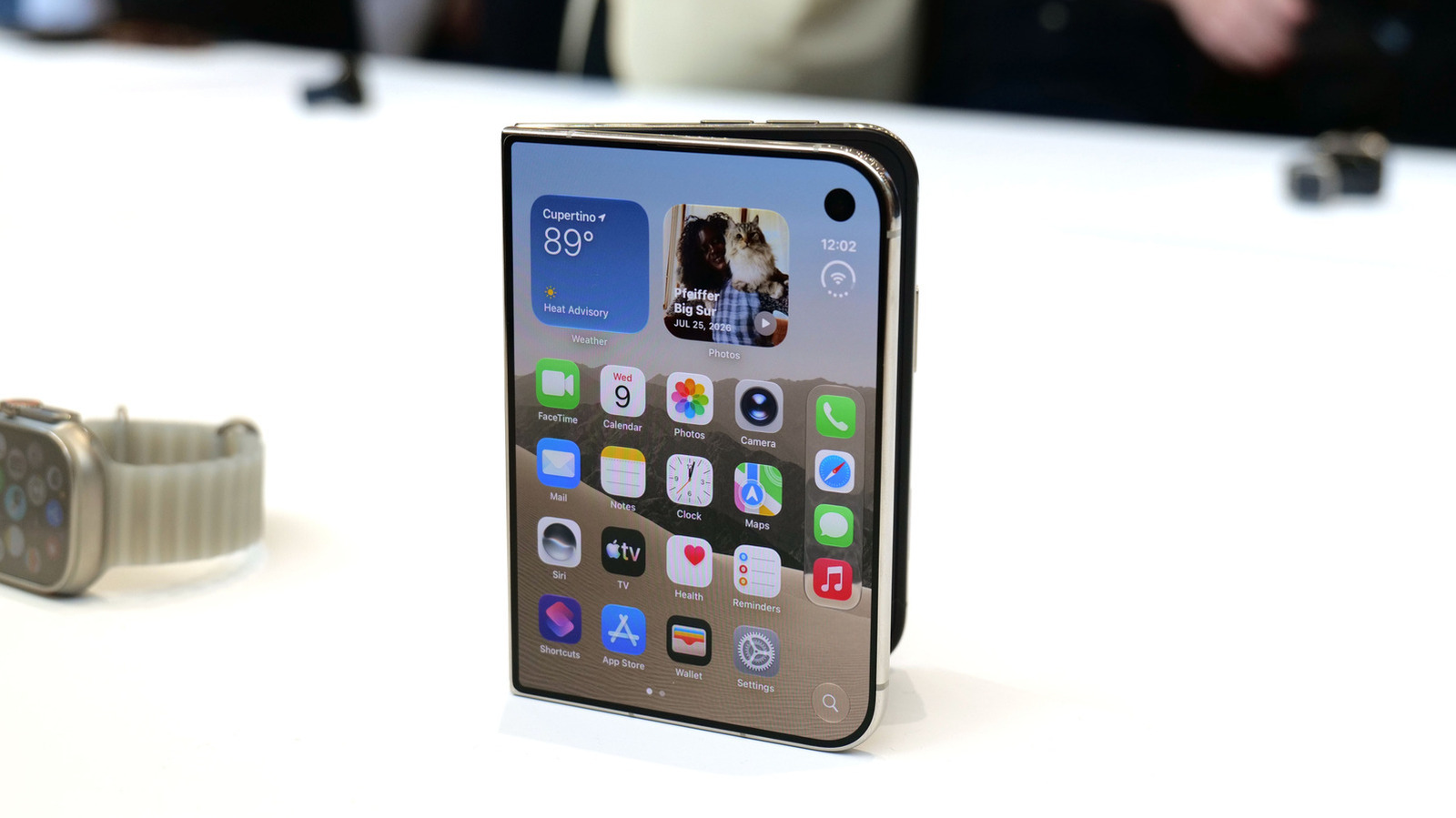
Apple's highly anticipated iPhone Duo, priced at $2,000, has gone on pre-order. While hailed as "Apple's most exciting device in a decade" for its innovative foldable design and immersive display, it comes with significant drawbacks like the absence of FaceID and a premium camera.

AI's Confidence vs. Formal Methods' Rigor: Design Flaws & Verification
While AI accelerates code generation, formal methods remain critical for ensuring system correctness. Languages like TLA+ and tools like Quint enable developers to model and verify system designs before coding, catching subtle flaws. Quint makes formal methods more accessible with developer-friendly syntax and executability. This approach is vital for verifying AI-generated code through trace validation and model-based testing, ensuring reliability against real-world data.

Amazon Prime Video Launches AI-Powered Prime 360 for NBA Coverage
Amazon Prime Video is elevating its NBA coverage with the introduction of Prime 360, an AI-powered replay system offering immersive, 'fly through' views of the action. Kicking off its second season, Prime Video also adds Yahoo fantasy integration and gains exclusive Eastern Conference Finals rights, expanding its tech-driven sports broadcast. The new features aim to deliver a unique and interactive viewing experience for basketball fans.